
Written by: Dr. Akash Chandawarkar, Board Certified Plastic Surgeon, Mirror Plastic Surgery | Last updated: September 9, 2026
Key Takeaways
- Shave 24–48 hours before laser hair removal so your skin can recover while you maintain ideal 1–2 mm stubble for precise follicle targeting.
- Shaving right before treatment leaves micro-cuts and irritation that can intensify skin reactions and increase burn risk.
- Shaving more than 48 hours before your session lets hair regrow above the surface, so the laser wastes energy on surface hair instead of the follicle.
- Use a clean, sharp razor, shave gently in the direction of hair growth, and arrive with clean, product-free skin for smoother, safer sessions.
- Get personalized pre-treatment guidance from Dr. Akash Chandawarkar, a Harvard-educated, Johns Hopkins-trained, board-certified plastic surgeon, by scheduling a consultation at Mirror Plastic Surgery.
Why Shaving Matters Before Laser Hair Removal
Laser hair removal targets pigment (melanin) in the hair follicle beneath your skin, not the hair shaft above the surface. Shaving removes only surface hair and leaves the follicle intact, which allows the laser to reach its target efficiently. This makes shaving the only acceptable hair removal method in the weeks leading up to treatment.
Avoid the following practices before laser hair removal:
- Waxing, plucking, threading, or using depilatory creams, because these methods remove hair from the root and leave nothing for the laser to target
- Arriving with long, unshaven hair, because surface hair absorbs laser energy, wastes it, and increases burn risk
- Skipping shaving under the assumption it will help, because the laser needs a clean surface to reach the follicle
The Golden Window: Why 24–48 Hours Works Best
Shaving 24 to 48 hours before your appointment gives your skin time to recover while keeping hair short enough for effective laser targeting. This timing supports both comfort and results.1
Shaving 24–48 hours before a laser hair removal session leaves approximately 1–2 mm of stubble, which is ideal for follicle targeting. This window works for several reasons:
- Skin Recovery: Shaving the morning of treatment can cause razor burn or microscopic irritation that increases discomfort. Waiting at least 24 hours allows your skin’s natural barrier to repair before laser energy is applied.
- Optimal Stubble: At 24–48 hours post-shave, hair is about 1–2 mm long. The laser can detect and target the follicle, while short surface hair does not absorb excessive energy.
- Reduced Sensitivity: Freshly shaved skin reacts more strongly to laser heat, which raises the risk of stinging, swelling, or burns.
This timing aligns with guidance from Cleveland Clinic, which advises shaving 2–3 days before treatment, and with most laser clinics that recommend at least a 24-hour buffer.
What Happens If You Shave Too Close Or Too Early
While the 24–48 hour window is ideal, shaving too close to your appointment or too far in advance can undermine your results and comfort.
Shaving immediately before laser hair removal leaves micro-scratches and stratum corneum damage that has not healed. When laser heat hits this compromised skin, the reaction can intensify and greatly increase the likelihood of redness, swelling, and stinging.
The table below summarizes how timing affects your skin and treatment:
| Shaving Timeframe | Skin Condition | Treatment Impact | Recommendation |
|---|---|---|---|
| 1 hour before | Micro-cuts unhealed, high reactivity | Increased pain, possible burns | Reschedule if possible |
| 2–3 hours before | Significant irritation present | Laser stings more, may be refused | Reschedule or inform provider |
| 8–12 hours before | Partial recovery, still sensitive | Higher discomfort risk | Proceed with caution and inform provider |
| 24–48 hours before | Fully recovered, ideal stubble | Optimal comfort and efficacy1 | This is your target window |
If you already shaved within the 1–12 hour window, contact your provider. They can advise you on whether to reschedule to protect your skin and preserve treatment quality.
What Happens If You Shave Too Early (More Than 48 Hours)
Shaving more than 48 hours before your appointment allows hair to regrow above the skin surface. This regrown hair acts as a barrier and absorbs laser energy meant for the follicle, which can reduce results and increase the chance of surface burns, hyperpigmentation, or discomfort. A 2019 study in Lasers in Surgery and Medicine found that patients who shaved within 24 hours before laser hair removal had a 30% higher reduction in hair count after six sessions compared to those who shaved more than 48 hours before.1
If you shaved too early and your skin has fully recovered, you may need to shave again within the golden window. If your skin still feels irritated from the first shave, contact your provider for guidance instead of risking a second shave that could weaken your skin barrier.
Step-By-Step Guide To Shaving For Your Laser Appointment
- Choose The Right Tools. Use a new, sharp, clean razor to minimize irritation, nicks, and razor burn. A dull razor can pull at the hair and cause more trauma, which may make the area unsuitable for laser treatment.
- Shave In The Direction Of Hair Growth. Start with a gentle shave with the grain. If needed, follow with a light second pass across the grain. Focus on removing surface hair while avoiding micro-trauma to the skin.
- Use A Gentle Shaving Cream Or Gel. Pick a soothing formula, especially if you have sensitive skin. Avoid heavily fragranced products that can irritate.
- Shave Gently Without Pressing Hard. Pressing too firmly or shaving too deeply removes more of the stratum corneum and can cause sensitivity, redness, and microbleeds. Limit repeated passes over the same area.
- Rinse With Cool Water And Pat Dry. Rinse away residue with cool water, then gently pat dry. Avoid rubbing, which can further irritate freshly shaved skin.
- Skip Post-Shave Products. Arrive with clean, product-free skin, including no lotion, oil, deodorant for underarms, or makeup for facial treatments. Only apply products if your provider has specifically directed you to do so.
Common Myths And Misconceptions About Shaving Before Laser
Even with the right technique, myths about shaving can create confusion. This section clears up the most common misconceptions.
Myth: Shaving Makes Hair Grow Back Thicker Or Darker.
A 1970 study published in the Journal of Investigative Dermatology confirmed that regular shaving produces no significant changes in hair regrowth rate, hair shaft thickness, or the appearance and density of body hair. This perception of thicker hair arises because the blunt cut end of the hair shaft feels coarser as it grows out.
Myth: You Should Not Shave At All Before Laser Hair Removal.
Shaving is required before every laser session. The key is timing: aim for the 24–48 hour window to allow skin recovery while maintaining ideal stubble.
Myth: You Need Visible Hair So The Laser Has Something To Target.
This confusion comes from waxing, where visible hair is necessary. Laser hair removal works differently and requires a cleanly shaved surface so energy reaches the follicle directly.
Myth: Shaving Before Laser Makes Treatment Less Effective.
Shaving supports effective treatment.1 The laser targets the follicle beneath the skin, and surface hair interferes by absorbing energy meant for that follicle.
What To Do If You Forgot To Shave Or Shaved At The Wrong Time
If You Forgot To Shave Entirely: Call your clinic as soon as you realize. Some teams can trim or shave the area at your visit, although excess surface hair can make the session less comfortable. Avoid a rushed shave right before your appointment.
If You Shaved Too Close (1–2 Hours Before): Rescheduling usually offers the safest option. If your skin is cut or inflamed, the laser technician may recommend postponing. If you cannot move the appointment, tell your provider so they can assess your skin and adjust the plan.
If You Shaved Too Early (More Than 48 Hours Before): Check the hair length. If stubble is longer than a few millimeters and your skin feels calm, you may need a light shave within the golden window.
Always communicate with your provider rather than guessing. A quick phone call can prevent a wasted session, unnecessary discomfort, or a weaker result. For first-time patients, you can talk with Ellie and the Mirror Plastic Surgery team to get clear, personalized preparation instructions before you ever step into the treatment room.
Why Professional Expertise Matters For Laser Hair Removal
Given the medical nature of laser hair removal, professional expertise plays a central role in safety and results. Laser hair removal requires a detailed understanding of skin type, hair type, Fitzpatrick classification, and laser settings.
A board-certified plastic surgeon or experienced medical provider can evaluate your individual needs and tailor treatment to your unique physiology. At Mirror Plastic Surgery in St. Petersburg, Florida, Dr. Akash Chandawarkar, a Harvard-educated, Johns Hopkins-trained, board-certified plastic surgeon, offers personalized consultations and advanced laser hair removal treatments.
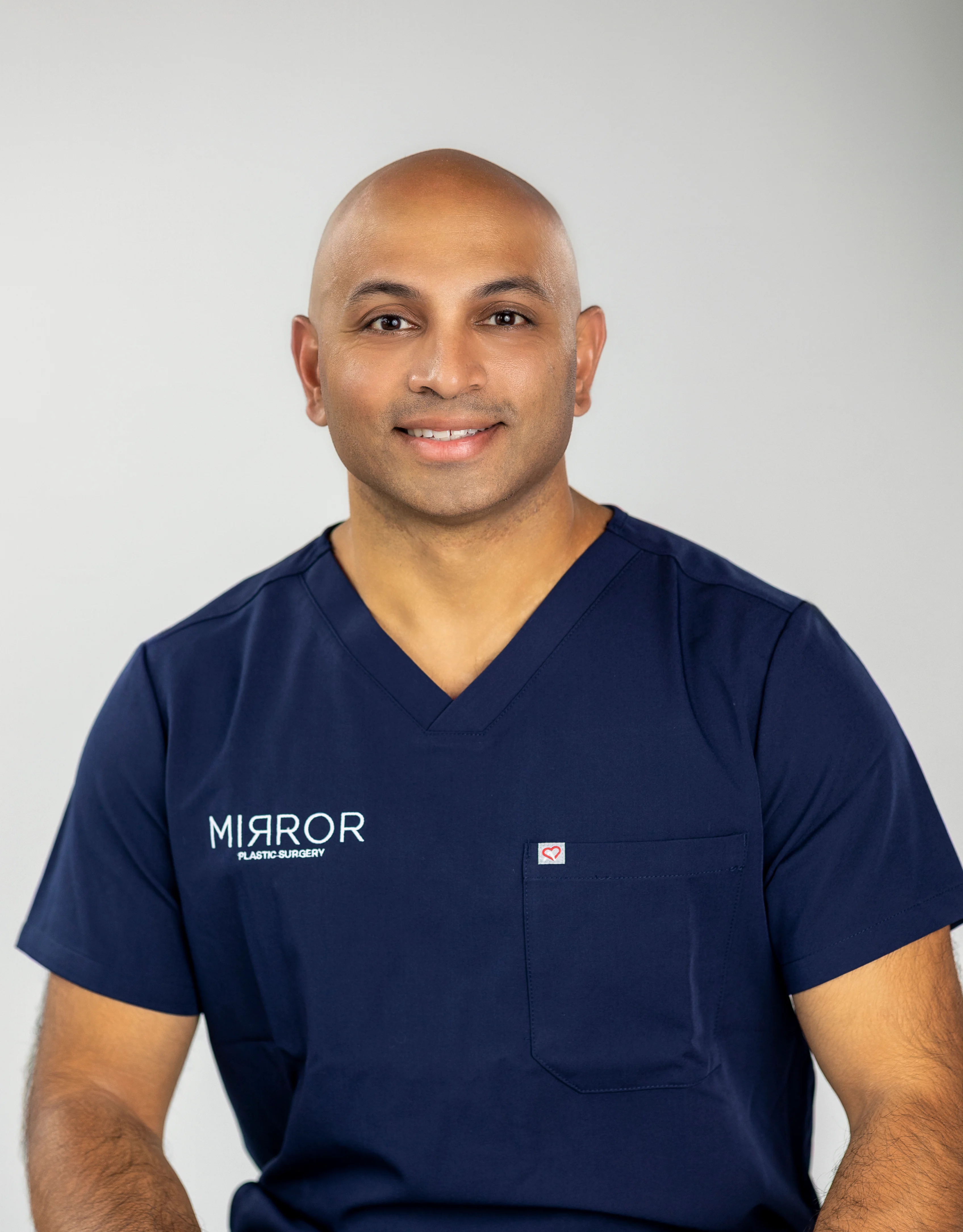
His concierge approach gives each patient ample time, honest guidance, and the deep anatomical insight that comes from surgical training. Mirror Plastic Surgery limits its daily schedule so every patient receives focused, individualized care before, during, and after treatment.
You can start your laser hair removal journey with a personalized consultation at Mirror Plastic Surgery and receive expert advice tailored to your skin and hair type.
Frequently Asked Questions
Can I Shave 2 Hours Before Laser Hair Removal?
No. Shaving 2 hours before your appointment leaves microscopic cuts and irritation that have not healed. When laser energy is applied to this compromised skin, the reaction can become significantly more intense and increase the likelihood of redness, swelling, stinging, and potential burns. If you already shaved this close to your session, contact your provider about rescheduling.
Can I Shave 12 Hours Before Laser Hair Removal?
Twelve hours sits on the borderline of acceptability. Your skin has started to recover from shaving but may still feel sensitive. For most patients, 24 hours is the minimum recommended window. If 12 hours is your only option, inform your provider before the session so they can assess your skin and adjust laser settings if needed.
What Happens If I Forgot To Shave Before My Laser Appointment?
Avoid shaving immediately before your appointment in a panic. Call your provider as soon as you notice. Many clinics can shave the treatment area at the start of your session, although results may feel slightly less comfortable if shaving happens quickly. For larger areas such as the back or full legs, some providers may prefer to reschedule to ensure proper preparation.
Is It Okay To Have Stubble Before Laser Hair Removal?
Yes. A small amount of stubble measuring approximately 1–2 mm works well. This length allows the laser to detect and target the hair follicle beneath the skin. Hair that grows significantly longer can absorb laser energy at the surface instead of allowing it to reach the follicle, which reduces effectiveness and raises the risk of surface burns and discomfort.1 The golden window of 24–48 hours naturally produces the right stubble length for most patients.
What Should I Avoid Before Laser Hair Removal Beyond Shaving Timing?
Several preparation steps extend beyond shaving. Waxing, plucking, threading, and depilatory creams should be avoided for at least 4–6 weeks before treatment, because these methods remove the hair root that the laser needs to target. Sun exposure and tanning beds should be avoided for at least 2–4 weeks before each session, because tanned skin contains additional melanin that competes with the hair follicle for laser energy and significantly increases burn risk.
Retinoids, glycolic acids, salicylic acid, and other exfoliating actives should be paused 3–7 days before treatment. On the day of your appointment, arrive with clean, product-free skin, including no lotions, deodorants, makeup, or sunscreen on the treatment area. Always disclose all medications and supplements to your provider, because certain drugs including tetracycline antibiotics and isotretinoin can cause photosensitivity that makes laser treatment unsafe.
Your Pre-Treatment Preparation Checklist
- Shave 24–48 Hours Before Your Appointment to stay within the golden window.
- Avoid Shaving Immediately Before Treatment so your skin has at least 24 hours to recover.
- Use A Clean, Sharp Razor And Shave Gently in the direction of hair growth.
- Arrive With Clean, Product-Free Skin on the treatment area.
- Avoid Waxing, Plucking, Or Depilatory Creams during your laser treatment series.
- Limit Sun Exposure And Tanning for at least 2–4 weeks before each session.
- Call Your Provider When You Are Unsure so preparation stays safe and effective.
Thoughtful preparation keeps your laser hair removal treatment safe, comfortable, and effective.1 With the right timing and technique, you can walk into your appointment confident that you have prepared correctly.
Schedule a consultation with Ellie at Mirror Plastic Surgery to receive personalized preparation guidance from a board-certified plastic surgeon who takes time to understand your skin, your goals, and your anatomy before recommending any treatment.
Disclaimer: Results may vary from person to person. Editorial content, before and after images, and patient testimonials do not constitute a guarantee of specific results.
1 Results may vary from person to person. Editorial content, before and after images, and patient testimonials do not constitute a guarantee of specific results.