
Written by: Dr. Akash Chandawarkar, Board Certified Plastic Surgeon, Mirror Plastic Surgery | Last updated: September 9, 2026
Key Takeaways Before Your First Session
Before you schedule treatment, keep these core points in mind about laser hair removal and what to expect.
- Laser hair removal uses selective photothermolysis to target melanin in hair follicles. It only affects hair in the active growth phase, so you need multiple sessions for meaningful reduction.
- Preparation matters. Stop waxing six weeks before, protect your skin from sun exposure, pause skincare actives one week prior, and shave 24 hours before your appointment.
- The procedure usually feels like a rubber band snap. Modern cooling technology keeps discomfort low, and most patients notice mild redness that fades quickly.
- Most people need at least six sessions spaced 4–6 weeks apart to reach about 80–90% hair reduction.1 Treated hair sheds over 1–3 weeks instead of disappearing on the table.1
- Choosing the right provider keeps treatment safe and effective. Schedule a consultation with Ellie at Mirror Plastic Surgery to plan care with a board-certified plastic surgeon.
How Laser Hair Removal Targets Hair Follicles
Laser hair removal works through selective photothermolysis. A specific wavelength of light is absorbed by melanin in the hair follicle. That light converts to heat, which damages the follicle and slows or stops future growth. The surrounding skin remains intact.
Three facts shape realistic expectations about the procedure:
- Hair color matters. Dark, coarse hair contains more melanin and responds best. Blonde, red, gray, and white hair lack enough melanin for the laser to reliably target.
- Skin tone can be treated safely with the right device. Modern Nd:YAG (1064 nm) and diode platforms can treat a wide range of skin tones, including darker Fitzpatrick types IV–VI, when the provider selects appropriate wavelengths and settings.
- Multiple sessions are essential. Only hair in the anagen (active growth) phase responds. Roughly 20–30% of follicles are in this phase at any time. One session cannot treat every follicle.
If you want to confirm that your hair and skin are good candidates, get a personalized assessment with Ellie at Mirror Plastic Surgery before you start preparing.
Your Pre-Session Preparation Checklist And Timeline
Laser hair removal prep follows a simple timeline that protects your skin and improves results. Following each step reduces the risk of irritation, burns, and wasted sessions.
6 Weeks Before: Stop Root-Removal Hair Methods
Stop waxing, plucking, threading, sugaring, and electrolysis on the treatment area. These methods remove the hair root, which is the structure the laser must target. The follicle must stay intact for treatment to work. Shaving is the only acceptable method during this period because it cuts hair at the surface and leaves the follicle in place.
2–4 Weeks Before: Protect Your Skin From Sun Exposure
Avoid direct sun, tanning beds, and self-tanners. Tanned skin contains extra epidermal melanin that competes with the follicle for laser energy. This competition raises the risk of burns and pigment changes. Apply broad-spectrum SPF 30+ daily to the treatment area and use protective clothing. If you already have a tan, your provider may ask you to wait 4–6 weeks for it to fade.
1 Week Before: Pause Strong Skincare Actives
Stop retinoids, glycolic acid, salicylic acid, and other exfoliants on the treatment area. These ingredients thin the stratum corneum and increase sensitivity, which raises the chance of irritation and burns. Use a gentle cleanser and a fragrance-free moisturizer instead.
24 Hours Before: Shave And Keep Skin Product-Free
Shave the treatment area 12–24 hours before your appointment. Hair should be present but short. The laser needs the follicle under the skin, not long hair above it. Avoid lotions, creams, deodorant, makeup, and sunscreen on the area. Product residue can interfere with laser contact and increase reaction risk.
Day Of Appointment: Arrive Prepared
On the day of your appointment, a few simple habits help your session go smoothly and keep you comfortable.
- Wear loose, comfortable clothing over the treatment area to reduce friction afterward.
- Arrive with clean, product-free skin so the laser can contact the surface evenly.
- Eat something beforehand to avoid light-headedness, and limit excess caffeine if you feel jittery easily.
- Share a full list of current medications. Certain antibiotics, isotretinoin, and other photosensitizing drugs change how your skin responds to laser energy.
What To Expect During Your First Laser Session
Knowing the step-by-step process reduces anxiety and helps you feel in control during your first visit.
Consultation and patch test: A reputable provider assesses your skin and hair type using the Fitzpatrick scale, reviews your medical history, and performs a patch test on a small area. A clinic that skips this step is cutting corners.
The sensation: Most patients describe each pulse as a rubber band snapping against the skin. Modern lasers include cooling systems that lower discomfort. A 2026 multi-center study in Lasers in Surgery and Medicine reported a mean pain score of 2.63 out of 10, with most people noticing only trace to mild redness.
Duration: Small areas such as the upper lip take minutes. Larger areas such as full legs can take up to an hour.
Immediately after: You may see redness and mild swelling around follicles, called perifollicular edema. Participants in the 2026 study felt comfortable going out in public within about 5 minutes after treatment.
Immediate Aftercare For The First 48 Hours
In the first two days, your skin is healing from controlled heat, so treat it gently and focus on cooling, protection, and patience.
- Apply cool compresses or pure aloe vera to calm warmth and redness in the treated area.
- Avoid hot showers, saunas, steam rooms, and strenuous exercise for 24–48 hours so heat and sweat do not worsen irritation.
- Avoid picking, scratching, or exfoliating the treated skin while it settles.
- Use sunscreen consistently on the area for at least two weeks to protect healing skin from pigment changes.
- Expect treated hair to shed gradually over 1–3 weeks. That shedding represents treated hair being pushed out of the follicle and signals that the session worked.
For step-by-step support through this process, arrange a laser hair removal visit with Ellie at Mirror Plastic Surgery in St. Petersburg.
Laser Hair Removal Results Timeline And Session Count
Results build gradually across several months, and understanding this timeline helps you stay consistent with your treatment plan. Here is what clinical data shows about how many sessions you will likely need and the type of reduction you can expect.
- The American Academy of Dermatology reports a 10–25% hair reduction after the first session, with most patients needing at least six treatments for strong results, spaced 4–6 weeks apart.1
- The FDA clears laser devices for “permanent hair reduction”. Clinical studies usually show 80–90% reduction in treated areas rather than complete removal.1
- A 2026 multi-center study found that dual-wavelength laser treatment achieved a mean hair count reduction of 84.6% at 12 months across Fitzpatrick skin types I–VI.1
- Hair that grows back tends to be finer and lighter in color, which makes it less noticeable.
- Maintenance sessions every 6–12 months often help, especially for hormonally sensitive areas such as the face and bikini line.
Key Facts At A Glance
Most patients reach meaningful reduction after the 6+ sessions described above.1 The FDA definition of “permanent hair reduction” reflects this long-term decrease in hair density rather than total removal.
Myths And Misconceptions First-Timers Commonly Hear
“Why Am I More Hairy After Laser?” (Paradoxical Hypertrichosis)
Paradoxical hypertrichosis is a real but rare response where laser treatment appears to stimulate new, finer hair growth in the treated area. Clinical studies report an incidence between 0.6% and 10%, with a pooled estimate near 3%. It occurs most often on the face and neck in women with darker skin tones (Fitzpatrick III–VI) or hormonal imbalances. A skilled provider reduces this risk by choosing appropriate fluence and wavelength for your skin type.
“I Wish I Knew Before I Started”
Many patients wish they had understood the time commitment, the number of sessions needed, and the importance of vetting their provider. Burns, scarring, and permanent pigmentation changes almost always trace back to inexperienced operators or mismatched equipment. Careful provider selection protects both your skin and your investment.
“Is It Going To Hurt?”
Pain varies by person and by area. The face and bikini line usually feel more sensitive than the legs. Modern cooling technology and adjustable settings keep mean pain scores under 3 out of 10 in clinical studies. Most people describe the sensation as manageable and less intense than they expected.
How To Choose A Laser Hair Removal Provider
Provider choice has the biggest impact on your comfort, safety, and final results. Including this section reflects how strongly Mirror Plastic Surgery values informed decision-making. The AAD notes that laser hair removal can be dangerous in inexperienced hands and may cause burns, permanent color changes, and scars.
Ask every prospective provider these questions before you commit:
- What type of laser do you use, and is it appropriate for my skin type? Look for specific device names and wavelengths, such as Nd:YAG (1064 nm) for darker skin and diode or alexandrite for lighter tones.
- Who will perform the treatment? Ideally, a physician or an experienced clinician working under direct physician supervision.
- Can you show me before-and-after photos of patients with similar skin and hair?
- What risks and side effects do you see most often, and how do you handle complications?
- How many sessions do you expect I will need, and what is your touch-up policy?
- Is a patch test included before the first full session? A patch test with 48-hour observation is the most reliable guard against pigment complications.
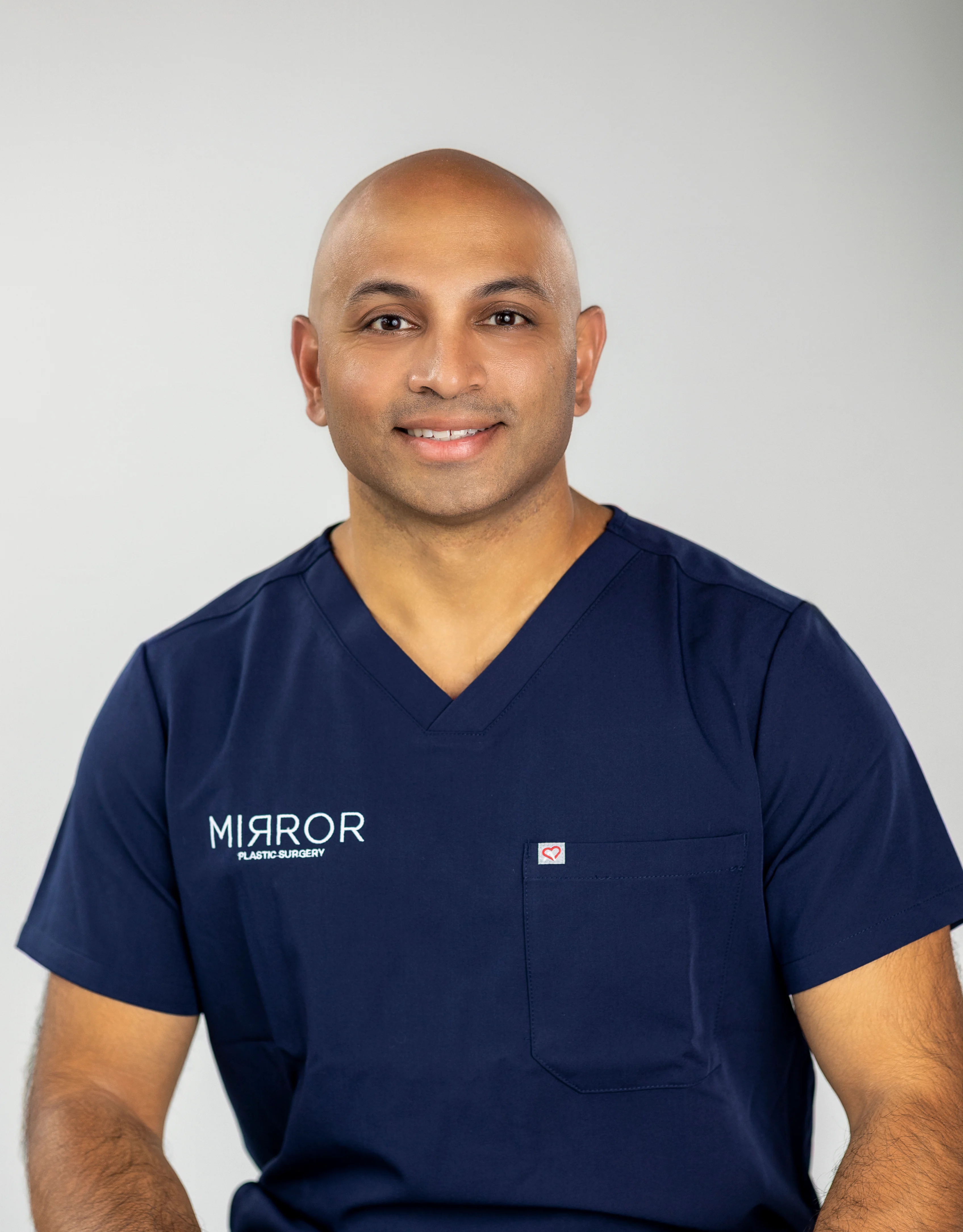
At Mirror Plastic Surgery, every treatment plan follows the practice philosophy of safety first, function second, aesthetics third. Dr. Akash Chandawarkar, a Harvard-educated, Johns Hopkins-trained, board-certified plastic surgeon, brings detailed anatomical knowledge to every non-surgical treatment. This level of oversight supports safe, consistent laser hair removal. For more help comparing options in Tampa Bay, see Mirror Plastic Surgery’s guide to the best places for laser hair removal.
Conclusion: Start Your First Session With A Trusted Team
Laser hair removal preparation becomes simple when you follow a clear timeline: stop waxing six weeks out, protect skin from the sun, pause actives one week before, shave 24 hours prior, and arrive with clean skin. The procedure is usually well-tolerated, results build across the 6+ sessions described earlier, and most complications stem from provider inexperience rather than the technology.
Your most important choice is a qualified, physician-led practice that evaluates your skin type, selects the right device, and designs a plan around your anatomy and goals.
Mirror Plastic Surgery is located at 780 4th Ave S, St. Petersburg, FL 33701. Reach the team by phone at 727-361-6515 or by email at hello@mirrorplasticsurgery.com.
If you feel ready to move forward, schedule your laser hair removal consultation with Ellie and receive a tailored treatment plan from a board-certified plastic surgeon.
Frequently Asked Questions
What Do I Wish I Knew Before Laser Hair Removal?
Many patients wish they had fully understood the typical 6–8 session commitment spaced weeks apart and had screened their provider more carefully. Burns, scarring, and poor results almost always trace back to operator inexperience or mismatched equipment. Knowing that results build gradually across multiple sessions, and that treated hair sheds over 1–3 weeks instead of vanishing immediately, helps prevent frustration and keeps you on track.
Why Am I More Hairy After Laser Hair Removal?
This response is called paradoxical hypertrichosis. Low-energy laser stimulation can sometimes trigger finer, denser hair growth instead of reduction. It occurs in roughly the 3% rate mentioned earlier, most often on the face and neck in women with darker skin tones (Fitzpatrick III–VI) or hormonal conditions such as PCOS. The exact mechanism remains unclear, but skilled providers lower the risk by using appropriate fluence and wavelength for your skin. If you notice increased hair growth after treatment, contact your provider promptly so they can adjust the plan.
How Long Until I Can Shower After Laser Hair Removal?
You can shower the same day, but avoid hot water on the treated area for 24–48 hours. Use lukewarm water and a gentle, fragrance-free cleanser. Skip hot baths, saunas, steam rooms, and swimming pools for at least 48 hours to reduce irritation and infection risk. Heat and friction in the first two days can worsen redness and swelling, so keeping the area cool and clean matters most.
Can I Shave Between Laser Hair Removal Sessions?
You can shave between sessions, and providers usually encourage it. Shaving is the only hair removal method that keeps the follicle intact for the next treatment. Waxing, plucking, threading, sugaring, and depilatory creams disturb or remove the hair root and remove the melanin target the laser needs. If hair grows back between visits, shave it and avoid any root-removal method until your full series is complete.
Is Laser Hair Removal Safe For All Skin Tones?
Laser hair removal can be safe for all skin tones when the provider uses the correct equipment and settings. Modern Nd:YAG lasers (1064 nm) work well for Fitzpatrick types IV–VI because their longer wavelength passes more selectively past epidermal melanin and reaches the follicle without overheating the surface. Diode lasers (800–810 nm) suit types II–V. Alexandrite lasers (755 nm) work best for lighter types I–III and carry higher risk on darker tones. The key is choosing a provider with the right platform, experience adjusting settings for your skin, and a commitment to patch testing before your first full session.
Disclaimer: Results may vary from person to person. Editorial content, before and after images, and patient testimonials do not constitute a guarantee of specific results.
1 Results may vary from person to person. Editorial content, before and after images, and patient testimonials do not constitute a guarantee of specific results.