
Written by: Dr. Akash Chandawarkar, Board Certified Plastic Surgeon, Mirror Plastic Surgery | Last updated: September 9, 2026
Why Medication Prep Matters For Laser Hair Removal Safety
Laser hair removal uses concentrated light energy to target melanin in the hair follicle, convert that energy to heat, and disable the follicle’s ability to regrow hair. The process stays precise when the surrounding skin is in a baseline, non-sensitized state.
Photosensitizing drugs lower the skin’s burn threshold, which makes erythema, blistering, and post-inflammatory pigment change more likely, even when the laser operates at standard settings.1 The FDA maintains plain-language guidance on medications that increase skin sensitivity to light and notes that skin that overreacts to sunlight will also overreact to concentrated laser energy.
The scope of medication prep spans prescription medications, over-the-counter drugs, supplements, and topical products. Each category has its own timeline and risk profile. Patients should coordinate any prescription changes with their prescribing physician, because the goal is careful disclosure and collaboration with your care team.
Step 1: Identify Medications That Require Stopping (With Timelines)
Oral Isotretinoin (Accutane): The Six-Month Label And Real-World Practice
Isotretinoin can impair wound healing, increase skin fragility, and raise the risk of scarring and pigment change from laser procedures.1 The FDA-approved labeling for Absorica instructs patients to avoid cosmetic procedures, including laser procedures, while taking isotretinoin and for at least six months after stopping it.
The clinical picture is more nuanced than a simple six-month rule. A 2017 systematic review in JAMA Dermatology (Spring et al.) found that the traditional six- to twelve-month avoidance rule was based largely on small case series from the 1980s, and the panel found insufficient evidence to delay laser hair removal, superficial peels, and fractional nonablative laser procedures. The American Society for Dermatologic Surgery (ASDS) Guidelines Task Force concluded there is insufficient evidence to justify delaying laser hair removal for patients currently taking or recently exposed to isotretinoin. This conclusion applies to Nd:YAG, diode, and alexandrite lasers. Fully ablative resurfacing and mechanical dermabrasion still warrant a longer wait.
A consensus paper does not amend the FDA label. A procedure-specific plan must explicitly reconcile the label with the exact procedure, evidence, skin condition, and scar history. This approach replaces a blanket rule with a documented, individualized assessment. At Mirror Plastic Surgery, Dr. Akash performs this type of assessment and weighs the FDA label against current evidence and your skin’s condition on the day of treatment.
Photosensitizing Antibiotics: The Seven To Fourteen Day Window
The FDA lists doxycycline, tetracycline, ciprofloxacin, levofloxacin, ofloxacin, and trimethoprim as known photosensitizing antibiotics that can make skin more reactive to laser energy. These medications absorb UVA light and significantly lower the skin’s burn threshold, which increases the risk of burns, blistering, scarring, and permanent pigment change.1
Common examples include:
- Tetracyclines: doxycycline, minocycline, tetracycline
- Fluoroquinolones: ciprofloxacin, levofloxacin, ofloxacin
- Sulfonamides: trimethoprim-sulfamethoxazole (Bactrim)
The standard recommendation is to wait at least two full weeks after the last dose of oral antibiotics before laser hair removal, though depending on the drug and duration of use, providers may recommend waiting longer, such as for long-term doxycycline use for acne versus a short course for a UTI. Never cut an antibiotic course short for a cosmetic appointment, because doing so can contribute to antibiotic resistance and incomplete treatment of the underlying infection. If you have recently started antibiotics, finish the full prescribed course and reschedule your laser session.
Topical Retinoids And Acids: The Five To Seven Day Pause
- Prescription retinoids: tretinoin (Retin-A), adapalene, tazarotene
- Over-the-counter retinol
- Exfoliating acids: glycolic acid (AHA), salicylic acid (BHA)
- Benzoyl peroxide
Reintroduction should wait until post-treatment redness has fully settled, which typically occurs three to ten days after the session.
Blood Thinners And Antiplatelet Medications: Proceed With Coordination
Aspirin, NSAIDs, antiplatelet agents, and anticoagulants can increase bruising, purpura, or bleeding risk during laser procedures, but this is often a relative contraindication rather than an automatic reason to discontinue therapy. Common agents include warfarin (Coumadin), clopidogrel (Plavix), apixaban (Eliquis), and rivaroxaban (Xarelto).
Any interruption of anticoagulant or antiplatelet medication requires authorization from the prescribing clinician, because stopping anticoagulation can create serious thrombotic risk. For laser hair removal, your laser provider and prescribing physician should coordinate on the safest approach. That plan may include adjusted settings or proceeding with close monitoring while you remain on the medication.
Other Photosensitizing Medications: NSAIDs, Antidepressants, And Diuretics
Moderate-risk photosensitizing agents include some antidepressants, certain diuretics such as hydrochlorothiazide, and some NSAIDs. Specific examples include:
- NSAIDs: ibuprofen, naproxen
- SSRIs: sertraline (Zoloft), fluoxetine (Prozac), escitalopram (Lexapro), paroxetine, citalopram
- Tricyclic antidepressants: amitriptyline, nortriptyline
- Diuretics: hydrochlorothiazide
These medications usually require settings adjustment rather than treatment deferral. Disclose all of them to your provider so they can determine the safest approach for you.
Step 2: Plan Your Pain Management Strategy
A clear pain plan keeps you comfortable and safe. Acetaminophen (Tylenol) does not affect bleeding and is generally acceptable for pain relief before laser treatment.
Ibuprofen requires more caution. NSAIDs such as ibuprofen, naproxen, and ketoprofen are common photosensitizing medications that can increase skin sensitivity to light, which can turn a normally safe light-based treatment into one that causes burns, blistering, or lasting pigment changes. In addition, aspirin, ibuprofen, and fish oil increase bruising risk and should be discontinued five to seven days before treatment if health allows.
Given these risks, most patients do not need oral pain medication at all before laser hair removal. Modern laser systems incorporate built-in cooling technology, and topical numbing cream is available for sensitive areas such as the bikini line, underarms, or face. Discuss pain management with your provider instead of self-medicating before your appointment.
Step 3: Handle Special Cases And Medication Nuances
Beyond the common medications, certain situations need extra attention. These special cases often involve prevention strategies or careful coordination rather than stopping treatment.
Antivirals For Cold Sore Prevention
Patients with a history of cold sores (herpes simplex virus type 1) who are treating the upper lip or face may be prescribed prophylactic antiviral medication, typically valacyclovir (Valtrex) 500 mg twice daily, starting one to two days before treatment and continuing for five to seven days afterward, to prevent laser-triggered outbreaks that could lead to scarring or prolonged healing. This approach serves as a preventive measure and does not represent a contraindication.
Antidepressants: Coordinate, Do Not Stop Alone
SSRIs and tricyclic antidepressants are categorized as moderate-risk photosensitizers whose effect depends on dose, duration, and individual response. Continue antidepressants unless your prescribing doctor advises a change. Inform your laser provider so they can adjust settings or take appropriate precautions. Photosensitizing antidepressants include citalopram, escitalopram, fluoxetine, fluvoxamine, paroxetine, sertraline, clomipramine, imipramine, and venlafaxine.
Methotrexate And Immunosuppressants
Methotrexate can impair wound healing in experimental animal studies and suppress immune responses, yet low-dose clinical use does not increase postoperative wound complications. Discuss your use of methotrexate or other immunosuppressants with your provider before scheduling treatment. They may recommend delaying treatment if there is active infection or concern about healing capacity.
Hormonal Medications And Hair Growth Patterns
Hormonal medications such as birth control pills, hormone therapy, and spironolactone do not make laser hair removal unsafe, but they influence hair growth patterns and can affect how quickly areas clear and how much maintenance they need.1 These medications shape treatment outcomes and the number of sessions required rather than serving as contraindications.
Step 4: Compile Your Complete Disclosure List
Thorough disclosure at every visit keeps your treatment safe as your health and medications change. Screening for medications and supplements should occur at every session, not just at intake, because changes in prescriptions, over-the-counter drugs, or supplements can shift skin reactivity.
Your disclosure list should include:
- All prescription medications, both current and recently stopped
- Over-the-counter drugs, including NSAIDs, antihistamines, and sleep aids
- Herbal supplements, and especially St. John’s wort, a classic photosensitizing herb
- Supplements that increase bleeding risk, such as fish oil, vitamin E, garlic, ginkgo, and ginseng
- Gold-based supplements, which are a permanent contraindication due to chrysiasis risk
- Topical products used on the treatment area
At Mirror Plastic Surgery, Dr. Akash reviews your full medical history before every treatment to support your safety. Schedule your personalized medication review with Ellie to begin your assessment and laser hair removal plan.
Step 5: Complete Your General Pre-Treatment Preparation
Simple preparation steps improve both safety and results for each session.
- Shave the treatment area 24 hours before your appointment, and avoid waxing, plucking, or threading, because these methods remove the hair root and eliminate the laser’s melanin target.
- Avoid self-tanning products and deliberate UV tanning for four to six weeks before laser hair removal, because excess epidermal melanin competes with follicular melanin and increases the risk of burns or hyperpigmentation.
- Arrive with clean, product-free skin, with no lotions, deodorants, makeup, or self-tanners on the treatment area.
- Avoid alcohol for 24 hours before laser hair removal, because alcohol can cause vasodilation and increase skin sensitivity during treatment.
- Avoid intense exercise on the day of treatment, because elevated body temperature can affect laser interaction.
Red Flags: Situations That Call For Rescheduling
Certain conditions make treatment less safe and warrant postponing your appointment. Contact your clinic if any of the following apply, because each can increase the risk of burns, scarring, or ineffective treatment:
- Active acne, infection, or open lesions in the treatment area
- Recent sunburn or fresh tan, including self-tanner, on the treatment area
- A new medication started since your last session that has not been reviewed by your provider
- Any new skin irritation, rash, or inflammation in the treatment area
- Recent waxing, plucking, or threading in the treatment area
Safety, Risks, And Why Physician-Led Care Matters
Laser hair removal is safe for the vast majority of patients, yet medication interactions can transform a routine treatment into a risky one. Photosensitizing medications can increase the risk of burns, blistering, post-inflammatory hyperpigmentation, prolonged redness, and delayed healing even when laser treatment is performed correctly at standard settings.1
Unlike generic med-spa content that simply provides lists, a physician-led practice offers individualized clinical judgment. Dr. Akash’s surgical training at Johns Hopkins and fellowship training at the Manhattan Eye Ear & Throat Hospital mean he brings a surgeon’s understanding of skin anatomy, wound healing, and complication management to every laser consultation. Mirror Plastic Surgery’s concierge model limits procedures to allow ample time with each patient, which supports thorough medication review instead of a cursory checklist.
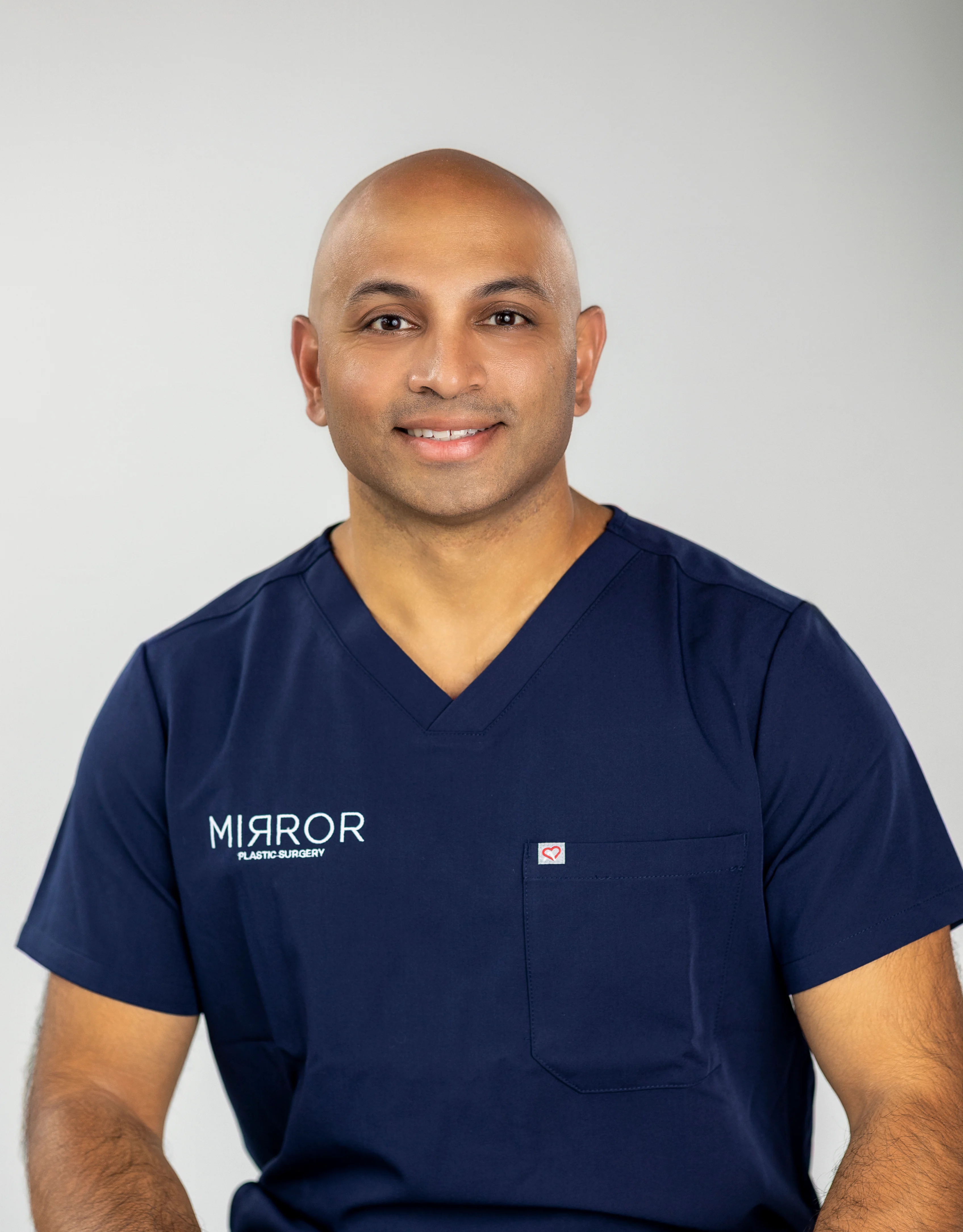
For a personalized assessment of your medication list and laser hair removal candidacy, request your consultation with Ellie at Mirror Plastic Surgery.
Practical Takeaways: Your Medication Prep Checklist
- Follow the FDA label for Accutane, or work with your provider on a documented, evidence-based assessment of timing.
- Stop photosensitizing antibiotics such as doxycycline or ciprofloxacin at least seven to fourteen days before treatment, and always complete the full course.
- Pause topical retinoids and exfoliating acids for five to seven days before treatment on the area being treated.
- Continue blood thinners or anticoagulants unless your prescribing doctor explicitly approves a change.
- Use acetaminophen (Tylenol) for pain management, and avoid NSAIDs like ibuprofen unless your provider clears them.
- Disclose all medications, supplements, and herbal remedies, including St. John’s wort, fish oil, vitamin E, garlic, and ginkgo.
- Continue antidepressants unless your prescribing doctor advises otherwise, and inform your laser provider so settings can be adjusted.
- Shave 24 hours before treatment, avoid sun exposure and tanning, and keep the skin product-free on treatment day.
- Reschedule if you have active infection, sunburn, fresh tan, or have started a new medication without provider review.
Frequently Asked Questions
Can I Take Ibuprofen Before Laser Hair Removal?
Ibuprofen and other NSAIDs can increase both photosensitivity and bruising risk before laser hair removal. They lower the skin’s threshold for light-induced reactions and may also impair platelet function, which increases the likelihood of bruising in the treatment area. Acetaminophen (Tylenol) is the safer choice for pain management before laser hair removal. If you regularly take ibuprofen for a medical condition, inform your provider and coordinate with your prescribing physician. Most patients do not require any oral pain medication before treatment, because modern laser systems include built-in cooling and topical numbing cream for sensitive areas.
Do I Need To Stop Antidepressants Before Laser Hair Removal?
Continue antidepressants unless your prescribing doctor recommends a change. Abruptly discontinuing antidepressants carries serious medical risks that outweigh any laser-related concern. Some antidepressants, including tricyclics like amitriptyline and nortriptyline and SSRIs like sertraline, fluoxetine, and escitalopram, have documented photosensitizing potential. These medications are categorized as moderate-risk agents, and providers usually manage them with adjusted laser settings rather than treatment deferral. Disclose all antidepressants to your laser provider at every session so they can make an individualized decision about settings and precautions.
How Long Before Laser Hair Removal Should I Stop Accutane?
As detailed in Step 1, the FDA label recommends avoiding laser procedures during isotretinoin therapy and for at least six months after stopping. A 2017 JAMA Dermatology review and ASDS guidance suggest that laser hair removal may be possible sooner with a procedure-specific assessment. Work with your provider on a documented plan that reconciles the label, current evidence, your skin’s condition, your scarring history, and the specific laser being used.
What Pain Meds Can I Take Before Laser Hair Removal?
Acetaminophen (Tylenol) is generally safe before laser hair removal and does not affect bleeding or photosensitivity. Avoid NSAIDs such as ibuprofen (Advil, Motrin) and naproxen (Aleve) unless your provider specifically clears them, because they can increase both photosensitivity and bruising risk. Aspirin has the strongest platelet inhibition of common pain relievers and should only be continued or adjusted under medical guidance. Most patients do not need oral pain medication, since modern laser platforms include cooling systems and topical numbing cream for sensitive areas. Discuss your pain management questions with your provider before your appointment.
Can I Take Blood Thinners Before Laser Hair Removal?
Only adjust blood thinners under the direct supervision of your prescribing physician. Anticoagulants such as warfarin (Coumadin), apixaban (Eliquis), and rivaroxaban (Xarelto), as well as antiplatelet agents like clopidogrel (Plavix), increase bleeding and bruising risk during laser treatment. Stopping these medications without medical authorization can create serious thrombotic risk, including stroke or blood clot, that far exceeds any bruising concern. For laser hair removal, blood thinners are often a relative contraindication. Your laser provider and prescribing physician should communicate directly to decide whether treatment can proceed safely and what precautions or settings adjustments are appropriate.
Your Safety Is Our Priority
Medication prep forms the foundation of a safe laser hair removal experience. The core principles stay consistent: disclose everything, follow specific timelines, coordinate prescription changes with your prescribing doctor, and choose a provider who has the clinical depth to individualize your care instead of applying a generic protocol.
Mirror Plastic Surgery was built on the principle that safety comes first, function second, and aesthetics third. Dr. Akash Chandawarkar’s board-certified plastic surgeon perspective, combined with Mirror’s concierge approach to patient care, means your medication history receives the same rigorous attention as every other part of your treatment plan. This physician-led model creates a level of safety that high-volume med-spas often cannot match.
Start your safety-first consultation with Ellie at Mirror Plastic Surgery and experience the standard of care that a surgeon-led practice provides.
Disclaimer: Results may vary from person to person. Editorial content, before and after images, and patient testimonials do not constitute a guarantee of specific results.
1 Results may vary from person to person. Editorial content, before and after images, and patient testimonials do not constitute a guarantee of specific results.