
Written by: Dr. Akash Chandawarkar, Board Certified Plastic Surgeon, Mirror Plastic Surgery | Last updated: September 9, 2026
What This Dermal Filler Guide Covers
- How dermal fillers work in real life, including results, maintenance, and skin benefits
- Area-by-area value breakdown for lips, cheeks, under-eyes, folds, jawline, and chin
- Real risks, how to avoid “pillow face,” and when filler is not the right choice
- Cost factors over time and how to plan for ongoing treatment
- How to choose a safe, anatomy-focused provider in St. Petersburg, FL
Dermal Filler Pros And Cons: The Honest Breakdown
Dermal fillers rank among the most common nonsurgical aesthetic procedures worldwide, with more than 5.5 million filler procedures performed globally in 2023 alone. That popularity reflects real, visible results. It also means the market includes providers with very different levels of training and experience. Clear pros and cons help you decide whether filler fits your goals and comfort level.
Pros:
- Immediate results visible right after a 30–60 minute appointment1
- Minimal downtime, with most patients returning to normal activities the same day1
- Reversibility for most hyaluronic acid fillers if adjustment is needed
- Customizable treatment based on your facial anatomy and aesthetic goals
- Biostimulatory fillers like Radiesse can stimulate collagen for longer-term skin improvement1
- Injection-site studies show up to a 12-fold increase in type I procollagen gene expression, so certain fillers can actively improve skin quality over time1
Cons:
- Temporary results that need maintenance every 6–18 months depending on the area1
- Cumulative cost over years of touch-ups
- Common side effects such as bruising, swelling, and redness for several days
- Rare but serious risks including vascular occlusion and tissue necrosis
- Risk of an unnatural, overfilled appearance when dosing or placement is off
According to Dr. Akash Chandawarkar, board-certified plastic surgeon at Mirror Plastic Surgery, “Most complications and poor outcomes stem from inadequate anatomical knowledge or overfilling, not from the filler itself. A surgeon’s understanding of facial layers makes treatment both safer and more precise.”
Schedule an anatomy-based filler consultation at Mirror Plastic Surgery to see which, if any, fillers match your goals.
Is Filler Worth It For Your Target Area? An Area-By-Area Analysis
The value of filler changes by facial area. Longevity, risk, and impact on facial balance all vary, so the “worth it” answer depends on where you treat.
| Area | Typical Visible Longevity | Key Consideration |
|---|---|---|
| Lips | 6–12 months | Highest maintenance frequency due to constant movement |
| Cheeks | 12–24 months | Strong long-term value; MRI data shows filler may persist far longer |
| Under-Eyes (Tear Trough) | 9–12+ months | Requires exceptional skill; highest proportional filler expansion on MRI |
| Nasolabial Folds | 6–12 months | Often works best with midface volume support |
| Jawline / Chin | Up to 12 months | Strong psychological well-being data; excellent for facial balance |
Lips: Lip filler is often worth it for enhancing shape and volume.1 The high movement in this area means results fade fastest, so most patients plan for one or two touch-ups each year.
Cheeks: Cheek filler is a strong choice for restoring age-related volume loss.1 Thicker, more cross-linked products placed deep against bone tend to hold structure longest. A 2026 MRI-based study by Issa et al. in Plastic and Reconstructive Surgery Global Open found detectable filler volume averaging 2.8 times the amount initially injected, with filler visible up to 15 years post-injection. This suggests cheek filler can persist far beyond its marketed window.
Under-Eyes (Tear Trough): Under-eye filler can be worth it for hollows when performed by a highly skilled injector.1 The same MRI study also highlighted the tear trough as the area with the greatest proportional increase in filler thickness (mean 7.17 ± 3.06 mm), likely due to tight fibrovascular tissue and low subcutaneous fat. Conservative dosing here is essential.
Nasolabial Folds: Filler softens deep creases around the mouth.1 Many patients see the best results when treatment also restores volume in the midface, which reduces the fold from above instead of only filling the line.
Jawline And Chin: Filler in the jawline and chin often delivers high satisfaction by improving facial balance.1 A 2026 evidence-based review in JPRAS Open found that filler studies show the most consistent psychological and social benefit when treatment targets identity-defining areas such as the chin and lower face.
Dr. Akash’s philosophy centers on a full-face assessment before treating any single area. Isolated injections without this context can create imbalance, which his approach aims to avoid.
The Real Cost: What Dermal Fillers Actually Cost Over Time
Dermal filler cost includes more than the price of a single syringe. Product type, number of syringes, treatment area, injector expertise, and geographic region all influence what you pay.
Areas that move constantly, such as the lips and nasolabial folds, usually need more frequent touch-ups. Structural areas like cheeks and jawline often hold visible results longer, which can reduce yearly cost. Planning over a one to two year horizon gives a clearer picture of your true investment.
At Mirror Plastic Surgery, each patient receives a personalized quote after a thorough consultation. Treatment plans focus on what your anatomy actually needs instead of preset packages or quotas.
Request your transparent dermal filler cost estimate from Mirror Plastic Surgery and build a realistic maintenance plan.
Dermal Filler Risks And Side Effects: What You Need To Know
Dermal fillers carry real risks, and understanding them helps you choose both the right provider and the right plan. Most patients experience only mild, short-term effects, but serious complications can occur when technique or anatomical knowledge falls short.
Common side effects include bruising, swelling, and redness, which typically resolve within days.
Rare but serious risks include:
- Vascular occlusion, or a blocked blood vessel
- Tissue necrosis, which is tissue death from compromised blood supply
- Vision changes, which are extremely rare and linked to injection near specific vessels
A 2026 expert review by Alizadeh et al. in Plastic and Reconstructive Surgery Global Open concluded that most problems labeled as migration or pillow face arise from practitioner inexperience, poor technique, or excessive product use. Confirmed filler migration was rare, with only 2 out of 27 lip augmentation patients treated solely with gels showing documented migration across a decade-long review.
Questions worth asking any provider before treatment:
- Are you board-certified, and in what specialty?
- How do you handle complications if they arise?
- What type of filler do you recommend and why?
- What is still in my face from previous treatments?
- What is the least product that achieves the result I want?
These questions help you gauge a provider’s anatomical expertise and judgment. Dr. Akash’s surgical training gives him a distinct advantage in answering them and in both avoiding and managing complications. His guiding principle is clear: safety first, function second, aesthetics third.
Do Fillers Age You Over Time? Addressing The “Pillow Face” Concern
Many patients worry that fillers will eventually make them look older. The concern is legitimate, because overfilled faces can look puffy, distorted, and aged. Facial overfilled syndrome is preventable1. The 2026 Alizadeh et al. review defines it by puffiness, high-volume cheeks at rest, an unnatural smile, depressed temples, and reduced perioral mobility.
What causes it: Overfilling to chase an unnatural look is the most common trigger. Repeated treatments that ignore residual filler already in the tissue can compound the problem. Inadequate anatomical knowledge increases the risk further. “Perception drift” also plays a role, where repeated injections slowly shift a patient’s sense of what looks normal.
The prevention strategy:
- Choose a conservative injector who prioritizes natural contour restoration
- Time touch-ups based on visible fading of results instead of a fixed calendar
- Use the least amount of product that achieves the goal
- Consider biostimulatory fillers like Radiesse that support your own collagen rather than only adding volume
Dr. Akash’s approach focuses on restoring natural contours. He revitalizes your inherent facial characteristics first, then considers volume augmentation only after that foundation looks balanced.
When Dermal Filler Is Not Worth It
Clear guidance includes knowing when filler does not serve you. Filler is a poor fit in several situations.
- You expect permanent results
- Your main concern is significant skin laxity that responds better to surgery or skin-tightening devices
- You are not prepared to invest in periodic maintenance
- You have unrealistic expectations about what volume alone can achieve
- You have medical conditions that make filler unsafe, which your provider should screen for carefully
Dr. Akash tells patients directly when a procedure is not the right solution. That honesty forms the foundation of long-term patient relationships at Mirror Plastic Surgery.
How To Choose The Right Provider: The Most Important Decision
The injector’s expertise has the greatest impact on whether filler feels worth it. Very low pricing, such as under $400 per syringe, often signals inexperience or questionable product, although price alone never proves quality.
Depth of anatomical knowledge creates the real difference. A board-certified plastic surgeon understands facial layers, blood supply, and tissue planes at a surgical level, which supports safer and more precise injections than most non-surgical injectors can offer.
At Mirror Plastic Surgery, Dr. Akash personally performs every injection. His credentials set a standard that high-volume clinics rarely match: Harvard-educated, Johns Hopkins-trained, board-certified by the American Board of Plastic Surgery, and fellowship-trained at Manhattan Eye Ear & Throat Hospital. He serves on advisory boards for Merz Aesthetics and Tiger Aesthetics, keeping him current on injectable advances. Consultations at Mirror can run up to an hour so your anatomy, goals, and history are fully understood before any syringe is opened.
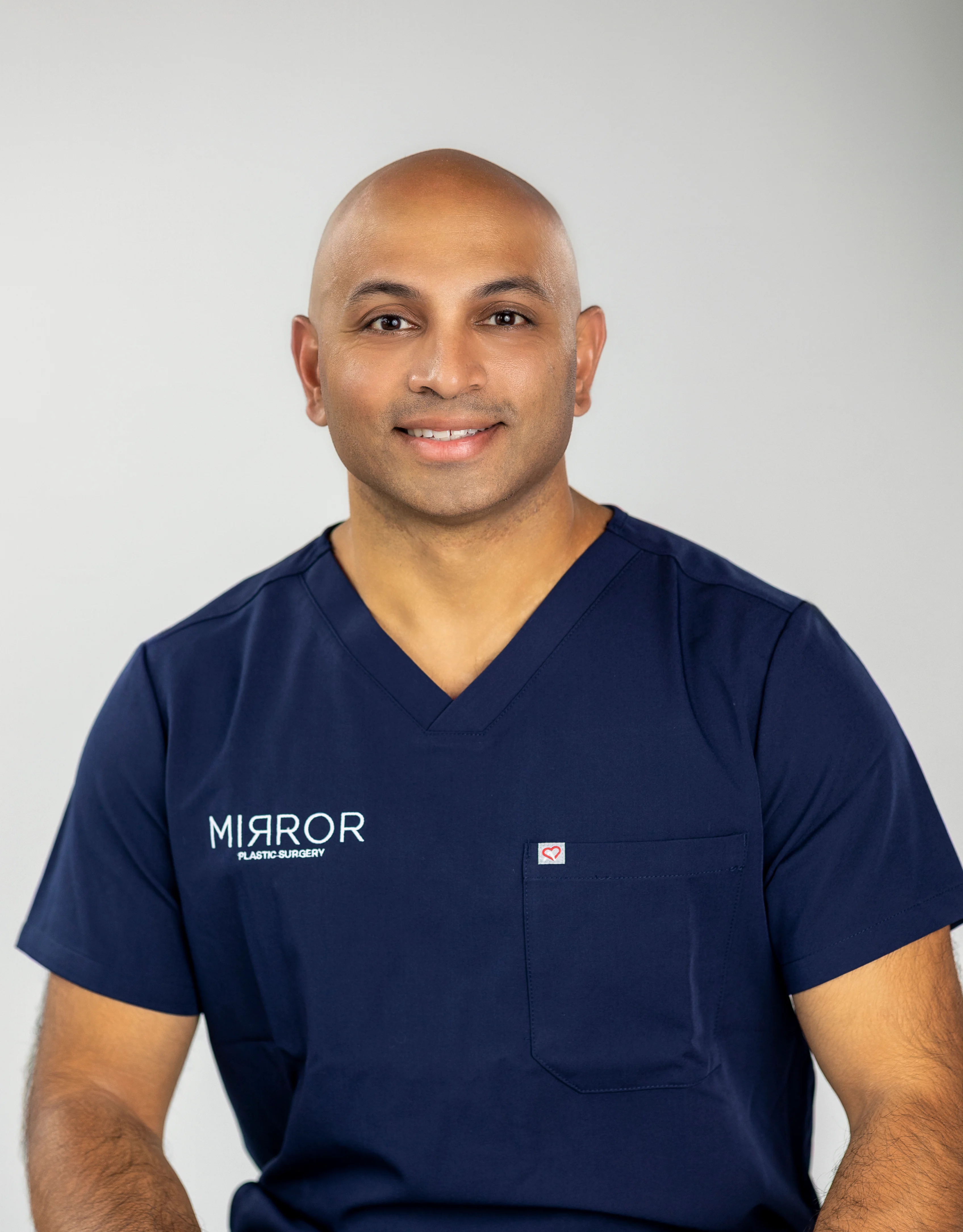
Schedule your personalized filler consultation with Dr. Chandawarkar and experience a careful, anatomy-first approach.
Alternatives To Dermal Fillers
Dermal filler is one tool among many for facial rejuvenation. Your anatomy and goals may point to a different or combined approach.
- Neuromodulators (Botox, Dysport, Daxxify, and others): Best for dynamic wrinkles caused by muscle movement
- Energy-Based Skin Tightening: Radiofrequency, ultrasound, and laser treatments address laxity that filler cannot correct
- Resurfacing Treatments: Microneedling and similar options improve skin texture and tone
- Surgical Options: Facelifts and related procedures remain the standard for significant laxity and structural change
A comprehensive consultation at Mirror Plastic Surgery helps determine whether fillers, other modalities, or a combination will best support your long-term goals.
The Bottom Line: Is Dermal Filler Worth It For You?
Dermal filler is worth it when the right product is placed by the right injector for the right reasons. The decision should follow a thoughtful consultation that reviews your facial structure, aesthetic goals, maintenance comfort level, and whether filler or an alternative truly fits your concerns.
At Mirror Plastic Surgery in St. Petersburg, FL, Dr. Akash Chandawarkar brings Harvard education, Johns Hopkins training, and board certification to every injection he performs. The practice’s concierge model means consultations are not rushed, your anatomy is not treated in isolation, and you are not pressured into procedures that do not serve you.
To explore whether dermal fillers are worth it for your face, call or text 727-361-6515, or visit Mirror Plastic Surgery at 780 4th Ave S, St. Petersburg, FL 33701. Request an honest dermal filler assessment with Mirror Plastic Surgery and receive clear, expert guidance.
Disclaimer: Results may vary from person to person. Editorial content, before and after images, and patient testimonials do not constitute a guarantee of specific results.
1 Results may vary from person to person. Editorial content, before and after images, and patient testimonials do not constitute a guarantee of specific results.