
Written by: Dr. Akash Chandawarkar, Board Certified Plastic Surgeon, Mirror Plastic Surgery | Last updated: September 9, 2026
Key Takeaways
- A thorough consultation at Mirror Plastic Surgery can last up to an hour and includes a full facial evaluation, medical history review, and education on realistic outcomes.
- During treatment, numbing cream and lidocaine-containing fillers help keep discomfort low, with most patients rating pain between 2–4 out of 10 depending on the area.
- Swelling usually peaks within 48 hours, begins to subside by days 3–5, and final results are visible at 2–4 weeks once the filler integrates.1
- Choosing a board-certified plastic surgeon who personally performs every injection supports precise placement, reduces risks, and prioritizes long-term safety.
Schedule a consultation with Ellie to receive a personalized treatment plan and start your dermal filler journey with confidence.
Before The Treatment: What A Proper Consultation Looks Like
The Consultation: A Structured, In-Depth Visit
A thorough dermal filler consultation goes far beyond a quick conversation and a consent form. At Mirror Plastic Surgery, the initial assessment can extend up to an hour. That time focuses on understanding the emotional reasons behind a patient’s desire for treatment and performing a structured top-to-bottom facial evaluation. The visit also includes a medical history review and clear education on facial anatomy and realistic outcomes.
Dr. Akash’s approach examines how volume loss affects the entire face as an interconnected system. He prioritizes safety first, function second, and aesthetics third. This sequence ensures every treatment supports the patient’s long-term well-being rather than a volume target. Standardized photographs are typically taken at this stage to document baseline appearance and guide precise treatment planning.
Questions To Ask Your Provider
Before committing to any injectable treatment, every patient deserves direct answers to key questions:
- What is your training, and how many filler treatments do you perform?
- How do you handle complications like vascular occlusion?
- Which products do you use, and why did you choose them?
- What results are realistic for my facial anatomy?
- How will you customize the treatment to my specific face?
How To Prepare For Your Appointment
Standard pre-treatment preparation reduces the risk of bruising and supports predictable outcomes. To protect your results, follow these steps before your appointment:
- Avoid blood-thinning medications and supplements: stop ibuprofen and naproxen 3–5 days before, and aspirin, fish oil, and vitamin E 7–10 days before treatment.
- Avoid alcohol for 24–48 hours before treatment.
- Arrive with clean, makeup-free skin.
- Wear comfortable clothing with easy access to the treatment area.
- Schedule your visit at least 2 weeks before any major event so swelling can fully subside.
Meet with Ellie to discuss your goals and create a personalized preparation plan before your first appointment.
During The Treatment: A Step-By-Step Walkthrough
Step 1: Cleansing And Numbing
The appointment starts with a thorough cleansing of the skin. A topical numbing cream is then applied and left in place for approximately 15–30 minutes. Most modern fillers, including Juvederm and Restylane, contain lidocaine. This local anesthetic further reduces discomfort as the procedure progresses. Because of this, the first injection is usually the most noticeable, and discomfort tends to decrease as the session continues.
Step 2: Needle Vs Cannula Injection Technique
Depending on the treatment area and the patient’s anatomy, Dr. Akash uses either a fine sharp needle or a blunt-tipped cannula. Needles create a precise puncture at each entry point, while cannulas glide beneath the skin through a single entry point and can produce a deeper, dull pushing sensation. Neither method feels completely painless, and the choice depends on anatomy and treatment goals.
A surgeon’s anatomical expertise becomes crucial at this stage. Precise placement into the correct tissue layer reduces bruising and lowers the risk of vascular complications. It also supports results that look natural rather than constructed. Personalized filler planning accounts for bone structure, skin quality, muscle activity, and facial proportions instead of focusing only on the spot a patient points to in the mirror.
Step 3: What Dermal Filler Injections Feel Like By Area
The exact sensation of a dermal filler injection varies by treatment area, personal pain tolerance, product used, and injector technique. Below is an honest, area-by-area overview:
- Lips (Most Intense): A sharp pinch rated about 4–5 out of 10, due to dense sensory nerve endings.1 Lips rank highest for filler discomfort because of their unusually dense concentration of nerve endings. The sensation is brief but noticeable.
- Cheeks (Moderate): More pressure than pain, usually rated 2–3 out of 10.1 Most patients describe it as brief pinching, fullness, or a strange pushing sensation in the deeper tissues.
- Under-Eyes (Mild To Moderate): A feeling of pressure or a slight sting, rated 2–3 out of 10.1 The skin is thin, so pressure feels more pronounced even though the volume used is small.
- Nasolabial Folds (Moderate): A quick stinging sensation rated around 2–3 out of 10 that passes within seconds.1
- Jawline/Chin (Mild To Moderate): Firm pressure close to bone, typically rated 2–3 out of 10.1 Patients often describe moderate pressure with a brief sting.
Anxiety amplifies pain perception. Patients who arrive knowing what to expect usually report an easier experience than those who feel unprepared.
Step 4: How Long The Procedure Takes
The injections themselves take about 15 to 45 minutes, depending on the areas treated. A single-area treatment usually falls on the shorter end of that range. A full-face treatment, including numbing time, can take up to 45–60 minutes from start to finish. In most cases, the entire appointment runs between 30 and 60 minutes.
Step 5: What You’ll See Immediately After
During the first 48 hours, patients commonly notice tenderness at injection points, redness or pinpoint marks, puffiness, and firm spots or tiny lumps. These changes usually relate to swelling rather than a poor result. Some bruising may also appear. This early phase does not reflect the final outcome. After the injections, Dr. Akash performs gentle molding and shaping to confirm symmetry and contour before the appointment concludes. Once you leave the clinic, the recovery process begins.
After The Treatment: Recovery Timeline And What To Expect
Immediate Aftercare: The First 24–48 Hours
- Apply ice packs in 10–15 minute intervals to reduce swelling.
- Avoid touching, rubbing, or massaging the treated area.
- Skip strenuous exercise, alcohol, and excessive heat, including saunas and hot yoga, for 24–48 hours.
- Sleep with your head elevated on the first night.
- Hold off on makeup over injection sites for at least 24 hours.
How Long Swelling Usually Lasts
Swelling follows a predictable pattern after dermal filler treatment.
- Days 1–2: Swelling peaks, and bruising may appear or deepen in color.
- Days 3–5: Swelling begins to subside, and bruising starts to fade.
- Days 7–10: Most visible side effects resolve.
- Weeks 2–4: Final results become fully apparent.
The “Overfilled” Look And Early Changes
Immediately after injection, hyaluronic acid filler binds water and can create an initial “overfilled” appearance. This effect is temporary. As the filler integrates with surrounding tissue, usually within 1–2 weeks, the exaggerated look settles. Many first-time patients describe this as a phase where they feel they look different or overly full. Open communication with your provider during this period helps you navigate that adjustment.
When Final Dermal Filler Results Appear
For hyaluronic acid fillers such as Juvederm and Restylane, final results are visible at about 2–4 weeks once swelling has fully resolved.1 Biostimulatory fillers like Radiesse act as collagen stimulators, providing immediate volume while continuing to improve over several months as the body’s own collagen production increases. Results from Radiesse can last 12–18 months or longer.1
Ask Ellie during a consultation which filler type best suits your anatomy and goals.
Safety And Red Flags: When To Call Your Doctor
Dermal Filler Safety At A Glance
Dermal fillers rank among the most commonly performed aesthetic procedures in the United States, with over 4.3 million treatments recorded annually. When a qualified physician with deep anatomical expertise performs the injections, fillers carry a strong safety profile. A 2023 review in the Aesthetic Surgery Journal found that physician-injected hyaluronic acid fillers showed a satisfaction rate above 80% in patients followed for 12 months, with serious adverse events in less than 0.1% of cases when trained physicians used proper anatomical technique. Hyaluronic acid fillers offer an additional safety advantage because hyaluronidase can dissolve them if needed. Biostimulatory fillers like Radiesse cannot be dissolved in the same way, so product selection and precise placement matter from the outset.
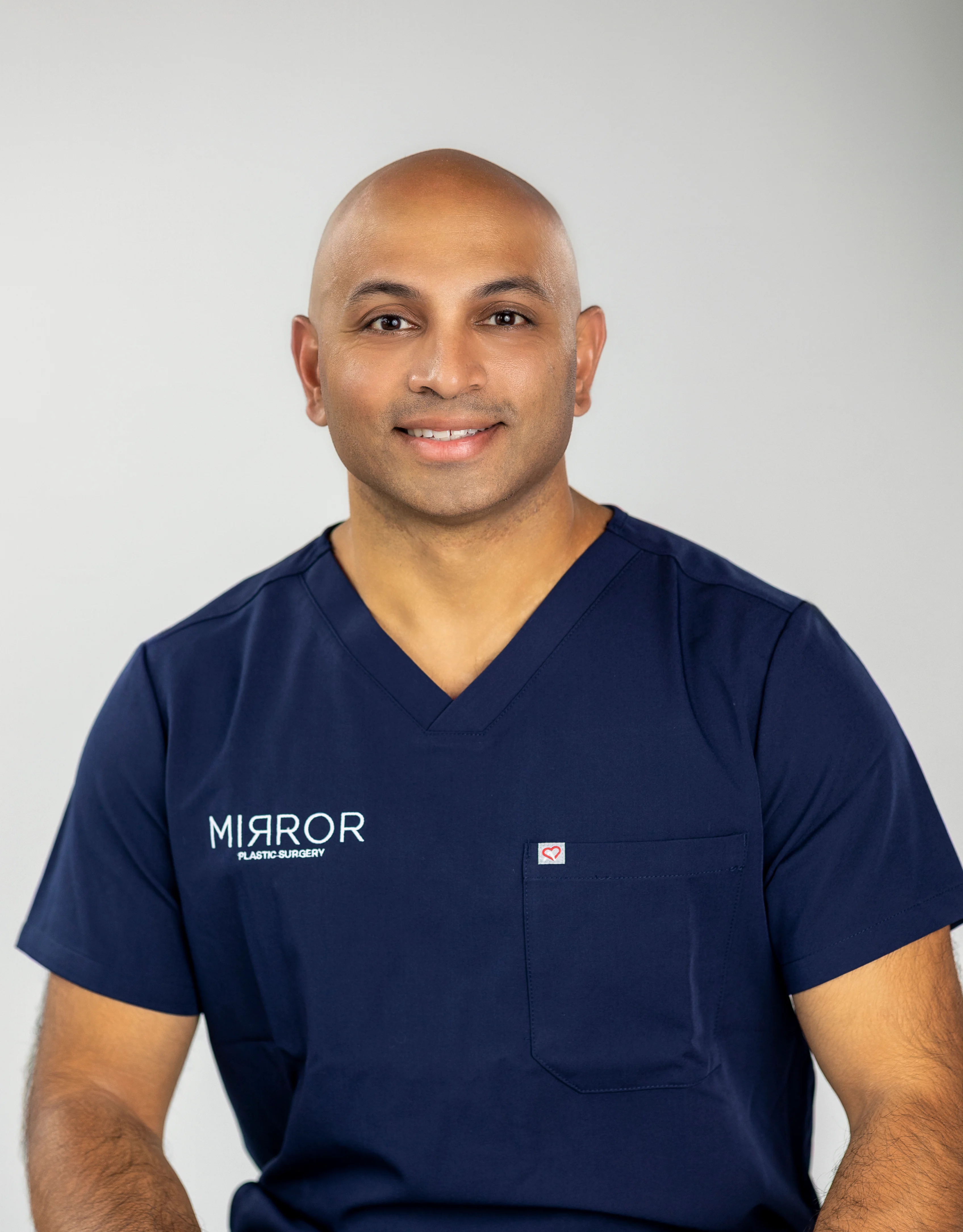
At Mirror Plastic Surgery, every injectable treatment is performed by Dr. Akash Chandawarkar, a board-certified plastic surgeon with fellowship training in aesthetic surgery at MEETH/Lenox Hill Hospital and advisory board membership with Merz Aesthetics, the maker of Radiesse. His expertise forms the foundation of the practice’s safety standards.
Red Flags That Need Immediate Care
- Severe pain disproportionate to the treatment area
- Skin blanching, mottling, or unusual discoloration such as white, blue, or dusky patches
- Vision changes or sudden severe headache
- Signs of infection, including fever, increasing redness, warmth, or pus
While physical red flags require prompt attention, the emotional adjustment after fillers also deserves preparation.
Managing Expectations: The Emotional Side Of Recovery
The psychological adjustment that follows a filler treatment is real and often overlooked. Seeing a reflection that looks fuller or different, even for a short time, can feel unsettling. Most swelling and bruising resolves within 1–2 weeks, with final results visible by weeks 2–4. As discussed earlier, the temporary “overfilled” appearance can trigger worry, even when the treatment is on track.
If any aspect of the result still concerns you after that window, open communication with your provider is the right next step. Fillers are temporary, and maintenance is usually needed every 6–18 months depending on the product and area treated. Thoughtful adjustments over time help keep your results aligned with your goals.
Frequently Asked Questions About Dermal Filler Treatment
How Long Does Swelling Last After Fillers?
Swelling typically peaks at 24–48 hours after treatment and begins to subside by days 3–5. Most visible side effects resolve within about 7–10 days. As noted in the recovery timeline, final results are best evaluated at 2–4 weeks, once the filler has integrated with surrounding tissue and all swelling has settled.
Do Fillers Hurt?
Most patients rate overall discomfort at about 2–4 out of 10.1 As detailed in the treatment walkthrough, lip injections feel most intense and can briefly reach 4–5 out of 10. Other areas, including cheeks, jawline, nasolabial folds, and under-eyes, usually stay in the 2–3 out of 10 range. Topical numbing cream applied before the procedure, combined with lidocaine in most modern fillers, significantly reduces discomfort as the session progresses. Patients who understand the process ahead of time usually describe the experience as more manageable.
What Should I Avoid Before Dermal Fillers?
To minimize bruising before dermal filler treatment, patients should avoid blood-thinning medications and supplements such as aspirin, ibuprofen, alcohol, fish oil, and vitamin E, with recommended avoidance periods commonly at least 3–5 days for ibuprofen, 7–10 days or longer for aspirin, fish oil, and vitamin E, and 24–48 hours for alcohol. Arrive with clean, makeup-free skin. Schedule your appointment at least 2 weeks before any major event so swelling has time to resolve. Share your full medical history, including any history of cold sores, autoimmune conditions, or recent dental work, during your consultation.
Can I Dissolve Fillers If I Don’t Like Them?
Hyaluronic acid fillers, including Juvederm and Restylane, can be dissolved with hyaluronidase, an enzyme injected directly into the treated area. This option allows correction of placement or adjustment if a patient feels unhappy with the result. Biostimulatory fillers like Radiesse do not dissolve with hyaluronidase. This difference highlights why product selection and precise placement by a qualified physician matter from the start.
How Long Do Fillers Last?
Longevity varies by product, area treated, and individual metabolism. Lip fillers typically last 6–12 months because constant mouth movement accelerates breakdown.1 Cheek and jawline fillers generally last 12–24 months.1 Biostimulatory fillers like Radiesse often last 12–18 months or longer, as they stimulate the body’s own collagen production in addition to providing immediate volume.1 Your provider will develop a personalized maintenance schedule based on how your body responds over time.
Knowledge As The Foundation Of A Confident Experience
Clear preparation reduces anxiety, and realistic expectations help prevent disappointment. The injector’s skill, anatomical knowledge, product expertise, and commitment to safety shape both the safety and the natural look of the result. Choosing a board-certified plastic surgeon who personally performs every injectable treatment, spends up to an hour understanding your goals and anatomy, and prioritizes your long-term well-being can transform the entire experience. That is the standard at Mirror Plastic Surgery.
Book Your Dermal Filler Consultation Today
Mirror Plastic Surgery offers a concierge approach to injectable treatments that differs from high-volume aesthetic clinics. Dr. Akash Chandawarkar personally performs every dermal filler treatment and brings a board-certified plastic surgeon’s command of facial and subdermal anatomy to every syringe placed. Each new patient receives a comprehensive, top-to-bottom facial assessment, an honest discussion of what treatment can and cannot accomplish for their specific anatomy, and a personalized plan built around safety, function, and natural aesthetics.
Start your dermal filler journey with a consultation at Mirror Plastic Surgery and take the first step toward results grounded in expertise, transparency, and genuine care for your long-term outcome.
Disclaimer: Results may vary from person to person. Editorial content, before and after images, and patient testimonials do not constitute a guarantee of specific results.
1 Results may vary from person to person. Editorial content, before and after images, and patient testimonials do not constitute a guarantee of specific results.