
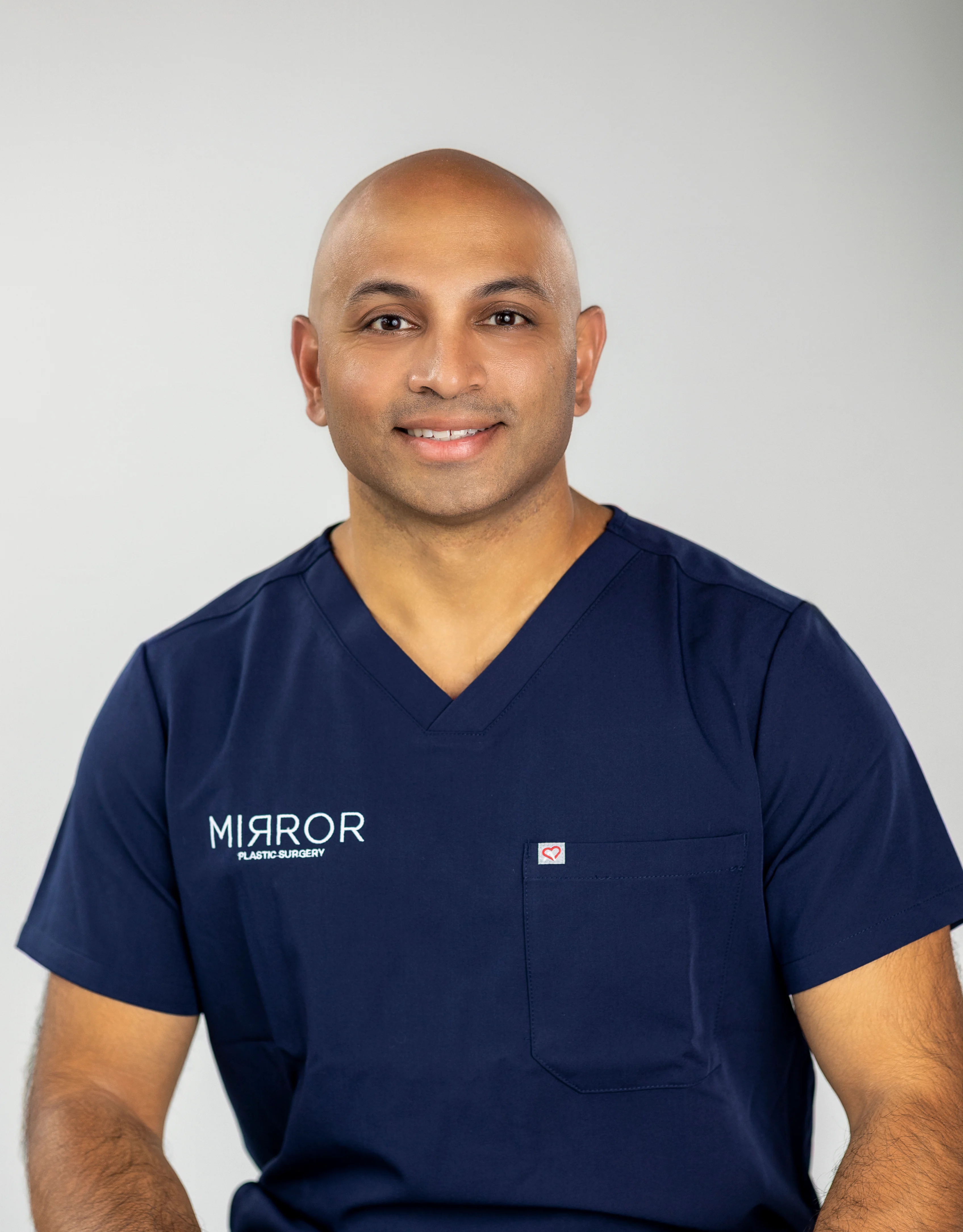
Written by: Dr. Akash Chandawarkar, Board Certified Plastic Surgeon, Mirror Plastic Surgery | Last updated: September 9, 2026
What to Avoid After Dermal Fillers
Proper aftercare in the first 48 hours shapes how your fillers settle and how long they last.1 Here are the key restrictions to follow.
- Avoid touching or massaging the area for 24–48 hours
- Skip strenuous exercise for at least 48 hours
- Stay away from excessive heat such as saunas, steam rooms, and hot yoga for 48 hours
- Hold alcohol for at least 24–48 hours
- Pause non-prescribed blood-thinning supplements like aspirin, ibuprofen, and fish oil
- Skip makeup on injection sites for 24 hours
- Sleep on your back with your head elevated for the first 1–3 nights
- Delay facials, peels, and laser treatments for 2 weeks
- Postpone elective dental work for 1–2 weeks, especially after lip or cheek filler
- Consider delaying air travel for at least 1 week if possible
- For personalized aftercare guidance from Dr. Akash Chandawarkar, schedule your consultation at Mirror Plastic Surgery.
Immediate Restrictions: The First 24–48 Hours
The first two days are the most critical window, when filler is most vulnerable to displacement and complications.1 Each restriction below protects your results and your safety.
Keep Hands Off the Treated Area
Filler needs time to integrate with surrounding tissue. Pressing, rubbing, or massaging can displace the product before it settles, which can cause asymmetry or lumps. This includes resting your face on your hand, aggressive face-wiping, and facial massage tools. For the first 24 hours, avoid any manipulation of the treated area so the filler can integrate properly.
Delay Strenuous Exercise
Exercise increases heart rate, blood flow, and body temperature, which can contribute to swelling and bruising in the first 24 to 48 hours after dermal fillers. This creates three distinct risks: fluid retention, vascular pressure from blood pressure spikes, and mechanical stress from intense facial expressions that can displace unintegrated filler. Light walking is fine. Save the HIIT class for day three.
Steer Clear of Excessive Heat
Heat raises skin temperature and dilates blood vessels, increasing swelling and potentially affecting how the filler settles. Saunas, steam rooms, hot tubs, hot yoga, and very hot showers all cause vasodilation. Keep showers lukewarm for the first 48 hours.
Skip the Alcohol
Alcohol dilates blood vessels and thins the blood, which can turn minor injection points into prominent bruises. It also dehydrates you, and filler attracts and retains water. Waiting at least 24–48 hours before drinking supports smoother healing and better results.
Pause Blood-Thinning Medications and Supplements
Aspirin, ibuprofen, fish oil, high-dose vitamin E, ginkgo biloba, and garlic supplements all have blood-thinning effects and should be avoided for at least several days after filler. Never stop a prescribed blood thinner without your doctor’s approval. In those cases, the bruising trade-off is worth the cardiovascular protection.
Hold Off on Makeup for 24 Hours
Avoiding makeup over injection sites for at least 24 hours reduces the risk of introducing bacteria into micro-puncture wounds. Makeup also requires pressure to apply, which can irritate the area. After 24 hours, use clean brushes and a light touch.
Sleep on Your Back With Your Head Elevated
A U-shaped travel neck pillow or a wedge pillow with side pillows keeps the head centered and reduces pressure on treated areas while sleeping. Lying flat increases fluid pooling in the face and worsens swelling. Sleeping face-down or on your side applies direct pressure that can displace filler before it stabilizes. Normal sleeping positions are generally fine after approximately 72 hours once the filler has integrated sufficiently.
Extended Restrictions: Days 3–14
Once the first 48 hours pass, you can relax some restrictions, but new ones take their place. As swelling subsides, filler continues to integrate, and several activities still need to wait.
Postpone Facials, Peels, and Laser Treatments
Facials, facial massage, microneedling, peels, and similar procedures should be delayed until the provider confirms the tissue has settled, typically after the first few weeks. Chemical peels, microdermabrasion, and laser treatments are too aggressive for recently treated skin. Laser treatment directly over the injected product should be avoided for up to 30 days.
Avoid Harsh Skincare Ingredients
Retinoids should be paused for 48 hours after dermal fillers, and active skincare ingredients such as retinol, AHA, and BHA should be avoided for 1 week after treatment. During this period, stick to gentle cleansers and basic moisturizers.
Delay Non-Urgent Dental Work
Elective dental procedures should be postponed for approximately two weeks before and after dermal filler treatment to minimize irritation and inflammation. Dental procedures involve stretching the mouth and manipulating the lips and cheeks, which are common filler sites.
Protect Against Sun Exposure
Broad-spectrum SPF is non-negotiable after dermal fillers because newly treated skin is more susceptible to UV-induced inflammation, and post-treatment hyperpigmentation is a real risk if sun protection is neglected. Avoid direct sun and tanning beds for the first week, and wear SPF 30+ daily thereafter.
Consider Delaying Air Travel
Flying within 24–48 hours of dermal filler treatment is generally not recommended due to pressurised cabins and low humidity, which dehydrate the skin and can exacerbate swelling; for longer-haul travel, most practitioners advise waiting a minimum of two weeks. When travel is unavoidable, hydrate well and avoid tight sleep masks or neck pillows that press on treated areas.
Area-Specific Aftercare: Lips, Cheeks, Under-Eyes, and Jawline
Aftercare varies by area. Each injection site has unique anatomy that shapes what you should and should not do.
Lip Fillers: Avoid Straws, Kissing, and Hard Foods
The lips are highly vascular and constantly moving, which makes them prone to swelling and bruising. For the first 24–48 hours, lip filler patients should avoid kissing, straws, spicy foods, and very hot beverages. Skip hard or chewy foods that require exaggerated mouth movements. Patients with a history of cold sores should inform their injector before lip filler, as injections can trigger an outbreak of herpes simplex. Ask about preventative antiviral medication. Learn more about lip augmentation at Mirror Plastic Surgery.
Cheek Fillers: Sleep on Your Back
Sleeping face-down or on your side for the first 48 hours after cheek filler can physically displace the filler before it stabilizes and contribute to asymmetric swelling. Sleep on your back for the first 1–2 weeks. Facial massage, gua sha tools, and jade rollers should be avoided for four weeks until the filler has fully integrated. Explore dermal fillers at Mirror Plastic Surgery to learn more about cheek treatment options.
Under-Eye Fillers: Handle With Extra Care
The under-eye area has the thinnest skin on the face. For under-eye fillers, patients should avoid rubbing eyes and wearing heavy glasses due to thin tear trough skin prone to swelling. Sleep elevated for the first 1–2 nights and expect bruising to resolve within 7–10 days; final results may take up to 2 weeks. Avoid frequent bending over or heavy lifting, which increases pressure in the area.
Jawline and Chin Fillers: Mind Your Collars and Shaving
For cheek and jawline fillers, patients should avoid side-sleeping, tight helmet straps, and facial rollers to allow volumizers to integrate undisturbed. Take care when shaving or applying makeup along the jawline. Tight collars or anything that rubs the treated area can displace filler in the early days.
Request personalized aftercare guidance from Dr. Chandawarkar based on your specific treatment areas.
What If I Made a Mistake? Troubleshooting Common Slip-Ups
Even with careful aftercare, slip-ups happen. A single slip like accidentally side-sleeping or drinking wine rarely ruins results, but patients should monitor for unusual asymmetry or swelling. Here is what to do in the most common scenarios.
I Accidentally Drank Alcohol
One glass of wine may increase swelling or bruising but usually does not ruin your results. Apply a cold compress wrapped in a clean cloth, stay hydrated, and monitor the area. If swelling seems excessive or persists beyond a few days, call the clinic.
I Slept Face-Down
Filler displacement from sleeping position tends to happen when sustained pressure is applied repeatedly, not from a single incident. Check for asymmetry or pain in the morning. If you notice anything unusual, contact your provider.
I Exercised Too Soon
If you worked out the same day as your filler appointment, stop immediately, cool down, avoid massaging the area, monitor for unusual swelling or asymmetry, keep your head elevated, and contact your injector if you notice visual irregularities or excessive throbbing. Rest, apply cold compresses, and keep an eye on the area.
I Wore Makeup Before 24 Hours
One application of makeup is unlikely to cause infection if your skin looks clean and healthy. Wash gently with a mild cleanser and keep the area clean going forward. Watch for unusual redness, warmth, or pus, which are signs of infection that warrant a call to your provider.
Timeline of Healing: What to Expect Day by Day
The healing timeline after dermal fillers follows a predictable pattern: days 0–1 show redness, tenderness, mild swelling, and entry-point bumps; days 1–3 swelling and bruising peak; day 7 most visible swelling resolves; day 14 tissue settles to reveal the true baseline.1
- Days 1–2: Swelling peaks, bruising may appear, and the area feels tender. Your face may look “overfilled,” which is normal and temporary.1
- Days 3–7: Swelling subsides noticeably. Bruising fades. The filler begins to settle, and you may notice asymmetry as one side heals faster than the other.
- Days 7–14: Most visible swelling resolves. The filler integrates with tissue, and firmness softens.
- Weeks 2–4: Final results become visible at 2–4 weeks, with lips possibly retaining mild swelling for up to four weeks.1 Assess symmetry and volume at the two-week mark, which is when touch-up decisions should be made.
When to Call Your Doctor: Red Flags
Vascular occlusion is rare, with reported incidences below 0.1%, but the risk is markedly higher in the glabella, forehead, and nose due to direct anastomoses with the ophthalmic artery, which can lead to skin necrosis or permanent vision loss. Certain symptoms require immediate medical attention, so contact your provider or seek emergency care right away.
- Severe or escalating pain disproportionate to the procedure
- Skin blanching (white patches) or dusky, mottled, or blue-gray discoloration
- Vision changes, including blurring, double vision, or vision loss
- Difficulty breathing or neurological symptoms
- Signs of infection: fever, warmth, increasing redness, or pus
- Skin that feels cold to the touch
Mirror Plastic Surgery is available for any concern and encourages you to reach out rather than worry at home. Reach us at 780 4th Ave S, St. Petersburg, FL 33701, by phone at 727-361-6515, or by email at hello@mirrorplasticsurgery.com.
Frequently Asked Questions
Patients often share similar questions about filler aftercare. These answers reinforce the guidance above and help you plan your recovery.
How Long Does It Take for Fillers to Settle?
Most visible swelling resolves within 7–10 days, but full settling, when the filler integrates with tissue and reaches its final look, takes about two weeks.1 Lips may retain mild swelling for up to four weeks. The two-week mark is the standard checkpoint for assessing results and deciding whether a touch-up is appropriate.
Can I Get a Facial 5 Days After Fillers?
Facials should wait at least two weeks after filler. Massage, heat, and active ingredients can disrupt settling filler and increase the risk of displacement or irritation. As noted earlier, confirm timing with your injector before rescheduling any facial or skin treatment.
Can I Drink Coffee After Fillers?
Coffee is generally fine after dermal fillers. Most providers recommend avoiding hot coffee for the first 24–48 hours to reduce swelling and bruising, and some also advise limiting caffeine for the first 24 hours. After that, your regular coffee routine can resume. The “no coffee” rule some patients have heard is associated with neuromodulators, not dermal fillers.
When Can I Wear Makeup After Fillers?
Wait at least 24 hours to allow injection sites to close and reduce the risk of introducing bacteria. After that window, use clean brushes and apply with a light touch, avoiding rubbing or pressing on treated areas. For lip filler specifically, hold off on lipstick for the full 24 hours.
Can Fillers Move After 3 Days?
Filler migration from normal daily activity is uncommon. Clinical guidance confirms that most reported migration is linked to practitioner technique rather than patient behavior. By day three, the filler has begun to integrate but remains somewhat malleable. Avoid aggressive pressure, facials, and strenuous exercise for the full two weeks to minimize any risk of movement.
Book Your Consultation
To learn more about dermal filler aftercare or to schedule a consultation with Dr. Akash Chandawarkar at Mirror Plastic Surgery in St. Petersburg, FL, call 727-361-6515 or text us today. Dr. Chandawarkar’s board-certified expertise in facial anatomy means every recommendation, from injection technique to aftercare, is grounded in surgical precision and a commitment to natural, balanced results.
Schedule your personalized consultation
Disclaimer: Results may vary from person to person. Editorial content, before and after images, and patient testimonials do not constitute a guarantee of specific results.
1 Results may vary from person to person. Editorial content, before and after images, and patient testimonials do not constitute a guarantee of specific results.