

Written by: Dr. Akash Chandawarkar, Board Certified Plastic Surgeon, Mirror Plastic Surgery | Last updated: September 9, 2026
Key Takeaways
- Dermal filler recovery usually includes swelling, bruising, and redness that peak within 24 to 48 hours and fade over one to two weeks. Final results appear between two and four weeks.1
- Immediate aftercare focuses on cold compresses, head elevation, and avoiding strenuous exercise, alcohol, and blood-thinning medications for 48 hours to limit swelling and bruising.
- Recovery varies by area. Lips swell the most and settle in about two weeks, cheeks can take up to three to four weeks, and under-eye fillers may bruise for up to two weeks.
- Patients should watch for skin blanching, severe pain, vision changes, or infection signs and seek urgent medical care if these symptoms appear.
- Choosing an experienced, board-certified plastic surgeon supports safer, more precise results. Schedule your personalized consultation with Mirror Plastic Surgery today.
What To Expect Immediately After Dermal Fillers
Immediately after injection, patients commonly experience swelling, redness, tenderness, and small bumps at injection sites, along with mild tightness, slight stinging, or warmth. These sensations reflect a normal inflammatory response and usually do not signal a problem.
Swelling typically peaks within the first 24 to 48 hours and then gradually improves. Bruising, when it appears, is more likely in areas with thinner skin or more blood vessels and can range from light discoloration to darker patches. Most patients resume light daily activities almost immediately, while strenuous exercise should wait at least 48 hours.
A high-level dermal filler recovery timeline looks like this:
- Day 0–1: Swelling, redness, and possible bruising
- Day 2–3: Bruising may appear or peak, swelling begins to subside
- Day 4–7: Noticeable improvement, most visible side effects resolving
- Week 2: Most side effects resolved, filler begins to settle
- Weeks 3–4: Final results visible as filler fully integrates
Dermal Filler Recovery Timeline: Day By Day
Day 0–1: Immediate Aftercare Steps
Apply a cold compress wrapped in a clean cloth for 10 to 15 minutes immediately after treatment, then every 30 to 60 minutes for the rest of the day. Never place ice directly on the skin because this can cause frostbite or paradoxical inflammation.
To minimize swelling and bruising, avoid touching or massaging the treated area and sleep with your head elevated. Skip alcohol and strenuous exercise for at least 48 hours.
Day 2–3: Swelling And Bruising Peak
Bruising may change color from purple to yellow or green as it resolves, which reflects a normal healing pattern. Continue cold compresses during this period for comfort.
Many patients consider arnica supplements to support bruise resolution. Avoid blood-thinning medications such as aspirin and ibuprofen unless your physician approves them, as NSAIDs thin the blood and can worsen bruising.
Day 4–7: Noticeable Improvement
By one week after dermal filler injections, most visible side effects are gone and the filler starts to settle fully, with results appearing more refined and balanced. Many patients feel comfortable returning to social events at this stage.
Light activity usually feels fine, but postpone intense workouts and facial treatments such as facials or microdermabrasion until your provider clears you.
Week 2: The Settling Phase
By week two, most side effects have resolved and the filler begins to integrate with surrounding tissue. Results look smoother and more natural.
Final results should not be judged on day one because swelling can temporarily make the treated area look fuller or puffier than intended. Week two offers a more accurate preview of your outcome.
Weeks 3–4: Final Results
Final results become visible at two to four weeks as residual swelling resolves and the product settles.1 At this stage, contours usually appear soft, balanced, and natural.
If you notice asymmetry or have questions about your results, schedule a follow-up visit with your injector for a detailed assessment.
Area-Specific Recovery For Lips, Cheeks, And Under-Eyes
Each treatment area heals a little differently. The anatomy, blood supply, and tissue density of the lips, cheeks, and under-eyes create distinct recovery patterns.
24–48 hours10–14 days2 weeks24–48 hours7–10 days3–4 weeks24–48 hoursUp to 2 weeks2 weeks
| Area | Swelling Peak | Most Side Effects Resolved | Final Results |
|---|---|---|---|
| Lips | |||
| Cheeks | |||
| Under-Eyes (Tear Trough) |
Lip Filler Recovery Day By Day
Lip swelling after filler is often more pronounced than in other areas because the lips have a rich blood supply and are highly vascular. Expect lips to feel puffy and firm during the first few days.
Avoid straws, kissing, and exaggerated puckering for the first 24 to 48 hours. Choose soft foods and skip very spicy or salty items that can irritate the area. Lip filler bruising typically fades within 5 to 10 days.
Cheek Filler Recovery Time
For most patients, the bulk of cheek filler swelling resolves within 7 to 10 days, while minor residual swelling can persist for up to 3 to 4 weeks, especially in patients who swell easily or receive a larger volume of filler. Cheeks often feel subtly firm during this period.
Sleep on your back when possible and avoid tight headbands or anything that applies prolonged pressure to the cheeks.
Under-Eye (Tear Trough) Filler Recovery
Under-eye filler is delicate and may swell or bruise more than other areas, with bruising resolving within 7 to 10 days and final results taking up to 2 weeks to show. Mild puffiness can linger during this time.
Sleep with your head elevated, avoid rubbing your eyes, and apply eye makeup gently throughout recovery.
Dermal Filler Aftercare: Do’s And Don’ts
- Do apply a cold compress wrapped in a clean cloth for the first 24 hours to reduce swelling.
- Do keep your head elevated while sleeping for the first two to three nights.
- Do take arnica supplements to minimize bruising, as recommended by your provider.
- Do stay hydrated.
- Don’t exercise strenuously for at least 48 hours, because raised heart rate and blood pressure increase swelling and bruising.
- Don’t consume alcohol for 24 to 48 hours, as alcohol widens blood vessels and thins the blood, which amplifies swelling and bruising.
- Don’t take blood-thinning medications such as aspirin or ibuprofen unless your physician approves them.
- Don’t expose treated areas to excessive heat, including saunas, steam rooms, or tanning beds, for at least one week.
- Don’t massage or press on the treated area unless your provider specifically instructs you to do so.
- Don’t schedule facials, chemical peels, laser treatments, or microneedling for at least two weeks after treatment.
For skincare, an international expert consensus in the Journal of Cosmetic Dermatology recommends avoiding retinoids and acids, including glycolic, lactic, and salicylic acid, on treatment day and during the first week of aftercare because of irritation risk. Ceramides, hyaluronic acid serums, and broad-spectrum SPF 30 or higher remain safe and helpful.
When To Call Your Doctor: Red Flags
Most post-filler side effects stay mild and resolve on their own. A small number of complications, however, require immediate medical attention, so recognizing them quickly matters.
Contact your injector right away or go to the emergency room if you experience any of the following:
- Skin blanching or white patches near the injection site, which can signal vascular occlusion, the most serious filler emergency
- Severe, escalating pain that feels out of proportion to the procedure
- Dusky, mottled, or purple discoloration that follows a blood vessel pattern rather than the injection site
- Vision changes, blurred vision, eye pain, or any sudden visual disturbance, since these symptoms represent a vision-threatening emergency that needs emergency department care
- Fever or signs of infection, such as increasing redness, warmth, swelling, or pus developing 48 or more hours after treatment
- Difficulty breathing or swallowing
Delay is the single biggest driver of permanent harm in serious dermal filler complications. Vascular occlusion is time-sensitive, and every hour of reduced blood flow increases the risk of irreversible tissue damage. At Mirror Plastic Surgery, Dr. Chandawarkar’s surgical expertise and deep anatomical knowledge support rapid recognition and precise management of complications.
Long-Term Recovery And Results
Final results usually appear between two and four weeks after treatment.1 Dermal fillers often last between 6 and 18 months, depending on the product, treatment area, and individual metabolism.1 Dr. Chandawarkar serves on the advisory board for Merz Aesthetics, which produces the biostimulatory filler Radiesse, although the manifesto does not specify its duration of effect.
Many patients wonder whether repeated filler use causes premature aging. A 2026 systematic review in Aesthetic Plastic Surgery found that routine, appropriately placed dermal fillers do not automatically cause premature aging. The main risks involve chronic over-volumization, repeated high-volume treatment, and complications such as migration or tissue distortion. A conservative, anatomy-first approach, which reflects Dr. Chandawarkar’s philosophy, helps avoid these outcomes.
Hyaluronic acid fillers used at Mirror Plastic Surgery are generally reversible with hyaluronidase. However, the degree and ease of reversal depend on the specific filler’s technology and cross-linking. More resistant fillers may require multiple or higher-dose treatments (comparison of hyaluronidase-mediated degradation kinetics of commercially available hyaluronic acid fillers in vitro).
For long-term maintenance, daily SPF 30 or higher and consistent hydration support skin health. Rebooking before results fully fade often requires less product to restore your preferred look.
Book a consultation to design a personalized, long-term treatment plan with Dr. Chandawarkar.
Frequently Asked Questions
How Long Does It Take To Look Normal After Fillers?
Most patients feel presentable within 3 to 5 days as initial swelling settles. The treated area may still look slightly fuller than the final result during the first week.
As noted earlier, most visible side effects fade by the end of week two. Final, fully settled results typically appear between weeks two and four, depending on the area treated and the volume used.
What Is Forbidden After Fillers?
For the first 24 to 48 hours, avoid strenuous exercise, alcohol, heat exposure such as saunas or steam rooms, blood-thinning medications like ibuprofen and aspirin, touching or massaging the treated area, and applying makeup directly over injection sites. Active skincare ingredients, including retinoids, AHAs, BHAs, and high-concentration vitamin C, should be paused for at least 48 to 72 hours.
Facial treatments such as facials, chemical peels, microneedling, and laser procedures should wait at least two weeks.
Can I Exercise After Dermal Fillers?
Light walking usually feels fine on the day of treatment. Strenuous exercise that significantly raises heart rate, blood pressure, or body temperature should wait at least 48 hours.
For higher-volume treatments or more sensitive areas, waiting up to one week before returning to high-intensity workouts is often wise. Exercising too soon can worsen swelling and bruising and may affect how the filler settles.
When Can I Wear Makeup After Fillers?
Most providers recommend waiting at least 24 hours before applying makeup to treated areas because injection sites act as tiny open wounds where bacteria can enter. After 24 hours, mineral or cream-based makeup applied with clean brushes and gentle patting motions is generally safe.
Avoid pressing or rubbing the skin while applying makeup for the first several days.
How Long Do Dermal Fillers Last?
Longevity varies by filler type and treatment area. Hyaluronic acid fillers in the lips typically last 6 to 12 months, while cheek and midface fillers can last 12 to 18 months.1
Biostimulatory fillers such as Radiesse generally last 12 to 18 months, and some patients see results extend to 24 months.1 High-movement areas like the lips metabolize filler faster than lower-movement areas such as the cheeks or temples. Consistent sun protection, hydration, and timely maintenance appointments all support longer-lasting results.
Why Mirror Plastic Surgery For Dermal Fillers
At Mirror Plastic Surgery, every dermal filler injection is performed by Dr. Akash Chandawarkar, a Harvard-educated, Johns Hopkins-trained, board-certified plastic surgeon with fellowship training in aesthetic surgery at the Manhattan Eye Ear And Throat Hospital. His surgical background means each injection reflects a detailed command of facial and subdermal anatomy, which supports both safety and precision compared with high-volume aesthetic clinics.
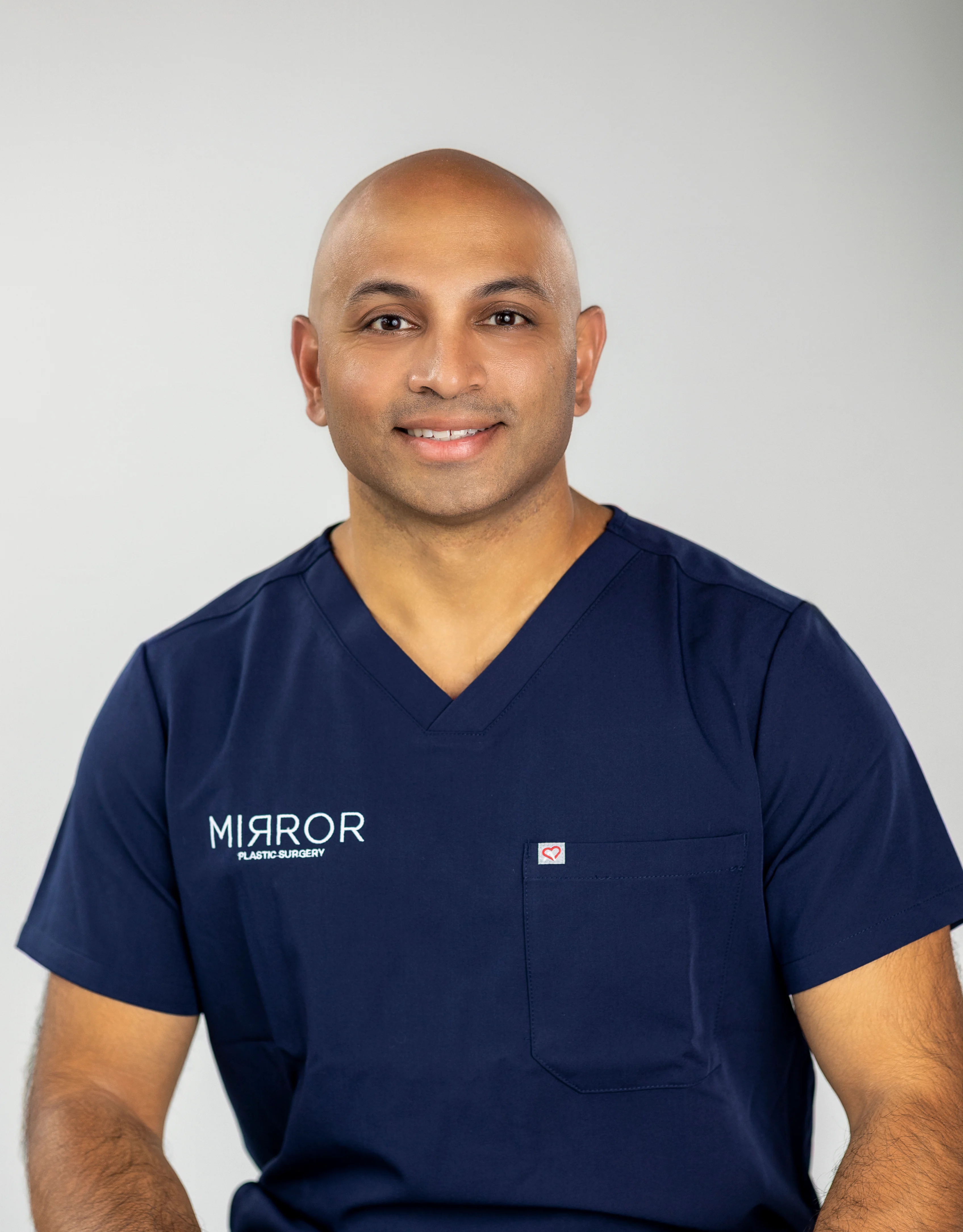
Consultations at Mirror Plastic Surgery can last up to an hour. During this time, Dr. Chandawarkar studies each patient’s anatomy, goals, and emotional motivations before recommending treatment. He is known for his transparency and often advises patients when a procedure is unnecessary, which builds long-term trust and reflects the practice’s concierge approach.
Mirror Plastic Surgery remains supplier-neutral, so product choices are not driven by commission. The team selects the right product for each patient’s anatomy and goals, whether that involves a hyaluronic acid filler from the Juvederm, Restylane, RHA, or Versa families, or a biostimulatory option such as Radiesse or Evolysse.
The practice is located at 780 4th Ave S, St. Petersburg, FL 33701, and serves the greater Tampa Bay area. Patients can call or text 727-361-6515 or email hello@mirrorplasticsurgery.com to reach the team directly.
Book a consultation and experience the Mirror approach in person.
Your Journey To Natural Results
Dermal filler recovery usually follows a predictable, manageable pattern. Most side effects resolve within one to two weeks, and thoughtful aftercare helps you minimize downtime and protect your results.
The most important factor in a safe, natural outcome is choosing an injector who treats you as an individual and brings strong anatomical expertise and clinical judgment to every decision. Mirror Plastic Surgery’s surgeon-led, concierge model provides thorough assessment, honest treatment planning, and attentive follow-up care.
Dr. Chandawarkar’s philosophy of safety first, function second, and aesthetics third guides every injection at the practice. To explore how dermal fillers can enhance your natural features, book a consultation at Mirror Plastic Surgery today. Call or text 727-361-6515 or email hello@mirrorplasticsurgery.com. The practice is located at 780 4th Ave S, St. Petersburg, FL 33701, and proudly serves the St. Petersburg and Tampa Bay area.
Disclaimer: Results may vary from person to person. Editorial content, before and after images, and patient testimonials do not constitute a guarantee of specific results.
1 Results may vary from person to person. Editorial content, before and after images, and patient testimonials do not constitute a guarantee of specific results.


