
Written by: Dr. Akash Chandawarkar, Board Certified Plastic Surgeon, Mirror Plastic Surgery | Last updated: September 9, 2026
Key Takeaways
Before you explore specific filler options, keep these core points in mind:
- Dermal fillers restore volume, smooth static wrinkles, and stimulate collagen production, while Botox targets dynamic wrinkles caused by muscle movement.
- Four FDA-approved filler types exist: HA, CaHA, PLLA, and PMMA. HA is the only fully reversible option.
- Benefits include facial contouring, lip enhancement, hand rejuvenation, and select non-surgical body contouring when used with a whole-face approach.
- Serious risks such as vascular occlusion and Facial Overfilled Syndrome are rare and decrease with board-certified surgeons who have anatomical expertise and on-site reversal protocols.
- At Mirror Plastic Surgery, Dr. Akash Chandawarkar provides personalized, anatomy-first consultations to support safe, natural-looking results.
What Are Dermal Fillers? (And How They Differ From Botox)
Dermal fillers add volume beneath the skin, hydrate surrounding tissue, and stimulate the body’s own collagen production. They treat static wrinkles, which remain visible when your face is at rest, and areas of age-related volume loss.
Neuromodulators such as Botox and Dysport work through a different mechanism, relaxing the muscles responsible for dynamic wrinkles that appear only with facial movement. A practical rule: if a line is present at rest, filler usually addresses it. If it appears only with movement, neuromodulators are more appropriate. Many patients benefit from both, and a 2026 evidence-based review in JPRAS Open found that combining dermal fillers and botulinum toxin may produce broader patient-perceived benefits than either treatment alone.
Dermal fillers are FDA-approved medical devices with a strong safety record when qualified professionals administer them. According to the ASPS 2025 Procedural Statistics Report, dermal fillers represented 30% of all minimally invasive procedures performed in the United States in 2025, reflecting both popularity and an established safety profile in experienced hands.
Types Of Dermal Fillers: A Breakdown Of Your Options
The FDA has approved four main categories of dermal filler material. The right choice depends on the treatment area, desired outcome, and the patient’s skin quality and anatomy. No single product works best for every situation, so a thoughtful surgeon matches the filler to the patient.
| Filler Type | Key Brands | Primary Uses | Duration |
|---|---|---|---|
| Hyaluronic Acid (HA) | Juvederm, Restylane, RHA, Versa, Evolysse | Lips, cheeks, nasolabial folds, jawline, under-eyes | 6–18 months |
| Calcium Hydroxylapatite (CaHA) | Radiesse | Cheek structure, jawline, nasolabial folds, hand rejuvenation | 12–18 months |
| Poly-L-Lactic Acid (PLLA) | Sculptra | Gradual full-face volume restoration, skin quality improvement | Up to 2 years or more |
| Polymethylmethacrylate (PMMA) | Bellafill | Deep nasolabial folds, atrophic acne scars | Permanent (5+ years) |
A closer look at each category:
- Hyaluronic Acid (HA) Fillers: This is the most widely used category, accounting for roughly 80% of all filler procedures in the U.S. HA is a sugar naturally present in skin and connective tissue. When injected as a gel, it adds volume and attracts water. HA is the only filler category that is fully reversible with the enzyme hyaluronidase, which offers a meaningful safety advantage. In March 2026, Restylane Contour received FDA approval for temple hollowing, with clinical data showing natural-looking results lasting up to 18 months and more than 85% of patients considered treatment responders at that mark.1
- Calcium Hydroxylapatite (CaHA) — Radiesse: This biostimulatory filler delivers immediate structural volume and stimulates the body’s own collagen production for long-term tissue improvement. Its density suits cheek structure, jawline definition, and hand rejuvenation, but it does not suit the lips or under-eye area and is not reversible. Dr. Akash Chandawarkar serves on the advisory board for Merz Aesthetics, the maker of Radiesse, and uses it as a cornerstone of non-surgical body contouring including the non-surgical BBL.
- Poly-L-Lactic Acid (PLLA) — Sculptra: This product acts as a collagen stimulator rather than an immediate volume filler. Results build gradually over 3–6 months following a series of 2–3 sessions spaced 4–6 weeks apart, and can last two years or more.1 It suits patients with diffuse facial volume loss who prefer a gradual, natural-looking progression.
- Polymethylmethacrylate (PMMA) — Bellafill: This is the only FDA-approved permanent filler in the U.S., primarily used for deep nasolabial folds and atrophic acne scars. Because results last for many years, provider selection becomes a permanent decision. This product fits practices that emphasize careful patient selection over high-volume turnover.
At Mirror Plastic Surgery, Dr. Akash Chandawarkar works with a wide range of these brands, including Juvederm, RHA, Versa, Restylane, Radiesse, and Evolysse. He selects products based on each patient’s anatomy rather than a one-size-fits-all protocol.
Discuss your filler options with Dr. Akash in a personalized consultation.
The Benefits Of Dermal Fillers: More Than Just Wrinkle Filling
Dermal fillers offer structural and cosmetic benefits that go far beyond softening a single line. When used with a whole-face philosophy, fillers can:
- Restore youthful volume to the cheeks, temples, and midface
- Smooth static wrinkles including nasolabial folds and marionette lines
- Define and contour the jawline and chin
- Enhance lip shape, definition, and hydration
- Rejuvenate the hands, earlobes, and décolleté
- Stimulate collagen production for improved skin quality over time
- Provide non-surgical body contouring, including gluteal enhancement with Radiesse and AlloClae
The psychosocial impact is also significant. The prospective HARMONY trial of 93 patients reported meaningful improvements in psychological well-being (+19.9 points), social confidence (+18.2 points), and aging appearance (+28.5 points) at 4 months after dermal injectable treatment.1
At Mirror Plastic Surgery, treatment planning focuses on revitalizing your inherent facial characteristics first. Volume augmentation comes only after this foundation is addressed. This approach helps avoid the “overdone” look and supports a refreshed, rested version of you.
Side Effects And Risks: What You Need To Know
Dermal fillers carry both common temporary effects and rare but serious risks, so clear discussion of safety remains essential.
Common, temporary side effects include swelling, bruising, redness, tenderness, and itching at the injection site. These typically resolve within 7–14 days.
Rare but serious complications include vascular occlusion, tissue necrosis, and, in exceedingly rare cases involving vessels near the eye, permanent vision loss. A 2026 systematic review in Aesthetic Plastic Surgery found that intra-arterial injection with subsequent necrosis occurs in approximately 0.1–0.3% of filler procedures, and that anatomic injection site, incorrect technique, and filler permanence, rather than injected volume alone, are the main determinants of irreversible injury.
The same 2026 review identifies the glabella and nasal dorsum as the sites most frequently implicated in blindness, while the nasolabial fold and forehead are associated with cerebral embolic events. This finding highlights why injector anatomy knowledge directly affects safety.
Other recognized risks include the Tyndall effect, delayed inflammatory reactions triggered by illness or vaccination, and filler migration in up to 1% of cases. Facial Overfilled Syndrome (FOS), or “pillow face,” results from excessive filler use that distorts facial proportions, with features such as “chipmunk” cheeks and depressed temples. Prevention depends on customized treatment and careful site selection.
The reversibility of HA fillers offers a safety net that other filler types do not provide. However, in the event of vascular occlusion, immediate access to high-dose hyaluronidase is essential. Tissue ischemia begins right away, and relying on a neighboring clinic or pharmacy is clinically negligent. At Mirror Plastic Surgery, emergency protocols and reversal agents remain available on-site.
How To Choose The Right Filler For Your Face
Filler selection functions as a clinical decision, not a simple menu choice. The right product depends on treatment area, skin quality, tissue depth, and long-term goals. A general framework by area includes:
- Lips: Soft, low-viscosity HA fillers for definition, hydration, and natural movement
- Cheeks And Midface: Firmer HA fillers or CaHA for structural lift and volume restoration
- Under-Eyes (Tear Trough): Very soft, thin HA fillers placed precisely by an expert to reduce risk of the Tyndall effect and malar edema. Long-term follow-up of periocular HA filler patients found malar edema in 11% and contour irregularities in 30.5%, mostly mild, which underscores the need for expert technique in this area.1
- Jawline And Chin: Firm HA fillers or CaHA for contouring and definition
- Nasolabial Folds: Versatile HA fillers to smooth deep creases
- Temples: HA fillers such as Restylane Contour, now FDA-approved for this indication
- Non-Surgical BBL: Radiesse and AlloClae for gluteal contouring and cellulite improvement
A laboratory study comparing 18 commercial HA fillers found substantial differences among products and concluded that no single gel suits every facial area or clinical goal. This evidence supports a personalized consultation rather than a fixed treatment menu.
How To Choose A Safe Provider: The Most Important Decision
Provider training and judgment influence filler safety more than brand choice. Research shows that a highly trained provider using one brand will reliably outperform an undertrained provider using another, and that board-certified plastic surgeons and dermatologists receive the most anatomical training.
Provider credentials to look for include board certification in plastic surgery or dermatology, documented training in vascular emergency management, and in-office access to reversal agents. Just as important is knowing what to avoid, because these red flags signal a provider who may not prioritize safety:
- Recommending maximum syringe counts before examining the patient
- Lacking a documented reversal protocol or on-site hyaluronidase
- Offering HA filler below $500 per syringe, which may indicate non-FDA-cleared products
- High-volume “filler mill” practices that prioritize throughput over individualized assessment
- Providers without medical degrees performing injections unsupervised
Dr. Akash Chandawarkar is a Harvard-educated, Johns Hopkins-trained, board-certified plastic surgeon with fellowship training in aesthetic surgery at the Manhattan Eye Ear & Throat Hospital and medical innovation training at Stanford University. He personally performs every injection at Mirror Plastic Surgery, rather than delegating to a nurse or aesthetician. His surgical background provides detailed knowledge of facial and subdermal anatomy that supports safer, more precise injectable treatment. His advisory role with Merz Aesthetics keeps him current on injectable innovation.
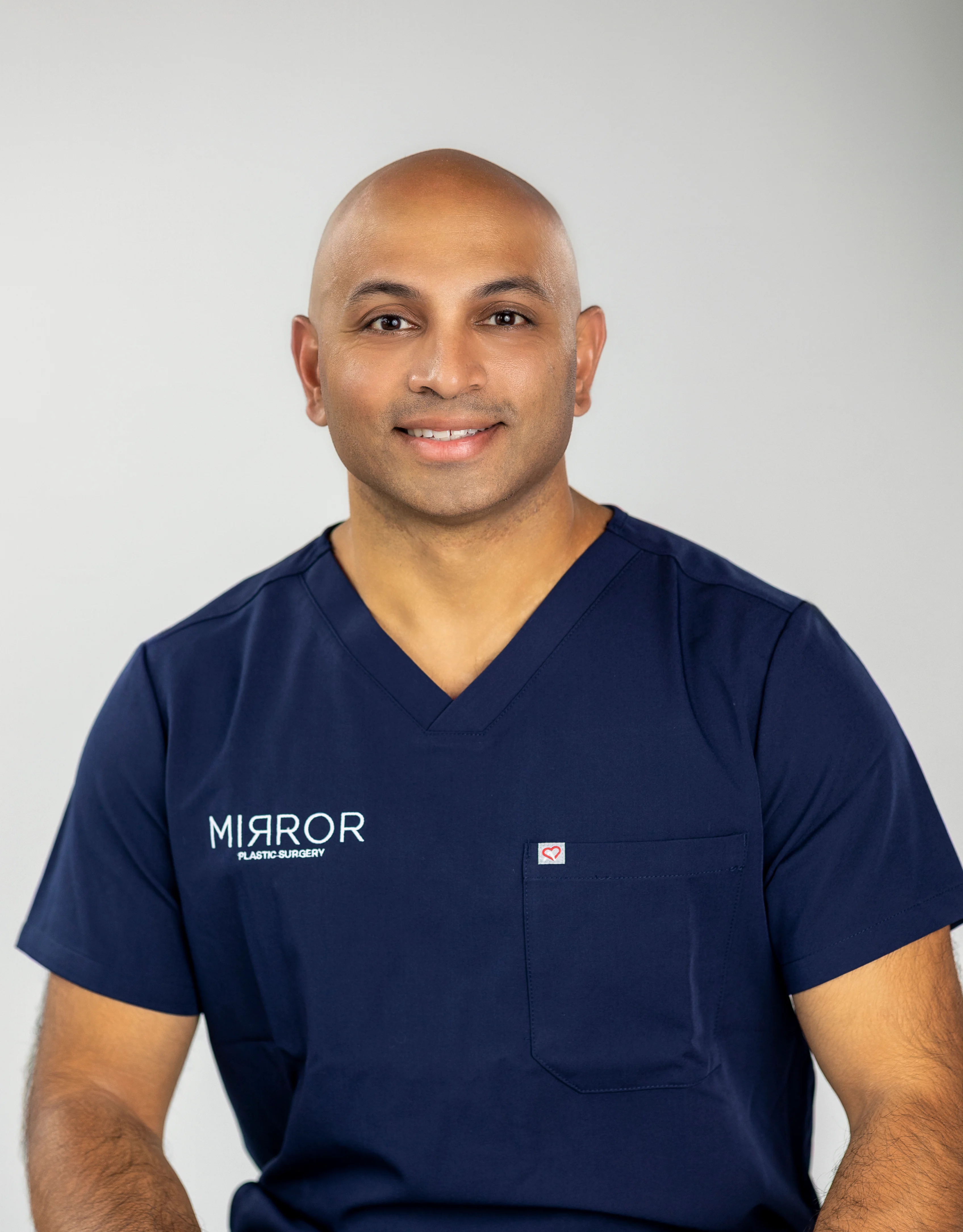
Consultations at Mirror Plastic Surgery can last up to an hour and include a comprehensive top-to-bottom assessment. These visits explore what a patient wants, why they want it, and whether a specific treatment truly fits their anatomy and long-term goals. Dr. Akash often advises patients to delay or skip procedures that are not yet necessary, and that level of honesty forms the basis of long-term patient relationships at this practice.
Schedule your anatomy-first consultation to see how a surgeon-led assessment feels in person.
Common Fears And Questions, Answered By A Surgeon
Does Filler Age You Over Time?
Patients often worry that fillers will age the face, especially after seeing overfilled results. Current evidence does not show that filler biologically ages facial tissues. A 2026 narrative review in the Journal of Cosmetic Dermatology concluded that the main long-term problem with dermal fillers involves overuse and poor placement that change facial proportions, such as increased fullness without restored youthful geometry.
The same body of evidence attributes Facial Overfilled Syndrome largely to practitioner inexperience, inadequate anatomical knowledge, suboptimal injection technique, and inappropriate patient selection. A conservative, anatomy-guided approach helps prevent this outcome. Leading researchers now emphasize better-directed filler that respects facial structure.
What Is The Riskiest Area For Fillers?
Some facial zones carry higher vascular risk than others. As noted earlier, the glabella and nasal dorsum carry the highest risk of vascular complications, and the nasolabial fold and forehead have documented associations with cerebral embolic events. The under-eye area also carries elevated risk because of thin skin, complex vascular anatomy, and proximity to the orbit. These regions require an injector with deep anatomical expertise and clear emergency protocols.
How Long Do Dermal Fillers Last?
Filler longevity varies by product type, treatment area, and individual factors. The table above outlines typical duration ranges for each filler category. In practice, high-movement areas such as the lips often see shorter duration than lower-movement areas such as the cheeks or jawline. Lifestyle factors including physical activity, sun exposure, and metabolism also influence how long results last.
The Mirror Plastic Surgery Difference
Dermal fillers can be safe and effective when anatomical expertise and a conservative philosophy guide every decision. The most appropriate filler is the one chosen by a surgeon who understands your face as a whole, prioritizes safety, and aims for subtle enhancement instead of dramatic volume.
At Mirror Plastic Surgery, Dr. Akash Chandawarkar follows a guiding principle of safety first, function second, and aesthetics third. This principle shapes every treatment decision, from product selection to volume and injection technique, as well as the honest advice he offers when a procedure is not warranted. By design, this practice performs only one to two procedures per day. That schedule ensures every patient receives the focused, unhurried attention that safe injectable treatment requires.
Ready To Explore Dermal Fillers Safely?
Mirror Plastic Surgery is located at 780 4th Ave S, St. Petersburg, FL 33701, serving the St. Petersburg and Tampa Bay area. To schedule your comprehensive consultation with Dr. Akash Chandawarkar, contact the practice by phone at 727-361-6515 or by email at hello@mirrorplasticsurgery.com.
Start with a consultation to explore your dermal filler options safely.
Still have questions after reviewing this guide? The answers below address a few of the most common concerns patients share.
Frequently Asked Questions
What Is The Safest Filler For Your Face?
There is no single safest filler for every patient or every area. Hyaluronic acid fillers are generally the most forgiving because they are the only category fully reversible with hyaluronidase, which provides a meaningful safety net if a result is unsatisfactory or a complication arises. Yet even this reversibility does not replace the need for an expert injector. Safety depends more on the injector’s anatomical knowledge, technique, and emergency preparedness than on the product alone. For permanent fillers like Bellafill, careful provider selection becomes especially critical because results last for many years.
Can Dermal Fillers Be Combined With Botox?
Many patients achieve the most natural-looking results when fillers and neuromodulators are combined. As explained earlier, Botox addresses dynamic wrinkles from repeated muscle movement, while fillers treat static volume loss and structural changes visible at rest. Treating both mechanisms of aging together often creates a more harmonious outcome than addressing only one. At Mirror Plastic Surgery, Dr. Akash performs a full facial assessment before recommending any combination so that each treatment serves a clear, anatomically justified purpose.
How Many Syringes Of Filler Will You Need?
The number of syringes depends on your anatomy, treatment areas, degree of volume loss, and aesthetic goals. No responsible provider can give a precise number without an in-person examination. At Mirror Plastic Surgery, Dr. Akash’s hour-long consultation includes a structured diagnostic assessment of each facial region before any recommendation. The practice philosophy focuses on using the right amount of the right product for balanced results. In many cases, this means using less filler than patients expect.
Are Dermal Fillers Appropriate For Younger Patients?
The FDA has approved dermal fillers for adults aged 22 and older and notes that safety in patients under 22 has not been established. Among adults in their mid-to-late twenties and thirties, fillers can be appropriate for specific concerns such as lip augmentation or early volume loss. A conservative strategy focuses on treating what is truly present and clinically indicated rather than broad “preventive” filling. The risk of Facial Overfilled Syndrome increases when fillers are used repeatedly over many years without a clear anatomical rationale, so a thorough consultation with a board-certified plastic surgeon is the right starting point.
What Should You Do After A Bad Filler Experience Elsewhere?
Filler correction and dissolution are common and legitimate procedures. If you have experienced overfilling, migration, asymmetry, nodules, or an unnatural result, hyaluronidase can dissolve HA fillers, and in some cases a structured correction plan with additional filler can restore balance. The first step involves a comprehensive assessment with a qualified surgeon who can determine what was placed, where it sits, and in what volume, then design an honest, evidence-based plan. At Mirror Plastic Surgery, Dr. Akash frequently sees patients seeking correction after high-volume clinic experiences and applies the same unhurried, anatomy-first philosophy to these cases.
Disclaimer
Disclaimer: Results may vary from person to person. Editorial content, before and after images, and patient testimonials do not constitute a guarantee of specific results.
1 Results may vary from person to person. Editorial content, before and after images, and patient testimonials do not constitute a guarantee of specific results.