
Written by: Dr. Akash Chandawarkar, Board Certified Plastic Surgeon, Mirror Plastic Surgery | Last updated: September 9, 2026
The Short Answer on Dermal Filler Longevity
Dermal fillers typically last 6 months to 2 years, depending on the filler type, treatment area, and your individual metabolism.1 Calcium hydroxylapatite fillers generally last 12–18 months, while poly-L-lactic acid fillers can last 2–3 years1. Later in this guide, you will see how newer MRI research suggests fillers can remain in the tissue longer than what you see on the surface.
Types of Dermal Fillers and Their Typical Longevity
Collagen-Stimulating Fillers: CaHA and PLLA
Calcium hydroxylapatite and poly-L-lactic acid fillers are widely used for structural support and volume restoration, with brands including Radiesse and Sculptra. Hyaluronic acid filler clinical effects generally last 4–18 months, CaHA effects last around 12–18 months, and PLLA results can last 2–3 years1. These fillers stimulate your own collagen, which supports longer-lasting structural improvement.
Beyond the typical duration ranges, there is a cutting-edge insight most articles omit. A 2026 cross-sectional MRI study by Issa et al. detected hyaluronic acid filler up to 180 months (15 years) post-injection, with a mean time between last injection and MRI of 37.4 months1. The product can persist in tissue far longer than the visible cosmetic effect, which has direct implications for how often you truly need maintenance.
Calcium Hydroxylapatite (CaHA) Fillers: 12 to 18 Months
Calcium hydroxylapatite (CaHA) fillers, such as Radiesse, are considered semipermanent, with effects lasting around 12–18 months1. CaHA provides immediate volume. It also stimulates collagen production, which leads to delayed but longer-lasting structural effects. Because CaHA is not reversible with an enzyme, injector expertise and anatomical knowledge matter even more.
Poly-L-Lactic Acid (PLLA) Fillers: Up To 2 Years or More
Sculptra, a poly-L-lactic acid filler, works as a collagen stimulator rather than a direct volumizer. Results build gradually over multiple sessions. Because the collagen produced is your own tissue, PLLA results can last 2–3 years1. This makes Sculptra a strong option if you want long-term, natural-looking volume restoration.
PMMA Fillers: Permanent Results
Bellafill is a polymethylmethacrylate (PMMA) filler that provides permanent results. Permanence carries a higher risk profile than temporary or semipermanent options and requires the highest level of injector skill and anatomical precision. Permanent fillers such as PMMA and silicone are not reversible via enzymatic degradation or dissolving agents. Reversal typically requires surgical excision, which can be difficult and may leave scars.
| Filler Type | Examples | Typical Duration | Reversible? |
|---|---|---|---|
| Calcium Hydroxylapatite (CaHA) | Radiesse | 12–18 months | No |
| Poly-L-Lactic Acid (PLLA) | Sculptra | Up to 2+ years | No |
| PMMA | Bellafill | Permanent | No |
How Long Dermal Fillers Last by Treatment Area
Facial movement is the main anatomical factor that affects filler longevity. Areas that move constantly break down filler faster than deeper, more static zones where product rests against bone or dense tissue.
Lip Filler Longevity: 6 to 12 Months
Lip filler commonly remains noticeable for approximately 6–12 months because the lips are highly mobile during speaking, eating, drinking, smiling, and facial expression1. Thin skin and a rich blood supply also speed up product metabolism.
Cheek Filler Longevity: 12 to 18 Months
Cheek filler commonly remains noticeable for approximately 12–18 months because the mid-face is less mobile and filler is placed in deeper structural planes to restore support or projection1. Thicker, more structural products are typically used here, which further supports longevity.
Under-Eye (Tear Trough) Filler Longevity: 6 to 12 Months
Tear trough filler commonly remains noticeable for approximately 9–12 months, though individual longevity varies considerably1. The area’s thin, delicate tissue requires soft, low-density HA products and conservative placement. Notably, the tear trough region showed the greatest proportional increase in filler thickness on MRI (mean 7.17 ± 3.06 mm), likely due to its tight fibrovascular density and low subcutaneous fat content. Expert placement is especially important here.
Jawline and Chin Filler Longevity: 12 to 18 Months
Jawline and chin filler generally lasts 12 to 18 months, with longevity between cheeks and lips because chewing constantly engages the jaw1. Structural placement and moderate movement support a longer duration than highly dynamic areas.
Nasolabial Fold Filler Longevity: 9 to 12 Months
Nasolabial fold filler typically lasts 9 to 12 months1. These folds sit between the dynamic lip zone and the more static cheek zone, with moderate movement from smiling and talking.
| Treatment Area | Typical Duration | Key Factor |
|---|---|---|
| Lips | 6–12 months | High movement, thin skin |
| Cheeks | 12–18 months | Low movement, deep placement |
| Under-Eyes | 6–12 months | Delicate tissue, vascular risk |
| Jawline/Chin | 12–18 months | Structural support, moderate movement |
| Nasolabial Folds | 9–12 months | Moderate movement |
Factors That Influence How Long Dermal Fillers Last
Metabolism and Age
Faster metabolisms break down HA faster, and younger patients may metabolize filler more quickly1. However, individual variation is so significant that no two patients will experience identical longevity, even with the same product in the same area.
Lifestyle Factors
Intense exercise, significant UV exposure, and smoking can all shorten filler duration1. Exercise raises metabolic rate, UV degrades HA, and smoking impairs circulation and collagen production. These factors matter most in areas with thin skin and high blood circulation, such as the lips.
Product Choice and Cross-Linking
Higher cross-linking in HA fillers is expected to degrade more slowly, but the correlation between laboratory properties and clinical longevity is weak because many other factors interact. Product selection should follow your anatomy and treatment goals rather than longevity alone.
Injection Technique
Injection technique, including injected volume and depth, influences how long HA fillers last. Proper placement at the correct anatomical depth by an experienced injector supports both longevity and a natural appearance. Poor technique can cause filler to migrate or break down sooner than expected.
The New Science of Filler Persistence
A 2026 MRI study by Issa et al. found that the volume of HA filler detected by 3D MRI was on average 2.8 times greater than the volume initially injected, with a mean measured volume of 12.26 mL versus a mean injected volume of 3.32 mL. HA’s hydrophilic properties draw in water, which causes the material to expand after injection. Patients may retain significantly more product than they realize, so clinical reassessment, rather than the calendar, should guide maintenance decisions.
How Fillers Affect Aging and the Overfilled Look
Dermal filler does not accelerate aging, and there is no evidence it changes how the skin ages once treatment stops. An aged or unnatural appearance develops from improper use over time, not from the filler material itself.
Facial Overfilled Syndrome (FOS), or “pillow face,” is an iatrogenic complication from excessive or inappropriate filler use, characterized by puffiness, high-volume cheeks at rest, unnatural smile, depressed temples, and reduced perioral mobility. The main causes include inadequate anatomical knowledge, inaccurate pretreatment assessment, improper product choice, overfilling, and cumulative effects of prior treatments.
MRI evidence shows HA filler can remain for up to 27 months, and ultrasound has detected filler many years after injection. Repeated top-ups based only on the calendar can create cumulative volume that patients and providers may not fully recognize.
At Mirror Plastic Surgery, Dr. Akash Chandawarkar’s top-to-bottom assessment, conservative approach, and focus on whole-face harmony aim to prevent this outcome. The practice’s guiding principle, safety first, function second, aesthetics third, means patients hear clearly when they do not need more product. HA fillers dissolve over time and can be dissolved with hyaluronidase if needed, so dissatisfaction usually remains reversible. Permanent fillers such as PMMA do not offer this safety net.
Safety First in High-Risk Filler Areas
The under-eye, glabella, forehead, and nose are generally considered the highest-risk injection zones for vascular complications due to dense, interconnected vessels. Complications in these areas can lead to tissue necrosis or, in the most severe cases, vision loss.
The under-eye area carries especially elevated risk. Vascular occlusion complications from filler injections are rare, with incidences below 0.1%, but the risk is markedly higher in anatomically risky regions such as the glabella, forehead, and nose. Among the most severe complications reported across 55 studies, tissue necrosis accounted for 29.1% of cases and tissue embolism for 20%.
Choosing a board-certified plastic surgeon with surgical-level anatomical knowledge is the most effective risk-mitigation strategy. Dr. Akash’s background as a Johns Hopkins-trained plastic surgeon means every injection is placed with a surgeon’s command of facial and subdermal anatomy. Mirror Plastic Surgery also maintains hyaluronidase on-site for HA filler complications, which serves as a non-negotiable safety standard.
Talk with Ellie about your safety questions and schedule a consultation to review your goals with a board-certified plastic surgeon who prioritizes your wellbeing.
Maintenance and Cost Planning for Fillers
Most fillers need touch-ups every 6–18 months to maintain visible results, yet maintenance works best when based on what is actually present in the tissue rather than a fixed calendar. A patient may still have adequate support or volume even if the original treatment occurred some time ago; in those circumstances, adding more filler may not be necessary1.
Areas treated repeatedly often hold results a little longer over time, partly due to the collagen response that injections can encourage and partly because residual product may remain from earlier sessions1. Understanding true filler persistence can reduce long-term costs by preventing unnecessary top-ups.
Mirror Plastic Surgery provides personalized quotes during consultation based on your anatomy, goals, and the products most appropriate for your situation. Pricing is tailored to the individual, without quota-driven upselling.
Alternatives to Dermal Fillers
Neuromodulators such as Botox, Dysport, Xeomin, and Jeuveau address dynamic wrinkles caused by muscle movement and typically last 3–4 months, while Daxxify (daxibotulinumtoxinA-lanm) has a longer labeled median duration of about 6 months1. These treatments target a different concern than volume loss and often pair well with fillers for comprehensive facial rejuvenation.
Energy-based skin tightening treatments such as radiofrequency, ultrasound, and laser, along with resurfacing treatments such as microneedling, improve skin quality, texture, and laxity. Volume alone cannot correct these issues. A combination approach that uses fillers for volume, neuromodulators for movement, and energy treatments for skin quality often produces the most natural and complete results.
Dr. Akash is known for advising patients when an expensive treatment is not yet necessary. That honesty builds long-term trust and keeps patients returning because they feel genuinely cared for rather than pressured.
Frequently Asked Questions
How Long Do Lip Fillers Last?
Lip fillers typically last 6–12 months. The lips are one of the most mobile areas of the face, and constant movement from talking, eating, and smiling accelerates filler breakdown. Thinner, more natural-looking results may fade toward the shorter end of that range, while more voluminous enhancements can also break down faster due to the greater volume of product. Individual metabolism and lifestyle factors also influence longevity.
Do Fillers Hurt?
Most modern fillers contain lidocaine, a local anesthetic that significantly reduces discomfort during injection. Topical numbing cream can also be applied beforehand. Bruising and swelling are common after treatment but usually resolve within one to two weeks. The experience varies by treatment area, and the lips tend to be more sensitive than the cheeks or jawline.
Can Fillers Be Dissolved?
Hyaluronic acid fillers can be dissolved with hyaluronidase, usually within 24–48 hours of treatment. Calcium hydroxylapatite and poly-L-lactic acid fillers are not dissolvable with readily available reversal agents. This reversibility is one of the key safety advantages of HA fillers over permanent options such as PMMA (Bellafill). At Mirror Plastic Surgery, reversal agents are maintained on-site as a standard safety protocol. If you feel unsure about fillers, choosing an HA-based product with a qualified injector who has reversal agents available offers the most conservative and reversible path.
What Causes the “Pillow Face” or Overfilled Look?
The overfilled look develops from how filler is used over time rather than from the filler itself. Treating isolated features without whole-face assessment, adding volume at each visit without reassessing what is already present, and overlooking cumulative product persistence are the main drivers. MRI research shows that HA filler can remain in tissue for years, so repeated top-ups based on the calendar rather than clinical need can create far more volume than intended. A conservative, anatomy-led approach with a provider who will tell you when you do not need more product helps prevent this outcome.
How Do I Choose a Qualified Injector?
Look for a board-certified plastic surgeon or dermatologist with extensive injection experience, a portfolio of natural results, and a philosophy of conservative, whole-face treatment. Ask whether they have hyaluronidase on-site, how they manage vascular complications, and whether they will tell you when treatment is not yet necessary. A provider who earns your trust by recommending less, when appropriate, is most likely to deliver results that age gracefully.
Knowledge and Expertise Behind Natural Filler Results
Filler longevity varies by type, treatment area, and individual factors such as metabolism, lifestyle, and injection technique. Emerging MRI research confirms that fillers can persist in tissue far longer than the visible cosmetic effect, which should change how patients and providers think about maintenance scheduling.
The injector’s expertise is the single most important factor in both safety and longevity. A board-certified plastic surgeon with surgical-level anatomical knowledge offers a standard of precision and safety that high-volume med-spa settings rarely match. Natural results come from conservative, whole-face treatment planning rather than from chasing volume.
Book Your Consultation with Mirror Plastic Surgery
Dr. Akash Chandawarkar, MD, is the board-certified plastic surgeon and founder of Mirror Plastic Surgery in St. Petersburg, FL. Harvard-educated and Johns Hopkins-trained, Dr. Akash holds fellowship training in aesthetic surgery at the Manhattan Eye Ear & Throat Hospital (MEETH)/Lenox Hill Hospital and medical innovation training at Stanford University. He serves as an advisory board member for Merz Aesthetics and Tiger Aesthetics, which keeps him at the forefront of injectable innovation.
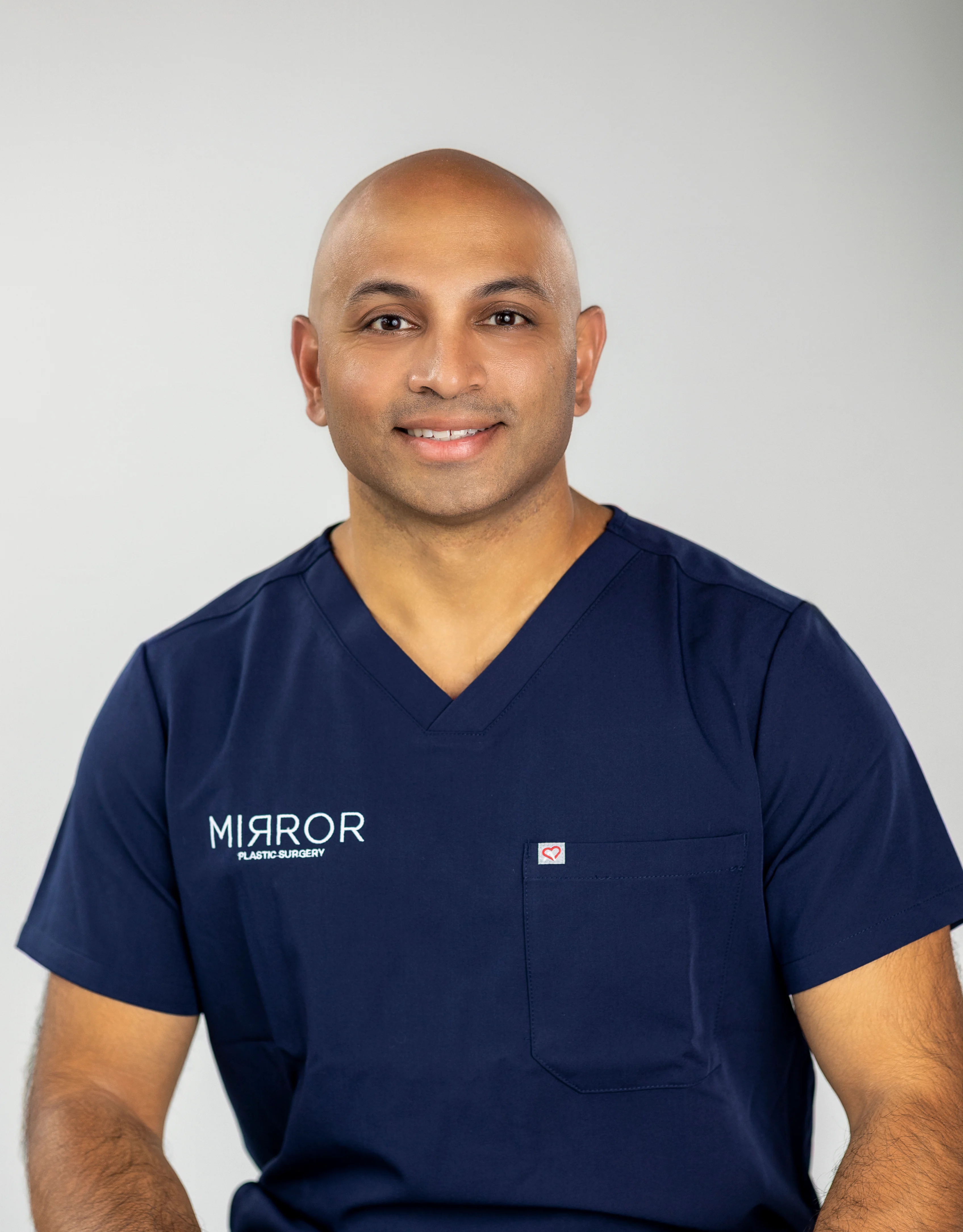
Every injectable treatment at Mirror is performed by Dr. Akash himself, a physician with a surgeon’s command of facial anatomy. Consultations run up to an hour and begin with a top-to-bottom assessment that considers your anatomy, your goals, and your long-term facial harmony. The practice’s guiding principle, safety first, function second, aesthetics third, means you receive an honest recommendation, including when you do not need more product yet.
Book your consultation with Ellie at Mirror Plastic Surgery to learn how long your dermal fillers are likely to last and how to achieve natural, harmonious results that age beautifully.
780 4th Ave S, St. Petersburg, FL 33701 | 727-361-6515 | hello@mirrorplasticsurgery.com
Disclaimer: Results may vary from person to person. Editorial content, before and after images, and patient testimonials do not constitute a guarantee of specific results.
1 Results may vary from person to person. Editorial content, before and after images, and patient testimonials do not constitute a guarantee of specific results.