
Written by: Dr. Akash Chandawarkar, Board Certified Plastic Surgeon, Mirror Plastic Surgery | Last updated: September 9, 2026
Key Takeaways
- Dermal filler longevity varies by facial area. Lips usually last 6–12 months, while cheeks, jawline, and temples often last 12–18 months because of differences in movement, product density, and injection depth.1
- Visible cosmetic results fade before the filler fully disappears. MRI studies show HA filler can persist in tissue for 2–15 years after the aesthetic effect has diminished.1
- Product selection shapes how long results last. Thicker, highly crosslinked fillers like Juvederm Voluma last longer in structural areas, while softer gels suit mobile zones like the lips.1
- Individual factors such as metabolism, age, sun exposure, and exercise habits can shorten or extend filler duration by up to 30% compared with average timelines.1
- For personalized filler longevity planning and expert guidance, schedule a consultation at Mirror Plastic Surgery.
Why Filler Longevity Differs By Facial Area
Three core factors determine how quickly filler breaks down in any zone: movement, product density, and injection depth.
Movement. The American Society of Plastic Surgeons notes that areas with more movement, such as the lips, break down filler faster. Think of filler like a sandcastle. Constant waves wash it away sooner than calm water. The orbicularis oris muscle around the mouth is one of the most active muscles in the body, so lip filler consistently fades fastest. Lips metabolize filler faster than cheeks because they move thousands of times a day, which increases shear and exposes more surface area to natural hyaluronidase.
Product density. Thicker, more cohesive fillers designed for structural support in the cheeks or jawline last longer than softer, flexible gels for lips or tear troughs. A 2026 study in Macromolecular Research comparing four commercial HA hydrogels found that Restylane Lyft showed the highest stiffness and the lowest swelling ratio. This pattern matches a highly crosslinked, compact network suited for deep structural support.
Injection depth. Filler placed deep against bone or in stable fascial planes consistently outlasts superficial placements. Deep tissue moves less and supports better product integration. This is why cheek and jawline filler, typically placed on bone, outlasts lip filler placed in mobile submucosal tissue.
Filler Types And Their Typical Longevity
Most dermal fillers fall into two categories: hyaluronic acid (HA) fillers and biostimulatory fillers. HA fillers add volume directly and are reversible with hyaluronidase. Biostimulatory fillers work differently. They stimulate your own collagen production and can last longer, sometimes 18–24 months or more.1
Within HA fillers, cross-linking technology plays a major role. A 2026 narrative review in Plastic and Reconstructive Surgery Global Open by Alizadeh et al. reports that NASHA fillers (for example, Restylane) typically last 6–12 months. Vycross fillers (for example, Juvederm Voluma) can last up to 18–24 months. PNT fillers (for example, RHA) often last 12–18 months.1
The key point: brand loyalty does not reflect the science. Statements like “I only use Juvéderm” or “I only use Restylane” ignore that each family has clear strengths. Rigid brand habits can lead to a poor product-to-zone match. Mirror Plastic Surgery offers a versatile range of products and brands and selects the most appropriate one for each patient instead of using a one-size-fits-all approach.
The MRI Truth About Long-Term Filler Persistence
Many patients want to know whether filler ever truly goes away. Recent MRI research has reshaped how we understand filler persistence.
A 2024 MRI review of 33 mid-face patients found crosslinked hyaluronic acid filler remained detectable on imaging from 2 to 15 years after injection. All 33 patients retained filler at 2 years, even though the cosmetic effect had often faded long before.1
This finding does not mean filler “lasts” 15 years cosmetically. MRI detects the HA gel’s water content, not its visible effect. The lift, volume, and contour fade long before the gel fully disappears. The filler gradually loses water, integrates with tissue, and stops providing crisp correction, even though trace amounts remain detectable.
A 2026 3D MRI study by Issa et al. found that the volume of hyaluronic acid dermal filler detected in tissue averaged 2.8 times the amount initially injected. The mean injected volume was 3.32 mL, while the mean MRI-measured volume reached 12.26 mL. This pattern helps explain why overcorrection happens and supports a conservative “less is more” approach.
The 2026 Alizadeh et al. review emphasizes that MRI visualizes a combination of injected HA, bound water, and new procollagen. This mix makes it difficult to separate each component, so apparent signal persistence on MRI does not equal intact product lasting unchanged for that entire period.
HA fillers do eventually go away, yet the timeline extends beyond what the mirror shows. This reality supports an “assess-then-treat” approach instead of automatic top-ups on a calendar. Stacking new product on top of residual, still-present filler creates a clear path to overfilled faces and unnatural results. This concern connects directly to how filler interacts with aging over time.
How Filler Relates To Aging Over Time
Properly placed filler by a qualified professional does not age your face. A clear explanation of what can go wrong helps separate myth from reality.
Overfilled or poorly placed filler can distort features, stretch tissue, and create a heavy “pillow face” appearance. A 2026 review describes facial overfilled syndrome as a result of inadequate anatomical knowledge, overfilling, and “perception drift.” In perception drift, people undergoing repeated HA injections gradually shift their baseline perception of their own appearance and then seek further or unnecessary treatment.
The myth that filler causes premature aging often comes from what patients see after dissolving or metabolizing filler. When filler fades, the underlying volume loss that prompted treatment becomes visible again. The filler masked a natural process that continued underneath.
My philosophy, and the philosophy at Mirror Plastic Surgery, is safety first, function second, aesthetics third. I sometimes tell a patient they do not need more filler yet or that a different treatment would serve them better. That level of honesty supports natural, long-term results.
Book a consultation with Ellie and experience an anatomy-first, conservative approach to filler.
Personal Factors That Influence Filler Longevity
Beyond area and product, several personal factors influence how long filler lasts for you.
- Metabolism: Patients with elevated metabolic rates experience faster HA filler degradation, sometimes up to 25% shorter duration, due to increased hyaluronidase expression and turnover. Younger patients often see shorter durations for this reason.
- Age: Older skin with less natural collagen provides less structural support for filler. This change affects how the product sits and how long it appears effective.
- Sun Exposure: Chronic UV exposure generates free radicals that fragment HA chains and degrade collagen scaffolds. Clinical tracking shows that UV-exposed patients need touch-ups an average of 30% sooner than those who practice consistent photoprotection.
- Exercise: High-intensity exercise raises metabolic rate and increases circulation, which both speed filler resorption. Very active patients often need top-ups sooner.
- Treatment History: Some studies suggest that subsequent filler treatments in the same site last longer than the first. Residual scaffold and tissue remodeling may contribute to this extended duration.
A thorough consultation, such as Mirror Plastic Surgery’s hour-long top-to-bottom assessment, helps predict your individual longevity and plan maintenance with realistic expectations.
When To Retreat: A Practical Maintenance Framework
The older model of waiting until filler completely dissolves and then starting over no longer reflects current evidence. A more modern approach is to retreat when visible results fade to about 75–80% of their peak effect.
This type of maintenance touch-up uses less product and avoids the dramatic drop-off that comes with full dissipation. It also supports consistent, natural-looking results over time.
For most patients, this translates to the following general intervals:
- Lips: Touch-up every 6–12 months
- Cheeks: Touch-up every 12–18 months
- Jawline/Chin: Touch-up every 12–18 months
These intervals serve as guidelines. The right timing depends on your individual response, your goals, and what we observe at your follow-up assessment. I review long-term maintenance during the initial consultation so you can plan and budget with confidence.
Expert Tips For Maximizing Filler Longevity
- Choose An Experienced Injector. Board-certified plastic surgeons bring detailed knowledge of facial and subdermal anatomy to every injection. This expertise makes treatment safer and more precise.
- Follow Aftercare Instructions. Avoid excessive heat, alcohol, and strenuous exercise for 24–48 hours after treatment. Returning to intense workouts too soon may increase swelling, bruising, and the risk of filler movement.
- Protect Your Skin From Sun. Daily broad-spectrum SPF is essential. UV exposure accelerates filler breakdown and ages surrounding tissue.
- Maintain A Healthy Lifestyle. Stable weight, balanced nutrition, and adequate hydration support better and more consistent results.
- Consider Combination Treatments. Neuromodulator pretreatment in expressive zones reduces movement that breaks down filler and can extend results.
At Mirror Plastic Surgery, we provide detailed aftercare guidance and remain available for questions via text or call. This access forms a key part of our concierge approach to patient care.
Frequently Asked Questions
How Long Do Fillers Last In Lips?
As noted earlier, lip filler typically lasts 6–12 months.1 The lips are the most mobile area of the face, and constant movement from talking, eating, and smiling accelerates breakdown faster than in any other zone. The orbicularis oris is one of the most-used striated muscles in the body, and the vermillion has a rich vascular and lymphatic supply that further speeds degradation. Many patients notice meaningful fade between months 9 and 14, though individual variation is significant. First-time patients often see results at the shorter end of the range, while subsequent treatments may last slightly longer due to residual scaffold and collagen stimulation.1
Which Dermal Fillers Last The Longest?
Biostimulatory fillers like Radiesse (calcium hydroxylapatite) and Sculptra (poly-L-lactic acid) can last 18 months to over two years by stimulating your own collagen production rather than simply adding volume. Among HA fillers, Vycross-technology products like Juvederm Voluma can last up to 18–24 months in the cheeks because of higher crosslink density and slower enzymatic degradation.1 The longest-lasting option is not always the right choice. The best product for you depends on the treatment area, your anatomy, and your goals. A skilled injector selects from multiple product families instead of defaulting to a single brand.
Do Fillers Ever Go Away Completely?
HA fillers are biodegradable and are eventually metabolized by your body’s natural hyaluronidase enzymes. MRI studies show that trace amounts can persist for years after the visible cosmetic effect has faded. The gel loses water, integrates with surrounding tissue, and stops providing crisp correction long before it fully disappears. This pattern supports an assess-then-treat approach instead of automatic top-ups on a fixed calendar. Adding new product on top of still-present residual filler increases the risk of cumulative overfilling over time.
Does Filler Age You Over Time?
Correctly placed filler by a qualified professional does not age you. Overfilled or poorly placed filler can distort features and create an unnatural appearance, which reflects technique and judgment rather than an inherent property of the product. The “aging” some patients notice after dissolving filler is the natural volume loss that prompted treatment originally, which continued beneath the surface while filler was present. A conservative, anatomy-based approach that treats only what is necessary and reassesses before each session helps prevent the cumulative distortion sometimes called “filler fatigue” or “pillow face.”
What Is The Best Age To Get Fillers?
No single age works for everyone. Treatment should be based on individual concerns, anatomy, and goals rather than a specific number. Some patients in their 20s seek lip enhancement or early volume support. Others in their 50s and 60s seek restoration of volume lost to natural aging. Younger patients often metabolize filler faster because of higher metabolic rates, which affects maintenance planning. A thorough consultation determines whether filler is appropriate for your situation and, if so, which product and technique will deliver the most natural, long-lasting result.
Conclusion: Choose Expertise, Choose Safety
Dermal filler longevity exists on a spectrum shaped by facial movement, product density, injection depth, and individual biology. The visible result you see in the mirror reflects only part of the story. Clear understanding of the difference between cosmetic effect and imaging persistence helps protect you from both disappointment and over-treatment.
When you choose Mirror Plastic Surgery, you choose a Harvard-educated, Johns Hopkins-trained, board-certified plastic surgeon who prioritizes safety first, function second, and aesthetics third. You also choose hour-long consultations, honest recommendations, and a concierge experience that contrasts sharply with high-volume practices.
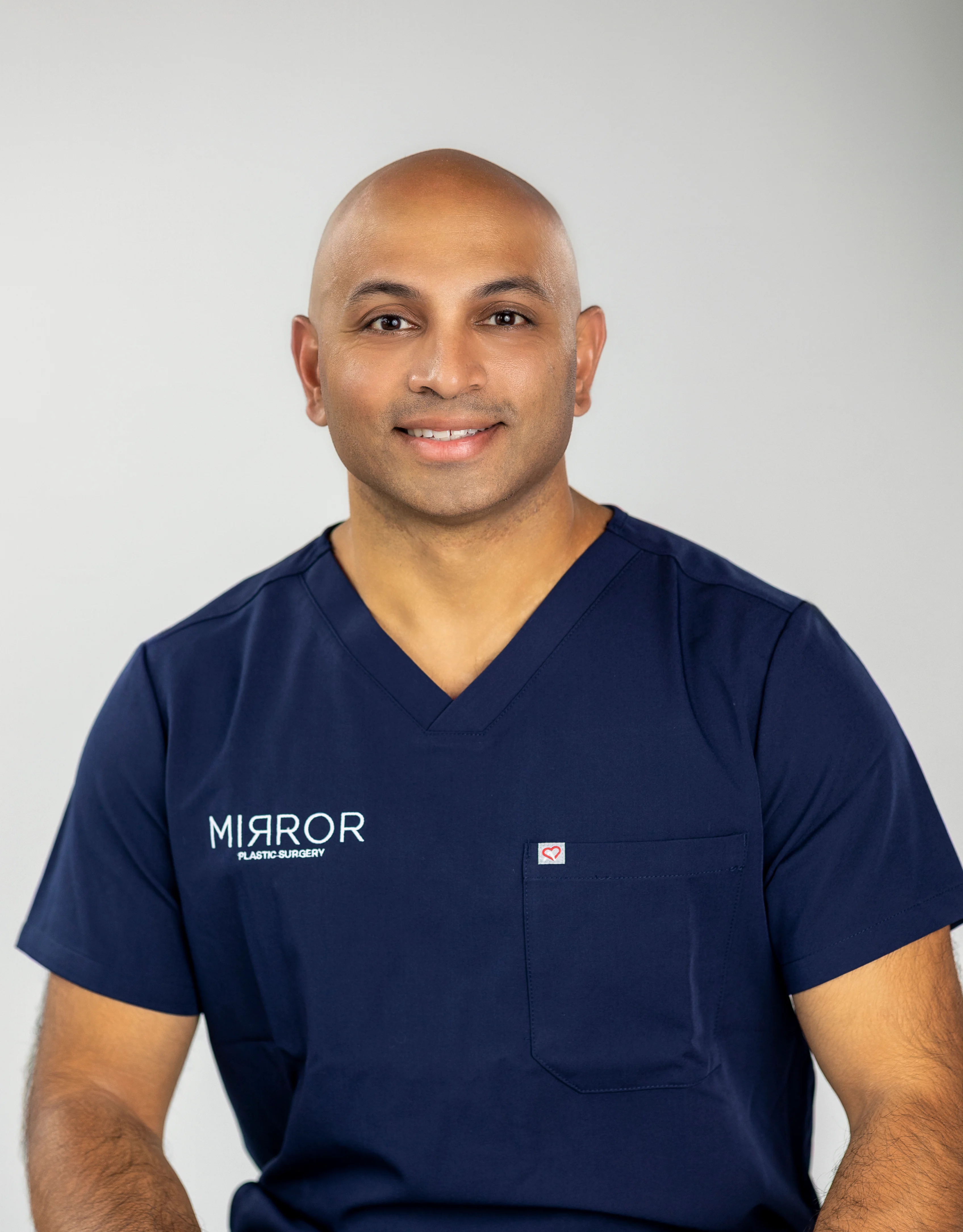
If you are considering dermal fillers and want a personalized, evidence-based plan tailored to your anatomy and goals, take the next step.
Book a consultation with Ellie at Mirror Plastic Surgery in St. Petersburg, FL, and receive clear, expert guidance for your filler journey.
Disclaimer: Results may vary from person to person. Editorial content, before and after images, and patient testimonials do not constitute a guarantee of specific results.
1 Results may vary from person to person. Editorial content, before and after images, and patient testimonials do not constitute a guarantee of specific results.