

Written by: Dr. Akash Chandawarkar, Board Certified Plastic Surgeon, Mirror Plastic Surgery | Last updated: September 9, 2026
Key Takeaways
- Cellulite is a structural condition caused by fibrous septae, so surface treatments like creams or exercise alone cannot fix dimples.
- Subcision treatments that cut fibrous bands deliver the longest-lasting results, with data showing 96% improvement maintained at 5 years.1
- Avéli combines precise band release, strong safety data, and shorter recovery because of its light-guided visualization system.
- Non-invasive treatments such as radiofrequency and acoustic wave therapy offer modest, temporary improvement and require ongoing maintenance.
- A personalized consultation with a board-certified plastic surgeon helps match cellulite severity, skin quality, and goals to the right treatment plan.
Cellulite Anatomy: Why Creams And Exercise Do Not Fix Structural Dimples
Cellulite forms when fibrous septae, the connective tissue bands running from your skin down to underlying fascia, contract and pull the skin inward. Subcutaneous fat lobules push upward between these bands and create the familiar “orange peel” or “mattress” look. Women are more prone to cellulite because their septae run vertically, creating easy push-through points, while men have a criss-cross pattern that holds fat more evenly.
This anatomy explains why topical creams cannot address structural cellulite. No cream penetrates deeply enough to reach and cut a fibrous band. Building muscle also does not release septae, so exercise alone rarely smooths established dimples. Critically, liposuction can actually worsen cellulite because removing deep fat without treating the fibrous bands can make surface dimpling more obvious. Effective long-lasting treatments must target the septae themselves.
The Gold Standard: Subcision And Long-Lasting Cellulite Improvement
Subcision is a minimally invasive treatment category that physically severs the fibrous septae responsible for cellulite dimples. Once cut, these bands retract and do not reconnect in the same configuration. This structural change explains why subcision offers the most durable improvement of any cellulite treatment category.
The evidence is strong. The pivotal multicenter study for Cellfina reported that 96% of patients maintained improvement at 2 years, and a dedicated 3-year follow-up showed no loss of benefit.1 A 5-year follow-up study in Dermatologic Surgery found that 96% of patients maintained at least a 1-level improvement on the Cellulite Severity Scale at 5 years.1 The American Society for Laser Medicine and Surgery (ASLMS) reports that mechanical subcision currently has the highest long-term patient satisfaction rates in peer-reviewed studies when compared with laser and ultrasound treatments.
Cellfina, Avéli, And Cellulaze: Comparing Minimally Invasive Cellulite Treatments
Many patients researching effective cellulite treatments encounter Cellfina, Avéli, and Cellulaze. These options differ in how they treat fibrous bands, the strength of their evidence, and the recovery experience.
Cellfina: Proven Results, Now Discontinued
Cellfina, cleared by the FDA in 2015, uses vacuum-assisted subcision with a motorized microblade to cut fibrous septae at a fixed depth. Its clinical data is impressive. The pivotal study showed 85% patient satisfaction at 3 months, rising to 94% at 1 year and 96% at 2 years.1 Cellfina has been discontinued in the United States for commercial reasons, not safety concerns.
The technique is blind, so the provider cannot see the septae as they cut. This limitation can cause more collateral tissue trauma, with significant bruising and swelling and a low-to-moderate (about 10%) risk of seroma formation.
Avéli: Light-Guided Next-Generation Subcision
Avéli, FDA-cleared in 2022, represents a meaningful technological step forward. Its light-guided system allows the provider to visualize each fibrous septum before cutting it and verify in real time that the release is complete. This targeted approach reduces collateral tissue damage, which translates into less bruising, faster recovery, and a very low (under 1%) risk of seroma.
The CONFFIRM multicenter pivotal study reported an average improvement of 1.50 points on the Cellulite Severity Scale at 3 months, sustained at 1.48 points at 12 months after a single treatment session.1 Patient satisfaction rose from 80% at 3 months to 93% at one year, and no serious adverse events were reported.1 Treated fibrous bands do not regenerate, so treated dimples do not return.
Cellulaze: Laser-Based Subcision And Skin Tightening
Cellulaze uses a 1440 nm laser fiber to thermally sever fibrous septae while also heating the dermis to stimulate collagen production. A multicenter study reported that 90% of treatment sites showed at least a 1-point improvement at 12 months.1 The ASLMS cites 92% patient satisfaction at one year for laser-based cellulite treatment.1
The evidence base for Cellulaze is smaller than for mechanical subcision. Published data supports improvement lasting roughly 1 to 2 years, which is shorter than the 2 to 3 or more years documented for subcision.
The table below highlights key differences in mechanism, FDA clearance, published longevity, satisfaction, and recovery time. These factors matter most when comparing minimally invasive cellulite treatments.
| Treatment | Mechanism | FDA Clearance | Published Longevity / Satisfaction | Recovery Time |
|---|---|---|---|---|
| Cellfina (Discontinued) | Vacuum-Assisted Mechanical Subcision | 2015 | 96% maintained ≥1-level improvement at 5 years; 96% satisfaction at 2 years | 2–4 weeks |
| Avéli | Light-Guided Targeted Subcision | 2022 | 93% satisfaction at 12 months; improvement sustained through 1 year | 1–2 weeks |
| Cellulaze | 1440 nm Laser Subcision + Collagen Stimulation | 2012 | 90% of sites improved at 12 months; 92% satisfaction at 1 year | Typically 1–2 weeks for bruising and swelling to fully subside, but most patients can return to normal daily activities within 1–2 days |
The Surgeon’s Verdict: For most patients with moderate to severe dimple-type cellulite, Avéli offers the strongest balance of efficacy, safety, and recovery. Its light-guided precision improves on Cellfina’s blind approach while delivering comparable outcomes and a smoother patient experience. As an advisory board member for Tiger Aesthetics, the manufacturer of Avéli, Dr. Akash Chandawarkar has detailed insight into this technology that most providers do not share.
Non-Invasive Cellulite Treatments: Radiofrequency, Ultrasound, And Acoustic Wave Therapy
Non-invasive energy-based treatments are often marketed as cellulite solutions. These devices can improve skin laxity and texture, yet they do not release fibrous septae. Results tend to be modest and require repeated maintenance sessions.
A 2025 systematic review in Aesthetic Plastic Surgery found that radiofrequency therapy achieves a mean reduction of 2.09 cm in thigh circumference and reduces subcutaneous tissue thickness by 2.23 cm.1 Acoustic wave therapy showed a consistent cellulite reduction score of 2.07 across studies.1 A meta-analysis in the Journal of Cosmetic and Laser Therapy reported that acoustic wave therapy produced a mean 0.57-point improvement on the Cellulite Severity Scale after 6 to 12 sessions, with effects fading within 6 months without maintenance.1
Non-invasive options work best for mild cellulite with good skin elasticity or as add-ons to subcision when skin laxity is present. A 2026 study in Aesthetic Surgery Journal Open Forum found that combining targeted verifiable subcision with helium plasma radiofrequency produced progressive improvement through Day 180, with 77–82% of patients showing measurable improvement.1 This supports combination strategies for patients who have both dimpling and loose skin.
Treatments That Offer Little Value For Structural Cellulite
Some popular treatments do not meaningfully change the fibrous bands that cause cellulite. These options may offer short-term cosmetic changes but do not provide durable structural improvement.
- Topical Creams: No topical product is FDA-approved to treat cellulite. A systematic review of 67 studies found that caffeine-containing formulations showed the most consistent, though modest, effects, with a mean thigh circumference reduction of 0.5 to 2.0 cm over 4–12 weeks.1 These changes are temporary and depend on continuous use.
- Massage And Endermologie: These treatments improve lymphatic flow and microcirculation, yet the benefits fade quickly. The American Academy of Dermatology notes that cellulite tends to return within about a month of stopping Endermologie treatment.
- Liposuction: Liposuction removes fat but leaves fibrous septae intact. The American Society of Plastic Surgeons states that removing deep fat can accentuate superficial dimpling, potentially making cellulite more visible. As Dr. Akash Chandawarkar, board-certified plastic surgeon at Mirror Plastic Surgery, has written: “A patient who arrives asking for liposuction to treat cellulite is asking for a procedure that addresses none of the responsible anatomy and can worsen the appearance of the tissue it leaves behind.”
- Cryolipolysis (CoolSculpting): Fat-freezing targets fat volume, not fibrous bands. The American Academy of Dermatology does not recommend cryolipolysis for cellulite because it does not treat the structural cause of dimples.
Choosing The Right Cellulite Treatment For Your Situation
The most effective cellulite plan depends on cellulite severity, skin laxity, and your goals. The framework below summarizes how evidence-based options match common presentations.
- Mild Cellulite (Visible Only When Skin Is Pinched): Non-invasive treatments such as radiofrequency or acoustic wave therapy may provide modest smoothing. Results require maintenance sessions every 2 to 3 months to hold gains.
- Moderate To Severe Cellulite (Visible When Standing): Subcision, particularly Avéli, is the strongest evidence-based choice. A single session releases the fibrous bands that cause dimples, with results typically lasting several years. The 2025 systematic review in Aesthetic Plastic Surgery recommends minimally invasive techniques for severe cellulite.
- Cellulite With Significant Skin Laxity: Combination approaches often work best. A 2026 study in Aesthetic Surgery Journal Open Forum found that combining targeted verifiable subcision with helium plasma radiofrequency produced progressive improvement through Day 180, with 77–82% of patients showing improvement.
Provider expertise strongly influences safety and results. Subcision requires detailed anatomical knowledge, so a board-certified plastic surgeon offers a higher level of training than a non-physician injector at a high-volume clinic.
Book a consultation with Ellie and receive a personalized, top-to-bottom assessment from Dr. Akash. Your visit includes a careful evaluation of cellulite type, skin laxity, and goals, followed by clear recommendations rather than a rushed sales pitch.
Realistic Expectations: How Long Cellulite Results Last
No treatment completely and permanently erases cellulite. The connective tissue framework continues to age, and new dimples can appear with major weight changes or hormonal shifts. Subcision still offers the closest option to a long-term solution. Once a fibrous septum is cut, it does not regrow, so treated dimples do not return.
The CONFFIRM study for Avéli confirmed that treated fibrous bands do not regenerate and that results continue to improve as tissues heal. Patient satisfaction increased from 80% at 3 months to 93% at one year. A 50–70% improvement in cellulite appearance is considered clinically significant and satisfactory,1 and complete flattening is not a realistic goal for any treatment.1 Strength training, good hydration, and stable weight help maintain results.
Why Mirror Plastic Surgery Is A Strong Choice For Cellulite Treatment
Choosing an experienced provider matters as much as choosing the right device. At Mirror Plastic Surgery in St. Petersburg, FL, you receive concierge-level care instead of a brief, high-volume visit. Consultations can last up to an hour, and Dr. Akash personally performs every treatment. He also gives honest guidance if a procedure does not fit your needs.
Dr. Akash Chandawarkar is a Harvard-educated, Johns Hopkins-trained plastic surgeon, board-certified by the American Board of Plastic Surgery. He serves on the advisory board for Tiger Aesthetics, the manufacturer of Avéli, which gives him detailed insight into the device’s design and data. His philosophy is clear: safety first, function second, aesthetics third.
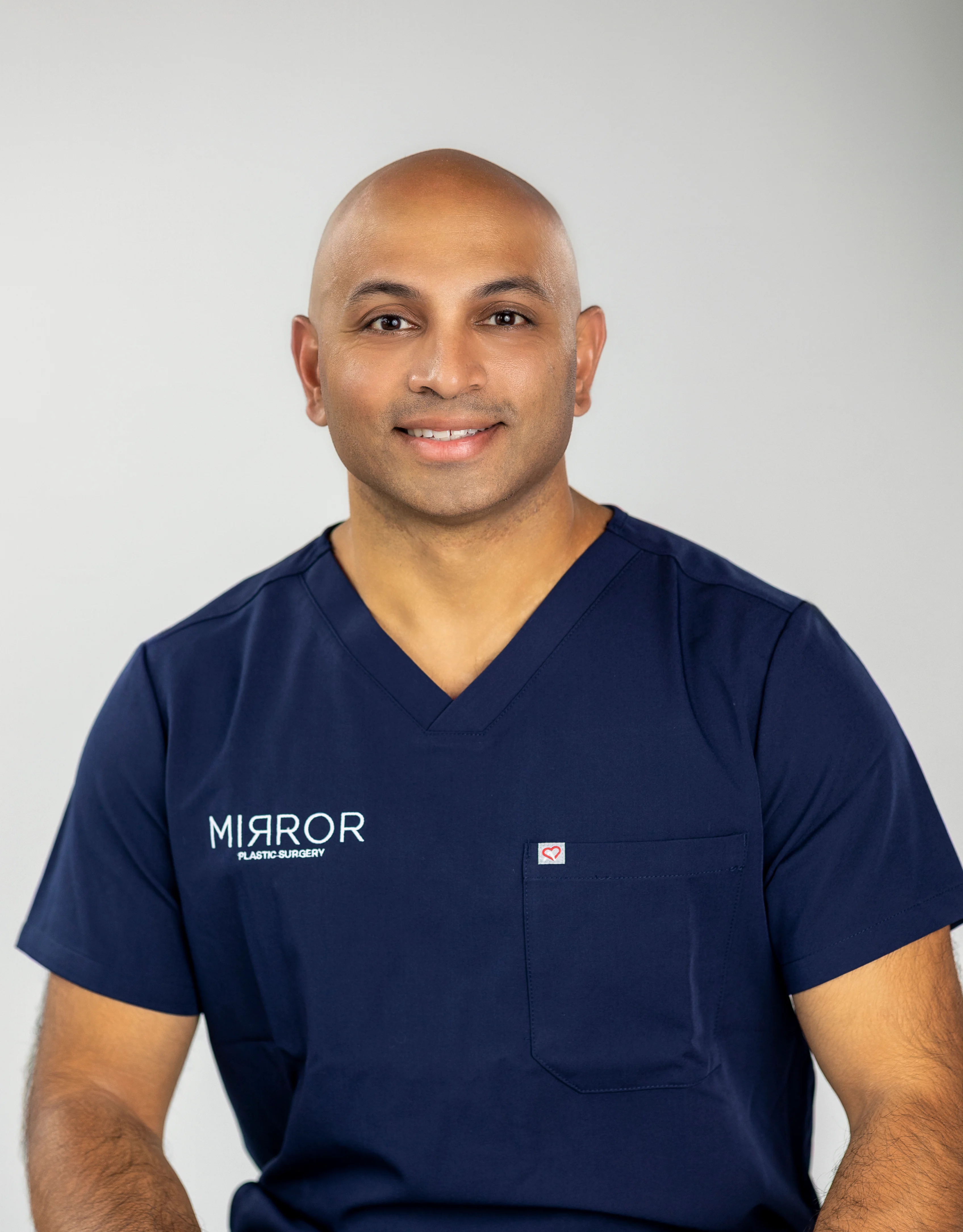
Book a consultation with Ellie at Mirror Plastic Surgery today. Call or text 727-361-6515, email hello@mirrorplasticsurgery.com, or visit 780 4th Ave S, St. Petersburg, FL 33701. Your consultation with Dr. Akash is the first step toward addressing cellulite with evidence-based treatment that lasts.
Frequently Asked Questions
What Is The Most Effective Cellulite Treatment For Lasting Results?
Subcision is the most effective treatment category for lasting cellulite improvement. Procedures such as Avéli cut the fibrous septae that cause dimples instead of only smoothing the surface. FDA study data document results through 12 months after a single session, with high patient satisfaction. Non-invasive options like radiofrequency and acoustic wave therapy require ongoing maintenance and provide more modest, shorter-lived changes. Among subcision devices currently available in the United States, Avéli stands out for its light-guided precision, safety profile, and relatively quick recovery.
How Long Do Cellulite Treatment Results Typically Last?
Subcision results often last several years because treated fibrous bands do not grow back. Avéli has clinical data through 12 months, and Cellfina, which uses a similar subcision mechanism, has follow-up data showing a high maintenance rate at 5 years. Non-invasive treatments such as radiofrequency and acoustic wave therapy usually last a few months without maintenance. Stable weight, regular strength training, and good skin care help extend the life of any cellulite treatment.
What Do Dermatologists And Plastic Surgeons Recommend For Cellulite On The Legs?
The American Academy of Dermatology recognizes subcision as the most durable option, with results lasting two years and often longer. For mild cellulite, many specialists suggest radiofrequency or acoustic wave therapy, while explaining that these require maintenance every two to three months. The 2025 systematic review in Aesthetic Plastic Surgery supports minimally invasive subcision techniques for more severe cellulite. A board-certified plastic surgeon with specific experience using subcision devices can provide a tailored plan for leg cellulite.
Does Exercise Help With Cellulite?
Exercise alone does not remove cellulite because it cannot cut fibrous septae. Strength training that builds muscle under the skin can improve contour and skin tone. A randomized controlled study showed that a 12-week gluteal strengthening program produced measurable improvement in cellulite severity scores.1 These gains come from increased muscle volume and tighter skin, not from structural release of bands. Maintaining a stable weight through exercise supports professional treatments and helps prevent new dimples from forming.
What Can Cause A Sudden Increase In Cellulite?
Sudden worsening of cellulite often relates to weight gain, hormonal changes, or loss of skin elasticity with age. Estrogen influences cellulite by promoting fat storage and reducing collagen production, so perimenopause and menopause can make dimples more noticeable. Medications that cause fluid retention may also accentuate cellulite. Rapid weight loss can increase the appearance of dimples when skin becomes looser while fibrous bands remain. A consultation with a board-certified plastic surgeon can help identify your specific triggers and outline appropriate treatment options.
Disclaimer: Results may vary from person to person. Editorial content, before and after images, and patient testimonials do not constitute a guarantee of specific results.
1 Results may vary from person to person. Editorial content, before and after images, and patient testimonials do not constitute a guarantee of specific results.


