

Written by: Dr. Akash Chandawarkar, Board Certified Plastic Surgeon, Mirror Plastic Surgery | Last updated: September 9, 2026
Key Takeaways
- As of 2026, no injectable is FDA-approved for cellulite. QWO, the only approved injectable, was discontinued in 2022 because of bruising and skin discoloration concerns.
- Unapproved fat-dissolving injections such as Kybella, Aqualyx, and Lemon Bottle carry serious risks including permanent scarring, infections, and skin deformities. None treat the fibrous bands that cause cellulite.
- Subcision-based treatments such as Avéli are FDA-cleared for cellulite and have strong clinical evidence for long-lasting reduction in dimpling by releasing fibrous septae.
- Board-certified plastic surgeons are the safest choice for cellulite treatment because they can diagnose the cause accurately and recommend evidence-based procedures instead of risky, unapproved injectables.
- Schedule your personalized consultation at Mirror Plastic Surgery to explore safe, effective cellulite reduction options with Dr. Akash Chandawarkar.
Executive Summary: The State Of Cellulite Injections In 2026
Patients researching cellulite reduction injections in September 2026 often encounter outdated information. The only injectable ever FDA-approved for cellulite, QWO, was discontinued by its manufacturer in December 2022. At the same time, unapproved “fat-dissolving” injections are flooding the market, despite FDA warnings about permanent scarring, atypical mycobacterial infections, and skin deformities. The American Society of Plastic Surgeons recommends board-certified providers and evidence-based treatments. This report, authored by board-certified plastic surgeon Dr. Akash Chandawarkar of Mirror Plastic Surgery in St. Petersburg, FL, explains what is safe, what is unsafe, and what currently works for cellulite.
How Cellulite Reduction Injections Are Categorized
Three mechanistic categories of injectables have been used or marketed for cellulite. Patients benefit from understanding each category and its regulatory status before pursuing treatment.
- Collagenase injections (like QWO): QWO (collagenase clostridium histolyticum-aaes) received FDA approval in July 2020 for moderate to severe cellulite in the buttocks of adult women. Its phase 3 trials (RELEASE-1 and RELEASE-2, combined N=1,820) showed modest improvement, with 32.4% of patients achieving a 2-level composite improvement versus 13.9% on placebo.1 No collagenase injectable is currently on the U.S. market.
- Biostimulatory fillers (e.g., Radiesse): These fillers are injected beneath depressions to add volume and stimulate collagen, which can smooth the surface. They are used off-label for cellulite. Early case series show promise, but no large controlled trials exist, and adding volume beneath a depression does not replace releasing the underlying band.
- Fat-dissolving agents (e.g., Kybella, Aqualyx, Lemon Bottle): Kybella is FDA-approved only for submental fat under the chin. Aqualyx and Lemon Bottle are not FDA-approved for any indication.
Most injections marketed for cellulite are not FDA-approved for that use, and their mechanisms do not reliably address the fibrous bands that create dimples.
The Rise And Fall Of QWO: Why The Only FDA-Approved Injectable Was Discontinued
QWO (collagenase clostridium histolyticum-aaes) received FDA approval in July 2020 for moderate to severe cellulite in the buttocks of adult women, the first and only injectable ever approved for this indication. Its timeline is straightforward:
- July 2020: FDA approves QWO, marking a milestone in cellulite treatment.
- December 6, 2022: Manufacturer Endo International announces it will cease production and sale, citing the extent and variability of bruising and the potential for prolonged skin discoloration (hemosiderin staining). This decision reflected commercial and tolerability concerns rather than an FDA safety withdrawal.
- 2023–2026: No replacement injectable receives FDA approval. QWO’s pivotal trials reported that over 80% of subjects experienced injection-site bruising lasting 2 to 3 weeks, which proved commercially unsustainable.
Many online sources still list QWO as available, which misleads patients. The discontinuation leaves a complete void in FDA-approved injectable options for cellulite, so patients now rely on device-based treatments with stronger safety and durability data.
Safety Of “Fat-Dissolving” Injections Like Kybella, Lemon Bottle, And Aqualyx
“Fat-dissolving” injections present significant safety and regulatory concerns when used for cellulite.
- Kybella (deoxycholic acid): FDA-approved only for submental fat, with labeling that states safe and effective use for other body areas has not been established. Off-label use carries risks including marginal mandibular nerve injury, skin necrosis, and ulceration.
- Lemon Bottle, Aqualyx, Lipo Lab, Kabelline: None are FDA-approved for any indication. A December 2023 FDA consumer warning cited permanent scars, serious infections such as atypical mycobacterial infections, skin deformities, cysts, and painful nodules.
- Compounded PCDC mixtures: The FDA has refused import since 2007 under Import Alert 66-41. Independent lab analyses show wide concentration variations, with some vials containing up to 150% of the labeled active ingredient.
A board-certified plastic surgeon avoids these products for cellulite because the risks of necrosis, scarring, infection, and uneven results are high, and they do not treat the fibrous septae that cause dimpling.
What Actually Works For Cellulite In 2026: Evidence-Based Treatments
The following FDA-cleared treatments address the structural cause of cellulite and have published clinical evidence. Avéli is the treatment currently offered at Mirror Plastic Surgery. The table below compares each treatment’s mechanism, FDA status, and durability so patients can see why subcision-based options such as Avéli stand out.
| Treatment | Mechanism | FDA Status | Evidence & Durability |
|---|---|---|---|
| Avéli (offered at Mirror Plastic Surgery) | Handheld subcision device that releases individual septae under real-time guidance | FDA-cleared (2022) for cellulite on buttocks and thighs | CONFFIRM pivotal study: clinically significant reduction maintained at 12 months, with about 90% of treated sites improved1 |
| Cellfina | Vacuum-assisted microblade that cuts fibrous septae | FDA-cleared (2015); received a five-year durability indication in 2019, though it has since been discontinued in the U.S. | 96% patient satisfaction at 2 years (Kaminer et al., 2017, Dermatologic Surgery); 96% maintained ≥1-level improvement at 5 years1 |
| Cellulaze | Laser fiber inserted under skin to heat and release septae | FDA-cleared | Published results show improvement lasting about 1–2 years |
| RESONIC | Rapid Acoustic Pulses (high-peak-power sound waves) disrupt septae | FDA-cleared | Pivotal data show improvement in most treated dimples after one session |
Avéli is a currently available FDA-cleared subcision procedure for cellulite, though not the only one ever cleared. It is offered at Mirror Plastic Surgery. Dr. Akash Chandawarkar serves as an advisory board member for Tiger Aesthetics, the maker of Avéli, which keeps him at the forefront of this technology while his recommendations remain grounded in clinical evidence. For a broader comparison of cellulite treatment modalities, see Mirror Plastic Surgery’s guide to Cellulite Treatment For Thighs And Buttocks: Avéli and Best Cellulite Treatments: Avéli, RF & More Explained.
What To Expect From Avéli Treatment At Mirror Plastic Surgery
Dr. Akash Chandawarkar personally performs Avéli in the office. The procedure takes about one hour and uses local anesthesia, so patients remain comfortable. A small handheld device is inserted just beneath the skin to identify and release the individual fibrous bands responsible for each dimple, with real-time confirmation that each band has been fully released before moving on.
Downtime is minimal, and most patients return to normal daily activities within a day or two. After Avéli, results become visible once swelling and bruising subside. Effects are noticeable by about one month after the procedure, with full results apparent at approximately three months.1 Results are long-lasting, with the FDA-cleared clinical claim supporting reduction in appearance for up to one year after a single session1, and many patients experience benefits beyond that timeframe. Maintenance may be needed over time because no cellulite treatment produces permanent results.
Because Dr. Akash personally performs every procedure, patients receive a surgeon’s command of subcutaneous anatomy. This level of precision distinguishes Mirror Plastic Surgery from high-volume clinics where treatments are often delegated to less specialized staff.
Ask Ellie about Avéli and learn whether this treatment fits your cellulite concerns.
How To Choose A Provider For Cellulite Treatment: Questions To Ask
Choosing the right provider is as important as choosing the right treatment. Before committing to any cellulite procedure, patients can ask the following questions:
- Are you board-certified by the American Board of Plastic Surgery?
- What is your specific experience with cellulite treatments?
- Is the treatment FDA-approved or cleared for cellulite?
- What are the risks and side effects, and how do you manage complications?
- Can I see before-and-after photos of your actual patients?
Red flags include providers who recommend unapproved injectables, cannot explain the mechanism or evidence base of a proposed treatment, lack documented patient results, or rush through consultations. Mirror Plastic Surgery’s concierge approach is the opposite, with up to an hour in consultation, a safety-first philosophy, and honest communication about what a treatment can and cannot achieve.
Lifestyle Factors That Affect Cellulite
Cellulite typically first appears around puberty because the estrogen surge stimulates fat cell growth in the subcutaneous layer and promotes production of enzymes that break down collagen, weakening connective tissue. Pregnancy, menstrual cycles, and menopause can also worsen its appearance. A sudden increase in cellulite visibility most often relates to hormonal changes, weight fluctuation, or the natural reduction in collagen production that accompanies aging.
Women aged 60 and older can achieve meaningful cellulite reduction with appropriate treatments, although significant skin laxity may require additional modalities alongside subcision. Being lean does not protect against cellulite because the underlying connective tissue structure, rather than the amount of fat, is the primary cause, and genetics play a significant role. Lifestyle improvements such as exercise, hydration, and a diet low in refined carbohydrates and sodium support skin health and circulation, but they cannot release the fibrous bands responsible for dimpling. Medical treatment is required for significant, lasting reduction.
Why Patients Choose Mirror Plastic Surgery For Cellulite Reduction
Dr. Akash Chandawarkar is a Harvard-educated, Johns Hopkins-trained, board-certified plastic surgeon with specialized fellowship training in aesthetic surgery at the Manhattan Eye Ear & Throat Hospital/Lenox Hill Hospital and medical innovation training at Stanford University. He personally performs every Avéli procedure at Mirror Plastic Surgery, so each patient benefits from a surgeon’s anatomical expertise rather than a delegated technician.
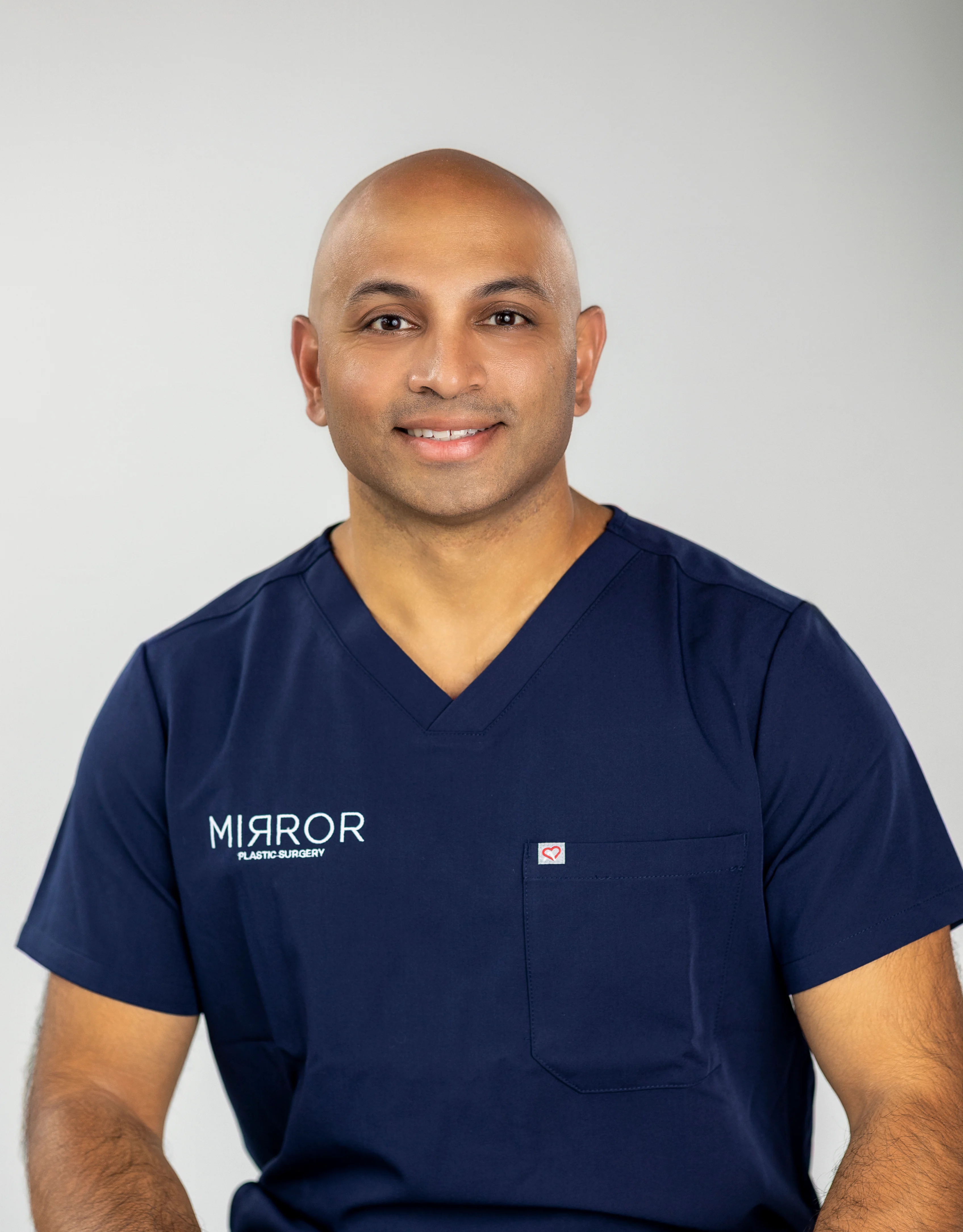
Mirror Plastic Surgery operates on a concierge medicine model: one to two procedures per day, consultations of up to an hour, and a guiding philosophy of safety first, function second, aesthetics third. This approach differs from high-volume practices that may perform five to ten procedures daily. Dr. Akash also serves as an advisory board member for Merz Aesthetics and Tiger Aesthetics, which positions him at the leading edge of aesthetic innovation.
Mirror Plastic Surgery is located at 780 4th Ave S, St. Petersburg, FL 33701. Patients can call or text 727-361-6515 to schedule, or reach the team at hello@mirrorplasticsurgery.com.
Frequently Asked Questions
Are Cellulite Injections FDA Approved?
As of 2026, no injectable is FDA-approved for cellulite. QWO was the only injectable ever granted FDA approval for this indication, but its manufacturer voluntarily discontinued it in 2022 because of tolerability concerns around bruising and skin discoloration. No replacement injectable has received FDA approval since. Avéli is FDA-cleared for cellulite as a handheld subcision device rather than an injection.
What Is The Most Successful Treatment For Cellulite?
Subcision-based treatments have the strongest evidence base and the highest long-term patient satisfaction rates among FDA-cleared cellulite options.1 Cellfina demonstrated 96% patient satisfaction at two years and maintained that level of improvement in 96% of patients at five years.1 Avéli, the newer subcision device offered at Mirror Plastic Surgery, showed clinically significant reduction maintained at 12 months in its pivotal CONFFIRM study, with approximately 90% of treated sites showing improvement. Both treatments work by directly releasing the fibrous bands responsible for dimpling, which addresses the structural cause of cellulite.
Can A 60-Year-Old Woman Get Rid Of Cellulite?
Women in their 60s and beyond can achieve meaningful cellulite reduction. Subcision-based procedures such as Avéli work by releasing the fibrous bands beneath the skin, a mechanism that remains effective regardless of age. Older patients may have additional skin laxity that benefits from complementary modalities, which Dr. Akash evaluates during the comprehensive consultation at Mirror Plastic Surgery. The realistic goal is significant, lasting reduction in dimpling rather than complete elimination, and that goal is achievable for most women across a wide age range.
What Causes A Sudden Increase In Cellulite?
Cellulite visibility can increase due to hormonal changes, including those associated with menstrual cycles, pregnancy, and menopause. Weight gain and the natural decline in collagen production with aging also play roles. Skin thinning from aging, sun damage, or prolonged corticosteroid use makes underlying fat compartments more apparent. Rapid weight loss can paradoxically worsen the appearance of cellulite by deflating fat lobules and making tethering bands more prominent. Lifestyle changes alone cannot fully address these triggers because the fibrous bands require targeted medical treatment.
Is Kybella Safe For Cellulite?
Kybella is not considered safe for cellulite treatment. Kybella (deoxycholic acid) is FDA-approved strictly for submental fat under the chin. Its FDA label explicitly states that safe and effective use for other body areas has not been established. Off-label use for cellulite on the thighs or buttocks carries documented risks including skin necrosis, ulceration, nerve injury, and hematoma, and it does not address the fibrous septae that cause dimpling. Kybella destroys fat cells, while cellulite is a structural problem caused by connective tissue bands rather than excess fat. A board-certified plastic surgeon would not recommend Kybella for cellulite treatment.
Conclusion: The Bottom Line On Cellulite Reduction Injections
As of 2026, the injectable category for cellulite has no FDA-approved options. QWO is no longer available, and the gray market of unapproved fat-dissolving injections carries documented risks that responsible providers avoid. Avéli is an FDA-cleared subcision device for long-term reduction of cellulite in the buttocks and thighs of adult females, targeting fibrous septa, with clinical data demonstrating benefits through one year. It represents one evidence-based option among several cellulite treatments rather than a sole standard. Choosing a board-certified plastic surgeon such as Dr. Akash Chandawarkar ensures that treatment is performed with a surgeon’s anatomical precision in a practice that prioritizes safety.
Disclaimer: Results may vary from person to person. Editorial content, before and after images, and patient testimonials do not constitute a guarantee of specific results.
1 Results may vary from person to person. Editorial content, before and after images, and patient testimonials do not constitute a guarantee of specific results.


