Written by: Dr. Akash Chandawarkar, Board Certified Plastic Surgeon, Mirror Plastic Surgery | Last updated: September 9, 2026
What Is Cellulite Laser Therapy? Cellulite laser therapy uses focused laser energy to soften the appearance of cellulite. Minimally invasive options use a tiny laser probe under the skin to break fibrous bands, melt small fat pockets, and stimulate collagen. Non-invasive lasers use external applicators to heat and remodel skin from the surface. Results vary by treatment type, cellulite pattern, and provider skill.1
Key Takeaways From Cellulite Laser Therapy Research
The key points from current evidence and patient feedback are:
- Cellulite laser therapy includes two main options: minimally invasive laser subcision, usually one session with results lasting one to three years, and non-invasive external laser treatments that need multiple sessions and give shorter-lived results.1
- Clinical studies show high satisfaction for minimally invasive laser procedures, while real-world reviews are more mixed and depend on cellulite type and provider expertise.1
- Most negative reviews come from non-invasive treatments or from patients who were poor candidates, while patients with discrete dimples treated by experienced providers report the most consistent improvement.1
- Cellulaze has been discontinued as of August 2026, so patients should confirm which laser device a provider uses and whether it has comparable published evidence.
- Choosing the right provider is central to results, and a consultation with Mirror Plastic Surgery can give an honest, anatomy-specific assessment of whether laser therapy fits your cellulite pattern.
How Cellulite Laser Therapy Works In Real Practice
Cellulite laser therapy falls into two distinct treatment categories that often get blended together in online reviews, which creates confusion for patients.
Minimally Invasive Laser Treatment
A small cannula containing a laser fiber, typically a 1440 nm Nd:YAG side-firing fiber, passes beneath the skin through tiny incisions under local anesthesia. The laser performs three actions in a single session. It thermally severs the fibrous septae that tether skin downward. It melts small herniated fat pockets. It heats the dermis to stimulate collagen production and skin thickening. The FDA cleared this approach under 510(k) number K102541 on January 26, 2012, with the indication for “short term improvement in the appearance of cellulite.”
Non-Invasive Laser Therapy
External applicators deliver laser or light energy through the skin surface to heat the dermis and stimulate collagen remodeling. These treatments do not physically release fibrous bands. They require multiple sessions, typically three to six, and produce subtler, shorter-lived results measured in months rather than years.
The following table summarizes the key differences between these approaches and subcision, a leading mechanical alternative:
Laser fiber releases septae, melts fat, thickens dermis11–3 years
| Factor | Minimally Invasive Laser (Cellulaze-Class) | Non-Invasive Laser | Subcision (Cellfina / Avéli) |
|---|---|---|---|
| Mechanism | External laser heats dermis to stimulate collagen | Mechanical release of fibrous bands | |
| Sessions Required | 3–6 | 1 | |
| Downtime | 1–3 days | None | 1–2 days |
| Results Duration | Months | 2–3+ years |
The distinction matters because most negative cellulite laser therapy reviews describe non-invasive experiences, while most positive clinical data comes from minimally invasive procedures.
What Clinical Studies Actually Show About Results
A multicenter trial of the 1440-nm pulsed laser followed 57 patients across five centers. At 12 months, 90% of evaluable treatment sites showed at least a one-point improvement on the cellulite severity scale.1 Blinded evaluators correctly identified baseline photographs 91% of the time. The American Society for Laser Medicine and Surgery reports 92% patient satisfaction at one year following a single procedure.1
A careful reading of the literature adds context. Most cellulite laser studies are industry-funded or authored by device consultants. For severe cellulite, minimally invasive subcision with or without 1440-nm Nd:YAG laser provides sustained improvement at 24-month follow-up, increasing skin elasticity by 34% and dermal thickness by 11%, yet results vary and no treatment is permanent.1
A Critical Fact For 2026 Consumers
As of August 2026, the Cellulaze device has been discontinued by Cynosure. This change does not erase the clinical evidence for 1440-nm laser subcision. It does mean patients cannot assume they will receive the exact device used in older trials. Modern minimally invasive laser options exist. Verifying which specific device a provider uses remains essential before scheduling treatment.
Real Patient Reviews From RealSelf And Reddit
Peer-reviewed studies of single-procedure laser cellulite treatments report high patient satisfaction at one year, yet real-world reviews look more mixed. RealSelf data shows Cellulaze holds a “Worth It” rating of approximately 86% from around 170 reviews, which reflects a clear majority but not universal satisfaction. Reddit threads on r/30PlusSkinCare and r/PlasticSurgery often sound more skeptical, with users debating whether results justify cost and downtime.
Common positive themes from patient reviews include:
- Noticeable improvement in dimple appearance for patients with discrete, structural cellulite
- Results lasting one to three years, which exceed typical non-invasive alternatives1
- Highest satisfaction among patients who had realistic expectations and an appropriate cellulite pattern
Common negative themes include:
- Bruising and soreness lasting one to two weeks, often more extensive than patients expected
- Uneven results, especially when cellulite was diffuse rather than dimpled
- Frustration when providers did not screen candidacy carefully before treatment
The pattern across reviews is consistent. Matching treatment to cellulite type matters more than matching it to a brand name. Patients with Grade II–III dimpled cellulite who received minimally invasive treatment from experienced providers reported the highest satisfaction. Patients with diffuse texture or significant laxity, who often were poor candidates, reported the most disappointment.
Side Effects And Recovery Expectations
Minimally invasive laser treatment has predictable side effects and downtime.
- Bruising and swelling peak at 48 hours and usually resolve over one to two weeks
- Soreness feels similar to a strenuous workout and responds to over-the-counter pain relievers
- Most patients return to work within one to three days, while strenuous exercise stays restricted for about two weeks
- Compression garments are typically worn for up to six weeks
- Rare risks include infection, skin irregularities, and transient numbness
Non-invasive laser therapy has milder effects.
- Temporary redness and warmth that resolve within hours
- Mild tenderness with no required downtime
The FDA clearance language sets expectations clearly. The indication specifies “short term improvement.” Maintenance sessions may be needed, and weight changes can create new dimpling. A qualified provider will explain these limits before treatment.
Alternatives To Laser Therapy For Cellulite
Laser therapy represents one option among several evidence-based cellulite treatments. The research supports multiple alternatives with different strengths.
- Subcision Devices (Cellfina, Avéli): Cellfina’s pivotal multicenter study reported patient satisfaction of 85% at three months and 96% at two years, with benefits persisting beyond three years, which is the longest durability data of any FDA-cleared cellulite treatment. Avéli, offered at Mirror Plastic Surgery, allows real-time confirmation of each septae release.
- Acoustic Wave Therapy (RESONIC): Non-invasive sound waves disrupt septae in a single session, with pivotal data showing improvement in most treated dimples, while long-term durability data continues to develop.
- Radiofrequency Devices: Heat the dermis to thicken skin, require multiple sessions, and give results that last only a few months.
- Injectable Collagenase (Qwo): FDA-approved in 2020 but voluntarily discontinued on December 6, 2022, because 84% of subjects in pivotal trials developed bruising and some experienced prolonged hemosiderin staining.
No treatment permanently eliminates cellulite.1 Discrete dimples tend to respond to subcision or laser release. Diffuse texture responds more modestly to dermal-thickening modalities.
When considering these options, the choice of provider carries as much weight as the technology itself, which leads directly into the decision framework for selecting a practice.
How To Choose A Provider For Cellulite Treatment
The evidence shows that outcomes depend more on provider skill and patient selection than on the specific laser device. When researching providers, verify the following points.
- Board certification in plastic surgery or dermatology, which goes beyond basic “aesthetic medicine” credentials
- Specific experience with laser cellulite treatments, including open discussion of complication rates
- Willingness to show before-and-after photographs of patients with similar body types and cellulite severity
- A candid assessment of your candidacy, including clear recommendations when another treatment would be more appropriate
In the St. Petersburg and Tampa area, Mirror Plastic Surgery follows this evidence-based approach. Dr. Akash Chandawarkar is a Harvard-educated, Johns Hopkins-trained, board-certified plastic surgeon who personally performs all treatments. His philosophy prioritizes safety first, function second, and aesthetics third. This sequence protects patients from being upsold on procedures that do not match their anatomy. As an advisory board member for Tiger Aesthetics, the manufacturer of Avéli, Dr. Chandawarkar has direct insight into the latest subcision evidence. He has a reputation for advising patients when an expensive treatment is unnecessary, which builds long-term trust.
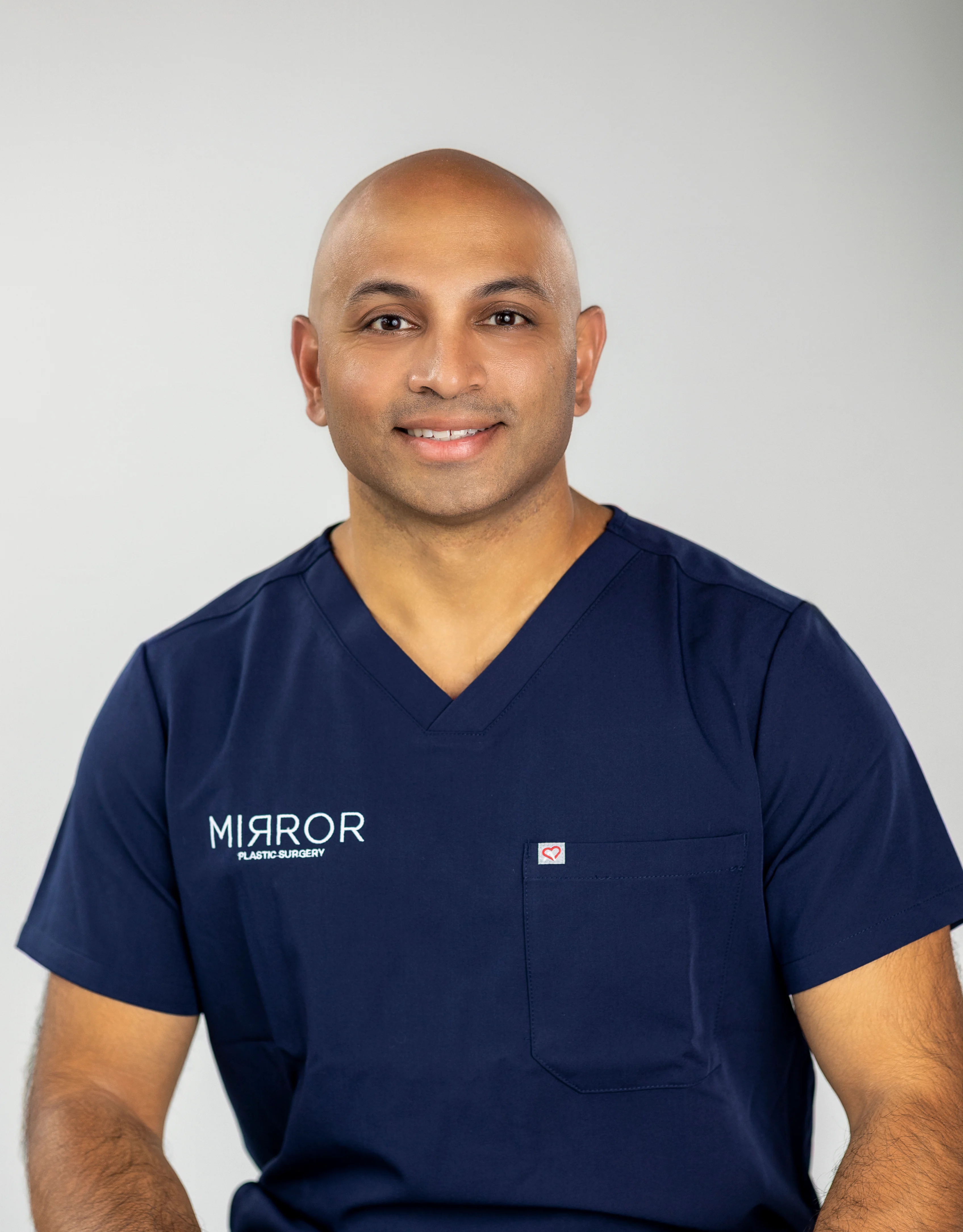
Mirror Plastic Surgery operates on a concierge medicine model, dedicating up to an hour per consultation and limiting the schedule to one or two procedures per day. This structure contrasts with high-volume clinics where rushed assessments and poor patient selection often drive the disappointing outcomes seen in negative review threads.
Frequently Asked Questions
Does Laser Treatment For Cellulite Work?
Clinical evidence supports moderate to strong efficacy for minimally invasive laser treatment, with improvement in most treated sites at one year and high patient satisfaction in trials. Patient reviews remain mixed, and outcomes depend heavily on cellulite type and provider skill. Non-invasive lasers give subtler, shorter-lived results and suit diffuse textural cellulite better than structural dimpling. The technology works best when matched to the right candidate by a qualified provider.
What Is The Most Successful Treatment For Cellulite?
No single treatment works best for every patient. For discrete, structural dimples, subcision devices like Cellfina and Avéli show the longest-lasting results, up to three years or more in pivotal studies. Minimally invasive laser treatment offers comparable durability for appropriate candidates, with results lasting one to three years. Diffuse textural cellulite responds better to dermal-thickening treatments like radiofrequency, which give more modest results and require ongoing maintenance. A board-certified plastic surgeon should assess your anatomy before recommending any approach.
Is Cellulaze Worth It?
RealSelf data shows approximately 86% of patients rate Cellulaze as “Worth It.” Clinical studies report higher satisfaction than real-world reviews, reflecting the gap between controlled trial conditions and everyday patient selection. Patients with the right cellulite type and realistic expectations report the highest satisfaction. Patients with diffuse texture or significant skin laxity, who were likely poor candidates, account for most negative reviews. The Cellulaze device is no longer available, so patients should verify which laser system a provider uses and confirm that it has comparable published evidence.
What Are The Side Effects Of Cellulite Laser Therapy?
Minimally invasive laser treatment causes bruising, swelling, and soreness for one to two weeks, with rare risks of infection, skin irregularities, or transient numbness. Compression garments are worn for up to six weeks. Non-invasive laser treatment causes temporary redness and warmth that resolve within hours, with no downtime. Serious complications remain uncommon when a board-certified provider performs treatment in an accredited setting. The MAUDE database does contain adverse event reports for laser lipolysis devices, which highlights the importance of careful provider selection and proper technique.
How Do I Know If I Am A Good Candidate For Cellulite Laser Therapy?
The best candidates for minimally invasive laser treatment have Grade II or Grade III cellulite, meaning visible dimpling at rest, that is structural and dimple-type rather than diffuse or wave-pattern. Patients with significant skin laxity may need a combined approach or a different modality. Those with mild cellulite visible only when skin is pinched often do not need an invasive procedure. A thorough in-person assessment by a board-certified plastic surgeon remains the only reliable way to determine candidacy, because the surgeon can evaluate anatomy, cellulite grade, and goals before making a recommendation.
Making An Evidence-Based Cellulite Treatment Decision
Current research supports a clear conclusion. Cellulite laser therapy can be genuinely effective for the right candidate, yet it does not solve every cellulite pattern. Clinical studies demonstrate real efficacy and clear limitations. Patient reviews mirror that reality, with satisfaction highest among those who received appropriate treatment from qualified providers. No cellulite treatment is permanent, and FDA-cleared options reduce rather than erase dimpling, while bands can re-form over time.1
The path to a good outcome begins with choosing a provider who will honestly assess whether you are a candidate at all. In the St. Petersburg and Tampa area, Dr. Akash Chandawarkar at Mirror Plastic Surgery offers an evidence-based, anatomy-first evaluation that prioritizes long-term well-being over any single procedure or device.
Schedule a personalized cellulite consultation with Ellie to receive an honest, evidence-backed assessment of your treatment options from a board-certified plastic surgeon who tailors recommendations to your anatomy, goals, and budget.
Disclaimer: Results may vary from person to person. Editorial content, before and after images, and patient testimonials do not constitute a guarantee of specific results.
1 Results may vary from person to person. Editorial content, before and after images, and patient testimonials do not constitute a guarantee of specific results.