
Written by: Dr. Akash Chandawarkar, Board Certified Plastic Surgeon, Mirror Plastic Surgery | Last updated: September 9, 2026
Key Takeaways on RF Cellulite Treatment
- Radiofrequency cellulite treatment produces statistically significant but modest reductions in thigh circumference and tissue thickness. Results are temporary and require maintenance sessions.1
- Evidence from a 2025 systematic review and the American Academy of Dermatology shows RF improves cellulite appearance modestly rather than eliminating it.1
- RF does not release fibrous septae. Structural treatments like Avéli or Cellfina provide more durable correction for moderate to severe dimpling.
- Ideal candidates have moderate cellulite with some skin laxity and realistic expectations about multiple sessions and ongoing maintenance.
What Radiofrequency Cellulite Treatment Does
Radiofrequency cellulite treatment uses controlled thermal energy to heat the dermis and subcutaneous tissue. This process stimulates collagen production, contracts fibrous septae, and can temporarily improve skin texture and firmness.1 It is a non-invasive procedure that typically requires multiple sessions. Results are modest and temporary, not curative.1
RF devices deliver heat to the skin and underlying tissue through three main actions. They stimulate fibroblasts to produce new collagen and elastin. They cause existing collagen fibers to contract, which creates immediate tightening. They also temporarily disrupt fat cell membranes. The FDA has cleared multiple RF devices for non-invasive fat reduction, skin tightening, and temporary improvement in the appearance of cellulite.
Two primary delivery formats exist. Non-invasive RF skin tightening uses surface applicators and typically requires a series of 2–6 sessions, most commonly 3–6, spaced 2–6 weeks apart. RF microneedling, such as Profound RF, uses fine needles to deliver radiofrequency energy into the dermis, targeting deeper tissue than non-invasive RF and typically requiring around 3–4 sessions for full results.
What the Evidence Says About RF for Cellulite
The 2025 Systematic Review
A 2025 systematic review in Aesthetic Plastic Surgery characterized the overall evidence for cellulite treatments as moderate per the GRADE approach, noted short average follow-up periods, and concluded that no cellulite treatment has been definitively established as superior. Within that review, RF produces measurable reductions in thigh circumference and subcutaneous tissue thickness.1 The brief follow-up periods limited conclusions about how long those improvements last.
The 2026 Pilot Study
A randomized exploratory pilot study published in Health Science Reports (2026) evaluated a high-power multichannel RF device in 20 women with thigh cellulite. After 10 sessions over 5 weeks, the RF-only group showed a mean thigh circumference reduction of 6.1 cm and subcutaneous thickness reduction of 8.77 mm, with very large effect sizes (Cohen’s d = 1.67–3.48).1 No patients experienced pain, and transient erythema resolved within 20 minutes. The authors cautioned that the small sample, baseline imbalances, and absence of long-term follow-up require confirmation in larger trials.
The AAD Position
The AAD states that RF may help some patients see “a little less cellulite” and emphasizes that cellulite treatments reduce appearance rather than eliminate it permanently. The AAD does not position RF as a curative intervention.
The Bottom Line on Effectiveness
RF produces measurable but modest improvement in cellulite appearance. Results are temporary, and maintenance sessions are typically required.1 This framing aligns with Mirror Plastic Surgery’s evidence-based, safety-first philosophy and with what current data supports. To understand where RF fits among other options, it helps to compare it directly with structural treatments like Avéli and Cellfina.
RF vs. Other Cellulite Treatments: What the Comparative Data Shows
A review by Bass and Kaminer in Dermatologic Surgery concluded that treatments acting on the fibrous septa offer the best prospects for lasting improvement in skin topography. The limited durability of treatments targeting only the dermis and adipose tissue suggests these tissues are not the primary structural cause of cellulite. RF does not release fibrous septae. It remodels tissue through heat.
Avéli, FDA-cleared in 2022, uses an illuminated probe for targeted, verifiable subcision, mechanically releasing fibrous septa under direct visualization. Its CONFFIRM pivotal trial (Stevens et al., 2023) demonstrated high improvement rates on the GAIS at 12 months after a single session. Cellfina’s pivotal trial reported 94% patient satisfaction at 3 years, which represents the longest-duration satisfaction data for any cellulite device. Together, these data support the durability of subcision-based approaches.
A 2026 study by DiBernardo in Aesthetic Surgery Journal Open Forum (PMID 42052199) combined Avéli with helium plasma RF (Renuvion). The study showed progressive improvement through 180 days, with histological confirmation of collagen and elastin remodeling. These findings support combination approaches that address both the structural and textural components of cellulite.
The AAD does not recommend cryolipolysis for cellulite because it does not address the fibrous bands that cause dimpling. RF and CoolSculpting therefore serve different roles and are not interchangeable for cellulite treatment.
The table below summarizes how each treatment compares on mechanism, evidence strength, and durability.
| Treatment | Mechanism | Evidence Strength | Durability |
|---|---|---|---|
| Radiofrequency | Thermal collagen stimulation | Moderate (2025 systematic review) | Months; maintenance needed |
| Avéli (subcision) | Mechanical septal release | High (pivotal trial, 12-month data) | 12+ months, single session |
| Cellfina (subcision) | Mechanical septal release | High (3-year follow-up data) | Up to 3 years |
| CoolSculpting | Cryolipolysis (fat reduction) | Not recommended for cellulite by AAD | N/A for cellulite |
For mild to moderate cellulite with skin laxity, RF may provide meaningful improvement in texture. For moderate to severe dimpling, subcision-based treatments offer more durable structural correction. Combination approaches, such as Avéli followed by RF, can address both the structural and textural components.
What to Expect From RF Sessions, Results, and Downtime
This section moves from comparing treatments to what RF feels like in real life. Clinical protocols generally involve 6–10 sessions scheduled weekly or biweekly, because RF produces cumulative results through repeated collagen stimulation and gradual tissue remodeling. The 2026 pilot study used 10 sessions over 5 weeks, with treatments twice weekly.
A typical RF treatment session proceeds as follows:
- Consultation and Assessment: Your provider evaluates cellulite grade, skin quality, and candidacy.
- Preparation: The treatment area is cleansed, and anesthesia is rarely needed.
- Treatment: The RF applicator is moved over the target area, delivering controlled thermal energy.
- Sensation: Most patients feel warmth rather than pain, and transient erythema resolves within 20 minutes.
- Duration: Sessions last 20–45 minutes per area, depending on the device and treatment zone.
- Aftercare: There is no downtime. Mild redness usually resolves within hours, and normal activities resume immediately.
RF-stimulated collagen continues to improve skin texture for 3–6 months after the final session, and results can last 6–12 months with proper maintenance and occasional maintenance sessions every 2–3 months.1 Without maintenance, a treatment course can produce results that fade within three months.1
Who Is a Good Candidate for RF Cellulite Treatment?
RF cellulite treatment works best for a specific patient profile. Ideal candidates share the following characteristics:
- Moderate cellulite, specifically Grade 2 or 3 on the Nürnberger-Muller Scale, as supported by clinical studies
- Good skin elasticity and a goal of modest improvement with some skin tightening
- Realistic expectations that RF improves cellulite appearance rather than removing it
- Willingness to commit to multiple sessions and ongoing maintenance
RF is generally less appropriate for the following profiles:
- Individuals with severe cellulite, such as Grade 3 visible even when lying down
- Those with significant skin laxity who may benefit more from surgical tightening
- Patients expecting permanent or dramatic results from a single treatment type
Key questions to ask any provider before committing to RF include:
- What results can I realistically expect based on my cellulite grade?
- How many sessions will I need, and how long are results likely to last?
- Is RF the most appropriate treatment for my cellulite pattern, or would a structural treatment like Avéli be more effective?
- What device will you use, and what evidence supports its efficacy?
- What risks and side effects apply to my skin type?
Why Mirror Plastic Surgery Is a Strong Choice for RF
Dr. Akash Chandawarkar is a board-certified plastic surgeon, Harvard-educated and Johns Hopkins-trained, with fellowship training in aesthetic surgery at Manhattan Eye Ear & Throat Hospital/Lenox Hill Hospital. He personally performs all treatments, so every procedure benefits from a surgeon’s command of subdermal anatomy. He serves on advisory boards for Merz Aesthetics and Tiger Aesthetics, the manufacturer of Avéli, which positions him to offer informed guidance on whether RF, Avéli, or a combination approach fits each patient.
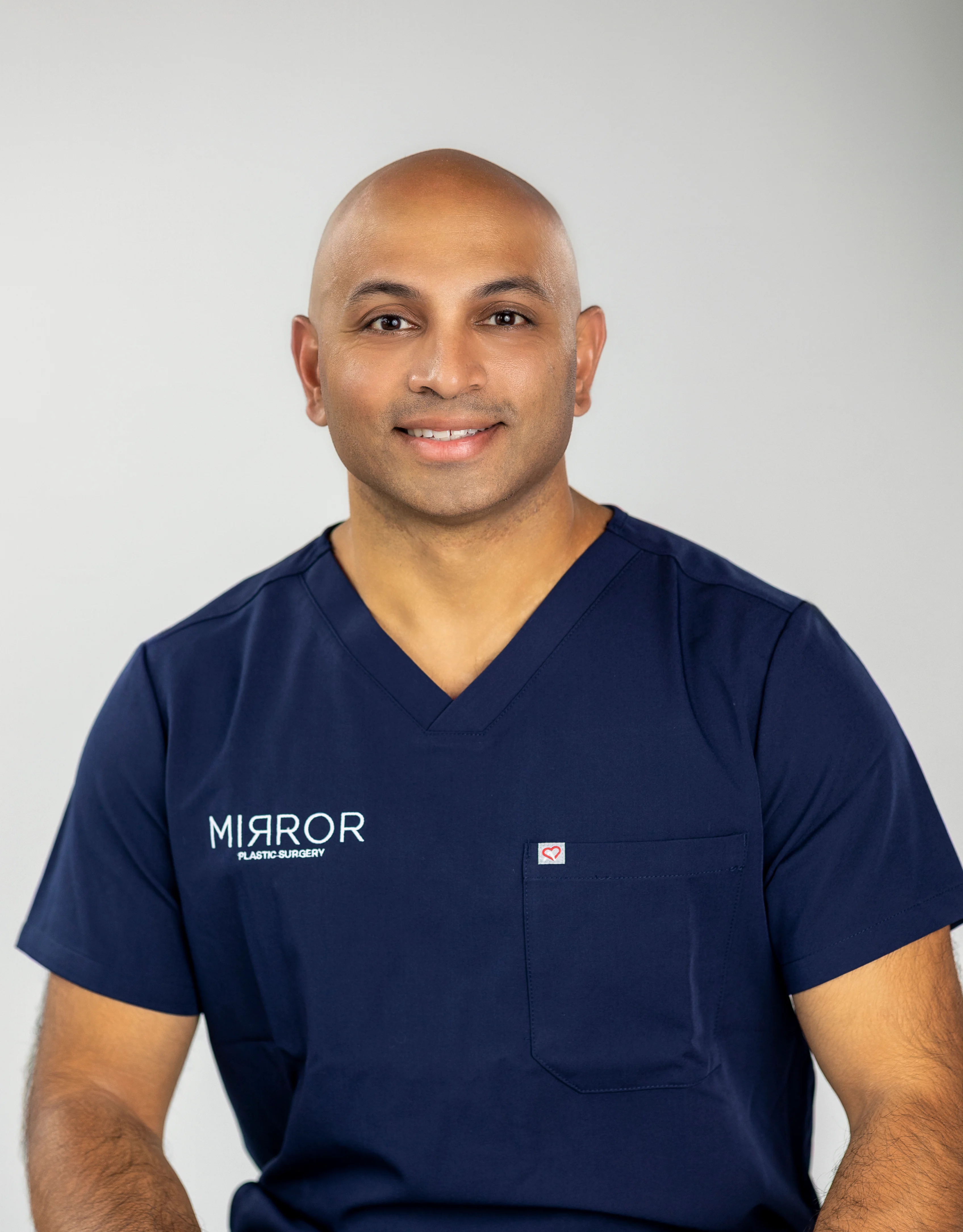
Mirror Plastic Surgery limits itself to one to two surgeries daily, and consultations can extend up to an hour. This schedule allows for a comprehensive top-to-bottom assessment. The practice’s guiding principle, “safety first, function second, aesthetics third,” keeps recommendations focused on long-term well-being. Mirror’s concierge approach means your treatment plan is tailored to your anatomy, cellulite grade, and goals. Dr. Akash is known for his transparency and will sometimes advise that a treatment is not necessary yet, which helps build lasting trust.
Frequently Asked Questions
Is RF Better Than CoolSculpting for Cellulite?
For cellulite specifically, RF is the more appropriate choice. CoolSculpting uses cryolipolysis to reduce fat volume and does not address the fibrous bands that cause cellulite dimples. The American Academy of Dermatology does not recommend cryolipolysis for cellulite. RF stimulates collagen production and may improve skin texture and firmness, although results remain modest and temporary. Neither treatment replaces the structural correction offered by subcision-based procedures like Avéli or Cellfina for moderate to severe dimpling.
What Factors Influence RF Cellulite Treatment Planning?
Treatment planning varies based on the number of sessions recommended, the size of the treatment area, the specific device used, and the provider’s expertise. A full course typically involves 6–10 sessions. RF represents a category of technologies rather than a single product, so protocols should reflect the specific device and your anatomy. Mirror Plastic Surgery provides personalized recommendations during consultation, with treatment plans tailored to individual goals rather than standardized packages.
What Is the Most Successful Cellulite Treatment?
Based on current evidence, subcision-based treatments such as Avéli and Cellfina offer the most durable results because they mechanically release the fibrous septae that cause dimpling. Avéli’s pivotal trial reported strong improvement at 12 months after a single session, and Cellfina has published 3-year durability data with high patient satisfaction. RF offers statistically significant but modest, temporary improvement and may complement structural treatments as part of a combination protocol that targets both structural and textural components.
Can Radiofrequency Tighten Loose Thigh Skin?
RF can produce mild to moderate skin tightening by stimulating collagen and elastin production in the dermis.1 For mild laxity, this can be clinically meaningful. For significant skin laxity, RF alone is generally insufficient. A 2026 study combining Avéli subcision with helium plasma RF showed progressive improvement in both cellulite appearance and skin laxity through 180 days, with histological confirmation of collagen and elastin remodeling. These findings suggest that combination approaches may be more effective than RF alone for patients with both structural dimpling and textural concerns.
How Many RF Sessions Are Needed for Cellulite?
Clinical protocols typically recommend 6–10 sessions for optimal results. The 2026 pilot study used 10 sessions over 5 weeks, administered twice weekly. Some protocols extend to 12 sessions when the goal is more significant improvement. Most patients notice initial changes after 4–6 weeks, with peak results at 3–6 months as collagen remodeling continues. Without maintenance sessions every 2–3 months, improvement typically fades within 3–6 months because RF does not permanently alter the fibrous septae that cause cellulite.1
Conclusion: Making an Evidence-Based Decision
Radiofrequency cellulite treatment produces statistically significant but modest improvement, supported by moderate-quality evidence from the 2025 systematic review. Results are temporary and require maintenance. For moderate to severe cellulite, subcision-based treatments like Avéli provide more durable structural correction after a single session. For mild cellulite with skin laxity, RF may offer meaningful smoothing and tightening. Combination approaches that target both fibrous septae and dermal quality can provide comprehensive outcomes.
The right choice depends on your cellulite grade, skin quality, and goals, which makes a personalized, surgeon-led assessment essential before committing to any protocol. Mirror Plastic Surgery, under the direction of Dr. Akash Chandawarkar, provides that level of evaluation. With advisory roles for Avéli’s manufacturer, a concierge medicine philosophy, and a commitment to safety, function, and aesthetics, Mirror offers the evidence-based guidance needed to make a confident, well-informed decision about radiofrequency cellulite treatment or any alternative that may serve you better.
Disclaimer: Results may vary from person to person. Editorial content, before and after images, and patient testimonials do not constitute a guarantee of specific results.
1 Results may vary from person to person. Editorial content, before and after images, and patient testimonials do not constitute a guarantee of specific results.