Written by: Dr. Akash Chandawarkar, Board Certified Plastic Surgeon, Mirror Plastic Surgery | Last updated: September 9, 2026
Key Takeaways From Current Cellulite Research
- Cryoskin is not FDA-cleared for cellulite, and the American Academy of Dermatology (AAD) does not recommend cryolipolysis for cellulite because it targets fat instead of the fibrous bands that cause dimpling.
- Clinical studies on cryolipolysis show reduced fat thickness but no statistically significant cellulite improvement, so any visible change is indirect and temporary.1
- Avéli is the only FDA-cleared procedure that mechanically releases the fibrous septa responsible for cellulite, with results that can last up to three years from a single treatment.1
- Cryoskin typically involves a multi-session course with ongoing maintenance, while proven options like Avéli provide longer-lasting outcomes without frequent repeat visits.1
- Patients who want lasting cellulite improvement can schedule a consultation at Mirror Plastic Surgery for an evidence-based review of FDA-cleared treatment options.
How Cryoskin Works On Fat and Skin
Cryoskin is a non-invasive body contouring device that uses controlled cooling and warming cycles to reduce localized fat and improve skin appearance. It offers two main protocols: CryoSlimming for fat reduction and CryoToning for skin tightening and cellulite.
The proposed mechanism is thermal shock. By alternating cold and warm temperatures, the device is intended to trigger apoptosis (programmed cell death) in fat cells and stimulate collagen production. The Cryoskin Revolution uses a Peltier system to alternate between +40°C and -8°C, and manufacturers claim this improves skin texture and reduces the appearance of cellulite.1 CRYO’s °CRYO Slim Cellulite device delivers controlled cold and heat at verified temperatures of -18°C to 45°C.
The regulatory status of these devices matters for safety and claims. The Cryoskin 3.0 has no US FDA 510(k) clearance on file. Its slimming and toning claims are not FDA-cleared indications, and it is marketed as a general wellness product under FDA’s General Wellness guidance, which does not require FDA review or clearance. This differs from true cryolipolysis systems. Zeltiq/CoolSculpting received de novo clearance DEN090002 for the flanks in 2010, followed by 510(k) clearances for the abdomen, thighs, submental area, and other regions, and the FDA classifies these devices as prescription-use only.
Evidence On Cryoskin For Cellulite
The AAD Position: The American Academy of Dermatology does not recommend cryolipolysis for cellulite treatment because it does not address the fibrous bands that cause the dimpled appearance, even though it can be effective for shrinking small pockets of fat. Cellulite involves fibrous connective bands that tether the skin to deeper tissue. Cryolipolysis targets subcutaneous fat but leaves those bands intact.
What Clinical Studies Show: Research on cryolipolysis consistently demonstrates fat layer reductions in treated areas. These studies measure fat thickness and circumference, not cellulite improvement. A 2025 meta-analysis by Hakami et al. in the World Journal of Plastic Surgery found that cryolipolysis significantly reduced local fat thickness (MD -3.56 mm) and treated-area circumference (MD -3.45 cm), but found no statistically significant change in body weight, which supports targeted contouring rather than weight loss. Controlled-trial and meta-analysis evidence for cryolipolysis is drawn almost entirely from FDA-cleared suction-applicator systems and does not extend to handheld wand devices like Cryoskin that sweep the skin surface. Peer-reviewed controlled-trial data for these moving-wand devices is essentially absent.
Expert Analysis: Cellulite specialist Georgios Tzenichristos of LipoTherapeia in London notes that cryolipolysis works on deeper subcutaneous fat, while cellulite is found in the more superficial hypodermis. He concludes that “fat freezing” does not work on cellulite and that manufacturers of this technology confirm this in their official claims. Manufacturers of cryolipolysis devices do not claim cellulite reduction or skin tightening in their official literature.
What Cryoskin Can and Cannot Do: Cryoskin may produce modest, temporary improvements in skin tone or firmness for some individuals, and CryoSlimming may reduce localized fat pockets. Any visible cellulite improvement after cryolipolysis is indirect and limited, occurring only because reduced fat bulges can make dimpling less noticeable in some patients.1 Because Cryoskin does not address the fibrous bands that cause cellulite, it is not a proven cellulite treatment, results are temporary, and the evidence base remains limited and weak for this specific device.1
Given these limitations, patients often benefit from comparing Cryoskin with treatments that directly target the structural cause of cellulite.
Cryoskin Compared With Proven Cellulite Treatments
Avéli is a minimally invasive, FDA-cleared procedure designed specifically to treat cellulite by mechanically releasing the fibrous bands that cause dimpling. Subcision-based procedures such as Avéli physically release the fibrous bands beneath individual dimples and offer durable improvement for deep, well-defined cellulite, with results lasting up to three years in published trials.1 Dr. Akash Chandawarkar serves on the advisory board for Tiger Aesthetics, Avéli’s manufacturer, and performs the procedure personally at Mirror Plastic Surgery.
Radiofrequency (RF) Treatments use controlled heat to stimulate collagen production and improve skin texture. Radiofrequency energy creates controlled heating that may affect subcutaneous fat, connective tissue, and collagen, with goals including modest circumference reduction, cellulite improvement, or a tighter appearance.1 RF does not directly cut fibrous bands, and results vary by device and protocol.
Injectable Biostimulators such as Radiesse can smooth cellulite by stimulating collagen and improving skin quality in the treated area. Dr. Akash incorporates these into non-surgical BBL procedures at Mirror Plastic Surgery.
CoolSculpting uses cryolipolysis like Cryoskin and targets subcutaneous fat instead of fibrous bands. The AAD does not recommend cryolipolysis for cellulite regardless of the specific device used.
The table below summarizes how each treatment compares on mechanism, evidence, and typical course, and highlights that Avéli is the only FDA-cleared option that directly addresses the structural cause of cellulite.
| Treatment | Mechanism | Evidence Level | Typical Course |
|---|---|---|---|
| Cryoskin | Thermal shock targeting fat cells | Limited; not FDA-cleared for cellulite | Multi-session course for visible cellulite reduction; temporary results |
| Avéli | Mechanically releases fibrous bands | FDA-cleared; clinical studies to 3 years | One-time procedure |
| Radiofrequency | Heat stimulates collagen | Moderate; varies by device | Series of sessions; maintenance required |
| Injectable Biostimulators | Collagen stimulation | Off-label; clinical experience | Series; results 6–18 months |
Treatment Course and How Long Results Last
CRYO’s manufacturer guidance states that visible cellulite reduction typically requires 10–15 sessions, improved skin firmness and tone requires 6–10 sessions, and improved circulation and skin smoothing requires 3–5 sessions. CRYO also recommends maintenance treatment of 2 or 3 sessions about 6 months after completing the initial course to help maintain results. Because Cryoskin does not address the fibrous bands that cause cellulite, any improvements in dimpling are indirect and require ongoing investment to sustain.
Avéli is a one-time procedure. Clinical studies demonstrate results lasting up to three years.1 which makes it more cost-effective over time despite a higher upfront cost.
Radiofrequency treatments usually involve a series of sessions with maintenance every 6–12 months to sustain results. Individual outcomes vary across all modalities, so a thorough consultation helps set realistic expectations based on your anatomy and cellulite severity.1
Plan Your Cellulite Treatment Timeline With Mirror Plastic Surgery to match your goals and schedule.
Cryoskin Side Effects and Safety
Common side effects are local and temporary. Reviews of cryolipolysis safety data report that common side effects include erythema (redness), swelling, bruising, tenderness or aching, tingling or pins-and-needles, temporary numbness or altered sensation, and mild cramping or delayed soreness. These typically settle within days or weeks. About 66% of cryolipolysis patients experience reduced skin sensation in the treated area, with full sensation usually returning by roughly 56 days after treatment.
Rare but serious complications require careful discussion. Paradoxical adipose hyperplasia (PAH), where treated fat enlarges instead of shrinking, is a documented complication of cryolipolysis. A 2025 retrospective review by Friedmann et al. of 18,203 cryolipolysis treatment cycles found PAH occurred at a rate of roughly 0.018%–0.048% of cycles. PAH does not resolve on its own and may require surgery. Rare but serious complications also include frostbite and thermal injury, permanent contour irregularities, and skin atrophy.
Contraindications are especially relevant for thigh and buttock treatments. Cryolipolysis is contraindicated for people with cryoglobulinemia, cold agglutinin disease, and paroxysmal cold hemoglobinuria, because sustained cold can trigger a dangerous systemic reaction. People with Raynaud’s phenomenon, cold urticaria, or known neurologic diseases should proceed with caution. Pregnancy, active infections, and certain circulatory conditions are also contraindications.
Avéli, performed under local anesthesia by a physician, carries typical minimally invasive risks such as temporary bruising and soreness. It avoids cold-related complications that can occur with cryolipolysis.
Key Questions To Ask Before Cryoskin
- Is the device FDA-cleared for cellulite treatment specifically?
- What results can I realistically expect, and what does the clinical evidence support?
- How many sessions will I need, and what is the total cost of the full treatment course?
- What alternative treatments with stronger evidence should I consider?
- Who will be performing the treatment, and what are their qualifications?
- What is your protocol for managing complications such as paradoxical adipose hyperplasia?
Why Mirror Plastic Surgery Is Different For Cellulite Care
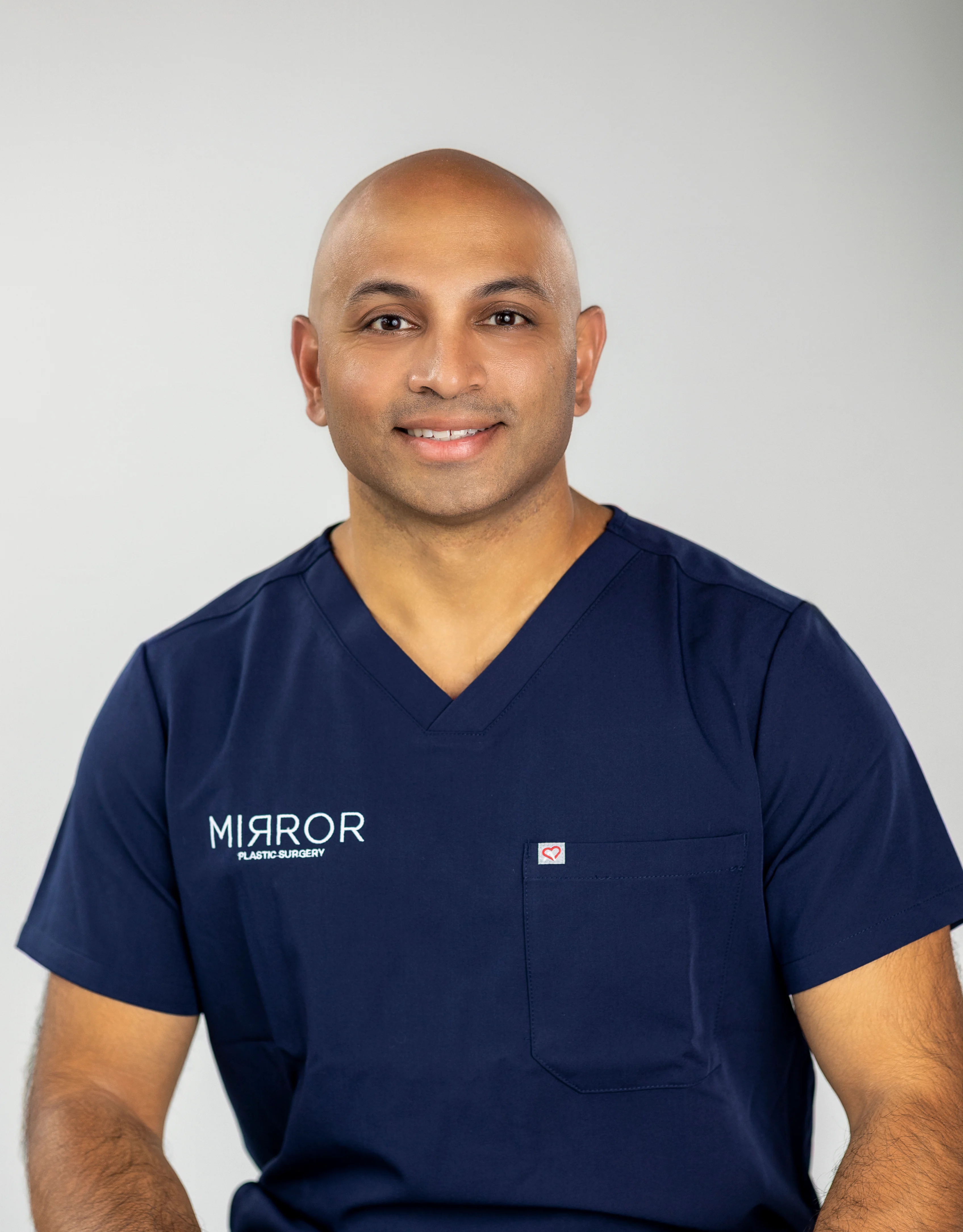
Mirror Plastic Surgery takes a physician-led, anatomy-focused approach to cellulite evaluation. Dr. Akash Chandawarkar is a Harvard-educated, Johns Hopkins-trained, board-certified plastic surgeon with fellowship training in aesthetic surgery at the Manhattan Eye Ear & Throat Hospital/Lenox Hill Hospital. Every cellulite consultation is led by a surgeon who understands subdermal anatomy and can identify which treatment or combination of treatments truly fits your body.
The practice offers Avéli, the only FDA-cleared cellulite procedure that allows a provider to identify and precisely release cellulite-causing fibrous septa with real-time confirmation of release, though other FDA-cleared devices (e.g., Cellfina) also release fibrous bands for cellulite. Dr. Akash performs Avéli personally. Mirror Plastic Surgery follows a concierge medicine philosophy with hour-long consultations, personalized treatment planning, and clear communication that prioritizes patient well-being. The practice’s guiding principle, “safety first, function second, aesthetics third,” keeps recommendations grounded in evidence and individual anatomy.
Mirror Plastic Surgery is located at 780 4th Ave S, St. Petersburg, FL, and serves the greater Tampa Bay area. You can reach the team by phone at 727-361-6515 or by email at hello@mirrorplasticsurgery.com.
Schedule Your Cellulite Consultation With Mirror Plastic Surgery to receive an evidence-based, personalized plan.
Frequently Asked Questions
How Long Do Cryoskin Results Last?
Cryoskin results are temporary. Manufacturer guidance and provider experience suggest visible improvements last several months, with maintenance sessions needed every few months to sustain effects. Because Cryoskin does not address the fibrous bands that cause cellulite, any reduction in dimpling is indirect and the structural cause remains. Avéli clinical studies show results that can last up to three years from a single procedure, which offers a more durable option for patients who want long-term change.1
Is Cryoskin Better Than CoolSculpting For Cellulite?
Cryoskin and CoolSculpting both use cryolipolysis technology that targets subcutaneous fat. Neither device is FDA-cleared for cellulite treatment, and neither addresses the fibrous connective bands that create the dimpled appearance of cellulite. The American Academy of Dermatology does not recommend cryolipolysis for cellulite regardless of the specific device. CoolSculpting has FDA clearance for fat reduction in specific body areas, which Cryoskin lacks, but that clearance does not extend to cellulite for either device.
How Many Cryoskin Sessions Do I Need?
The number of sessions depends on your goals, treatment area, cellulite severity, and individual response. Manufacturer guidance suggests that visible cellulite reduction often requires a lengthy multi-session course, with additional maintenance sessions every several months to sustain results. This structure makes the cumulative investment significant over time.
Does Cryoskin Have Side Effects?
Common side effects include temporary redness, numbness, tingling, bruising, and mild swelling that usually resolve within hours to days. Numbness can persist for several weeks in some patients. Rare but serious complications include paradoxical adipose hyperplasia (PAH), where treated fat enlarges instead of shrinking, which does not resolve on its own and typically requires surgical correction. Frostbite and thermal injury have also been reported, especially with improper technique or device malfunction. Individuals with cold sensitivity conditions such as Raynaud’s phenomenon, cold urticaria, and cryoglobulinemia should avoid Cryoskin.
What Is The Most Effective Non-Surgical Alternative To Cryoskin For Cellulite?
Patients who want meaningful cellulite improvement often do better with FDA-cleared treatments that target the structural cause of cellulite. Avéli mechanically releases the fibrous bands responsible for dimpling in a single minimally invasive procedure, with clinical studies showing results that can last up to three years. Radiofrequency treatments and injectable biostimulators can complement cellulite management by improving skin quality and texture, although they do not directly cut fibrous bands. A board-certified plastic surgeon can evaluate your anatomy and cellulite pattern to recommend the most appropriate treatment or combination.
Conclusion: Making An Evidence-Based Cellulite Plan
Cryoskin is not a proven cellulite treatment. The clinical evidence is limited, the American Academy of Dermatology advises against cryolipolysis for cellulite, and the Cryoskin 3.0 device lacks FDA clearance for this indication. Existing peer-reviewed evidence for cryolipolysis focuses on FDA-cleared suction-applicator systems, not the handheld wand devices used by Cryoskin. Some patients may see temporary improvements in skin tone or modest fat reduction, but Cryoskin does not treat the structural cause of cellulite and requires ongoing maintenance sessions that add cost without delivering durable change.1
Patients seeking meaningful, lasting improvement often benefit from FDA-cleared treatments like Avéli, which specifically targets the fibrous bands that cause cellulite. A consultation with a board-certified plastic surgeon remains the most reliable way to match treatment options with your anatomy, goals, and expectations.
Request Your Personalized Cellulite Evaluation At Mirror Plastic Surgery to explore safe, research-backed options.
Disclaimer: Results may vary from person to person. Editorial content, before and after images, and patient testimonials do not constitute a guarantee of specific results.
1 Results may vary from person to person. Editorial content, before and after images, and patient testimonials do not constitute a guarantee of specific results.