Written by: Dr. Akash Chandawarkar, Board Certified Plastic Surgeon, Mirror Plastic Surgery | Last updated: September 9, 2026
Key Takeaways
- Cellulite comes from fibrous bands tethering the skin, so accurate diagnosis of type and severity guides the right treatment.
- Non-invasive treatments like Emtone can improve mild cellulite temporarily, while minimally invasive options like FDA-cleared Avéli release fibrous bands for longer-lasting results.1
- Different cellulite types respond to different treatments: Avéli targets distinct dimples, radiofrequency devices address skin laxity, and combination plans treat both.
- Choose providers who are board-certified in plastic surgery or dermatology and who personally perform your treatment, instead of relying on technician-led med spas.
- Book a consultation with Ellie at Mirror Plastic Surgery for a personalized cellulite plan based on your anatomy and goals.
Why Medical Spa Cellulite Claims Feel So Confusing
An estimated 80 to 90% of post-pubertal women have cellulite, yet the market overflows with creams, rollers, and devices promising smooth skin. The confusion comes from marketing that often outpaces clinical evidence. Most of what patients hear about cellulite treatment is driven by advertising budgets, not data.
This guide comes from Dr. Akash Chandawarkar, a board-certified plastic surgeon who personally performs cellulite treatments, including Avéli, at Mirror Plastic Surgery in St. Petersburg, Florida. It outlines a seven-point framework you can use to evaluate any medical spa. By the end, you will know which questions to ask and which answers truly matter.
Book a consultation with Ellie at Mirror Plastic Surgery to review your cellulite treatment options.
1. Understand How Cellulite Forms In The Body
Cellulite forms when fibrous bands called septae tether the skin downward while fat lobules push upward, creating dimples. Hormonal factors, genetics, and connective tissue structure drive cellulite more than body fat percentage alone. Even thin, athletic women can have visible cellulite.
Two main patterns appear in practice. Soft cellulite usually comes with skin laxity and a crepey texture. Hard cellulite feels firm and dimpled because of tight fibrous bands. Severity is graded on validated scales. The Nürnberger–Müller scale classifies cellulite from 0 to 3, from dimpling only when pinched to dimpling visible when standing and lying down.
The Hexsel Cellulite Severity Scale scores five features, including skin laxity, from 0 to 3 for a total of 0 to 15. This scale offers more detail for clinical decision-making.
The right medical spa will identify your cellulite type and grade before suggesting treatment. A provider who recommends a plan without examining you while standing signals poor evaluation.
2. Compare Non-Invasive And Minimally Invasive Cellulite Treatments
This distinction shapes your results, downtime, and how long improvements last.
Non-invasive options, such as radiofrequency devices like Emtone, acoustic wave therapy, and mechanical massage devices like VelaShape, work on the skin and tissue surface. They heat tissue, stimulate collagen, and temporarily improve circulation. A 2023 clinical review in Aesthetic Plastic Surgery found radiofrequency-based devices had the strongest evidence among non-invasive options. These treatments suit mild cellulite and skin laxity, but results fade and require multiple sessions plus maintenance.
Minimally invasive options like Avéli, an FDA-cleared device, directly release the fibrous bands that cause dimples. Avéli uses a handheld device with transillumination, allowing real-time visualization of each band and confirmation that it has been fully severed. Most patients need only a single procedure.
Procedures that release fibrous bands under the skin provide the longest-lasting results, according to Dr. Mathew Avram of Harvard Medical School.1 No treatment erases cellulite forever. Subcision-based treatments address the structural cause, while non-invasive devices mainly improve skin quality and texture.
3. Choose The Most Effective Treatment For Your Cellulite Type
The most effective cellulite treatment depends on what you see and feel in the mirror.
For fibrous bands that create distinct dimples, minimally invasive subcision with Avéli offers the strongest results. This FDA-cleared treatment usually takes one session. A 2023 multicenter pivotal study by Stevens et al. reported that a single targeted subcision session produced improvement on the GAIS score in 93.9% of patients at 12 months.1
For skin laxity and crepey texture, radiofrequency-based treatments like Emtone are appropriate. Emtone combines radiofrequency energy with targeted pressure energy to address uneven fat chambers, fibrous tissue, circulation, and skin laxity.
For a mix of dimples and loose skin, combination therapy often works best. A comprehensive review by Gabriel et al. found that combination strategies, especially those using energy-based technologies, outperformed single treatments by targeting both fibrous structures and dermal quality. Many patients choose Avéli for band release plus an energy-based treatment for skin quality.
A board-certified provider will match your treatment to your cellulite pattern. If a med spa recommends a package without this assessment, consider another opinion.
4. Match Your Treatment Plan To Cellulite Or Skin Laxity
A simple framework can guide your options:
- Soft cellulite with loose, crepey skin: Non-invasive radiofrequency treatments like Emtone or other skin-tightening options. Expect several sessions and periodic maintenance.
- Firm, dimpled cellulite visible when standing: Minimally invasive options like Avéli. Most patients need one procedure with durable results.
- Both dimples and laxity: Combination therapy that treats fibrous tethering and skin quality in a staged plan.
Cellulite Treatment Vs. Skin Laxity Treatment
True skin laxity differs from cellulite. Laxity shows up as crepey, stretched, thin, or hanging skin with slower recoil. Cellulite appears as dimples caused by fibrous bands that tether skin and fat. If you pinch your skin and it does not snap back quickly, you likely have a laxity component. If you see clear dimples when standing, fibrous bands play a major role.
A hands-on assessment remains the most reliable way to separate cellulite from laxity, because photos alone cannot show tissue quality or how an area moves.
5. Confirm Provider Credentials Before Scheduling
The term “medical spa” covers a wide range of training levels. The American Med Spa Association notes that titles like “medical aesthetician” or “certified laser technician” can mislead patients. In many states, providers with limited training can perform procedures that penetrate the skin.
Use this credential checklist:
- Board certification in plastic surgery or dermatology, not just a state medical license
- Procedure-specific training, such as Avéli certification from the manufacturer
- A physician who performs the treatment personally, instead of delegating to a technician under remote supervision
- Emergency preparedness with written protocols for complications
- Verified licensure through the Federation of State Medical Boards’ DocInfo database, which lists licensure and disciplinary history
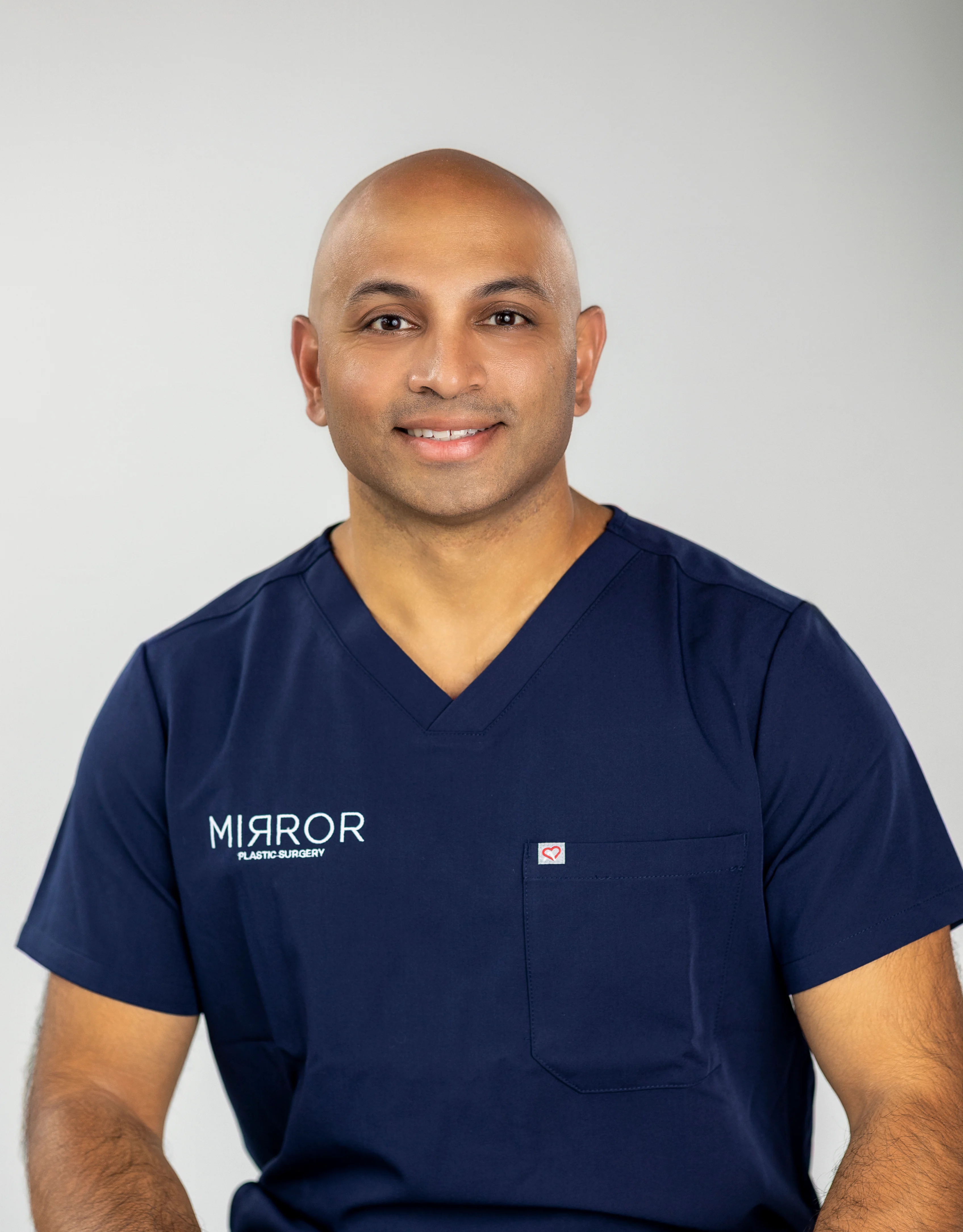
Dr. Akash Chandawarkar is board-certified by the American Board of Plastic Surgery, Harvard-educated, and Johns Hopkins-trained. He serves on advisory boards for Merz Aesthetics and Tiger Aesthetics, the maker of Avéli, which gives him direct insight into the devices he uses.
6. Plan For The Realistic Time Commitment
Different treatments require different schedules and recovery windows.
- Non-invasive treatments (Emtone, VelaShape): Emtone typically involves four sessions over two weeks, about 20 minutes per area each time. Results often last 6 to 12 months with maintenance sessions.
- Minimally invasive Avéli: Usually a single 90-minute procedure. Expect bruising and swelling for 2 to 3 weeks. Most patients return to desk work within a few days.
- Combination plans: Avéli followed by an energy-based treatment addresses dimples and skin quality, with a timeline that reflects both recovery periods.
No current treatment gives permanent results. Most patients see mild to moderate improvement, often a one- to two-grade reduction on cellulite severity scales.1 A trustworthy provider explains this clearly instead of promising permanent smoothing.
Book a consultation with Ellie to choose a treatment and timeline that match your goals.
7. Expect A True Medical Evaluation, Not A Sales Pitch
The right medical spa for cellulite treatment treats your visit like a medical appointment. Your provider should learn your concerns, medical history, and goals before recommending a plan.
Watch for these red flags:
- Consultations that last under 15 minutes
- The same treatment recommended for every patient
- Pressure to book immediately for a discount
- Vague explanations about why a treatment fits your anatomy
Look for these green flags:
- A thorough physical assessment while you stand
- Clear discussion of realistic outcomes and limits
- Transparent pricing with no hidden fees
- A provider who sometimes advises against treatment
The American Med Spa Association states that aesthetic medicine should follow the same standards as other medical specialties, including a full history, exam, and treatment only for appropriate candidates. At Mirror Plastic Surgery, consultations can last up to an hour. The practice philosophy of safety first, function second, and aesthetics third sometimes leads to recommending that patients wait on procedures.
Why Tampa Bay Patients Choose Mirror Plastic Surgery
Mirror Plastic Surgery, located at 780 4th Ave S in St. Petersburg, serves patients across the Tampa Bay region. Dr. Akash Chandawarkar personally performs all cellulite treatments, including Avéli, an FDA-cleared device that targets the structural cause of cellulite by releasing fibrous bands beneath the skin.
The practice offers a concierge experience with unhurried assessments and a focus on natural, evidence-based results. Dr. Akash’s advisory roles with Merz Aesthetics and Tiger Aesthetics keep the practice aligned with current research rather than marketing trends. Mirror Plastic Surgery limits procedures to one or two per day so each patient receives focused attention before, during, and after treatment.
Frequently Asked Questions
How Many Avéli Treatments Will I Need?
Avéli is designed as a single-session procedure. The device uses transillumination to confirm in real time that each fibrous band causing a dimple has been released. Because the bands are physically severed rather than temporarily disrupted, they do not reattach. Clinical studies show results lasting at least three years after one session.1 Patients with both dimpling and skin laxity may add a separate energy-based treatment for skin quality, but the Avéli step remains a one-time procedure.
Is Cellulite Treatment Painful?
Non-invasive treatments like Emtone usually feel comfortable, similar to a deep warming or hot stone massage. There is no downtime, and mild redness or warmth fades within hours. Avéli uses local anesthesia, so the procedure itself feels comfortable for most patients. Afterward, expect bruising and soreness for 2 to 3 weeks, with bruising often peaking between days three and five. Most patients return to desk work within a few days and avoid strenuous lower-body exercise for about two weeks.
How Long Do Cellulite Treatment Results Last?
Non-invasive treatments such as Emtone and VelaShape typically provide results for 6 to 12 months.1 Maintenance sessions every few months help sustain improvement. Avéli results have lasted at least three years in clinical studies because the fibrous bands tethering the skin are corrected rather than masked.1 No treatment removes cellulite forever, and new bands can form over time, but subcision-based approaches currently offer the most durable outcomes.
Can Cellulite Return After Treatment?
Cellulite can return over time. Avéli releases existing fibrous bands, yet the factors that contributed to their formation, including genetics, hormones, aging, and connective tissue structure, remain. New bands may develop, and skin laxity can progress. Maintenance treatments may help. A reputable provider will review long-term expectations during your consultation instead of promising permanent clearance.
What Should I Expect From A Cellulite Consultation?
A high-quality cellulite consultation functions like a medical exam. The provider should assess your cellulite while you stand, because many dimples only appear in a weight-bearing position. They should determine whether fibrous bands, skin laxity, or both drive your concerns and explain why a specific treatment fits your anatomy. The visit should include realistic timelines, expected results, and a clear session plan. A provider who recommends the same treatment for everyone without this evaluation signals a problem.
Your Path To The Right Cellulite Treatment
Cellulite treatment works best when it is tailored to your anatomy. The right medical spa identifies whether fibrous bands, skin laxity, or both cause your cellulite and then matches you with an FDA-cleared treatment that fits your goals. The most important criteria include:
- Accurate diagnosis of your cellulite type and severity before any recommendation
- Evidence-based, FDA-cleared options matched to your anatomy
- A board-certified provider who performs treatments personally
- Honest, unhurried consultations that prioritize your long-term well-being
At Mirror Plastic Surgery in St. Petersburg, you receive this level of care. Dr. Akash Chandawarkar combines detailed anatomical knowledge with a safety-first philosophy to deliver personalized, natural results for patients throughout Tampa Bay.
Disclaimer: Results may vary from person to person. Editorial content, before and after images, and patient testimonials do not constitute a guarantee of specific results.
1 Results may vary from person to person. Editorial content, before and after images, and patient testimonials do not constitute a guarantee of specific results.