

Written by: Dr. Akash Chandawarkar, Board Certified Plastic Surgeon, Mirror Plastic Surgery | Last updated: September 9, 2026
Key Takeaways
- Under eye filler (tear trough filler) uses select FDA-approved hyaluronic acid products to restore volume in true hollows, while many treatments remain off-label.
- Only some under-eye concerns respond to filler, because success depends on correctly diagnosing hollowness versus fat prolapse or pigmentation.
- The under-eye area carries the highest risk for filler complications due to thin skin and dense blood vessels, so provider expertise and hyaluronidase access are critical.
- Results usually last 9–18 months, rely on conservative volume, and are reversible, with final outcomes judged after swelling settles at 2–4 weeks.1
What Under Eye Filler Does and How It Works
Under eye filler is a small, precise injection of gel placed into the tear trough, the groove running from the inner corner of the eye toward the upper cheek. The filler adds volume to this hollow, lifting the overlying skin and softening the shadow that creates dark circles and a tired look.
Four fillers currently hold FDA approval for the infraorbital hollow:
| Product | Manufacturer | FDA Approval Year | Pivotal Trial Responder Rate |
|---|---|---|---|
| Juvéderm Volbella XC | Allergan | 2021 | 83.1% at Month 3 |
| Restylane Eyelight | Galderma | 2023 | 87.4% at Month 3 |
| Belotero Balance (+) | Merz | 2023 | 80.6% at Week 8 |
| RHA Redensity Eye | Teoxane / Revance | 2026 | 79.0% at Week 12 |
These responder rates are not directly comparable, because each manufacturer used a different measurement scale, and no head-to-head trial exists. All four are temporary and reversible with the enzyme hyaluronidase, which offers a meaningful safety advantage in this high-risk area.
The under-eye area has the thinnest skin on the face, about 0.5 mm, roughly a third the thickness of skin elsewhere. This thin skin makes superficial filler placement visible and prone to the Tyndall effect, a bluish discoloration from product sitting too close to the surface. Avoiding this problem requires precise injection depth, careful product selection, and strong anatomical knowledge in this zone.
Who Makes a Good Candidate for Under Eye Filler
Only some people with under-eye concerns qualify for filler. Accurate diagnosis of the true cause of the concern is the most important step before any injection. Three main causes exist, and each one needs a different solution.
Hollowness (Tear Trough Deformity): This concern is the primary target for filler. The tear trough forms as the malar fat pad descends with age while the orbicularis retaining ligament holds the medial periorbital tissue in place, which creates a visible groove and shadow. Filler placed deep in this groove restores volume and softens the shadow.
Bags (Orbital Fat Prolapse): True under-eye bags come from herniation of the orbital fat pads through a weakened orbital septum. Filler cannot correct fat herniation and instead worsens the appearance of bags. Lower eyelid blepharoplasty is the appropriate solution.
Dark Circles (Hyperpigmentation or Vascular): Under eye filler does not work for dark circles caused by hyperpigmentation or visible blood vessels. Filler only helps when darkness comes from a shadow created by hollowness. Pigment-driven circles respond to topical treatments or laser, and vascular circles need different targeted treatments.
Ideal candidates for under eye filler share several features:
- True structural hollowing in the tear trough with good skin elasticity
- Adequate skin thickness, assessed with the pinch test by gently lifting the lower eyelid skin
- Minimal lower eyelid laxity and little to no fat herniation
- Dark circles caused by shadow from hollowness rather than pigmentation
- Realistic expectations for subtle, restorative improvement
Contraindications include active eye infections, bleeding disorders, pregnancy or nursing, significant orbital fat prolapse, pre-existing malar puffiness or festoons, recent ophthalmological surgery, and autoimmune flares. A thorough in-person consultation remains the only reliable way to confirm candidacy.
What to Expect During the Procedure and Recovery
Under eye filler is an in-office procedure that usually takes under 30 minutes. The provider applies a topical or injected numbing agent first. The filler is then placed using either a fine needle or a blunt-tipped cannula, a flexible instrument that pushes blood vessels aside and lowers vascular injury risk. A systematic review found cannula use was associated with less bruising (7%) compared with needle use (17%), although no technique removes risk completely.
Volume stays conservative by design. Mild hollowing often needs 0.2–0.3 mL per side, and moderate hollowing 0.3–0.5 mL per side. Experienced injectors prefer to under-fill at first and add volume at a follow-up visit rather than risk overcorrection.
Recovery usually follows a predictable pattern:
- Swelling peaks at 24–48 hours and settles over 3–7 days
- Bruising affects about 30–40% of patients, especially those using blood-thinning supplements
- Cold compresses wrapped in cloth help during the first 24 hours
- Strenuous exercise, alcohol, saunas, and hot showers should be avoided for 48 hours
- The treated area should not be massaged or pressed unless the provider instructs otherwise
- Final results appear 2–4 weeks after swelling fully resolves
Plan treatment at least three weeks before any major photographed event.
Risks and Complications in the Under Eye Area
The under-eye area is the highest-risk site for filler placement because of its dense vascular supply and proximity to the ophthalmic artery. Clear, honest discussion of these risks forms the basis of informed consent.
Complications fall into three tiers.
Minor (affecting 5–15% of treatments): Bruising, swelling, asymmetry, and the Tyndall effect occur in this group. The Tyndall effect, a bluish discoloration from superficial filler, does not resolve on its own and needs hyaluronidase to dissolve the product.
Significant (affecting 1–3%): Persistent edema, nodules, biofilm infection, and visible product displacement fall into this category. A retrospective study found that nearly 25% of patients developed lasting malar edema, persisting for an average of 5.4 months. This risk increases in patients with pre-existing puffiness or compromised lymphatic drainage. Overcorrection that creates a puffy look is the most common aesthetic complication and relates to volume judgment rather than biology.
Emergency (rare, ~0.05–0.2%, but potentially irreversible): Vascular occlusion presenting as blanching, severe pain, mottling, or visual changes belongs here. The angular artery runs in the medial periorbital region about 6–8 mm medial to the medial canthus. Intravascular injection can cause retrograde embolism into the ophthalmic circulation with partial or complete vision loss. The window for hyaluronidase rescue of the ophthalmic artery is roughly 60–90 minutes. Any sudden vision change during or after injection requires immediate emergency care.
These risks decrease meaningfully, though never completely, when a board-certified plastic surgeon with deep anatomical expertise and on-site hyaluronidase performs the procedure. Non-dissolvable fillers such as Radiesse or Sculptra should never be injected into the tear trough, because they cannot be reversed and carry a high risk of lasting nodules and granulomas.
How Long Under Eye Filler Results Last
Under eye filler results usually last 9 to 18 months, depending on the product, individual metabolism, injection depth, and lifestyle.1 Tear trough filler often persists longer than expected, with 12–18 months common and some patients seeing results for two or more years1, because this area moves very little and breaks filler down more slowly. Maintenance treatments help sustain results and typically use a smaller volume than the initial session.
Alternatives to Under Eye Filler for Different Concerns
A safety-first approach to under-eye rejuvenation presents the full range of options, including non-filler choices. The right treatment always depends on the true cause of the concern.
Topical Treatments: Retinoids, vitamin C, and caffeine-based formulations can improve pigmentation, skin quality, and vascular visibility. These options work well as first-line treatments for dark circles driven by melanin or visible vessels, concerns that filler cannot correct.
Collagen Induction (Microneedling): Microneedling stimulates collagen production and improves skin texture and fine lines around the eyes. It suits patients with crepey skin or fine wrinkles more than those with significant volume loss.
Polynucleotides (PN/PDRN): This emerging regenerative option stimulates fibroblast proliferation, collagen synthesis, and elastin production, improving skin elasticity, hydration, and fine lines with a favorable safety profile. Polynucleotides do not correct moderate to severe tear trough deformity but often prime the dermis before filler or serve as a standalone treatment for skin quality.
Energy-Based Treatments (Laser, Radiofrequency, Ultrasound): These devices address skin laxity, pigmentation, and vascular dark circles. They work best when the main concern involves skin quality rather than lost volume.
Lower Eyelid Blepharoplasty: Patients with true fat herniation, significant skin excess, or lower lid laxity benefit most from surgery. Filler cannot correct these issues and may worsen fat herniation. Blepharoplasty offers results that last many years and treats the structural problem directly.
A holistic plan often combines treatments. For example, a provider may first treat midface volume loss with cheek support, then reassess whether the tear trough still needs direct injection. Many apparent tear trough concerns actually stem from midface descent, and cheek treatment alone can remove the need for periorbital filler.
Schedule a consultation to explore which non-filler options might suit you based on your anatomy and goals.
How to Choose a Provider for Under Eye Filler
Provider selection is the most consequential decision in the under-eye filler process. The tear trough is described in clinical literature as “the most challenging area to treat with hyaluronic acid”, and 2025 ASPS and AAD guidance recommends that periocular injection be performed by a board-certified dermatologist, oculoplastic surgeon, or board-certified plastic surgeon rather than a nurse injector or non-core physician.
Before committing to treatment, ask any prospective provider the following:
- Are you board-certified by the American Board of Plastic Surgery, American Board of Dermatology, or American Board of Ophthalmology?
- How many tear trough procedures do you perform per month, and can you show before-and-after photos specific to this area?
- Do you have hyaluronidase stocked and in-date on-site for emergency reversal?
- Which product do you recommend for my anatomy, and why?
- What is your protocol if a vascular complication occurs during treatment?
- What is your philosophy on volume, and do you prefer to under-fill and review or complete treatment in one session?
- Will you tell me if filler is not the right solution for my concern?
A provider who answers these questions clearly, takes time with the consultation, and performs a thorough diagnostic assessment offers a safer experience for this procedure.
Why Mirror Plastic Surgery Fits These Safety Standards
If you are looking for a practice that meets these standards, Mirror Plastic Surgery in St. Petersburg, Florida, offers a surgeon-led approach that reflects them. At Mirror Plastic Surgery, under eye filler and all injectable treatments are performed personally by Dr. Akash Chandawarkar, MD, a Harvard-educated physician, Johns Hopkins-trained plastic surgeon, and fellowship-trained aesthetic surgeon from the Manhattan Eye Ear & Throat Hospital and Lenox Hill Hospital. He is board-certified by the American Board of Plastic Surgery and serves on advisory boards for several aesthetic medicine companies, which keeps him at the forefront of injectable innovation.
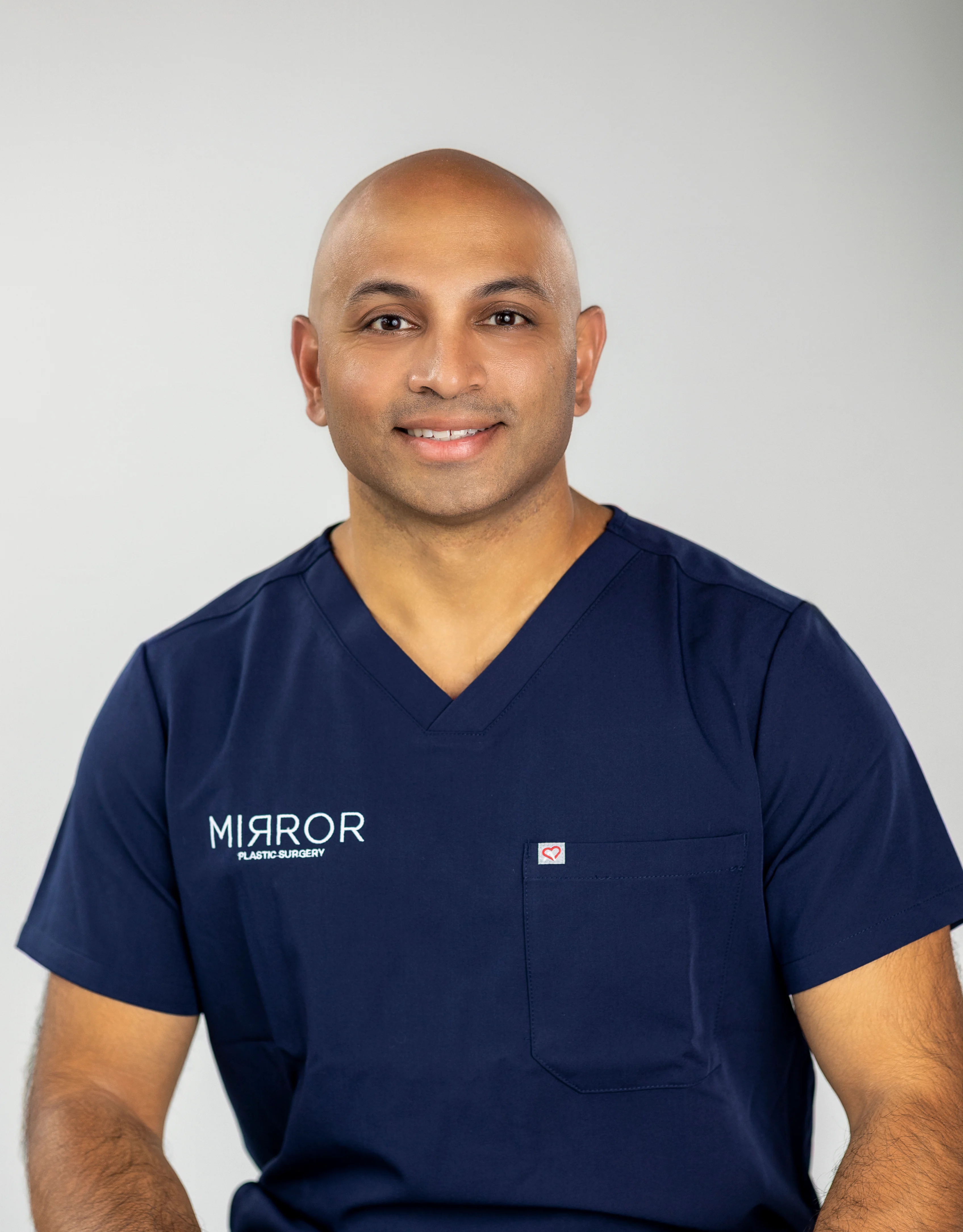
The practice follows a concierge medicine philosophy: safety first, function second, aesthetics third. Initial consultations can last up to an hour, giving time for a full facial assessment, an honest discussion of what truly causes your under-eye concern, and a personalized treatment plan that may or may not include filler. Dr. Akash often advises patients when a procedure is not yet necessary, which builds long-term trust instead of short-term revenue.
This approach stands in direct contrast to high-volume “filler mills,” which rush consultations, default to injection without adequate diagnosis, and often lack the anatomical expertise to manage complications. Mirror Plastic Surgery limits itself to one to two surgical procedures per day, because undivided attention functions as a core safety standard.
Every injectable treatment at Mirror Plastic Surgery is performed by a physician with a surgeon’s command of facial and subdermal anatomy. Hyaluronidase is maintained on-site. Product selection reflects your anatomy and goals rather than supplier quotas or commissions. When blepharoplasty or a non-filler alternative better matches your concern, you will hear that recommendation clearly.
Request an appointment to see the difference a surgeon-led practice makes for under eye rejuvenation.
Frequently Asked Questions
Is Under Eye Filler Safe?
Under eye filler is safe when a qualified, board-certified provider with deep anatomical expertise and immediate access to hyaluronidase performs the treatment. A 2024 meta-analysis pooling 31 studies and 2,556 patients reported a 91% satisfaction rate1, which supports a strong overall safety and efficacy profile in experienced hands. As noted earlier, the tear trough is the highest-risk site for filler placement on the face because of thin skin, complex vasculature, and proximity to the ophthalmic artery. Risks range from minor bruising and swelling to rare but serious vascular occlusion and vision impairment. Choosing a board-certified plastic surgeon who performs the procedure personally, rather than delegating it, remains the most important safety decision.
Does Under Eye Filler Hurt?
Most patients tolerate under eye filler well. A topical numbing cream is applied before treatment, and several FDA-approved fillers for this area contain lidocaine, a local anesthetic, within the formulation. The injection itself is brief. Some patients feel mild pressure or a pinching sensation, especially in the medial tear trough where the skin is thinnest. Discomfort is usually minimal and short-lived, and any post-procedure tenderness typically resolves within a few days.
Can Under Eye Filler Be Reversed?
All four FDA-approved tear trough fillers are hyaluronic acid-based and can be dissolved with hyaluronidase, which usually acts within hours to days. This reversibility is a key safety feature and the main reason hyaluronic acid is the only appropriate filler type for the under-eye area. In the event of a vascular complication, promptly administered hyaluronidase can be sight-saving. For aesthetic issues such as overcorrection or the Tyndall effect, selective dissolution allows precise adjustment without full removal. Dissolution should only be performed by a qualified provider, and a small percentage of patients may need more than one dissolving session.
How Soon Will I See Results from Under Eye Filler?
Results appear immediately after injection, but the first look does not reflect the final outcome. Swelling peaks at 24–48 hours and can make the area seem overfilled. Swelling then settles over the first week, and the filler integrates with surrounding tissue over the next two to four weeks. Final results should be evaluated no sooner than two weeks after treatment. A follow-up visit around that time lets the provider decide whether any additional volume is needed, and patients are encouraged to wait until about four weeks before requesting touch-ups.
Can I Combine Under Eye Filler with Other Treatments?
Many patients benefit from combining under eye filler with other treatments. Midface or cheek support is often recommended alongside or before tear trough filler, because midface descent commonly drives apparent tear trough hollowing. Treating the cheek first can reduce the amount of filler needed near the eyes or remove the need for it entirely. Skin quality treatments such as microneedling, laser, or polynucleotide injections address pigmentation, crepey texture, and fine lines that filler cannot correct. Energy-based skin tightening can further improve laxity. A thorough consultation identifies the right combination for your anatomy and goals instead of defaulting to a single treatment.
Your Next Step for Under Eye Rejuvenation
Under eye filler can safely and effectively treat tear trough hollowness when the right provider treats the right patient with the right product and technique. It does not solve every under-eye concern, and the decision to proceed should follow an honest assessment of what truly causes the problem.
At Mirror Plastic Surgery, that assessment starts every patient relationship. Dr. Akash Chandawarkar explains candidly whether filler suits your anatomy, what results you can realistically expect, and which alternatives might serve you better. The goal focuses on a long-term result you can trust rather than a quick treatment.
Book a Consultation
Book your consultation with Ellie today to begin your personalized assessment with Dr. Akash Chandawarkar at Mirror Plastic Surgery. Each patient receives an individualized treatment plan built around their anatomy, goals, and long-term well-being.
- Address: 780 4th Ave S, St. Petersburg, FL 33701
- Phone: 727-361-6515
- Email: hello@mirrorplasticsurgery.com
- Instagram: @mirrorplasticsurgery
Disclaimer: Results may vary from person to person. Editorial content, before and after images, and patient testimonials do not constitute a guarantee of specific results.
1 Results may vary from person to person. Editorial content, before and after images, and patient testimonials do not constitute a guarantee of specific results.


