
Written by: Ellie Pranckevicius, FNP-BC, Aesthetic Nurse Practitioner & Aesthetic Injector | Facial Restoration & Regenerative Injectable Specialist, Mirror Plastic Surgery | Last updated: March 13, 2026
Key Takeaways
- Under eye filler treats tear trough hollowing from fat pad descent and collagen loss, restoring natural vitality with fillers like Restylane and Juvederm.
- Micro-cannula techniques and expert assessment help minimize risks like Tyndall effect and vascular occlusion, with results often lasting 9 to 15 months.
- Ideal candidates have mild to moderate hollowing, good skin quality, and realistic expectations, while those with bags or severe laxity usually need other options.
- Ellie Pranckevicius, FNP-BC with ICU experience, provides concierge-level care at Mirror Plastic Surgery using advanced fillers such as Restylane Eyelight.
- Patients ready for brighter, refreshed eyes can book a consultation at Mirror Plastic Surgery for a personalized assessment and safe, natural results.
Why Mirror Plastic Surgery Feels Different
Mirror Plastic Surgery follows a concierge medicine model that contrasts with high-volume aesthetic clinics. Typical practices may rush through many procedures each day. Our team instead performs only one to two cases daily so your care receives our full attention from start to finish.
Each journey starts with an hour-long consultation that explores your aesthetic concerns and the emotions behind them. We use structured diagnostic frameworks to study your facial anatomy and build a personalized plan that puts safety first, function second, and aesthetics third.
Our St. Petersburg practice serves the greater Tampa Bay area with a philosophy that opposes “mill” style clinics. Every recommendation relies on scientific evidence and detailed anatomical knowledge. This approach helps avoid an overdone look from isolated treatments and supports full-face harmony that enhances your natural features.
Meet Your Under Eye Filler Expert, Ellie Pranckevicius
Ellie Pranckevicius, FNP-BC, combines advanced aesthetic training with critical care experience for under eye filler treatments. Her education includes a Bachelor’s in Health Science from Boston University, 600 hours of aesthetics training, and both Bachelor’s and Master’s degrees in Nursing from the University of South Florida.
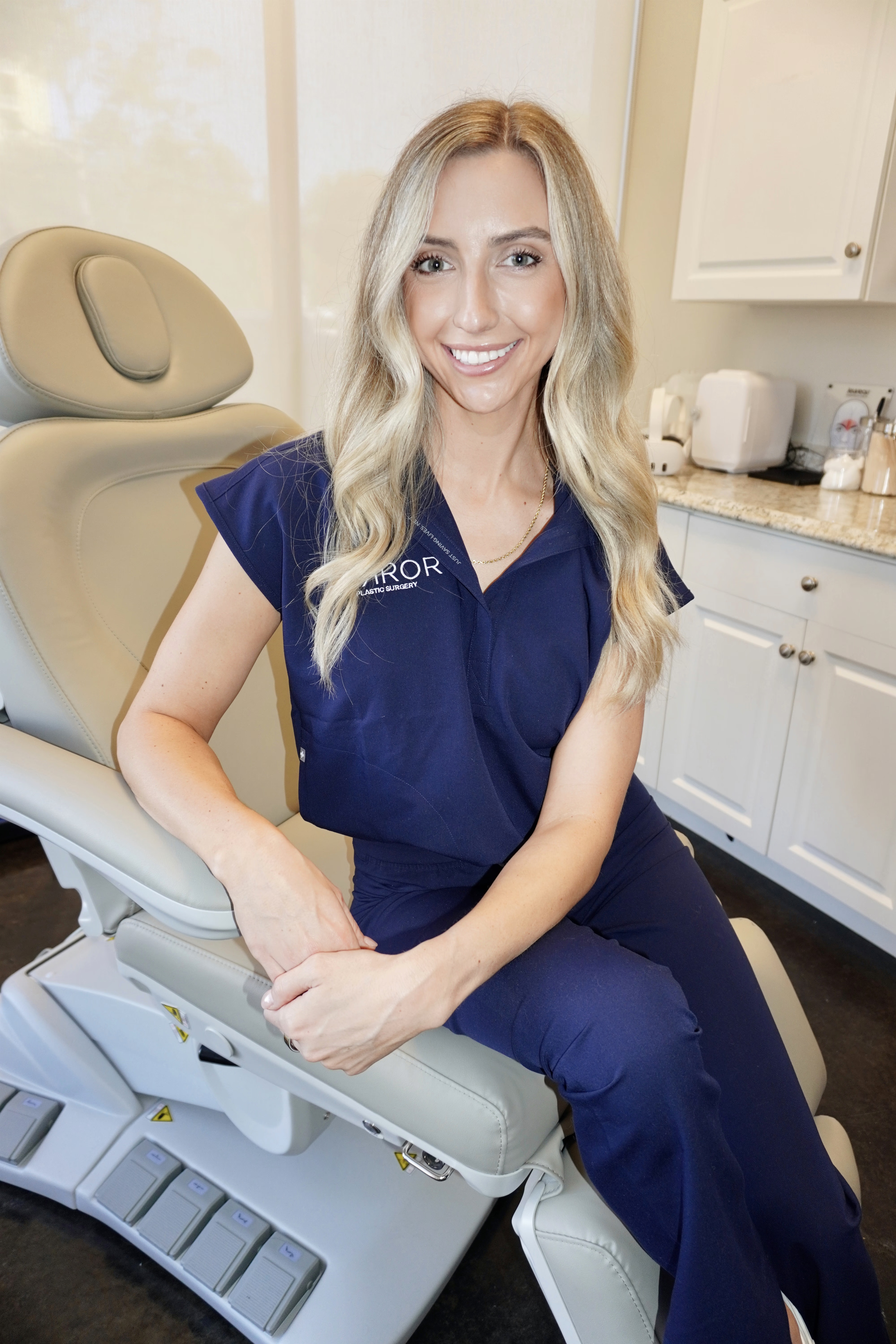
Ellie spent four years in the Neuroscience ICU at Tampa General Hospital caring for critically ill patients. That experience sharpened her clinical judgment, time management, and understanding of human physiology. These skills matter greatly when treating the delicate under-eye region.
Her injectable expertise includes Juvederm, Restylane, RHA, Versa, Radiesse, and Evolysse. She often prefers micro-cannula techniques to support vascular safety. She also focuses on clear physiology education so patients understand both benefits and limits of treatment. For complex cases that need surgery, Dr. Akash Chandawarkar’s Harvard and Johns Hopkins training allows seamless collaboration.
How Under Eye Filler Works at Mirror Plastic Surgery
Tear trough hollowing develops when natural fat pads beneath the eyes descend with age and collagen loss thins the skin. These changes create shadows that make eyes look sunken and tired, even when you feel well rested.
The under eye filler visit begins with a detailed consultation and anatomical exam. After topical numbing cream is applied, Ellie uses precise micro-cannula injections to restore volume in the tear trough area. Treatment usually takes 15 to 30 minutes. Results appear right away and continue to settle over the next several weeks.
Newer options in 2026 include Restylane Eyelight and Evolysse, which are designed for the under-eye region. These fillers often integrate smoothly and may cause less swelling than older formulations.
| Filler | Best For | Longevity (months) | Notes |
|---|---|---|---|
| Restylane | Thin skin, structure | 9-15 | Lower swelling risk |
| Juvederm Volbella | Hydration, smoothness | 10-14 | Infraorbital approval |
Who Makes a Strong Candidate for Under Eye Filler
Ideal candidates usually have mild to moderate tear trough hollowing, good skin elasticity, and realistic expectations. The most natural results appear in patients whose concerns come from volume loss rather than extra skin or bulging fat pads.
Good candidates typically have:
- Visible tear trough hollowing that creates shadowing
- Minimal or no under-eye bags
- Good skin quality with enough thickness
- Stable weight and no chronic fluid retention
- Realistic expectations about subtle, natural enhancement
Poor candidates often include those with:
- Significant under-eye bags or fat pad prolapse
- Severe skin laxity or very translucent skin
- Chronic puffiness or malar edema
- Active infections or bleeding disorders
- Unrealistic expectations about dramatic change
Mirror Plastic Surgery uses a structured assessment process to select appropriate candidates. This careful screening helps prevent complications and dissatisfaction that can occur when filler is used in the wrong situations.
Under Eye Filler Side Effects, Risks, and Safety
Under eye filler is generally safe in experienced hands, yet the anatomy in this area remains delicate. The most frequent treatment-related adverse events include swelling and edema (22.4%) and pain (19.0%).
Common side effects include:
- Bruising and swelling: Usually resolve within 3 to 7 days
- Temporary asymmetry: Often improves as swelling settles
- Mild discomfort: Managed with topical numbing and ice
Serious but rare complications include:
- Tyndall effect: Reported in 22.6% of cases when filler sits too close to the surface, causing blue-gray discoloration
- Vascular occlusion: Very rare yet serious and requires immediate hyaluronidase treatment
- Nodule formation: May appear weeks to months after treatment
Mirror Plastic Surgery focuses on micro-cannula use and conservative filler amounts to lower these risks. Ellie’s ICU background supports rapid recognition and treatment of any complication.
Longevity, Benefits, and Comfort of Under Eye Fillers
Under eye filler longevity depends on your metabolism, filler choice, and technique. Recent meta-analysis data shows Restylane lasting an average of 10.3 months and Juvederm averaging 11.9 months in the tear trough area. Many patients enjoy results for 9 to 15 months before a touch-up.
Under eye fillers work well for patients with volume-related hollowing who meet candidacy criteria. Proper assessment remains essential. Filler improves tear trough depressions but cannot correct extra skin, large fat pads, or pigment-based dark circles.
Most patients find under eye filler treatment very tolerable. Topical numbing cream and micro-cannula use support comfort throughout the visit. Many describe the feeling as pressure or a strange sensation rather than true pain.
Patients who want to see whether under eye filler fits their needs can book a Tampa consultation for a tailored plan.
Under Eye Filler Results and Aftercare
Tampa Bay patients at Mirror Plastic Surgery often see natural rejuvenation that highlights their own features. One professional patient noticed brighter eyes and more energy in her appearance without puffiness or a “done” look. Another patient finally saw relief from the tired expression that had bothered her for years and felt more like herself again.
Key aftercare steps include:
- Avoid blood-thinning medications and supplements for 24 to 48 hours
- Sleep with your head elevated for the first few nights
- Do not rub or massage the treated area
- Apply ice intermittently during the first 24 hours
- Avoid strenuous exercise for 24 to 48 hours
- Stay hydrated and limit alcohol intake
Follow-up visits allow Ellie to monitor healing and make small adjustments if needed for symmetry and natural results.
Non-Filler Options for Under Eye Rejuvenation
Some patients benefit more from alternatives than from under eye filler. Mirror Plastic Surgery offers platelet-rich plasma (PRP) to stimulate collagen and several energy-based tightening treatments using radiofrequency, ultrasound, or laser devices.
Patients with major skin laxity, extra fat, or severe hollowing often achieve better long-term outcomes with surgery. Dr. Akash Chandawarkar’s expertise in blepharoplasty and facial rejuvenation surgery provides lasting solutions for complex under-eye aging that filler alone cannot correct.
Choosing Between Juvederm and Restylane Under the Eyes
Both Juvederm and Restylane can work very well under the eyes, and the choice depends on your anatomy and goals. Restylane often gives more structural support and suits patients with thinner skin. Juvederm Volbella tends to excel at hydration and smoothness.
Ellie considers skin thickness, degree of hollowing, and your preferences when recommending a filler. During your consultation, she explains which option best matches your anatomy and desired outcome.
Frequently Asked Questions
What is the best filler for under eyes?
Restylane Eyelight is a newer filler created specifically for the under-eye area and often integrates smoothly with low swelling risk. Some patients still do better with Juvederm Volbella or traditional Restylane. The most suitable filler always depends on your anatomy and goals, which Ellie reviews during consultation.
How much does under eye filler cost in Tampa?
Under eye filler pricing varies with anatomy, filler choice, and volume required. During your visit, you receive a clear, personalized quote based on your needs and goals. Our team discusses investment openly as part of your full assessment.
Can you show me under eye filler before and after results?
Our Tampa patients often see reduced shadowing, better light reflection, and a fresher look without obvious signs of treatment. During your consultation, Ellie reviews realistic expectations and shares examples that match your facial structure and concerns.
What is the newest under eye filler available?
Evolysse is one of the newest under eye filler options in 2026 and offers smooth integration and refined results. Restylane Eyelight also provides a focused formulation for the tear trough. These products build on years of research to support safety and natural outcomes.
Why are some people moving away from fillers?
Most concerns about fillers come from poor technique, wrong patient selection, or unrealistic expectations, not from the products themselves. When experienced injectors use careful assessment and conservative dosing, fillers can deliver soft, natural enhancement. Mirror Plastic Surgery’s comprehensive approach aims to avoid the complications and unnatural results that sometimes shape negative opinions.
Why Under Eye Filler at Mirror Plastic Surgery
Under eye filler can effectively treat tear trough hollowing when paired with expert technique and thoughtful patient selection. Success depends on a thorough assessment, conservative placement, and a focus on natural improvement rather than dramatic change.
Mirror Plastic Surgery’s concierge model ensures you receive focused attention and advanced care. Our commitment to safety, function, and subtle aesthetics supports evidence-based under eye filler treatments for Tampa Bay patients.
Patients who want to refresh tired-looking eyes with careful, personalized care can book a consultation with Ellie Pranckevicius and start planning brighter, more vibrant eyes.
Book a Consultation at Mirror Plastic Surgery
Patients can experience the Mirror Plastic Surgery difference through our detailed, hour-long consultation. Our St. Petersburg location conveniently serves the greater Tampa Bay region.
- Phone: 727-361-6515
- Email: hello@mirrorplasticsurgery.com
- Address: 780 4th Ave S, St. Petersburg, FL 33701
- Instagram: @mirrorplasticsurgery
Our personalized approach provides guidance tailored to your anatomy and aesthetic goals. Schedule your consultation to learn how under eye filler may help restore a rested, youthful look.
Disclaimer: Results may vary from person to person. Editorial content, before and after images, and patient testimonials do not constitute a guarantee of specific results.