Written by: Dr. Akash Chandawarkar, Board Certified Plastic Surgeon, Mirror Plastic Surgery | Last updated: September 9, 2026
Key Takeaways
- Stay upright for the first four hours after Botox so the toxin can bind properly and protect your results.
- Avoid strenuous exercise, heat exposure, alcohol, and facial manipulation for at least 24 hours after treatment.
- Area-specific care matters: forehead, crow’s feet, masseter, and neck injections each need tailored precautions for the best outcome.
- Most aftercare myths lack strong evidence; the critical window for migration risk is the first 4–6 hours.
- Choose an experienced injector like Dr. Akash at Mirror Plastic Surgery to ensure precise placement and natural results.
Why Botox Aftercare Matters: Protecting Your Investment
Botox (onabotulinumtoxinA) is a neuromodulator that temporarily relaxes targeted muscles by blocking nerve signals at the neuromuscular junction. After injection, the product needs time to bind to nerve endings at its intended site. During this early window, certain activities carry a theoretical risk of displacing the toxin before binding is complete, which can affect symmetry or cause unintended muscle relaxation.
The FDA requires a boxed warning on all botulinum toxin products about the possibility of toxin spread beyond the injection site. Clinically meaningful migration at standard cosmetic doses is uncommon. The risk is especially low when an experienced injector performs the procedure. Following aftercare guidelines improves both safety and results. As noted by board-certified plastic surgeon Dr. James Zins of Cleveland Clinic, most undesirable Botox outcomes trace back to injection technique rather than patient behavior. Choosing a qualified injector is the most important decision you make.
The First 4 Hours: The Golden Rule
The first four hours after injection form the most critical window. The toxin is still localizing to its target muscle receptors. Physical pressure, gravitational changes, or increased blood flow can theoretically displace it before binding is complete. Clinical guidelines align most strongly around the rules for this period.
Do:
- Stay upright, seated or standing, and avoid lying down or reclining.
- Keep your head elevated if you need to rest.
- Use normal facial expressions; smiling and talking are fine.
- Apply a cold compress gently if you have mild swelling or bruising, without pressing firmly.
Don’t:
- Touch, rub, or massage the treated areas.
- Bend over at the waist; squat instead of bending to pick things up.
- Engage in strenuous physical activity.
- Apply makeup or skincare products directly to injection sites.
- Wear tight headbands, hats, swim caps, or goggles that press across the forehead or periorbital area.
- Consume alcohol.
UCSF Health recommends remaining upright for many hours after Botox and avoiding rubbing or massaging the treated area to prevent spread to adjacent muscles. The first four hours are the only critical window for product migration, because the toxin is still localizing to the targeted muscle during this time.
The First 24 Hours: What To Avoid And Why
After the initial four-hour window, the toxin continues binding and settling. The following restrictions apply for the rest of the first 24 hours.
Avoid strenuous exercise. Vigorous activity increases blood flow and blood pressure, which can affect how the product settles and may accelerate its metabolism. A 2023 controlled clinical trial published in the journal Toxins (60 participants) found that high-intensity exercisers experienced significantly faster fading of results compared to sedentary individuals, with patient satisfaction scores dropping from 74 to 37 out of 100 at the three-month mark.1 The study authors propose that exercise-elevated IGF-1 (insulin-like growth factor-1) accelerates muscle reinnervation and helps the body rebuild neuromuscular connections faster. Light walking is acceptable immediately after treatment and during this period.
Skip heat exposure. Saunas, hot tubs, steam rooms, and heavy sun exposure should typically be avoided for 24–48 hours after Botox, because heat increases blood flow and may accelerate toxin metabolism.
Hold off on facials, massages, and skin treatments. Wait at least 24–48 hours for gentle treatments, and up to two weeks for chemical peels, microneedling, or laser procedures. Physical pressure can spread the toxin to adjacent muscle groups, so avoiding manipulation of the treated area is essential during this period.
Avoid alcohol. Alcohol is a vasodilator that increases bruising risk. There is no known pharmacological interaction between ethanol and botulinum toxin. Alcohol does not deactivate or dissolve Botox. Avoiding it for 24 hours helps minimize swelling and bruising at injection sites.
Sleep on your back. Sleeping on your back for the first night is recommended. Side or stomach sleeping puts pressure on treated areas and can affect how the Botox settles during the early binding period.
Botox Aftercare By Treatment Area: Forehead, Crow’s Feet, And More
Different injection sites benefit from slightly different aftercare. A surgeon’s understanding of facial anatomy allows for more nuanced, area-specific guidance.
Forehead and Glabella (Frown Lines). Use extra care when washing your face or applying makeup for the first 24 hours. Avoid hats, headbands, or anything that presses across the forehead. When picking something up from the floor, squat rather than bending at the waist to limit blood flow to the face.
Crow’s Feet (Periorbital Area). Use a light touch when removing eye makeup and avoid pulling or rubbing the skin around the eyes. Try to avoid heavy squinting. If you wear goggles for swimming, wait at least 48 hours before returning to the pool, because tight swim caps or goggles create direct mechanical pressure on periorbital injection sites that can physically displace the neurotoxin.
Masseter (Jaw) Botox. Stick to soft foods for the first day to minimize chewing strain on the treated muscle. Visible changes to facial contour from masseter Botox can take several weeks.1 Assess results on a longer timeline than wrinkle reduction treatments.
Neck (Platysma) Botox. Avoid tight necklaces or high-collared garments that rub against injection sites. Use a gentle touch when applying skincare products to the neck area for the first 24 hours.
Botox Aftercare Myths Vs. Facts: What The Evidence Really Says
Myth: “I Can’t Drink Coffee After Botox.” Caffeine does not directly affect botulinum toxin. Very hot beverages in the first four hours may increase blood flow to the face. Wait until the settling period passes, then enjoy coffee normally.
Myth: “I Can’t Sleep On My Side After Botox.” There is no clear evidence that sleeping on one side after the initial settling period causes the medication to migrate. Sleeping on your back the first night still helps avoid pressure on injection sites. After that, normal sleep positions are acceptable.
Myth: “Facial Exercises Help Botox Settle Faster.” A 2019 randomized crossover trial published in the Journal of the American Academy of Dermatology found that targeted facial exercises during the first four hours sped up visible results by about one day.1 Long-term duration was equivalent between groups. Normal facial expressions are sufficient. Forced grimacing is unnecessary and could theoretically increase migration risk.
Myth: “Botox Will Migrate If I Fly.” There is generally no evidence that changes in cabin pressure cause Botox to spread. Avoid bending over to lift heavy luggage during the first 24 hours. Also consider that traveling immediately may make it harder to contact your provider if concerns arise.
Myth: “Exercise Burns Off Botox.” The 2023 Toxins study suggests high-intensity exercise may shorten duration. This effect likely relates to elevated metabolism and IGF-1 levels accelerating muscle reinnervation, rather than exercise physically “burning off” the product.
What To Do If You Break The Rules
Many people worry after a small slip in aftercare. Here is direct, evidence-based guidance for common scenarios.
“I Accidentally Rubbed My Forehead.” A single accidental touch is unlikely to cause problems. The risk of toxin migration is primarily associated with repeated pressure or massage, while brief incidental contact is generally low risk. Monitor for any asymmetry and contact your provider if you notice anything unusual at the two-week mark.
“I Lay Down For A Nap Within The First Four Hours.” Sit up and stay upright for the rest of the four-hour window. Whether brief recumbency truly causes meaningful toxin migration is debated, and the risk from a short period of lying flat is low. If you experience brow drooping or eyelid ptosis, contact your provider. These effects are typically temporary.
“I Exercised The Same Day.” The most likely outcome is an uneven result or partial loss of effect. This is usually correctable with a touch-up at the two-week mark. Contact your provider for guidance.
“I Drank Alcohol At Dinner.” A glass of wine the evening after Botox is unlikely to cause significant issues but may increase bruising at injection sites. Stay hydrated and monitor for any unusual symptoms.
Provider skill remains the main driver of your outcome. A board-certified plastic surgeon like Dr. Akash brings anatomical precision to every injection, which supports natural, balanced results.
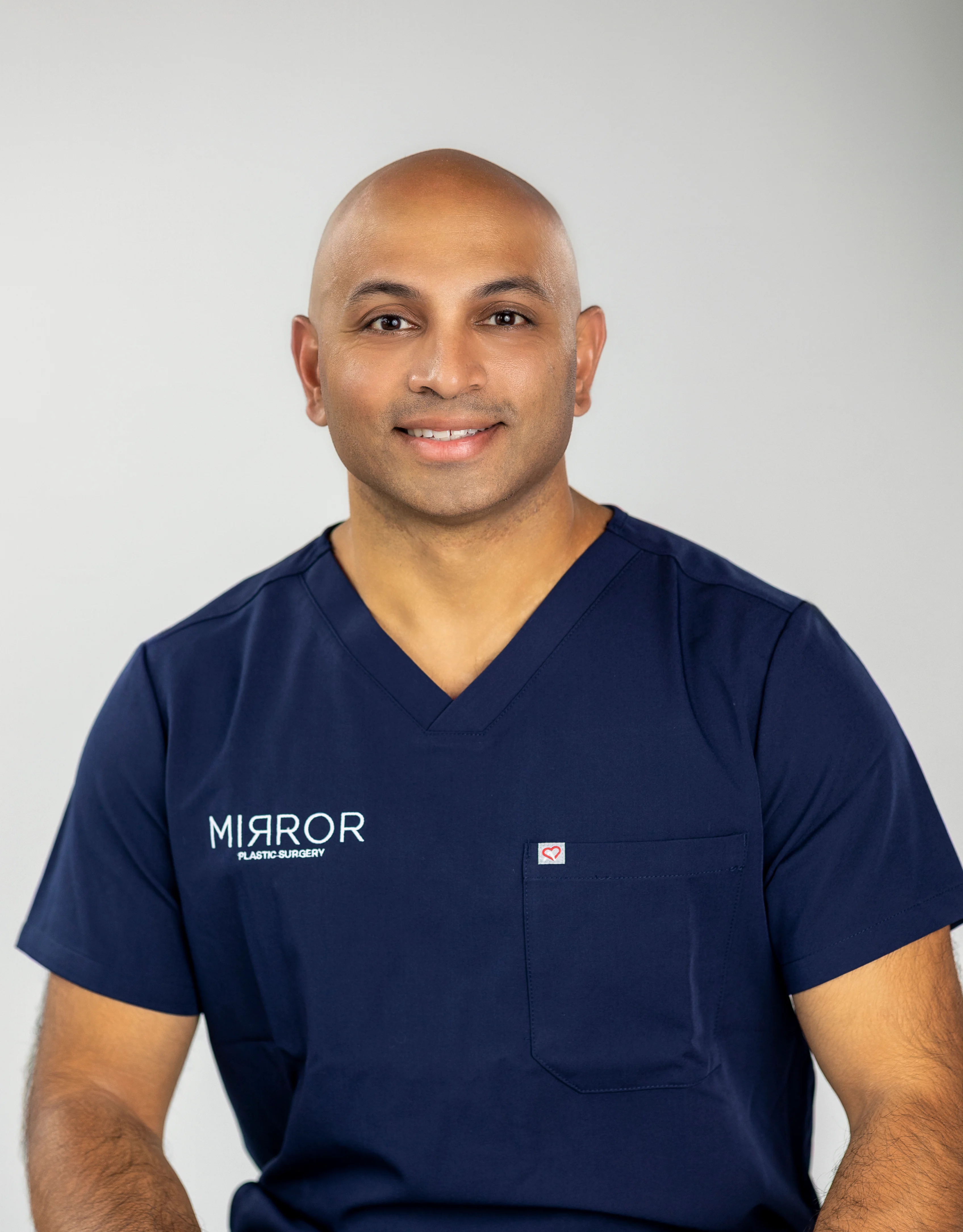
Book a consultation with Ellie to experience the Mirror Plastic Surgery approach firsthand.
When To Contact Your Doctor: Red Flags
Seek emergency medical care immediately if you experience any of the following after Botox treatment:
- Difficulty breathing or swallowing
- Slurred speech or generalized muscle weakness spreading beyond the treatment area
- Vision changes or double vision
- Signs of severe allergic reaction, such as swelling of the face, tongue, or throat
Contact your provider within 24 hours for non-emergency concerns, including:
- Significant eyelid drooping or brow ptosis
- Marked facial asymmetry at or after day 10
- Persistent or worsening bruising
- Eye pain or signs of infection at injection sites
Serious diffusion-related adverse effects from botulinum toxin are rare at standard cosmetic doses, especially when an experienced injector administers treatment. Mirror Plastic Surgery’s concierge medicine approach provides prompt responses via call, text, or email. Reach the team at 727-361-6515 or hello@mirrorplasticsurgery.com.
Once you have navigated the immediate aftercare period, you can focus on extending the life of your results. The following habits support long-term Botox maintenance.
Maximizing Your Results: Long-Term Botox Maintenance
Protect Your Skin From Sun Exposure. UV damage accelerates skin aging and makes wrinkles more noticeable as Botox fades. Use SPF 30 or higher every day, all year.
Discuss Zinc Support With Your Provider. Botox is a zinc-dependent metalloprotease. A double-blind, placebo-controlled trial published in the Journal of Drugs in Dermatology (77 participants) found that 92% of participants taking 50 mg zinc citrate with phytase experienced an average 30% increase in Botox duration.1 The NIH sets the upper safe limit for daily zinc at 40 mg for long-term use. Always consult your provider before starting any supplement protocol.
Maintain A Consistent Treatment Schedule. Consistent treatments every 3–4 months keep muscles conditioned, and many long-term patients find they need fewer units over time as muscles weaken from reduced use. Some patients report results lasting 4–6 months after 1–2 years of regular treatment.1
Combine Treatments Thoughtfully. Dr. Akash takes a holistic, full-face approach: he combines neuromodulators with dermal fillers or skin treatments where appropriate, enhancing overall harmony and balance. Your plan is built around your anatomy and goals, rather than a one-size-fits-all protocol.
Frequently Asked Questions
How Long After Botox Can I Exercise?
Wait at least 24 hours before resuming strenuous exercise. Light walking is acceptable immediately after treatment. High-intensity activities such as HIIT, CrossFit, hot yoga, and heavy weightlifting should wait 24 to 48 hours, and some providers recommend up to 72 hours for heated studio classes. As noted earlier, the 2023 Toxins study found that high-intensity exercisers saw faster fading of results. If you are a regular high-intensity athlete, discuss your activity level with Dr. Akash at your consultation so dosing and scheduling can match your routine.
Can I Wash My Face After Botox?
Yes, you can wash your face, but wait at least 4–6 hours and use a gentle cleanser with room-temperature water. Pat your skin dry and avoid firm rubbing or wiping. Avoid harsh cleansers, physical exfoliants, retinol, glycolic acid, or salicylic acid directly on treated areas for at least 24 hours. These active ingredients do not affect the Botox itself, but they can irritate skin that is still healing at puncture sites.
When Will I See Results?
Initial effects typically appear within 3–5 days. Most patients notice significant softening of expression lines by days 7–10. Full results are visible at 10–14 days, which is the right benchmark for assessing your outcome.1 Minor asymmetry during the first two weeks is normal and often resolves as both sides reach full effectiveness. Avoid requesting a touch-up before the two-week mark, because the toxin is still settling. If you are still unhappy at day 14, contact your provider to discuss a small adjustment.
Can Botox Migrate After 48 Hours?
After 24 hours, the toxin has bound to its target receptors and the risk of clinically meaningful migration is essentially zero. The critical window for migration risk is the first 4–6 hours after injection, when the product is still localizing to the targeted muscle. Any concerns about unintended spread relate to this early settling period, not to activities performed the following day or later.
How Do I Know If Something Is Wrong After Botox?
Normal post-injection findings include small pink marks at injection sites that resolve within hours, mild redness, occasional minor bruising lasting up to a week, and a mild headache on the day of treatment. These findings are expected. Contact your provider within 24 hours if you notice significant eyelid drooping, marked asymmetry between the two sides of your face, eye pain, or signs of infection. Seek emergency care immediately for difficulty breathing, swallowing, or speaking, generalized muscle weakness, vision changes, or signs of a severe allergic reaction. These serious complications are rare at cosmetic doses, especially when a board-certified plastic surgeon performs treatment.
Conclusion: Your Results Are In Good Hands
The core of Botox aftercare is straightforward. Stay upright for the first four hours, avoid strenuous activity and heat for 24 hours, skip alcohol for the first day, and give the medication a full 14 days to show results. If you make a minor mistake, the risk of a significant problem is low, and most concerns can be addressed at a two-week follow-up.
Provider expertise matters most. At Mirror Plastic Surgery, Dr. Akash Chandawarkar brings a board-certified plastic surgeon’s anatomical precision to every injection, applying the same depth of knowledge he uses in the operating room to your facial anatomy in the treatment room. That level of training supports natural, balanced results instead of an overdone look.
Ready to experience the Mirror difference? Book a consultation with Ellie today to discuss your personalized Botox treatment plan.
Disclaimer: Results may vary from person to person. Editorial content, before and after images, and patient testimonials do not constitute a guarantee of specific results. This article is for informational purposes only and does not constitute medical advice. Always follow the specific aftercare instructions provided by your treating physician.
1 Results may vary from person to person. Editorial content, before and after images, and patient testimonials do not constitute a guarantee of specific results.