

Written by: Dr. Akash Chandawarkar, Board Certified Plastic Surgeon, Mirror Plastic Surgery | Last updated: September 9, 2026
Key Takeaways
- Botox results usually last 3–4 months, with early changes in 3–5 days and full results at 2 weeks.1
- Longevity varies with metabolism, muscle strength, treatment area, dosage, and injector technique.
- Results often last longer over time because muscles weaken, nerves recover more slowly, and the brain unlearns strong frown habits.1
- Working with an experienced, board-certified plastic surgeon supports both safety and duration of your results.
- Schedule a Botox consultation with Ellie at Mirror Plastic Surgery to create a plan tailored to your anatomy and goals.
Step 1: Your Day-By-Day Botox Results Timeline
Knowing the typical Botox timeline helps you track your progress and understand whether your treatment is on course.
The process starts on day 0, when the injections take only a few minutes. Mild redness or pinpoint swelling at the injection sites is common and usually settles quickly.
- Day 0 (Injection): The visit is brief, and you can return to normal light activities right away. Any small bumps or redness usually fade within hours.
- Days 3–5 (Onset): Early softening of expression lines begins as the medication starts affecting the targeted nerves.1
- Days 7–10 (Visible Results): Dynamic wrinkles continue to soften and facial movement feels more controlled. Most people see clear, visible changes during this window.1
- Day 14 (Full Effect): Peak muscle relaxation is usually in place.1 This is the standard time to assess symmetry and decide whether a touch-up would help.
- Months 1–3 (Peak Smoothness): Results stay steady through this period. Most patients maintain their smoothest look through month 2, then notice a slow return of movement around month 3.1
- Months 3–4 (Gradual Fade): Nerves form new branches that reconnect to the muscle and gradually restore contraction.1 This is a normal biological process and signals that it is time to plan your next visit.
Step 2: Key Factors That Change Your Botox Longevity
The 3–4 month average is only a starting point. Your individual biology and treatment plan determine whether you sit below, at, or above that range.
- Metabolism: High-intensity aerobic exercise is the lifestyle factor most often linked to shorter Botox duration.1 Endurance athletes often notice fading in 6–8 weeks. About 15% of patients metabolize Botox faster and may need touch-ups at 8–10 weeks.
- Muscle Strength And Size: Stronger baseline muscles can shorten duration because they overcome the partial blockade more quickly.1 Many men need higher doses for this reason.
- Treatment Area: High-movement zones such as crow’s feet may fade sooner than the forehead because the orbicularis oculi muscle works constantly when you smile or squint.
- Dosage And Injection Technique: Too low a dose leaves the muscle only partly relaxed, which creates weaker and shorter-lived results. Precise placement by an experienced injector is the most controllable factor in how long your results last. Targeting the most active muscle fibers tends to extend duration.
- Treatment History: First-time patients often see results closer to 2.5–3 months.1 By the third or fourth session, many reach 4–5 months as repeatedly relaxed muscles lose some bulk and strength.
Step 3: How Long Botox Lasts By Treatment Area
Different facial areas age and move in unique ways, so Botox does not last the same everywhere. The table below shows typical clinical ranges. Pay special attention to the masseter, which often lasts the longest, and crow’s feet, which may fade sooner.
| Treatment Area | Typical Duration | Key Factor Influencing Duration |
|---|---|---|
| Forehead Lines | 3–4 months | Thin, wide muscle with moderate activity |
| Crow’s Feet | 2.5–4 months | Frequent use from smiling and squinting |
| Frown Lines (Glabella) | 3–4 months | Strong, active muscles; FDA-labeled duration |
| Masseter (Jaw Slimming) | 4–6 months | Larger, deeper muscle; higher dose slows reinnervation |
Step 4: Aftercare Habits That Help Botox Last Longer
Thoughtful aftercare supports your results and helps you get the most from each treatment.
- Follow Immediate Aftercare: Stay upright for 3–4 hours and avoid rubbing or massaging treated areas for 12–24 hours. Skip vigorous workouts and heat exposure during the first day.
- Maintain A Consistent Schedule: Plan follow-up visits around 10–12 weeks, when movement is returning but lines are not fully back. This timing often creates smoother, more stable results over time.
- Protect Your Skin: Daily broad-spectrum sunscreen slows collagen breakdown, which keeps lines from looking deeper as Botox fades. Sun exposure and smoking both shorten Botox longevity, so limiting them supports your investment.
- Consider A Full-Face Plan: Combining Botox with fillers or a tailored skincare routine addresses volume loss and skin quality along with muscle movement. This approach creates a more natural, balanced result. Dr. Akash focuses on full-face rejuvenation to avoid the “overdone” look that can appear when only one area is treated.
- Choose An Expert Injector: Accurate placement that covers the most active muscle fibers produces longer-lasting results. A board-certified plastic surgeon brings detailed knowledge of facial anatomy to every injection.
Meet with Ellie to design a personalized Botox aftercare and maintenance plan with Dr. Akash.
Step 5: Long-Term Planning And What Happens When You Stop
Stopping Botox does not make wrinkles worse than they would have been without treatment.1 Lines simply return as part of your natural aging process. Muscle strength usually comes back around two months after the last injection, and full movement returns within three to four months.
Long-term use is generally safe. A 15-year cohort study found no evidence of treatment failure or shorter duration over time. Many long-term patients notice a helpful “muscle training” effect. Muscle atrophy, slower nerve recovery, and brain adaptation work together so results often last longer with consistent treatment.1
Ongoing physician oversight keeps dosing appropriate, maintains a natural look, and allows early adjustment if your response changes.
Step 6: Comparing Botox And Other Neuromodulators
All FDA-approved neuromodulators block acetylcholine at the nerve-muscle junction. Most botulinum toxin type A products last about 3–4 months.1 for cosmetic use, so differences between brands are subtle.
Dysport often starts working a day or two sooner than Botox and spreads more widely, which suits broad forehead lines. In contrast, Botox tends to stay closer to the injection point, which supports precise work. Xeomin is a pure neurotoxin without accessory proteins. However, studies have not shown it to last longer or act faster than Botox in cosmetic patients.
Daxxify (daxibotulinumtoxinA-lanm) stands out for its duration. Its peptide-stabilized formula has a labeled median duration of 6 months, and some patients report up to 9 months.1 This option can help people who feel standard neuromodulators fade too quickly.
Dr. Akash offers Botox, Dysport, Xeomin, Daxxify, and Jeuveau. During your consultation, he recommends the product that best matches your anatomy, muscle activity, and goals.
Step 7: Ideal Timing For Your Next Botox Appointment
Because results usually last 3–4 months, the ideal time to return is when expression lines just start to reappear, often around 3 months. Booking before full muscle recovery supports smoother, more consistent results over time.
Some patients prefer to wait until effects fully fade, which is also safe. Waiting beyond 3–4 months simply allows muscles to regain full motion and wrinkles to return to their baseline appearance. The right interval depends on your anatomy, lifestyle, and aesthetic goals, which you can decide with your physician injector.
Why A Board-Certified Plastic Surgeon Is A Smart Choice For Botox
Botulinum toxin for facial wrinkles is the most common minimally invasive cosmetic procedure in the United States. Provider experience varies widely, and your injector’s anatomical knowledge directly affects both safety and longevity.
At Mirror Plastic Surgery, Dr. Akash Chandawarkar personally performs every neuromodulator and filler treatment. As a Harvard-educated physician and Johns Hopkins-trained plastic surgeon with aesthetic fellowship training at Manhattan Eye Ear & Throat Hospital, he brings deep expertise in facial and subdermal anatomy to each injection. His concierge approach allows consultations of up to an hour so he can understand your anatomy, goals, and the biology behind your likely timeline.
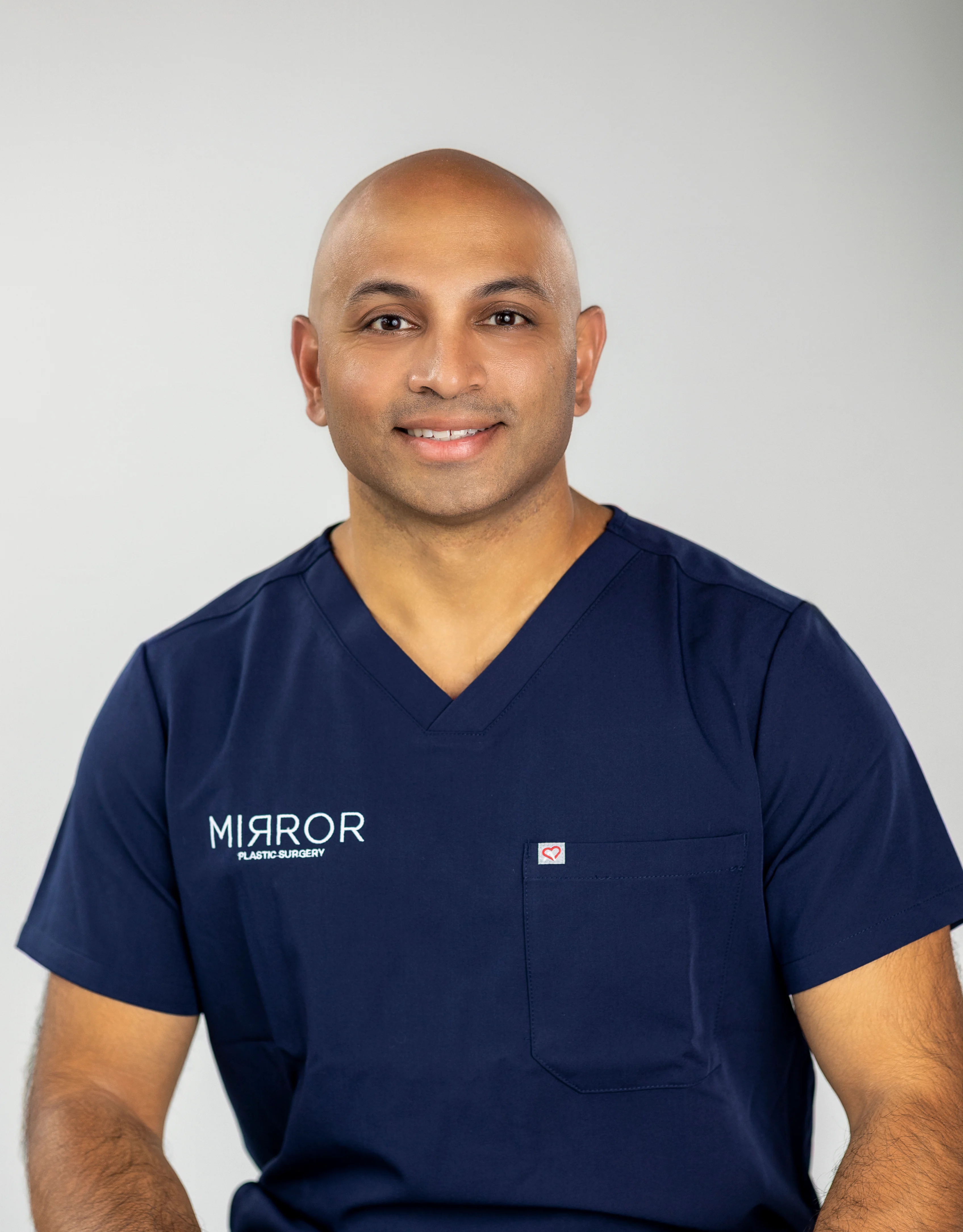
Mirror Plastic Surgery builds individualized treatment plans instead of relying on one-size-fits-all dosing templates. Plans are calibrated to your muscle strength, movement patterns, and long-term goals. Dr. Akash also serves on the advisory board for Merz Aesthetics, which keeps him current on the latest injectable research and techniques.
Plan a personalized Botox treatment with Ellie and Dr. Akash at Mirror Plastic Surgery.
Frequently Asked Questions
How Long Does Botox Take To Work?
Most patients notice subtle changes within 3–5 days as the toxin binds to nerve endings and starts to quiet muscle activity. Smoother expression lines usually appear around days 7–10, and full results are in place by day 14. Day 14 is the standard time for clinical assessment. Evaluating earlier often leads people to think the treatment failed, when the effect is still building.
Does Botox Last Longer With Repeated Treatments?
Many patients experience longer-lasting results with consistent treatment.1 Over time, muscles weaken slightly, nerve recovery slows, and the brain reduces strong frown or squint habits. These mechanisms, described earlier, mean that a 12-week cycle can sometimes stretch to 14–16 weeks at the same dose, or allow fewer units at the same interval. As noted earlier, the 15-year cohort study showed no loss of efficacy over time, and 62% of patients in a separate study enjoyed longer duration.
Is Getting Botox 3 Times A Year Too Much?
Three to four Botox sessions per year match standard maintenance schedules for most patients. A systematic review and meta-analysis found an average effect of about 93–95 days, which supports roughly four treatments per year for continuous coverage. Three sessions per year suit patients who are comfortable with some return of movement between visits. The minimum recommended interval is 12 weeks, since treating more often does not extend results and may slightly increase the theoretical risk of antibody formation.
Do You Age Faster After Stopping Botox?
Stopping Botox does not make wrinkles worse than they would have been without treatment.1 When you stop, muscle movement gradually returns and your face moves back toward its natural baseline over three to four months. Long-term users often find their lines are still softer than those of peers who never treated, because years of reduced movement slowed wrinkle formation.1 The American Society of Plastic Surgeons confirms that Botox effects are fully reversible once treatment stops.
What Is The Best Neuromodulator Brand?
No single brand works best for everyone. Botox, Dysport, Xeomin, Jeuveau, and Daxxify share the same core mechanism and usually last in the 3–4 month range for standard cosmetic areas. The meaningful differences involve onset, spread, and, for Daxxify, duration. Dysport’s wider spread suits broad forehead areas. Botox’s tighter spread favors precise work around the eyes and mouth. Xeomin’s protein-free formula can appeal to patients who prefer fewer accessory proteins. Daxxify may fit patients who consistently feel that standard products fade too quickly. Dr. Akash recommends a brand based on your anatomy, muscle activity, treatment area, and goals.
Conclusion: Plan Your Personal Botox Timeline
Botox typically lasts 3–4 months, with effects starting within days and peaking at two weeks. Your unique anatomy, muscle strength, metabolism, treatment area, and injector’s precision all shape your exact timeline. Evidence-based aftercare, a consistent schedule, and a skilled physician partner help you maintain smoother, natural results.
At Mirror Plastic Surgery, Dr. Akash Chandawarkar uses surgical-level anatomical expertise to design personalized injectable plans that favor longevity and subtlety over volume. When you are ready to understand your own Botox timeline and build a smart maintenance plan, a one-on-one consultation is the next step.
Disclaimer: Results may vary from person to person. Editorial content, before and after images, and patient testimonials do not constitute a guarantee of specific results.
1 Results may vary from person to person. Editorial content, before and after images, and patient testimonials do not constitute a guarantee of specific results.


