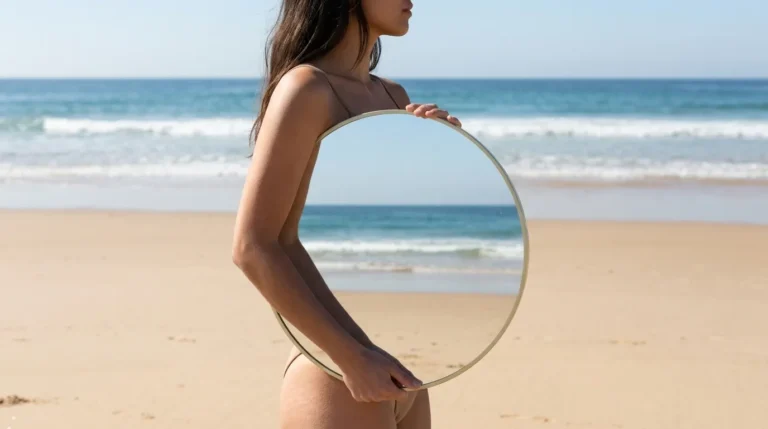
Written by: Dr. Akash Chandawarkar, Board Certified Plastic Surgeon, Mirror Plastic Surgery | Last updated: September 9, 2026
Key Takeaways
- A Brazilian Butt Lift (BBL) is a three-stage fat transfer procedure that harvests fat with liposuction, purifies it, and injects it into the subcutaneous layer of the buttocks for natural-looking enhancement.
- Modern safety protocols require strictly subcutaneous injection with ultrasound guidance, which dramatically reduces the risk of pulmonary fat embolism and makes BBL mortality comparable to other elective surgeries.
- Most transferred fat that survives the early healing phase becomes permanent, while a predictable portion is naturally reabsorbed during the first few months.1
- Recovery demands strict adherence to no-sitting and no-pressure rules for the first 2 to 8 weeks, because direct pressure on the buttocks can kill vulnerable fat cells before they establish blood supply.
- Choosing a board-certified plastic surgeon who prioritizes safety protocols is essential. Schedule a BBL consultation with Ellie at Mirror Plastic Surgery to discuss your goals and candidacy.
The Three-Step Fat Transfer Technique For BBL
A full BBL procedure typically takes 2 to 4 hours under general anesthesia. Every BBL follows the same three-stage process of harvesting, purification, and injection. The surgeon’s technique at each stage drives both safety and the quality of your final shape.
Step 1: Fat Harvesting (Liposuction)
The procedure starts with liposuction to remove fat from donor areas such as the abdomen, flanks (love handles), lower back, or thighs. The surgeon makes small incisions of approximately 3 to 5mm and inserts a thin cannula attached to a vacuum device. A tumescent solution, which is a mixture of saline, local anesthetic, and epinephrine, is injected first to reduce bleeding and discomfort.
Technique nuance matters significantly at this stage. Mature fat cells (adipocytes) are fragile and can be injured by excessive suction pressure, mechanical trauma, heat, or prolonged air exposure. Gentle, low-pressure suction or syringe aspiration protects these cells, which improves their chance of surviving after transfer. Larger multiport cannulas with rounded blunt tips also reduce shear forces and tissue trauma during harvesting.
The harvesting phase also reshapes the donor areas. Many surgeons use a 360-degree approach that treats the entire midsection. This creates a smoother transition between the newly shaped buttocks and the back, waist, and hips. Surgeons typically harvest 2,000 to 4,000 cc of raw lipoaspirate to yield enough purified fat for transfer.
Step 2: Fat Purification
Harvested fat contains viable fat cells, blood, oil, and damaged tissue. This mixture cannot be injected directly. The collected lipoaspirate undergoes purification with methods such as centrifugation (spinning to separate layers by density), filtration, or gentle washing and decantation. Each method aims to isolate healthy, intact fat cells and remove impurities.
Think of this step as refining the harvested material so that only the most viable cells are used. Injecting impure fat increases complication risk and lowers survival rates. Closed-system centrifugation, as recommended in ASPS guidelines, improves graft viability compared with older open-air techniques by limiting air exposure and contamination.
During a BBL, surgeons usually harvest 2,000 to 4,000 cc of raw lipoaspirate, and approximately 40 to 60% of that becomes usable purified fat after processing. Surgeons therefore harvest more fat than the final injection volume requires.
Step 3: Strategic Injection
The injection phase is the most technically demanding and safety-critical step. Purified fat is injected in tiny microdroplets, which are many small parcels distributed across multiple tissue layers, into the subcutaneous layer. This layer is the fatty tissue just beneath the skin and above the gluteal muscle. The microdroplet technique increases surface area for oxygen diffusion and new blood vessel growth, which improves graft survival and contour smoothness.
Injection depth is the single most consequential technical decision in a BBL. The gluteal muscle contains large veins. If fat enters these veins, it can travel to the lungs and cause a pulmonary fat embolism, which historically drove BBL mortality. The subcutaneous layer contains no large-caliber veins that connect directly to central circulation. When the surgeon stays in this plane, fat embolism becomes virtually impossible.
The Multi-Society Gluteal Fat Grafting Task Force, comprising ASPS, ISAPS, ASAPS, and other international bodies, issued safety guidelines for BBL injections. These guidelines require injections strictly in the subcutaneous space, using large blunt-tipped cannulas at least 4mm in diameter, angled upward, with real-time intraoperative ultrasound guidance to prevent pulmonary fat embolism. In Florida, the Florida Board of Medicine mandated ultrasound guidance for every BBL performed in the state as of June 2022.
The surgeon then places fat strategically to create projection, address asymmetry, smooth hip dips, and shape a natural hourglass silhouette. Modern BBL protocols cap the total volume of fat injected per buttock at 400 to 800 cc per side, which emphasizes sculpted placement over sheer volume. Surgeons typically overcorrect by 10 to 20% to account for expected reabsorption during healing.
Talk with Ellie about your BBL goals and review your anatomy and candidacy with a Harvard-educated, Johns Hopkins-trained board-certified plastic surgeon.
Why Fat Survival Rates Matter After BBL
Once fat is strategically placed, its survival depends on how your body responds in the days and weeks after surgery. Transferred fat cells have no blood supply for the first 48 to 72 hours after injection. During this ischemia phase, transplanted fat cells rely on plasmatic imbibition, which is diffusion of oxygen and nutrients from surrounding tissue. This makes them extremely vulnerable to pressure. Between weeks 2 and 4, new capillaries grow into the grafted fat and provide a more stable blood supply.
A 2024 study using 3-dimensional imaging reported 77.9% fat retention at 3 months and 64.7% at 6 months, which aligns with the commonly cited clinical range.1 Most transferred fat that survives this period remains permanently, while the rest is naturally reabsorbed during the first 2 to 3 months.1
Because some fat loss always occurs, surgeons transfer slightly more volume than the final desired result. The buttocks therefore look fuller immediately after surgery than they do at the 3 to 6 month mark. Factors that influence survival include surgical technique, injection method, patient health, smoking status, and how closely you follow sitting restrictions.
Surviving fat behaves like normal body fat. Once these cells establish a permanent blood supply after about 3 months, results stabilize. The transferred fat then expands with weight gain and shrinks with weight loss. Maintaining a stable weight is the most important factor in preserving long-term results.
Safety First: How Modern Technique Changed BBL Risk
BBL once carried a reputation as the deadliest elective cosmetic procedure. That reputation came from intramuscular injection, not from the concept of fat transfer itself. The safety evolution of BBL is one of the clearest examples of evidence-based protocol reform in aesthetic surgery.
Understanding this evolution matters because a single technical change, moving injection from muscle into the subcutaneous layer, dramatically altered the risk profile. The timeline below shows how that shift unfolded.
- The ASERF Task Force’s 2017 survey (Mofid et al., Aesthetic Surgery Journal) estimated the BBL death rate as high as roughly 1 in 3,000, driven by fatal pulmonary fat embolisms from deep gluteal muscle injection.
- In 2018, the American Society of Plastic Surgeons and ISAPS published an urgent advisory that highlighted this elevated risk when fat was injected inside the gluteal muscle.
- The 2022 multi-society Practice Advisory on Gluteal Fat Grafting, established by ASPS, ASAPS, and ISAPS, set subcutaneous-only fat injection as the global standard of care.
- The BBL mortality rate dropped from approximately 1 in 3,000 to approximately 1 in 14,952 procedures after the shift to strictly subcutaneous fat injection, which made BBL mortality comparable with other elective surgeries of similar duration and anesthetic risk.
Several common misconceptions about BBL deserve clear correction:
- Myth: “A BBL is a quick fix.” A BBL requires a significant recovery commitment, including 2 to 6 weeks of sitting restrictions and several months before final results are visible.
- Myth: “Fat transfer lasts forever without change.” A portion of transferred fat is reabsorbed. The surviving fat is permanent but still responds to weight fluctuations.
- Myth: “A BBL smells years later.” A properly performed BBL does not create lingering odor. Any unusual smell suggests infection, fat necrosis, or another complication that needs immediate medical attention. This myth stems from rare complication cases, not from normal BBL outcomes.
Discuss your BBL safety questions with Ellie and learn how Mirror Plastic Surgery’s safety-first philosophy guides every procedure.
What To Expect During BBL Recovery
Direct pressure on the buttocks during the first 2 to 8 weeks can compress blood vessels, reduce oxygen delivery, and kill vulnerable fat cells. Because transferred fat has no immediate blood supply, strict adherence to no-sitting and no-pressure rules is the single biggest determinant of fat survival and your final results.
Here is a general week-by-week overview of what to expect:
- Week 1: No sitting or lying on your back. Sleep on your stomach or sides. Wear a compression garment around the clock for the first two to six weeks. Expect drainage from liposuction incisions for 24 to 72 hours. Most patients use prescription pain medication for the first 3 to 5 days. Gentle walking supports circulation.
- Weeks 2–3: Modified sitting with a BBL pillow that shifts pressure to the thighs usually begins around day 8 to 10. Many patients return to desk work at this stage if they use a BBL pillow consistently. Light walking for 15 to 30 minutes daily is common. Lymphatic massage often starts around weeks 2 to 3.
- Weeks 3–6: Sitting time with a BBL pillow gradually increases. Light cardio may be cleared around weeks 4 to 6. Compression garments often transition to about 12 hours daily by weeks 3 to 4.
- Weeks 6–8: Most surgeons clear normal sitting without a pillow at week 6. Sleeping on your back is typically allowed. Lower-body exercise such as squats and lunges is usually restricted until weeks 8 to 12.
- Months 3–6: Final results become visible as swelling resolves and surviving fat stabilizes. By month 3, the fat that will remain has generally established a blood supply and settled into its long-term shape.
Most patients take 2 to 4 weeks off work depending on job demands. Remote workers should still plan for reduced productivity during the first week. Physically demanding roles may require 4 to 6 weeks before returning to full duties.
How Long Do BBL Results Last?
Surviving fat is permanent, but your shape can still change over time. As discussed earlier, the fat that establishes a blood supply behaves like your natural fat, expanding with weight gain and shrinking with weight loss. Final BBL results usually appear between 6 and 12 months after surgery, once swelling resolves and the retained fat stabilizes.1
Factors that can erode results include significant weight changes of more than 10 to 15 pounds, pregnancy, aging, and smoking. Maintaining a stable weight, avoiding nicotine, and following a healthy lifestyle help preserve your outcome. A second-stage BBL touch-up should be considered only after at least 6 to 12 months, once residual swelling has dissipated and tissues have softened.
Risks And Downsides To Weigh Before BBL
A clear understanding of BBL risks supports informed decision-making. When a board-certified plastic surgeon follows current safety protocols in an accredited facility, BBL risks are comparable to other elective cosmetic surgeries of similar length. Key risks include:
- Fat embolism: Rare at approximately 1 in 14,952 with modern subcutaneous-only technique, but potentially fatal. Prevented with strict subcutaneous injection and ultrasound guidance.
- Infection: Surgical site infection rates for fat transfer to the buttocks range between 2% and 13%. Risk factors include smoking, diabetes, and higher BMI.
- Seroma: A contemporary 7,000-patient series using strict subcutaneous-only injection documented seroma in 23% of cases. Many resolve with drainage or compression.
- Fat necrosis: Pockets of dying fat that form hard lumps occurred in approximately 1.9% of cases in the same large series. Some patients need additional procedures.
- Asymmetry or contour irregularities: Uneven fat survival can create visible asymmetry, which may require touch-up procedures.
- Anesthesia risks: Standard risks associated with general anesthesia apply.
Practical Takeaways: Questions To Ask Your Surgeon
Choosing a qualified surgeon is the most consequential decision you will make about a BBL. Use the following checklist to evaluate any provider:
- Verify board certification by the American Board of Plastic Surgery, not just a “cosmetic surgeon” label.
- Ask, “In which anatomical plane will you inject the fat?” The answer should be subcutaneous only, never into muscle.
- Ask, “Do you use ultrasound guidance during injection?” Current safety guidelines recommend this, and Florida law requires it.
- Ask about their BBL experience, complication rates, and revision policy.
- Review before-and-after photos of patients with similar body types and goals.
- Confirm the procedure takes place in an accredited surgical facility.
Red flags include unusually low pricing, vague credentials, pressure to book immediately, or an inability to clearly explain safety protocols. A safe surgeon should explain why they inject in the subcutaneous plane, what cannula type they use, and how they control injection depth. If they cannot answer clearly, consider it a warning sign.
Surgical Vs. Non-Surgical BBL: Comparing Your Options
Not every patient is a candidate for surgical BBL. Patients with limited donor fat, certain medical conditions, or those seeking subtle enhancement may prefer non-surgical options. At Mirror Plastic Surgery, Dr. Akash Chandawarkar offers non-surgical BBL using biostimulatory fillers, specifically Radiesse and AlloClae, to add volume, smooth cellulite, reduce the appearance of stretch marks, and address hip dips. These options avoid surgery and general anesthesia, and they come with no sitting restrictions.
Non-surgical BBL cannot match the dramatic projection of surgical fat transfer. Results are more subtle and temporary, typically lasting 18 to 24 months for biostimulatory fillers.1 The right choice depends on your goals, anatomy, and medical profile. Dr. Akash serves on the advisory boards of Merz Aesthetics (Radiesse) and Tiger Aesthetics (AlloClae), which brings specialized expertise in non-surgical gluteal enhancement that few providers in the Tampa Bay area can offer.
Explore surgical and non-surgical BBL options with Ellie during a personalized, top-to-bottom assessment at Mirror Plastic Surgery in St. Petersburg, FL.
Frequently Asked Questions
How Long Does A BBL Fat Transfer Procedure Take?
The full procedure typically takes 2 to 4 hours under general anesthesia. This time includes liposuction harvesting from donor areas, fat purification, and strategic injection into the subcutaneous layer of the buttocks. Patients should plan for a full day at the surgical facility, including pre-operative preparation and post-anesthesia recovery before discharge.
Will I Need To Take Time Off Work After A BBL?
Most patients take 2 to 4 weeks off work, depending on job demands. Desk workers often return at 2 to 3 weeks if they can use a BBL pillow consistently and avoid prolonged direct sitting. Physically demanding jobs that involve lifting, long periods of standing, or friction from garments may require 4 to 6 weeks. Remote workers should still expect reduced productivity during the first week because of discomfort, medication effects, and recovery positioning.
Can I Sit After A BBL?
Direct sitting on the buttocks is prohibited for the first 2 weeks after surgery. From approximately weeks 2 to 6, sitting is allowed only with a BBL pillow that shifts pressure to the thighs and hamstrings instead of the grafted tissue. Most surgeons clear normal sitting without a pillow between weeks 6 and 8, depending on individual healing. Brief toilet use is always permitted and is built into every surgeon’s recovery protocol.
Does A BBL Smell Years Later?
A properly performed BBL does not produce a lingering odor. Any unusual smell after a BBL, whether soon after surgery or years later, suggests infection, fat necrosis, or another complication that needs immediate medical attention. This concern comes from rare complication cases, not from standard BBL outcomes. Properly transferred and integrated fat behaves like normal body tissue and has no odor.
How Much Fat Is Typically Transferred During A BBL?
Surgeons typically inject 300 to 800 cc of purified fat per buttock cheek, depending on anatomy, available donor fat, and aesthetic goals. Achieving this volume usually requires harvesting approximately 2,000 to 4,000 cc of raw lipoaspirate, of which only 40 to 60% becomes usable purified fat after processing. Surgeons overcorrect by about 10 to 20% to account for the portion of fat that the body will reabsorb during the first 2 to 3 months of healing.
What Is The Difference Between A BBL And Butt Implants?
A BBL uses your own fat, harvested with liposuction and injected into the subcutaneous layer of the buttocks. Butt implants are silicone devices surgically placed inside or above the gluteal muscle. BBL offers simultaneous donor-site contouring, avoids implant-related complications such as displacement, capsular contracture, or rupture, and produces results that feel natural. However, BBL requires sufficient donor fat. Patients with very low body fat may not have enough for meaningful augmentation. Implants can create more dramatic projection in very lean patients but carry higher long-term reoperation rates. A consultation with a board-certified plastic surgeon is the most reliable way to determine which approach, or combination, fits your anatomy and goals.
Making An Informed BBL Decision
A Brazilian Butt Lift is a three-stage fat transfer technique of harvest, purify, and inject, and safety depends on subcutaneous-only fat placement. Modern safety protocols, including the 2018 ASPS advisory and the 2022 multi-society practice guidelines, have transformed the procedure’s risk profile. As discussed earlier, most surviving fat remains long term, but lasting results require weight stability, recovery compliance, and a surgeon whose technique prioritizes safety at every stage.
Knowing how the technique works helps you ask better questions and recognize a surgeon who values safety over volume. At Mirror Plastic Surgery in St. Petersburg, FL, Dr. Akash Chandawarkar brings Harvard and Johns Hopkins training to every procedure, with a safety-first, function-second, aesthetics-third philosophy. The practice performs only one to two surgeries per day to support focused, personalized care.
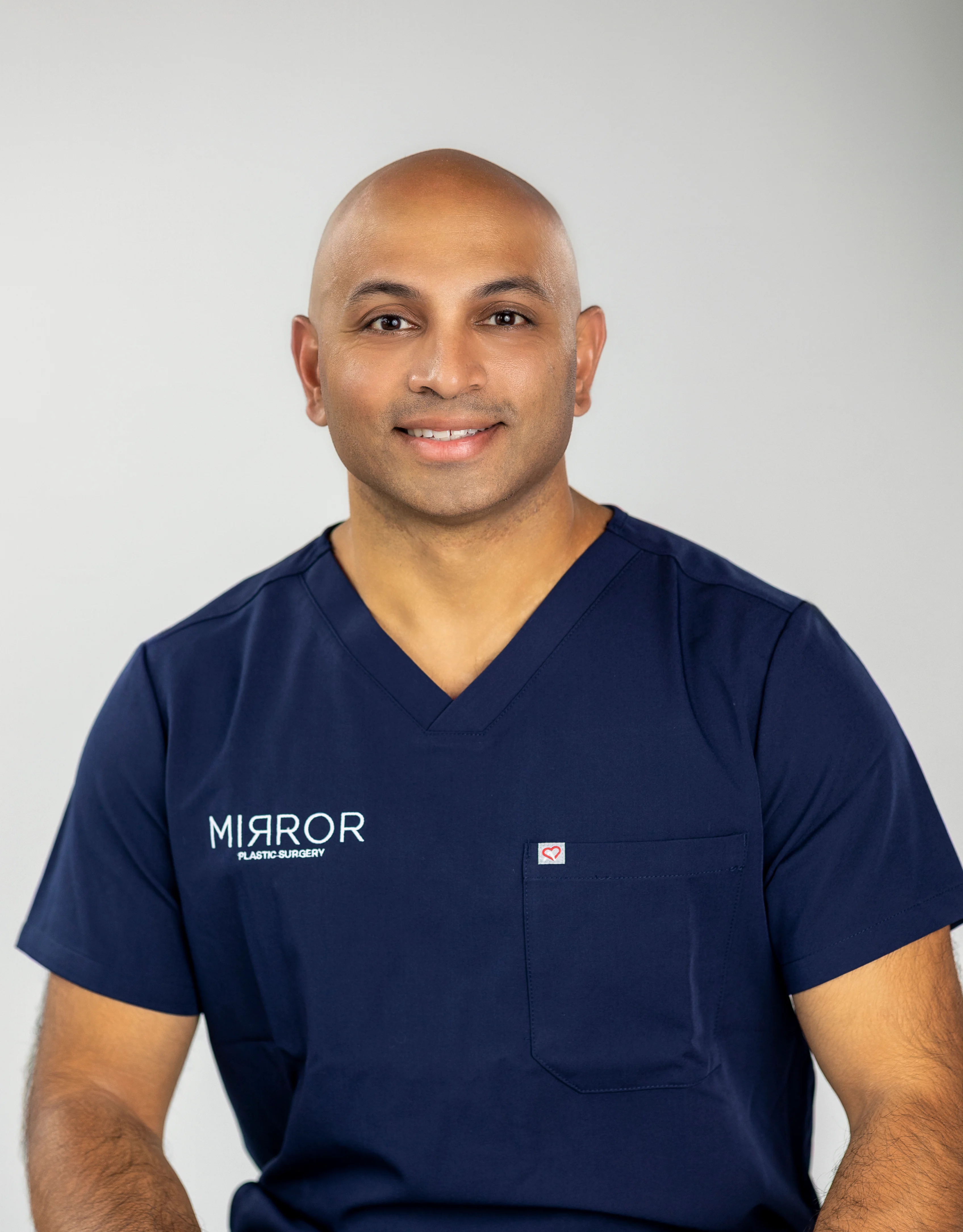
Arrange a consultation with Ellie today and take the first step toward an informed, safety-conscious BBL decision at Mirror Plastic Surgery.
Disclaimer: Results may vary from person to person. Editorial content, before and after images, and patient testimonials do not constitute a guarantee of specific results. This article is for educational purposes and does not replace professional medical advice. Consult with a board-certified plastic surgeon to determine if you are a candidate for any procedure.
1 Results may vary from person to person. Editorial content, before and after images, and patient testimonials do not constitute a guarantee of specific results.