
Written by: Dr. Akash Chandawarkar, Board Certified Plastic Surgeon, Mirror Plastic Surgery
Key Takeaways
- Concierge plastic surgery flexible scheduling relies on low daily surgical volume, virtual consultations, batched in-person visits, dedicated coordinators, and direct-line access.
- High-volume practices performing five to ten surgeries per day rarely have the structural capacity for genuine flexibility, while low-volume practices can adapt more easily.
- Busy professionals can shorten the surgical timeline by using virtual consultations, completing labs locally, batching pre-operative visits, and using telehealth for many follow-ups.
- Recovery timelines depend on procedure and job demands, so planning six to twelve weeks ahead and protecting a clear recovery window are essential.1
- Mirror Plastic Surgery follows this concierge model through a low-volume schedule and extended consultations with Dr. Akash.
Start Your Virtual Consultation With Mirror Plastic Surgery
Why Flexible Scheduling Requires Careful Evaluation
“Flexible scheduling” appears in the marketing copy of many aesthetic practices, from high-volume clinics to boutique surgical suites. The term is unregulated and has no built-in operational meaning. Real flexibility depends on three structural variables: daily surgical volume, how coordinator staffing works, and whether the practice supports remote touchpoints.
A practice performing ten, twelve, or fifteen cosmetic surgeries in a day cannot match the responsiveness of one capped at one or two. When a surgeon manages multiple operating rooms, the coordinator’s attention spreads across many patients. Same-day rescheduling, direct-line access, and batched pre-operative visits become difficult to sustain at that scale.
For a busy professional, scheduling breakdowns can cause missed surgery windows, unplanned extra trips, or recovery that overlaps with critical work periods. Evaluating a practice’s flexibility works best when you ask specific questions about surgical volume and coordinator structure instead of relying on amenities pages.
The Expert Context At Mirror Plastic Surgery
Mirror Plastic Surgery is led by Dr. Akash, a Harvard Medical School graduate and Johns Hopkins-trained plastic surgeon who completed an additional aesthetic surgery fellowship at the Manhattan Eye, Ear and Throat Hospital (MEETH). Dr. Akash has been recognized in America’s Best Plastic Surgeons 2025 by Newsweek for two years in a row, reflecting both clinical outcomes and peer recognition.
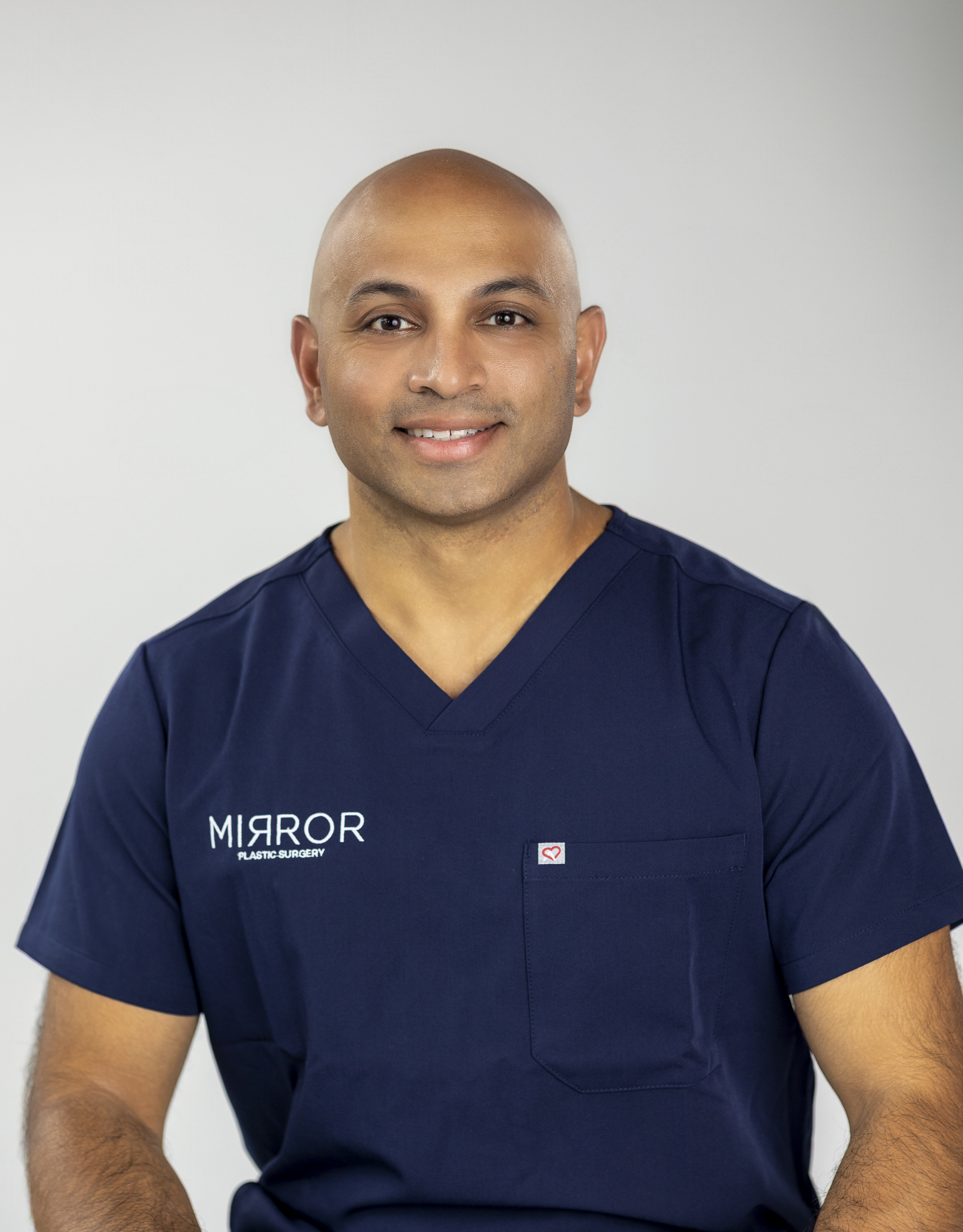
He limits Mirror Plastic Surgery to one to two surgeries per day and spends up to an hour in consultation with each patient. That low daily caseload creates room for genuine flexibility, because the operating day is not stacked with back-to-back cases. Rescheduling, batching visits, and direct coordinator access become realistic options instead of aspirational promises.
This low-volume model is the reference point for the practical steps that follow.
How To Schedule Plastic Surgery Around Work
Step 1: Core Features Of Flexible Concierge Scheduling
A genuine concierge surgical practice builds flexibility into several specific parts of the experience. After-hours and weekend appointment slots allow initial consultations or follow-up check-ins outside standard business hours. Virtual consultations create a first substantive meeting with the surgeon without time away from the office.
A dedicated patient coordinator manages the sequence of every appointment, pre-operative clearance, and post-operative check-in. Direct-line access lets a professional reach the care team without navigating a phone tree. Each of these elements varies by practice, so confirmation with the coordinator matters.
Surgical scheduling also includes mandatory in-person steps that injectable-focused concierge content often overlooks. A busy professional benefits from knowing exactly which steps must happen in person before committing to a timeline.
Step 2: Using A Compressed Surgical Timeline
The total number of trips required for surgery is a practical measure of scheduling burden. A traditional high-volume workflow may involve a separate initial consultation, a standalone pre-operative appointment, a surgery day, and several in-person follow-up visits. Each visit requires time away from work and, for Tampa Bay professionals with frequent travel, potential conflicts with existing commitments.
A concierge model compresses this sequence. A virtual plastic surgery consultation for busy professionals covers the goals discussion, medical history review, and preliminary surgical planning without an office visit. Pre-operative lab work often happens at a facility near the patient’s home or office, with results submitted remotely.
When an in-person pre-operative visit is required, a well-organized concierge practice batches the physical examination, clinical photography, and pre-operative clearance into a single trip. Many post-operative check-ins at the one-month, three-month, and six-month milestones now occur via telehealth when early healing progresses smoothly.
Step 3: Estimating Time Away From Work
Recovery timelines vary by procedure, individual health, and job demands.1 The ranges below reflect published clinical guidance and should be discussed with Dr. Akash in the context of a patient’s specific anatomy and role.
For breast augmentation, patients with desk jobs often return to work in three to seven days. Those in physically demanding roles may need two to three weeks or more.1 Abdominoplasty (tummy tuck) usually requires approximately two to four weeks away from work for office-based patients, with heavy lifting and strenuous activity restricted for a longer period.1
For facelift procedures, many patients in non-physical jobs feel ready to return to light work around the two-week mark. Residual swelling often continues to resolve through weeks three to six.1 For rhinoplasty, one to two weeks off work is standard guidance, with remote work possible earlier when commuting and high-activity environments are avoided.1
Across procedures, the first post-operative visit typically falls within the first week after surgery, with subsequent milestones at one month, three months, six months, and one year. More complex procedures like body contouring or rhinoplasty sometimes require follow-up beyond a year as swelling resolves and tissues settle.
Step 4: Using After-Hours And Weekend Appointments
In a concierge surgical practice, after-hours and weekend availability usually applies to consultations, coordinator communications, and some follow-up check-ins. Surgery itself takes place during standard operating hours at an accredited surgical facility that follows its own staffing and safety requirements. Pre-operative clearance steps, including lab work and medical clearance from a primary care physician, also generally occur during business hours.
Busy professionals can often complete the consultation and several follow-up touchpoints outside core work hours. Surgery day and the immediate post-operative period still require dedicated time away. Availability for after-hours or weekend appointments differs by practice, so direct confirmation with the team is essential.
Step 5: Laying Out The Timeline On Your Calendar
A practical sequencing approach for a busy professional follows a clear order. Start by scheduling the virtual consultation during a lunch break or after hours, since no travel is required. Once that step is complete, identify a two-to-four-week window at least six to eight weeks out when recovery time can be protected. For most office-based procedures, this usually means one to two weeks of reduced-capacity work rather than complete absence.
Because the pre-operative visit requires in-person steps, batch the physical exam, photography, and clearance into a single half-day trip two to three weeks before surgery. Then confirm that the one-week follow-up can be handled in person locally and that later milestones can be conducted via telehealth when clinically appropriate. Finally, communicate the recovery window to key stakeholders early and frame it as planned medical leave.
Most patients schedule surgery two to eight weeks after their final consultation, following pre-operative testing and medical clearances. Planning six to twelve weeks ahead usually provides the most calendar flexibility.
Plan Your Surgery Timeline With Dr. Akash
Key Factors To Compare When You Call Practices
Several structural variables determine whether a concierge plastic surgery practice can truly support flexible scheduling.
- Surgical Volume Per Day: A practice performing one to two surgeries per day has capacity for rescheduling, batching, and direct coordinator access. A practice performing five to ten has far less room to adjust.
- Who Coordinates Logistics: A dedicated patient coordinator assigned to one patient’s journey functions very differently from a shared front-desk team. Ask whether the same person manages your file from consultation through final follow-up.
- Rescheduling Policy: Ask what happens if a board meeting or client emergency requires moving the surgery date. The answer shows whether flexibility is built into the schedule.
- Virtual Post-Operative Eligibility: Some follow-up visits can safely occur via telehealth. Confirm which milestones qualify and which require an in-office examination.
- Direct-Line Access: Direct 24/7 access to the surgeon and a dedicated surgical coordinator by phone, text, or email is a defining concierge feature and not universal.
- Booking Lead Times: Low-volume practices with strong reputations often have longer booking lead times than high-volume clinics. This reflects demand for a limited number of surgical slots.
Concierge And Traditional Scheduling Compared
Concierge and traditional high-volume practices differ in several concrete scheduling mechanics. Concierge aesthetic appointments typically exceed 45 minutes, while consultations shorter than 20 minutes for a surgical procedure are a red flag in any practice. A surgeon-led concierge clinic with one to two surgeries per day allows the surgeon to personally handle consultation, design, and every critical surgical step. High-volume clinics running five to ten operations daily usually divide that attention.
Care coordination also differs. Traditional practices often route communication through a front-desk team. Concierge practices assign a dedicated coordinator who manages the full patient journey, which supports the flexible scheduling described earlier.
Common Misunderstandings About Concierge Scheduling
Several misconceptions often cause busy professionals to misjudge what a concierge surgical practice can accommodate.
One misconception assumes that “concierge” always means flexible scheduling. The label is self-applied and unregulated. A practice may use it while still running a high daily surgical volume and routing communication through a shared coordinator pool. Caseload, coordinator staffing, and telehealth integration are the real drivers of flexibility.
Another misconception assumes that all pre-operative and post-operative visits must be in person. Patients who live outside the surgical area can often complete pre-operative lab tests at a facility near their home, as long as results arrive within the required window. Many post-operative milestones beyond the first week can occur via telehealth in practices that support that workflow.
A third misconception treats virtual consultation as less thorough than an in-person visit. A virtual plastic surgery consultation is a useful screening tool for initial assessment and surgeon shortlisting. For facial procedures and injectables, it works especially well for preliminary evaluation with high-quality photographs. Body contouring, breast surgery, and procedures requiring tissue palpation still need an in-person examination before surgery, but the virtual consult can handle goals, history, and early planning.
A final misconception equates flexible scheduling with minimal advance planning. Plastic surgery preparation should begin months before the surgery date. Concierge flexibility works best when patients engage early so the practice can align the surgical plan with the professional calendar.
What To Ask A Concierge Practice About Scheduling
The questions below help distinguish genuine scheduling flexibility from marketing language. Ask them when you speak with any practice’s coordinator.
- How many surgeries does the surgeon perform per day, and how many operating rooms run simultaneously?
- If I need to reschedule my surgery date due to a work conflict, what is the policy and how much notice is required?
- Is there a dedicated patient coordinator assigned to my case from consultation through final follow-up, or is coordination handled by a shared team?
- Do I have direct-line access by phone, text, or secure message to my coordinator and to the surgeon outside scheduled appointments?
- Which post-operative follow-up visits can be conducted via telehealth, and which require an in-person examination?
- Are after-hours or weekend consultation appointments available, and how are they requested?
- Can pre-operative lab work be completed at a facility near my office or home, or does it need to be done at your location?
- Can the physical examination, clinical photography, and pre-operative clearance be batched into a single in-person visit?
- How far in advance should I book to secure a surgery date that fits my calendar, and are there peak periods with longer lead times?
- Who handles after-hours emergencies during the post-operative period, and how is that contact initiated?
Get Answers From The Mirror Plastic Surgery Team
How Scheduling Affects Long-Term Results
Scheduling connects directly to surgical outcomes and long-term aesthetic planning. Consistent follow-up care after plastic surgery is associated with higher patient satisfaction and earlier identification of late-stage concerns. A practice model that makes follow-up visits easy to attend through telehealth options, direct coordinator access, and flexible scheduling supports better adherence to the post-operative plan.
For busy professionals, the scheduling model also shapes whether long-term aesthetic planning feels realistic. A surgeon who spends an hour in consultation and limits daily caseload has the capacity to track results over years, adjust plans as anatomy changes, and integrate new procedures into a coherent long-term strategy. A 2021 study in Plastic and Reconstructive Surgery found that surgeons who spent more than 45 minutes in initial consultations had significantly lower revision rates and higher patient satisfaction.
Professionals should also plan for related decisions that scheduling highlights, such as recovery support, sequencing when multiple goals exist, and the realistic timeline for final results. Final plastic surgery results are rarely visible at the six-week or three-month appointments. The body remodels the surgical site for much of the first year, and a practice with strong long-term follow-up infrastructure can guide that process.1
Discuss Your Long-Term Plan With Dr. Akash
Evaluating Scheduling Flexibility In Tampa Bay
For professionals in the Tampa Bay area, the same structural questions apply locally as they do nationally. Ask about daily surgical volume, coordinator assignment, telehealth infrastructure, and rescheduling policy. Confirm that the surgeon who conducts your consultation will also perform your procedure. Meeting your surgeon for the first time on surgery day should never occur in a practice that takes planning seriously.
Mirror Plastic Surgery is located at 780 4th Ave S, St. Petersburg, FL 33701, serving the St. Petersburg and Tampa Bay area. Dr. Akash’s low-volume schedule illustrates the structural approach that enables the flexibility described in this guide. Patients can text or call 727-361-6515 to ask about availability or begin the scheduling process.
Frequently Asked Questions
Can You Get Plastic Surgery Without Taking Time Off Work?
Most surgical procedures require some time away from work for safe healing. The amount depends on procedure type and job demands. A patient with a fully remote, low-intensity role may return to limited desk work within a week of a breast augmentation. An executive with a high-visibility, high-travel role may need two to three weeks before appearing in client-facing settings after a facelift.
Concierge scheduling focuses on compressing the number of trips and protecting the recovery window through deliberate planning around the patient’s calendar.
How Many Days Off Work Are Typical For Recovery?
Recovery time depends on procedure, overall health, and role demands. The detailed ranges by procedure appear in the Step 3 section above. During consultation, Dr. Akash provides a personalized recovery plan based on anatomy, procedure scope, and professional responsibilities.
What Should You Ask A Concierge Practice About Scheduling?
The most useful questions focus on structure rather than amenities. Ask about daily surgical volume, whether you receive a dedicated coordinator, how rescheduling works when conflicts arise, which follow-ups can occur via telehealth, whether pre-operative steps can be batched, and how far in advance you should book. Clear answers to these topics reveal how flexible the practice can be.
Are After-Hours And Weekend Appointments Available?
Many concierge practices offer after-hours and weekend options for consultations, coordinator communication, and some follow-up visits. Surgery itself still occurs during standard operating hours at an accredited facility. For busy professionals, the main benefit lies in completing the initial consultation and ongoing communication outside core work hours. Availability varies, so confirm details with each practice.
How Thorough Is A Virtual Plastic Surgery Consultation?
A virtual consultation usually works well as a first step for many surgical procedures. It can cover goals, medical history, and preliminary planning without travel. For facial procedures, high-quality photographs allow a detailed preliminary assessment.
Virtual visits do not replace the in-person physical examination required before surgery for body contouring, breast surgery, and any procedure that needs tissue palpation. In a well-structured concierge workflow, the virtual consultation reduces the total number of trips by handling early planning remotely while the in-person pre-operative visit covers all examination needs.
Conclusion: Putting The Pieces Together
Concierge plastic surgery flexible scheduling for busy professionals functions as a logistics solution built on low surgical volume, virtual consultations, batched in-person visits, and dedicated care coordination. Practices that limit daily caseload, assign dedicated coordinators, and integrate telehealth can align surgery with demanding careers more effectively.
Mirror Plastic Surgery, led by Dr. Akash, follows this model with extended consultations and a carefully controlled schedule. For busy professionals in the Tampa Bay area, the next step involves a detailed conversation about how surgery can fit your specific calendar and responsibilities.
Schedule Your Concierge Planning Call With Dr. Akash
1 Results may vary from person to person. Editorial content, before and after images, and patient testimonials do not constitute a guarantee of specific results.