
Written by: Dr. Akash Chandawarkar, Board Certified Plastic Surgeon, Mirror Plastic Surgery | Last updated: September 9, 2026
Key Takeaways
- PRP is a concentration of your own platelets that delivers growth factors to stimulate natural healing and tissue repair without synthetic substances.
- The treatment follows a four-step process of blood draw, centrifugation, extraction, and targeted injection, usually completed in 60–90 minutes with minimal downtime.
- PRP works best for early-stage hair loss and mild-to-moderate skin aging, with measurable improvements in hair density and skin texture within 3–6 months.1
- Results are temporary and usually require an initial series of 3–4 sessions, followed by maintenance every 6–12 months to sustain benefits.1
- At Mirror Plastic Surgery, every PRP treatment is performed by board-certified plastic surgeon Dr. Akash Chandawarkar; schedule a consultation with Ellie to see whether PRP fits your goals.
How PRP Works: Simple Science Behind the Treatment
Every PRP session follows the same four-step process:
- Blood Draw: A small sample (15–60 mL) is drawn from your arm, similar to a routine blood test.
- Centrifugation: The blood is spun in a centrifuge to separate platelets from red and white blood cells.
- Extraction: The platelet-rich layer is isolated, concentrating platelets to 3–7 times baseline levels.
- Injection: The PRP is injected into the target area, such as the scalp, face, joints, or soft tissue.
The concentrated platelets release growth factors, including PDGF, TGF-β, VEGF, and EGF. These signals promote collagen production, new blood vessel formation, and tissue regeneration. Because PRP comes entirely from your own blood, the treatment avoids synthetic or foreign materials and maintains a strong safety profile.
Common PRP Uses for Hair, Skin, and Joints
PRP for Hair Loss and Thinning
PRP is injected into the scalp to stimulate dormant hair follicles, improve density, and slow shedding. A 2026 systematic review in the Journal of Cosmetic Dermatology found PRP produces moderate hair-density improvements of approximately 28 hairs/cm² within 3–6 months.1 A separate 2026 prospective randomized 10-year study showed sustained hair density improvements of 31.4% at 12 months, with benefits persisting above baseline at 60 months.1
PRP is most effective for early-stage androgenetic alopecia (pattern hair loss, Norwood grades 2–4 in men, Ludwig grades 1–2 in women) and typically requires 3–4 initial sessions spaced 4–6 weeks apart. Maintenance sessions every 6–12 months usually help sustain gains over time.
PRP for Facial Rejuvenation and Texture
The “vampire facial” uses PRP applied topically or injected after microneedling to improve skin texture, tone, and fine lines. The micro-channels created by needling allow PRP’s growth factors to penetrate deeper into the dermis. This enhances collagen induction beyond what either treatment achieves alone. Adding PRP to microneedling produces 2.97× greater odds of significant improvement for atrophic acne scars compared to microneedling alone.1
A 2026 randomized split-face trial showed PRP significantly improves periorbital hyperpigmentation, fine wrinkles, and skin density.1 PRP works well for surface quality and texture. Deep volume loss or significant laxity usually require other treatments such as fillers, energy devices, or surgery.
PRP for Joints and Muscles
PRP injections also appear in orthopedic care for knee osteoarthritis, tendon injuries, and sports medicine. Leukocyte-poor PRP shows superior outcomes compared to other injectables for early-to-moderate knee osteoarthritis, according to the 2025 GRIIP consensus. At Mirror Plastic Surgery, the focus stays on aesthetic applications, where the evidence base for PRP is strongest.
Emerging PRP Applications
Investigational uses include sexual health, wound healing, and post-surgical recovery. Evidence for these areas continues to develop, and they are not considered standard care yet.
The PRP Procedure: What to Expect Step by Step
Once you understand what PRP can treat, the next step is knowing what a session involves. A typical PRP visit includes consultation, blood draw, centrifugation for 15–20 minutes, and injection for 20–40 minutes, for a total of approximately 60–90 minutes. The procedure is minimally invasive and usually involves minimal downtime.
Topical numbing cream or local anesthetic is applied before injection. Most patients rate discomfort as mild, around 3–5 out of 10. Common post-procedure effects such as mild swelling, redness, and bruising usually resolve within 24–72 hours.
Patients should avoid NSAIDs like ibuprofen for 5–7 days before and 2–4 weeks after treatment. These medications blunt the inflammatory response PRP relies on to stimulate healing.
Talk with Ellie during a consultation to decide whether PRP is the right next step for your hair or skin goals.
PRP Results and Longevity: Realistic Timelines
PRP results build gradually as collagen and tissue regenerate over weeks to months. Realistic timelines by treatment area include the following ranges:
- Hair Restoration: Reduced shedding at 1–3 months, visible density improvement at 3–6 months, and peak results at 6–12 months.1
- Facial Rejuvenation: Initial skin quality improvement at 2–4 weeks, with collagen remodeling and texture improvement at 3–6 months.1
These timelines reflect the gradual nature of collagen remodeling and follicle cycling. Results vary by individual biology, condition severity, and consistency with maintenance sessions.
PRP Risks and Side Effects: Safety Overview
Common side effects include injection-site pain, swelling, bruising, and redness. These effects are typically mild and resolve within 2–5 days. Rare risks include infection and nerve injury. Septic arthritis after intra-articular PRP occurs in fewer than 1 in 10,000 injections with proper sterile technique.
Because PRP comes from your own blood, the risk of allergic reaction or rejection is extremely low. Choosing a qualified medical professional further reduces risk. Sterile technique, correct injection depth, and appropriate patient selection all matter.
Contraindications include active infection, platelet disorders, blood-thinning medications, active cancer, and pregnancy. A thorough consultation allows careful review of these factors.
Who Is a Good Candidate for PRP?
Good candidates have overall stable health, adequate skin or scalp quality, and realistic expectations. Best results appear in early-stage hair loss (Norwood 2–4, Ludwig 1–2) and mild-to-moderate skin aging.
Age alone rarely disqualifies someone. Patients in their 60s and 70s can respond well, although they may need more sessions because of reduced cellular activity. Patients who tend to see diminished results include active smokers, those with poorly controlled diabetes, and those on chronic high-dose NSAIDs.
At Mirror Plastic Surgery, Dr. Akash Chandawarkar may spend up to an hour assessing your anatomy, medical history, and goals to decide whether PRP is a good fit.
PRP vs. Alternatives: Comparing Your Options
Most patients want to understand how PRP compares with stem cell therapy and microneedling alone.
PRP vs. Stem Cell Therapy: PRP concentrates growth factors from your blood, while stem cell therapy uses living cells harvested from fat or bone marrow. That difference shapes the experience. PRP is minimally invasive and involves only a blood draw, whereas stem cell therapy requires liposuction or bone marrow extraction. For aesthetic uses, PRP currently has a stronger evidence base, while stem cell therapy remains largely investigational.
PRP vs. Microneedling Alone: Adding PRP to microneedling improves outcomes for texture and scar concerns. The same 2.97× improvement in odds of significant change for atrophic acne scars makes the combination meaningfully more effective than microneedling alone.
PRP sits between topical products and surgery. It is more regenerative than creams, less invasive than a scalpel, and better studied than stem cell therapy for cosmetic goals.
Why Choose Mirror Plastic Surgery for PRP?
Dr. Akash Chandawarkar is a board-certified plastic surgeon. He is a Harvard-educated physician and Johns Hopkins-trained surgeon, with fellowship training in aesthetic surgery at MEETH/Lenox Hill Hospital. He personally performs all PRP injections at Mirror Plastic Surgery, so every treatment is placed by a physician with a surgeon’s command of facial and subdermal anatomy. That depth of knowledge supports both safety and precision.
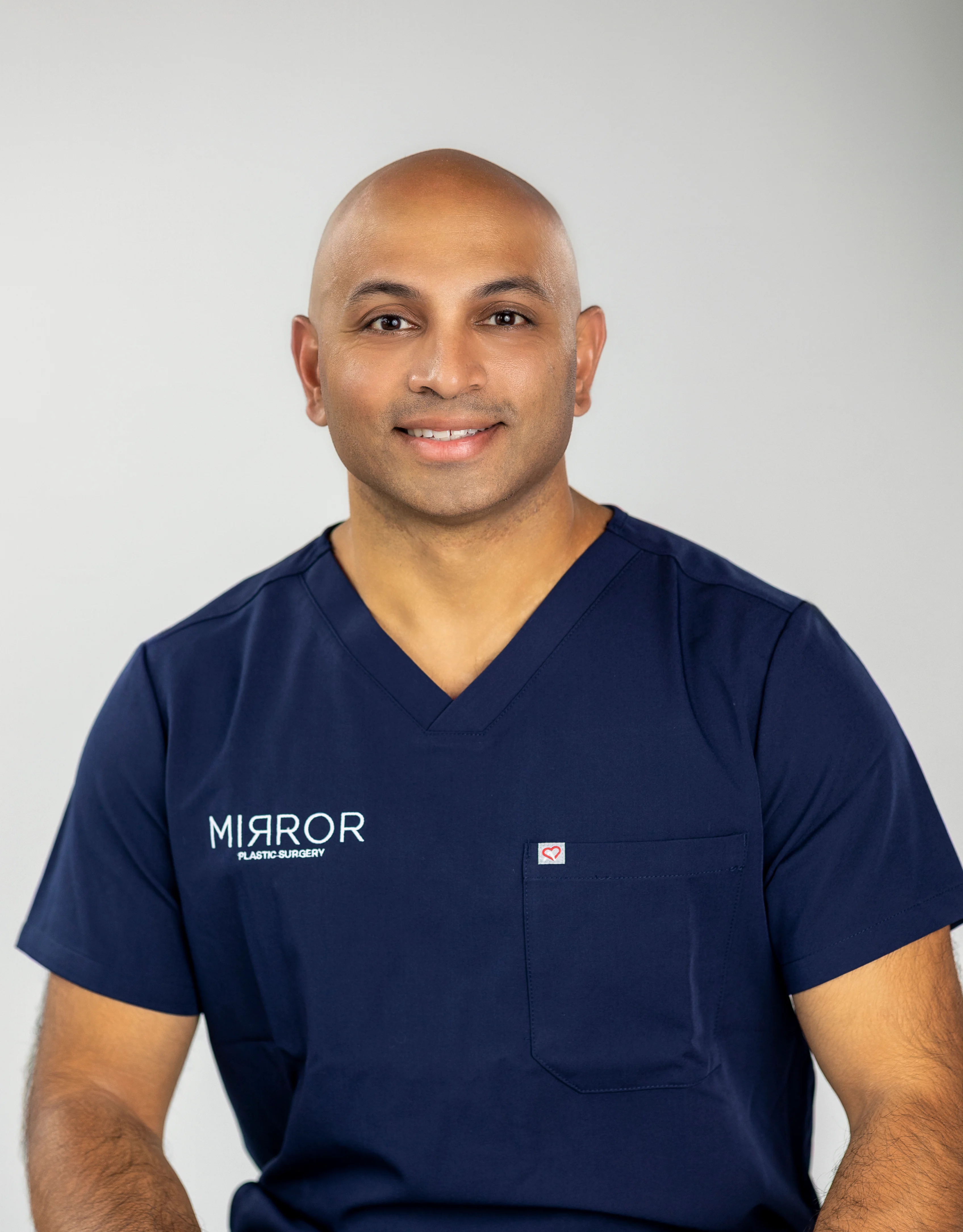
Mirror Plastic Surgery follows a concierge medicine model. Consultations can run up to an hour, assessments are thorough, and recommendations stay honest. Dr. Akash often advises patients to wait on treatment when it is not yet necessary. The practice follows a clear philosophy: safety first, function second, aesthetics third.
Ask Ellie about PRP candidacy during your consultation at Mirror Plastic Surgery.
Frequently Asked Questions About PRP
What Is the Downside of PRP?
PRP results are not guaranteed and usually require multiple sessions for meaningful improvement. Effects are temporary, so maintenance sessions every 6–12 months help sustain results and add to long-term cost. Insurance almost never covers cosmetic PRP, so treatment is out-of-pocket. Mild side effects such as swelling, redness, and bruising at the injection site are common and typically resolve within a few days. Patients with advanced hair loss or significant skin laxity often need additional treatments beyond PRP alone.
Is PRP Worth the Money?
For appropriate candidates with early-stage hair loss or mild-to-moderate skin aging, PRP offers a favorable balance of risk, recovery, and benefit compared with more invasive or expensive options. Clinical studies report success rates of 70–80% for early-to-moderate androgenetic alopecia.1 Candidacy and consistency matter most. A detailed consultation helps determine whether the investment aligns with your goals and condition.
How Long Do PRP Results Last?
Hair restoration results typically last 12–18 months without maintenance sessions,1 while facial rejuvenation results generally last 6–12 months.1 Maintenance sessions extend benefits by renewing growth-factor stimulation. Without maintenance, gains gradually decline as underlying conditions such as androgenetic alopecia continue to progress. Many patients maintain meaningful improvement long term with one or two sessions per year.
Does PRP Work for Older Patients?
Older patients can respond well to PRP, although they may need more sessions and may see slower changes. Patients in their 60s and 70s often achieve noticeable improvement, since age alone does not rule them out. Reduced cellular activity with age can blunt the response somewhat, while younger patients with more active follicles often see faster results. A personalized assessment sets realistic expectations based on age, health status, and degree of hair loss or skin aging.
How Many PRP Sessions Are Needed?
Most protocols recommend 3–4 initial sessions spaced 4–6 weeks apart, followed by maintenance every 6–12 months. The exact number depends on treatment area, condition severity, and individual response. Hair restoration may require up to 5–6 sessions for more advanced thinning, while facial rejuvenation typically starts with 3 sessions. Patients should complete the full initial series before judging results, because the biological effect builds cumulatively.
Conclusion: Deciding Whether PRP Fits Your Goals
PRP is a safe, natural treatment that uses your body’s own growth factors to promote healing and rejuvenation. It can improve hair loss, skin quality, and certain musculoskeletal conditions, with a growing evidence base across these areas. Results vary by individual and require commitment to a treatment plan, yet many appropriate candidates experience meaningful, minimally invasive improvement.
Provider selection strongly influences PRP outcomes. Preparation quality, injection depth, platelet concentration, and anatomical precision all affect success. At Mirror Plastic Surgery, every PRP injection is performed by Dr. Akash Chandawarkar, a board-certified plastic surgeon whose training and philosophy prioritize safety and long-term results.
Reach out to Ellie to start your PRP journey and discuss whether this treatment aligns with your goals.
Book a Consultation at Mirror Plastic Surgery
Mirror Plastic Surgery is located in St. Petersburg, Florida, and serves the greater Tampa Bay area. Reach out by call or text to schedule your personalized consultation with Dr. Chandawarkar.
- Phone: 727-361-6515 (call or text)
- Email: hello@mirrorplasticsurgery.com
- Address: 780 4th Ave S, St. Petersburg, FL 33701
- Instagram: @mirrorplasticsurgery, @dr.akashplasticsurgery, @perfectlyplastics
Disclaimer: Results may vary from person to person. Editorial content, before and after images, and patient testimonials do not constitute a guarantee of specific results.
1 Results may vary from person to person. Editorial content, before and after images, and patient testimonials do not constitute a guarantee of specific results.