

Written by: Dr. Akash Chandawarkar, Board Certified Plastic Surgeon, Mirror Plastic Surgery | Last updated: September 9, 2026
Key Takeaways
- Filler longevity varies by anatomy, product type, treatment area, and metabolism, so schedules must be personalized.1
- Visible results fading does not mean the product is gone; 2026 MRI research shows HA filler can persist in tissue for up to 15 years.1
- Touch-ups work best when assessment-driven: return when results have genuinely faded and a qualified provider confirms more product makes sense.
- Overfilling accelerates an aged appearance; conservative, whole-face assessments help prevent facial overfilled syndrome.
- Choose a surgeon-led practice like Mirror Plastic Surgery for personalized, evidence-based filler maintenance that protects long-term facial health.
Quick Answer: There Is No One-Size-Fits-All Filler Schedule
There is no fixed schedule for dermal filler maintenance. Most dermal fillers last 6–18 months, while biostimulatory fillers like Radiesse can last 12–18 months or more.1 The most reliable approach is to wait until the product has fully integrated and your results have faded, then reassess with your provider, instead of booking touch-ups on a rigid timeline.
Why Your Filler Timeline Is Unique
Filler longevity depends on several variables that differ for every patient. Treatment area, product type, injection depth, individual metabolism, and lifestyle factors1 all influence how long results remain visible. High-movement areas like the lips metabolize filler faster than structurally stable zones like the cheeks.1 Patients with faster metabolisms, significant UV exposure, or smoking histories tend to break down product more quickly.1
A landmark 2026 MRI-based study by Issa et al., published in Plastic and Reconstructive Surgery Global Open, found that dermal filler remained detectable in all 33 mid-face patients studied, with persistence ranging from 2 to 15 years after injection. This far exceeds the 6–18 month lifespan that marketing commonly suggests. In a separate cross-sectional arm of the same research, the volume of filler detected on 3D MRI was on average 2.8 times greater than the volume initially injected, with a mean injected volume of 3.32 mL versus a mean measured volume of 12.26 mL.
The practical implication is clear. Visible results fading does not mean the product is gone.1 Many patients carry significantly more residual filler than they realize, so calendar-driven touch-ups can become unnecessary and may create cumulative overfilling.
Typical Timelines By Treatment Area
Area-specific ranges provide a starting framework for planning, but your actual schedule should still be individualized.
| Treatment Area | Typical Visible Duration | Touch-Up Indicator |
|---|---|---|
| Lips | 6–12 months | Noticeable volume loss or asymmetry |
| Under-Eyes (Tear Trough) | 12–18 months | Return of hollowing; never add before full assessment |
| Cheeks | 12–24 months | Volume loss affecting facial balance |
| Nasolabial Folds | 9–18 months | Folds reappearing at rest |
| Jawline and Chin | 12–18 months | Loss of structural definition |
| Non-Surgical BBL (Radiesse/AlloClae) | 18–24 months | Periodic assessment; less frequent maintenance |
Lips
Lip fillers generally last 6 to 12 months1 due to constant movement from talking, eating, and smiling, combined with thin skin and high vascularity. Because that movement breaks the product down unevenly, touch-up timing should be based on visible volume loss or asymmetry rather than a fixed interval.
Under-Eyes (Tear Trough)
The tear trough is among the most unforgiving areas for filler. The 2026 Issa et al. MRI study found the tear trough region showed the greatest proportional increase in filler thickness, likely due to dense retaining ligaments and limited subcutaneous space. Overfilling causes persistent puffiness and the Tyndall effect, a bluish discoloration. A conservative approach protects this delicate area.
Cheeks
Cheek fillers are among the longest-lasting, remaining effective for 12 to 24 months1 because they are placed deeper near the bone with minimal movement. Biostimulatory fillers like Radiesse can extend this further. Plan touch-ups when volume loss visibly affects facial balance.
Nasolabial Folds
Nasolabial fold fillers typically last 9 to 18 months1, with moderate muscle movement from smiling and talking gradually breaking down the product. Reassess when folds reappear at rest.
Jawline And Chin
Jawline and chin fillers typically last 12 to 18 months1, benefiting from structural stability and less movement. Touch up when definition fades and contour is lost.
Non-Surgical BBL
Biostimulatory fillers such as Radiesse and AlloClae are effective for nonsurgical BBL, though exact duration is not well defined in current evidence. These products stimulate collagen production and usually require less frequent maintenance than facial HA fillers. Periodic assessment still remains essential.
How Filler Type Shapes Your Maintenance Plan
Product category strongly influences longevity, mechanism, and reversibility, so it plays a central role in planning maintenance.
Hyaluronic Acid (HA) Fillers (Juvederm, RHA, Restylane, Versa, Evolysse): HA fillers typically provide visible results for 6 to 18 months1 depending on area and product formulation. They are reversible with hyaluronidase. The MRI research mentioned earlier confirms HA persists in tissue far longer than visible results suggest, so product may still be present even when the aesthetic effect has faded.
Biostimulatory Fillers (Radiesse, Sculptra): Radiesse (calcium hydroxylapatite) typically lasts 12–18 months for most facial indications1, with collagen stimulation building results over months 3–18. Sculptra (poly-L-lactic acid) can maintain results for up to 2 years.1 Neither is reversible with hyaluronidase, which makes conservative dosing and expert placement essential for safety.
Signs It Is Time For A Touch-Up
Calendar reminders are less reliable than watching your face for specific changes.
- The treated area has returned to its pre-treatment baseline
- Asymmetry or unevenness has appeared that was not present initially
- Facial contours have lost definition, affecting overall appearance
- You are unhappy with the current look and want adjustment
- At least 6 months have passed since your last HA filler treatment
A skilled provider can identify residual product and subtle volume changes that you may not see on your own. Booking an assessment with an expert is safer than self-diagnosing. The 2026 Journal of Clinical Medicine review by Khan and Hafeez explicitly states that optimal long-term intervals remain undefined and must be individualized, which reinforces that no fixed schedule applies to everyone.
Book a consultation with Dr. Akash to get an honest assessment of what your face actually needs.
Avoid The Aging Effects Of Overfilling
Conservative, well-placed fillers support facial structure instead of accelerating aging. Structural support from appropriately placed product can soften visible signs of volume loss and maintain harmony. Concerns about looking older usually relate to overfilling and poor planning rather than to filler as a category.
Facial overfilled syndrome (FOS) develops gradually when providers keep adding volume without ever auditing or dissolving what is already present. Hallmarks include blurred contours, abnormally forward-sitting cheeks, restricted facial movement, and a swollen rather than refreshed appearance. This pattern often reads as older and unnatural.
Stopping fillers entirely gradually returns the face to its natural baseline over approximately 6 to 18 months. This does not cause sagging or accelerated aging, though natural aging continues during that period. HA fillers fade gradually, so the change is slow and even rather than sudden, and the face simply returns toward its pre-treatment appearance over several months. The key is working with a provider who prioritizes facial harmony over volume and who will tell you when additional product is unnecessary.
What The FDA Says About Long-Term Filler Use
The FDA has approved dermal fillers across four material categories with studied durations that help guide maintenance. Hyaluronic acid fillers generally last around 6 to 12 months as a material property, calcium hydroxylapatite around 18 months, and poly-L-lactic acid up to 2 years, while PMMA is non-absorbable and considered permanent.
For Radiesse specifically, the FDA’s pivotal nasolabial fold trial (PMA P050052) showed 78.6% of treated folds remained improved at 6 months, and a long-term extension study found 40% of folds still clinically improved at 30 months after the last treatment. This represents an upper-tail persistence signal rather than a median duration. The FDA’s approved labeling for Radiesse states that safety and effectiveness beyond 3 years for facial indications have not been investigated.
The FDA identifies unintended vascular injection as the most serious risk of dermal fillers, which can cause tissue death, blindness, or stroke. Injector expertise, especially a surgeon’s command of vascular and subdermal anatomy, is therefore the most important safety factor in any filler treatment.
Practical Tips To Avoid The Overfilled Look
Simple habits and clear boundaries with your provider help keep results natural over time.
- Choose a provider with deep anatomical knowledge, ideally a board-certified plastic surgeon who performs injections personally.
- Start conservatively. Additional product can always be added at a follow-up, and removing excess volume is far more complicated.
- Ask for a whole-face assessment at every visit instead of isolated area treatment.
- Skip trend-driven treatments that do not suit your individual facial structure.
- Keep a personal injection log with dates, products, areas, and volumes, then share it with your provider so they can track your cumulative filler exposure.
- Review before-and-after photographs of patients with similar features and goals.
- Be cautious of providers who recommend filler at every visit or push package deals without assessing residual product.
Can You Use Fillers Long Term?
Many patients maintain fillers safely for years, but the nature of that maintenance usually changes over time. Long-term patients often need slightly less filler to maintain their look as years go on.1 Collagen stimulation and residual product from earlier sessions both contribute to this effect.
The MRI research mentioned earlier concluded that the expansion and prolonged longevity of hyaluronic acid fillers support a conservative approach when selecting injection volumes. The same study suggested that patients may not require follow-up treatments as often as previously thought. Ongoing assessment with the same provider who knows your facial history forms the foundation of safe, long-term maintenance.
Why Choose Mirror Plastic Surgery For Long-Term Filler Care?
Mirror Plastic Surgery follows a low-volume, high-attention model that differs from many high-throughput aesthetic clinics. Dr. Akash Chandawarkar personally performs every injectable treatment at the practice. He is Harvard-educated, Johns Hopkins-trained, board-certified by the American Board of Plastic Surgery, and fellowship-trained at the Manhattan Eye Ear and Throat Hospital (MEETH)/Lenox Hill Hospital.
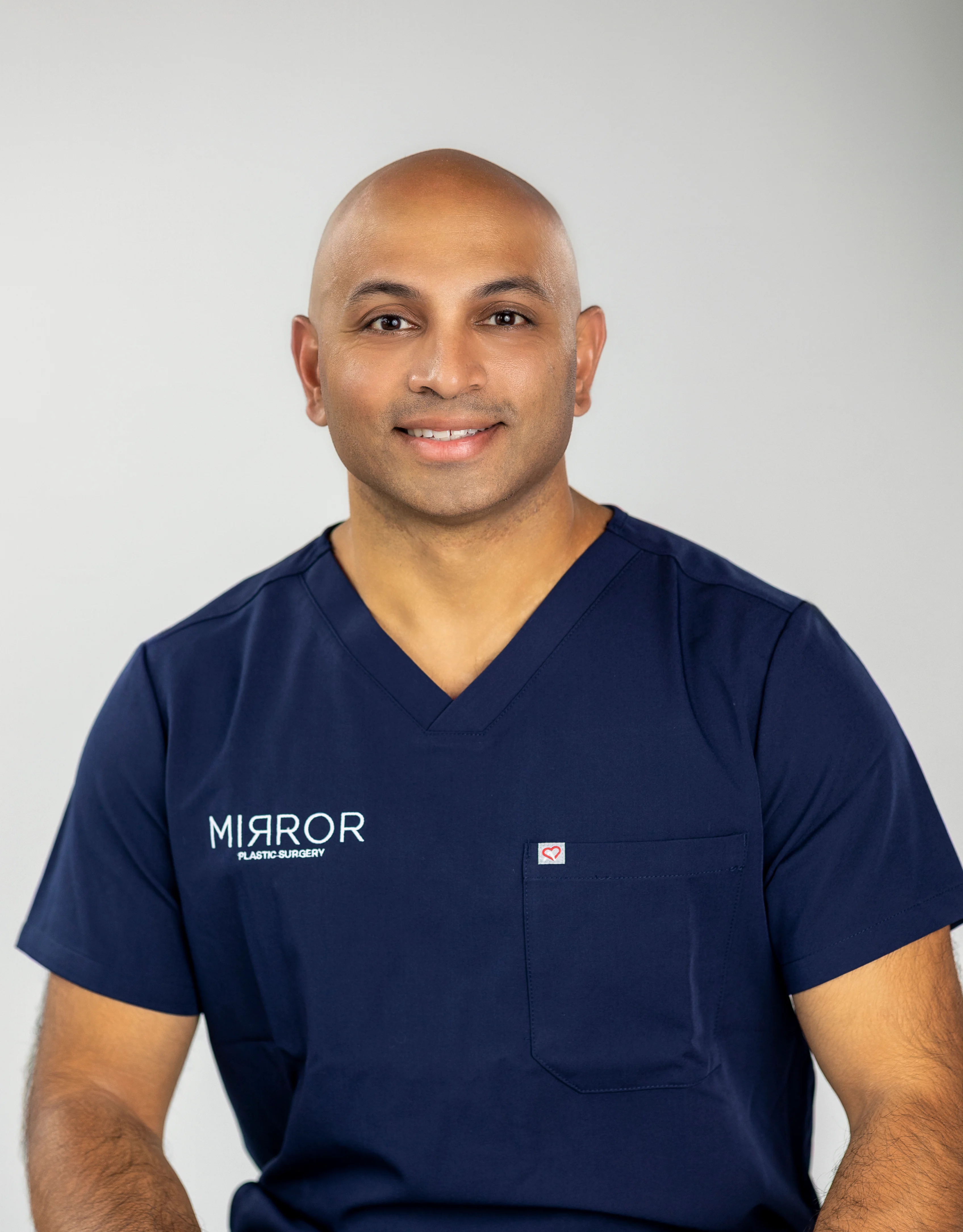
As an advisory board member for Merz Aesthetics (Radiesse) and Tiger Aesthetics (AlloClae), Dr. Akash brings detailed knowledge of product science that most injectors do not have. His supplier-neutral approach means treatment recommendations focus on your anatomy and goals rather than product incentives.
Every consultation at Mirror Plastic Surgery can extend up to an hour. That time supports a thorough top-to-bottom facial assessment, a clear understanding of your long-term goals, and a personalized maintenance plan grounded in evidence. Dr. Akash will also tell you when you do not need more filler, which builds the trust required for long-term care.
The practice limits itself to one to two procedures per day. This structure allows focused, meticulous attention for every patient and avoids the rushed feel of a high-volume “filler mill” environment.
Frequently Asked Questions
How Long Do Dermal Fillers Actually Last?
Visible results from hyaluronic acid fillers typically last 6 to 18 months depending on the treatment area and product formulation.1 Biostimulatory fillers like Radiesse generally last 12 to 18 months for most facial indications, while Sculptra can maintain results for up to 2 years. The 15-year persistence finding from the MRI study mentioned above shows that visible fading does not equal complete product disappearance, which has important implications for how often touch-ups are truly needed.
Is It Bad To Get Fillers Frequently?
Frequent, calendar-driven touch-ups without assessing residual product can lead to cumulative overfilling, clinically termed facial overfilled syndrome (FOS). This condition develops gradually as small amounts of filler are added repeatedly without auditing what is already present. The result often includes blurred contours, restricted facial movement, and a swollen rather than refreshed appearance. Assessment-driven maintenance, where you return when results have genuinely faded and a qualified provider confirms that additional product is appropriate, offers a safer path.
What Happens If I Stop Getting Fillers?
Stopping filler treatments gradually returns the face to its natural baseline over approximately 6 to 18 months. This process does not cause sagging or accelerated aging, although natural aging continues during that time. The collagen stimulation from biostimulatory fillers like Radiesse may leave a residual structural benefit that fades gradually, but the face ultimately trends back toward its untreated appearance. Current evidence does not show a rebound effect or a worse-than-baseline outcome when fillers are discontinued.
Can Fillers Cause Long-Term Damage?
When qualified professionals use FDA-approved hyaluronic acid fillers, serious long-term complications remain rare, though they can still occur and may be severe or permanent. The primary risks are vascular occlusion, which can cause tissue damage or vision loss, and cumulative overfilling. Both risks drop significantly when you choose an injector with deep anatomical expertise who follows a conservative, assessment-driven approach. Non-reversible biostimulatory fillers like Radiesse carry additional risk because complications cannot be enzymatically corrected, so precise placement and cautious dosing become even more important.
How Do I Know If I Am Overfilled?
Common signs of overfilling include persistent puffiness that does not resolve, loss of natural facial expression, blurred facial contours, and a swollen rather than refreshed appearance. Because cumulative overfilling develops slowly, it can be hard to notice in daily mirrors. Bringing a photograph from several years ago to your consultation allows a provider to compare objectively and identify where excess product has accumulated. If overfilling is suspected, seek a provider who will honestly assess your filler burden and recommend dissolution with hyaluronidase when appropriate for HA fillers.
Do Fillers Migrate Over Time?
Research suggests some migration can occur, particularly in high-movement areas like the lips and under-eye region where thin skin and repetitive motion create conditions for product displacement. Migration can create unnatural contours and is one reason why a whole-face assessment at every visit is essential. Working with a provider who evaluates the entire face and tracks your injection history over time helps identify and address migration before it becomes a visible concern.
Conclusion: Your Face Deserves A Personalized Plan
There is no universal filler schedule. The familiar “every 6 months” rule is outdated, unsupported by current evidence, and carries real risk of cumulative overfilling. The 2026 MRI research confirming that HA filler can persist in tissue for up to 15 years makes a conservative approach a safety priority, not just an aesthetic preference.
Smart filler maintenance stays personalized, conservative, and guided by a qualified professional who protects your long-term facial health over product volume. It means returning when your results have genuinely faded instead of when a calendar reminder appears. It also means choosing a provider who will clearly explain when treatment is unnecessary, because that honesty forms the basis of long-term trust.
Mirror Plastic Surgery’s concierge, surgeon-led approach supports this philosophy. Dr. Akash Chandawarkar brings the anatomical precision of a board-certified plastic surgeon to every injectable treatment, along with the transparency and individualized attention that high-volume practices rarely provide.
Talk to Dr. Akash about a personalized filler plan that prioritizes your long-term facial health.
Disclaimer: Results may vary from person to person. Editorial content, before and after images, and patient testimonials do not constitute a guarantee of specific results.
1 Results may vary from person to person. Editorial content, before and after images, and patient testimonials do not constitute a guarantee of specific results.


