

Written by: Dr. Akash Chandawarkar, Board Certified Plastic Surgeon, Mirror Plastic Surgery | Last updated: September 9, 2026
Key Takeaways
- Modern subcutaneous-only BBL performed with ultrasound guidance now carries a mortality rate of approximately 1 in 14,952, comparable to a tummy tuck, while butt implants show a 21.6% overall complication rate and 17.8% revision rate.1
- The surgeon’s strict adherence to safety protocols influences outcomes more than the procedure choice itself.1 Florida’s HB 1471 legally mandates the safest BBL techniques, making the St. Petersburg and Tampa Bay area a national leader in patient protection.
- BBL delivers natural-looking, soft results that integrate with surrounding tissue and simultaneously contour donor areas.1 Implants provide immediate, dramatic projection but feel firmer and may be palpable in thin patients.
- Long term, surviving BBL fat behaves like natural body fat and responds to weight changes, while butt implants are semi-permanent devices that often require revision within 5–15 years.1
- A personalized consultation with a board-certified surgeon is essential to determine which procedure aligns with your anatomy and goals.
How This Research Report Was Compiled
This report synthesizes findings from peer-reviewed plastic surgery literature and multi-society safety task force recommendations from the American Society of Plastic Surgeons (ASPS), the American Society for Aesthetic Plastic Surgery (ASAPS), the International Society of Aesthetic Plastic Surgery (ISAPS), and the Aesthetic Surgery Education and Research Foundation (ASERF). It also incorporates 2025–2026 clinical outcome studies and Florida’s HB 1471, the first law in the United States to mandate specific BBL safety techniques. All statistics are cited from published sources, and areas with limited or contested data are identified clearly.
The Two Main Buttock Augmentation Options
Brazilian Butt Lift (BBL): Fat Transfer Augmentation
A BBL is a two-part procedure. Liposuction harvests fat from donor areas such as the abdomen, flanks, and thighs, and the fat is then purified and injected into the buttocks to enhance shape and volume. Modern, safety-compliant BBL, as practiced by board-certified surgeons at Mirror Plastic Surgery, injects fat exclusively into the subcutaneous layer above the gluteal muscle, never into or beneath the muscle. This subcutaneous-only approach is now the legally mandated standard in Florida under HB 1471.
Butt Implants: Silicone Augmentation
Butt implants are solid or semi-solid silicone devices surgically placed to add volume and projection. Implants require incisions, typically in the intergluteal crease, and involve placement within or beneath the gluteal muscle. This approach provides immediate, predictable volume independent of the patient’s available body fat. Implants are firmer than natural tissue and carry implant-specific risks including capsular contracture, displacement, and infection.
Safety Comparison In 2026
The BBL Safety Revolution: From 1 In 3,000 To About 1 In 15,000
In 2018, the ASPS and ISAPS issued an urgent advisory estimating BBL mortality at 1 in 3,000 procedures, the highest of any elective cosmetic surgery, due to fat embolism from intramuscular injection. This advisory triggered a major shift in technique and safety standards.
The 2022 ASPS/ASAPS/ISAPS joint practice advisory mandated subcutaneous-only injection, real-time ultrasound guidance, and a maximum of three BBL cases per surgeon per day. The impact was measurable. A 2020 survey of ASAPS and ISAPS members found that mortality dropped from 1 in 3,448 to 1 in 14,952 after guideline adoption. The World Association of Gluteal Surgeons 2022 survey found mortality fell further to 1 in 23,818 among guideline-compliant surgeons. A 2024 study reported zero deaths among 12,800 procedures where 96% of surgeons injected exclusively above the muscle.
Florida’s HB 1471, effective July 1, 2023, legally mandates ultrasound guidance during fat injection. It also requires the operating surgeon to personally perform both fat extraction and injection, restricts injection to the subcutaneous space, and mandates an in-person patient examination no later than one day before surgery. These requirements make Mirror Plastic Surgery’s home state a national leader in BBL safety regulation.
Butt Implant Complications: A Closer Look
Butt implants carry a 21.6% overall complication rate and a 17.8% revision rate, with published long-term studies reporting complication rates exceeding 30% at 5–10 year follow-up. Implant-specific risks include capsular contracture affecting approximately 8–12% of patients, implant displacement, infection requiring removal, wound dehiscence, and seroma. Implants eliminate fat embolism risk entirely but introduce a more mechanical complication profile.
Safety By The Numbers
- BBL mortality (pre-2018, intramuscular technique): 1 in 3,000 procedures
- BBL mortality (post-guideline, subcutaneous-only): 1 in 14,952; 1 in 23,818 among guideline-compliant surgeons (2022 World Association of Gluteal Surgeons)
- BBL pulmonary embolism rate (modern technique): reduced by over 90% with subcutaneous-only grafting and ultrasound guidance
- Butt implant overall complication rate: 21.6%
- Butt implant revision rate: 17.8%
- Butt implant long-term complication rate (5–10 years): exceeds 30%
- BBL overall complication rate: 9.9% (systematic review)
When both procedures are performed by board-certified surgeons following modern protocols, BBL now demonstrates a lower overall complication burden than implants.
Results And Aesthetics: Natural Contour Vs Structural Projection
BBL Results: The Natural Advantage
BBL uses the patient’s own living fat, which integrates seamlessly with surrounding tissue, so results feel soft and natural with no detectable edges or firmness. The procedure also delivers a dual benefit. Liposuction contours donor areas such as the waist or lower back, improving overall body proportions and the waist-to-hip transition. BBL can address hip dips and create smooth transitions that implants cannot replicate.
The primary limitation is donor fat dependency. Fat survival of 60–80% of transferred volume is typical with modern techniques, with the remainder reabsorbed in the first three to six months.1 Surgeons account for this by transferring slightly more volume than the intended final result.
Butt Implant Results: Projection With Trade-Offs
Implants provide immediate, predictable, dramatic projection, which is particularly valuable for thin patients with insufficient donor fat. Implants feel firmer than natural tissue and may be palpable or visible in thinner patients, and they cannot improve the waist-to-hip transition or address hip dips. Implant results are stable regardless of weight fluctuations, which can help some patients and frustrate others depending on goals.
BBL Vs Butt Implants: Key Differences At A Glance
| Factor | BBL (Fat Transfer) | Butt Implants |
|---|---|---|
| Safety Profile | Mortality ~1 in 15,000 with modern technique; 9.9% overall complication rate | No fat embolism risk; 21.6% complication rate; 17.8% revision rate |
| Aesthetic Result | Natural look and feel; improves donor site contour | Dramatic projection; firmer feel; may be palpable in thin patients |
| Longevity | Surviving fat (60–80%) is permanent; responds to weight changes | Semi-permanent; many last 10–15 years; revision common |
| Recovery | No sitting 2–3 weeks; full activity ~6–8 weeks | Desk work at 2–3 weeks; full activity at 6–8 weeks; generally more discomfort |
Recovery Comparison: What To Expect
BBL Recovery Timeline
The typical BBL recovery follows a structured progression. Most patients plan for 10–14 days off work, with no direct sitting on the buttocks for at least 2–3 weeks, using a BBL pillow to shift weight to the thighs. Light activity usually resumes at two weeks, exercise at 6–8 weeks, and final results are visible at 3–6 months.1 The primary discomfort is often in the liposuction donor areas rather than the buttocks themselves.
Butt Implant Recovery Timeline
Butt implant surgery typically requires 2–3 weeks before returning to desk work, 4–6 weeks for a gradual return to more activity, and 6–8 weeks for full activity. Recovery is generally more uncomfortable than BBL because of muscle dissection, and implant recovery often involves more significant initial pain and longer sitting restrictions.
Long-Term Outcomes: The 10-Year Picture
What Happens 10 Years After A BBL?
Surviving fat behaves like natural body fat and responds to weight fluctuations and aging. With stable weight and a healthy lifestyle, BBL results are well-maintained at the 10-year mark and beyond, and changes over a decade are driven more by natural aging and weight fluctuation than by failure of the surgery itself.1
Around half of BBL patients remain satisfied with their results at the 10-year mark and seek no further surgery, while the other half may choose a refresh procedure such as a fat top-up or buttock lift to counter natural aging effects.1 Weight fluctuations above 10–15 pounds are the single most common reason BBL results change after the initial 6-month stabilization point.
What Happens 10 Years After Butt Implants?
The American Society of Plastic Surgeons states implants are not considered lifetime devices, and many patients retain buttock implants for 10 to 15 years or longer, though revision remains a meaningful long-term issue. Published long-term studies report revision rates of 15–35% at 5 years, with infection requiring explantation as the most serious complication, and capsular contracture affecting approximately 8–12% of gluteal implant patients. Choosing an experienced surgeon reduces long-term complications but cannot remove them entirely.
Given the potential for revision surgery, cost becomes another critical factor in the decision.
Cost Considerations: Beyond The Initial Price
Costs vary widely based on geographic location, surgeon expertise, facility fees, and anesthesia. BBL may appear more cost-effective initially, but implants may require future revision surgeries, which can increase long-term costs substantially. BBL’s liposuction component also provides contouring value that implants cannot match. Mirror Plastic Surgery offers personalized quotes during consultation, reflecting the practice’s transparent, concierge approach. Every patient receives a quote based on their unique anatomy and goals.
Decision Framework: Matching Procedure To Patient
Body Type Assessment
Candidacy differs meaningfully between the two procedures:
- BBL candidates: BMI typically 22–32 with meaningful donor fat in the abdomen, flanks, or thighs, and a desire for natural-looking enhancement with improved waist-to-hip contour.
- Implant candidates: Low BMI (below 20–21) with minimal body fat, a desire for dramatic projection, and adequate soft tissue coverage for implant concealment.
Aesthetic Goals Assessment
- Choose BBL if you prioritize a natural look and feel and want to improve overall body proportions, and you accept that results will fluctuate with your weight.
- Choose implants if you want predictable, dramatic projection independent of weight changes and you have realistic expectations about the firmer feel.
Risk Tolerance And Lifestyle Assessment
- Consider your comfort with potential complications and the possibility of revision surgery.
- Evaluate your ability to comply with recovery restrictions, including sitting limits and activity modifications, for several weeks.
- Assess your weight stability. Both procedures require weight maintenance for optimal long-term results.
A personalized assessment from a board-certified plastic surgeon who performs both procedures provides the most balanced guidance.
Why Choose Mirror Plastic Surgery For Buttock Augmentation
Mirror Plastic Surgery serves the St. Petersburg and Tampa Bay area under the leadership of Dr. Akash Chandawarkar, a Harvard-educated physician, Johns Hopkins-trained plastic surgeon, and board-certified by the American Board of Plastic Surgery, with fellowship training in aesthetic surgery at the Manhattan Eye Ear & Throat Hospital (MEETH)/Lenox Hill Hospital.
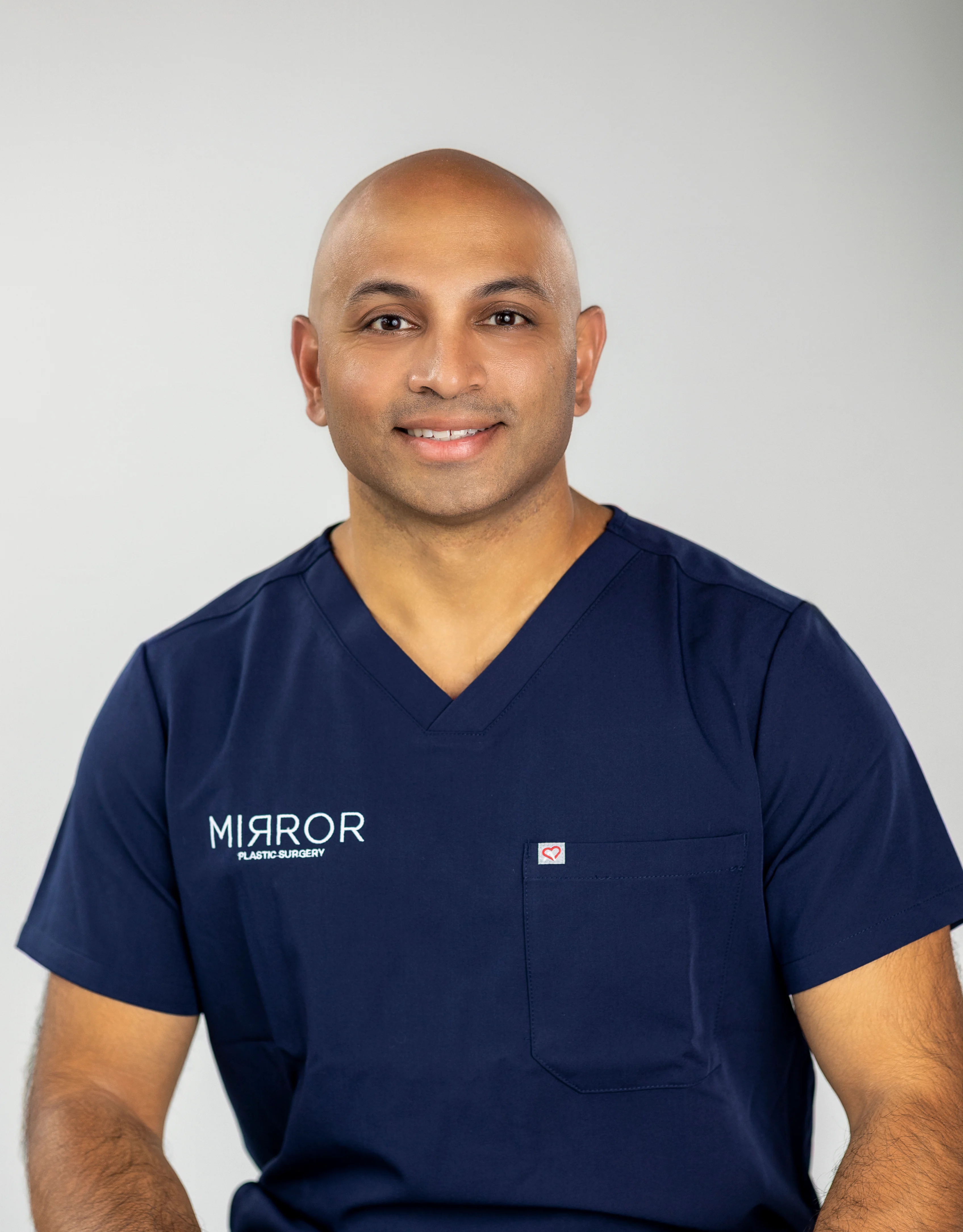
The practice’s concierge medicine philosophy sets it apart from high-volume competitors. Consultations run up to an hour, the team performs only one to two surgeries per day, and every recommendation follows the guiding principle of safety first, function second, aesthetics third. This structure supports a high level of personalized attention for each patient.
Dr. Akash also offers non-surgical buttock enhancement using biostimulatory fillers such as Radiesse and AlloClae for patients seeking enhancement without surgery. His advisory board roles with Merz Aesthetics and Tiger Aesthetics keep the practice at the forefront of the latest evidence and products, informing both surgical and non-surgical recommendations.
Request an appointment with our team at Mirror Plastic Surgery, 780 4th Ave S, St. Petersburg, FL 33701, to begin your evidence-based buttock augmentation journey.
Frequently Asked Questions
What Is The Safest Buttock Enhancement Procedure?
When performed by a board-certified surgeon following modern protocols, BBL now demonstrates a lower overall complication rate, around 9.9%, compared to the higher complication and revision rates of implants discussed earlier. However, the safest option still depends on individual anatomy and the surgeon’s strict adherence to safety guidelines. Florida’s HB 1471 legally mandates subcutaneous-only injection and ultrasound guidance for BBL, providing an additional layer of patient protection that most other states do not require. For patients without sufficient donor fat, implants may be the only viable option, and in those cases, surgeon experience and technique remain the most important safety variables.
How Long Do Butt Implants Last?
Butt implants are semi-permanent devices that typically require revision within 10–15 years for many patients. Many people retain them longer without issue, but published studies report revision rates of 15–35% at 5 years. Common reasons for revision include capsular contracture, implant displacement, infection, wound dehiscence, and desire for a size or shape change. The American Society of Plastic Surgeons advises that implants are not considered lifetime devices, and long-term follow-up with a qualified surgeon is recommended. Replacement is usually driven by symptoms or complications rather than a fixed schedule.
What Happens 10 Years After A BBL?
With stable weight, BBL results are generally well-maintained at 10 years. The surviving fat, typically 60–80% of what was transferred, behaves like natural body fat and responds to weight fluctuations and aging. Approximately half of patients seek no further surgery at the 10-year mark, while the other half may choose a fat top-up or buttock lift to address natural aging effects such as mild skin laxity. Weight fluctuations above 10–15 pounds are the most common reason results change after the 6-month stabilization point. Full revision to correct problems from the original surgery is relatively rare when the initial procedure was performed correctly.
Is BBL Safer Than Implants In 2026?
With modern subcutaneous-only technique and ultrasound guidance, BBL mortality has dropped to approximately 1 in 15,000, which is comparable to a tummy tuck. Implants carry the higher complication and revision rates outlined earlier, and long-term complication rates exceed 30% at 5–10 years in some studies. Current evidence suggests BBL has a lower overall complication burden when performed by guideline-compliant surgeons. Implants still carry no fat embolism risk and may be appropriate for patients who lack sufficient donor fat. The safest outcome in either case depends on surgeon expertise, facility accreditation, and adherence to evidence-based protocols.
Does Mirror Plastic Surgery Offer Non-Surgical Buttock Enhancement?
Yes. Dr. Akash Chandawarkar offers non-surgical buttock enhancement using biostimulatory fillers, including Radiesse and AlloClae, to refine shape, smooth cellulite, reduce the appearance of stretch marks, and address concerns like hip dips. This approach is tailored to individual goals and integrates regenerative medicine principles. Non-surgical options cannot match the volume or contour transformation of a surgical BBL or implants, yet they provide a meaningful option for patients seeking enhancement without surgery or those not yet ready for a surgical procedure.
Conclusion: Making Your Decision
BBL and butt implants have both evolved significantly. When modern protocols are followed, BBL with subcutaneous-only injection now carries a lower overall complication burden than implants, while implants remain the appropriate choice for patients with insufficient donor fat who desire dramatic projection. In both cases, the surgeon’s expertise, technique, and adherence to evidence-based guidelines influence outcomes more than the procedure choice alone.
Florida’s HB 1471 makes the St. Petersburg and Tampa Bay area one of the most regulated environments for BBL in the world, which benefits patients seeking the highest standard of care. Mirror Plastic Surgery operates within this framework, combining legal compliance with a concierge philosophy that prioritizes your safety, function, and aesthetic goals in that order.
A personalized consultation is the essential next step. No article, however thorough, can replace a direct assessment of your anatomy, donor fat availability, aesthetic goals, and risk profile by a board-certified plastic surgeon.
Book your personalized consultation today at Mirror Plastic Surgery to receive an evidence-based, unbiased assessment and a treatment plan built around your unique anatomy and long-term goals.
Disclaimer: Results may vary from person to person. Editorial content, before and after images, and patient testimonials do not constitute a guarantee of specific results.
1 Results may vary from person to person. Editorial content, before and after images, and patient testimonials do not constitute a guarantee of specific results.


