

Written by: Dr. Akash Chandawarkar, Board Certified Plastic Surgeon, Mirror Plastic Surgery | Last updated: September 9, 2026
Key Takeaways
- AlloClae is a purified donor-fat filler that adds immediate volume to the buttocks, hip dips, and breasts without surgery or liposuction.
- The product is FDA-compliant as an HCT/P but not FDA-approved as a drug or device, and its regulatory status remains under review.
- Results usually last 12–18 months, and some patients maintain volume for up to 2–3 years, although long-term data are still limited.1
- AlloClae cannot be dissolved, so provider expertise and precise anatomical placement are critical to reducing risks such as fat necrosis or nodules.
- Patients considering AlloClae can schedule a consultation at Mirror Plastic Surgery for a personalized assessment and treatment plan tailored to their anatomy and goals.
AlloClae Overview: Donor-Fat Filler For Targeted Volume
AlloClae is manufactured by Tiger Aesthetics Medical LLC, with tissue recovery handled by RegenTX Partners, LLC. It is the first commercially available structural adipose filler made from processed human adipose tissue recovered from carefully screened donors. Fat cells and other immunogenic components are removed through proprietary decellularization, leaving an extracellular matrix scaffold. The product comes in ready-to-inject syringes of 12.5 cc and 25 cc.
Because AlloClae is classified as an HCT/P under Section 361 of the Public Health Service Act, it must meet strict donor screening and manufacturing standards. It has not gone through the premarket approval process required for drugs or devices. When Allure asked the FDA about AlloClae in late 2025, the agency stated that available information was “not sufficient for us to determine how Alloclae is appropriately regulated.”
How AlloClae Works Inside Your Body
Donor fat is recovered from screened deceased donors and processed through a proprietary decellularization protocol. The product is terminally sterilized to a sterility assurance level (SAL) of 10⁻⁶, with a free oil fraction reduced to under 2% and residual DNA minimized to lower immune response. This process preserves a three-dimensional honeycomb structure and extracellular matrix that acts as a biologic scaffold.
Once a skilled physician injects AlloClae, the patient’s own cells infiltrate the matrix over 3–6 months, forming new fat and blood vessels. AlloClae provides immediate volume that can continue to improve as tissue integrates.1 Because the product cannot be dissolved with hyaluronidase, unlike hyaluronic acid fillers, anatomical expertise is essential for safe, natural-looking placement.
Where AlloClae Helps Most
AlloClae is designed for subcutaneous use in areas where adipose tissue naturally exists. Typical applications include:
- Buttocks (Non-Surgical BBL): Adds shape and subtle volume for patients seeking enhancement without surgery, or for those who lack sufficient donor fat for traditional fat transfer.
- Hip Dips: Fills concave depressions on the lateral hips, a common concern among GLP-1 weight-loss patients who have experienced targeted volume loss.
- Breasts: Smooths contour irregularities, improves implant edges, or adds approximately half to one cup size in select patients.1
- Other Body Areas: Restores volume loss in the hands, thighs, and post-liposuction depressions or irregularities.
At Mirror Plastic Surgery in St. Petersburg, Dr. Akash Chandawarkar focuses on AlloClae treatments for the buttocks, hip dips, and breasts. As an advisory board member for Tiger Aesthetics, AlloClae’s manufacturer, Dr. Akash offers a depth of product knowledge that is rare in the Tampa Bay area.
Schedule Your Personalized AlloClae Assessment to see whether this treatment matches your anatomy and goals.
Safety And Risks With AlloClae
AlloClae’s regulatory status often gets described inaccurately. AlloClae is FDA-compliant, which differs from being FDA-approved. Human fat tissue is treated as an existing tissue product, so it does not undergo the same premarket review standards as cosmetic interventions such as Botox, dermal fillers, or breast implants. The FDA’s own statement that available information was insufficient to determine how AlloClae is appropriately regulated highlights the need for a cautious, informed approach.
The New York State distribution dispute is an ongoing regulatory matter specific to that state. Tiger Aesthetics has voluntarily paused distribution in New York during litigation while continuing to distribute in all other states.
Potential complications are real and documented. AlloClae’s own instructions for use list potential complications including cystic formations, nodule formation, pain, infection, hematoma, anaphylaxis, and skin discoloration. These risks are not theoretical. CNN documented a patient who developed fat necrosis after breast injections, experiencing lumps, discoloration, and oily drainage that required aspiration and potential surgical removal. The president of Tiger Aesthetics has emphasized that technique matters significantly, because fat placed in a poorly vascularized area, whether autologous or allogeneic, carries a higher risk of necrosis.
AlloClae cannot be reversed with an enzyme, so the margin for error is narrow. Choosing a board-certified plastic surgeon with deep anatomical knowledge and extensive injection experience remains the most important factor in minimizing risk.
Cost And Value Of AlloClae Treatment
Given these safety considerations, many patients also want a clear picture of the financial commitment. AlloClae is priced per syringe or per cc, and costs vary based on the volume required, the treatment area, and provider expertise. A single 12.5 cc syringe can cost up to approximately $2,250, and multiple syringes are often necessary. Full BBL-scale treatments have been reported at $40,000–$100,000. AlloClae is a self-pay treatment and is not covered by insurance.
However, for smaller corrections, AlloClae’s upfront cost may be lower than surgical fat transfer. For larger volumes, harvesting your own fat is often more economical, and multiple AlloClae sessions may be needed over time. Mirror Plastic Surgery provides personalized quotes during consultation, based on a thorough assessment of your anatomy and treatment goals. The practice avoids one-size-fits-all menu pricing.
Longevity And Maintenance Of AlloClae Results
Beyond the initial cost, understanding how long results last helps you gauge overall value. AlloClae results are long-lasting but not permanent. Clinical experience suggests results typically last 12–18 months, with some patients maintaining volume for up to 2–3 years.1 One surgeon reported 90% retention at one year, compared to 40–50% for traditional fat grafting.1 This early data suggests a meaningful advantage, although long-term comparative studies are still lacking.
A 2025 systematic review found volume retention ranging from 21.5% to 100% depending on anatomical site.1 This range confirms that results vary by treatment area. Long-term data beyond 1–3 years do not yet exist. Factors that influence longevity include treatment area, injected volume, patient metabolism, and lifestyle. Many patients benefit from maintenance treatments every 1–2 years to sustain results.1
AlloClae Compared To Other Options
To understand where AlloClae fits in your treatment choices, it helps to compare it with common alternatives.
AlloClae Vs. Fat Transfer: AlloClae is non-surgical, requires no liposuction or donor site, and works well for lean patients or those who want to avoid anesthesia and downtime. Autologous fat transfer uses the patient’s own living fat. It offers permanence for surviving fat and the added benefit of slimming the donor site. It remains the gold standard for large-volume augmentation when adequate donor fat exists. Early clinical experience favors AlloClae on one-year retention, but no published head-to-head comparative studies exist.
AlloClae Vs. Sculptra: Sculptra (poly-L-lactic acid) provides no immediate volume and requires multiple sessions, with first noticeable results between weeks 8 and 12. It works better for gradual facial rejuvenation. AlloClae provides immediate structural volume and is designed for larger body areas like the buttocks and hips. Sculptra has been FDA-approved since 2004 and has clinical follow-up data of up to five years. AlloClae’s evidence base is still emerging.
AlloClae Vs. Renuva: Renuva is an acellular allograft adipose matrix with no intact fat cells, available only in small 1.5–3 cc syringes, which makes it suitable for small corrections. AlloClae retains intact adipocyte structure and comes in larger 12.5 cc and 25 cc syringes for body contouring. This larger syringe size gives AlloClae a practical advantage for meaningful volume in the buttocks or hips.
The most appropriate choice depends on individual goals, anatomy, donor fat availability, and tolerance for surgical recovery. A thorough consultation with a board-certified plastic surgeon remains the most reliable way to select the right option.
Why Mirror Plastic Surgery For AlloClae
Mirror Plastic Surgery is a leading AlloClae provider in the St. Petersburg and Tampa area. Dr. Akash Chandawarkar is Harvard-educated, Johns Hopkins-trained, and board-certified by the American Board of Plastic Surgery. He serves as an advisory board member for Tiger Aesthetics, AlloClae’s manufacturer, which reflects both his expertise and his commitment to staying current with injectable innovations.
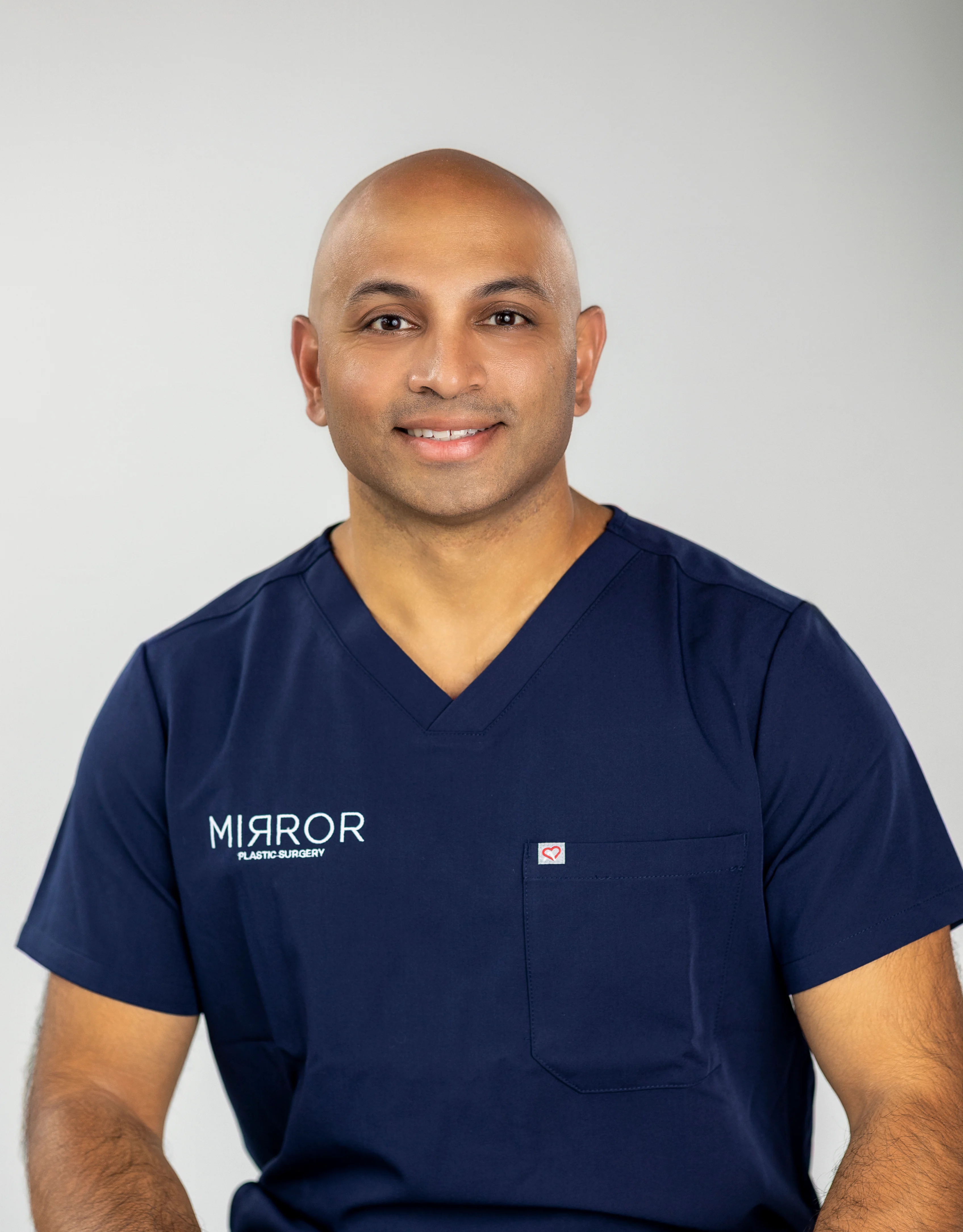
Every AlloClae injection at Mirror Plastic Surgery is performed by Dr. Akash personally. Patients benefit from a surgeon’s command of subdermal anatomy at every treatment. Consultations can run up to an hour and include a top-to-bottom assessment of anatomy, goals, and long-term care. The practice’s guiding philosophy places safety first, function second, and aesthetics third. If AlloClae is not the right tool for your situation, Dr. Akash will explain why and recommend alternatives.
This approach differs from high-volume practices that prioritize speed over personalized care. At Mirror, you are not a number in a queue. You are a patient with unique anatomy and goals, and a provider who has the time and expertise to address both.
Request Your AlloClae Consultation With Dr. Akash to explore a tailored, safety-first treatment plan.
Frequently Asked Questions
Is AlloClae Safe?
AlloClae is processed to remove immunogenic components and is regulated by the FDA as a Human Cell and Tissue Product under 21 CFR Part 1271. The manufacturer reports no confirmed cases of graft rejection or infection among more than 2,000 treated patients. Complications such as fat necrosis, nodule formation, cyst formation, and infection remain possible and have been documented in published reporting. Long-term safety data are still emerging, and the FDA has not formally determined how the product is appropriately regulated. Choosing a board-certified plastic surgeon with deep anatomical knowledge and extensive injection experience significantly minimizes risks. AlloClae should be avoided in patients with severe allergies, a history of anaphylaxis, or active infection at the treatment site.
How Much Does AlloClae Cost?
AlloClae is priced per syringe or per cc, and the total cost depends on the volume required, the treatment area, and the provider. Published clinic pricing shows a 12.5 cc syringe costing approximately $2,250, with larger-volume treatments ranging from $13,000 to $100,000 for full BBL-scale procedures. AlloClae is a self-pay treatment and is not covered by insurance. Mirror Plastic Surgery provides customized quotes during consultation based on your anatomy and goals.
How Long Do AlloClae Results Last?
As noted earlier, most patients see results for 12–18 months, and some maintain volume for up to 2–3 years.1 A 2025 systematic review found volume retention ranging from 21.5% to 100% depending on anatomical site.1 Long-term data beyond 1–3 years are not yet available. Maintenance treatments every 1–2 years are typically recommended to sustain results, and factors such as treatment area, injected volume, metabolism, and lifestyle all play a role.
Can Your Body Reject AlloClae?
AlloClae is processed to remove DNA and living cells, which substantially reduces the risk of immune rejection. The manufacturer reports no confirmed cases of graft rejection. Allergic reactions, including anaphylaxis, are still listed as potential complications in the manufacturer’s instructions for use. Patients with severe allergies or a history of anaphylaxis should avoid this product. As mentioned, AlloClae cannot be dissolved, so any adverse outcome may require aspiration or surgical removal. This reality makes provider selection critically important.
Does AlloClae Migrate?
Migration is a potential risk with any injectable material placed subcutaneously. Proper injection technique by an experienced physician using blunt-tip cannulas helps reduce this risk. AlloClae’s structural extracellular matrix scaffold is designed to integrate with surrounding tissue over 3–6 months, which may lower migration risk compared to liquid fillers. No published long-term human data currently quantify migration rates for AlloClae. Provider expertise, particularly a surgeon’s command of anatomy, remains central to achieving safe, predictable results.
AlloClae Vs. Fat Transfer: Which Option Fits You?
Neither option works best for every patient. AlloClae is non-surgical, requires no donor site, and suits lean patients or those who want to avoid anesthesia and downtime. Early clinical experience suggests more consistent one-year retention than traditional fat grafting. Autologous fat transfer uses your own living fat. It offers permanence for surviving fat and the added benefit of slimming the donor site. It remains the gold standard for large-volume augmentation when adequate donor fat is available. No published head-to-head comparative studies exist. The best choice depends on your goals, anatomy, and candidacy for surgery, which a board-certified plastic surgeon can determine during consultation.
Your Next Step With AlloClae
AlloClae represents a meaningful advance in non-surgical body contouring for GLP-1 patients with targeted volume loss, lean individuals without sufficient donor fat, and anyone seeking noticeable enhancement without surgery or general anesthesia. Its regulatory status, emerging evidence base, and irreversibility all point to one conclusion: the provider you choose matters more than any other variable in your outcome.
Dr. Akash Chandawarkar at Mirror Plastic Surgery combines Harvard and Johns Hopkins training, board certification, and a direct advisory role with AlloClae’s manufacturer. Patients in St. Petersburg and Tampa Bay gain access to a level of expertise that remains uncommon. Every consultation is an hour of focused, honest, anatomy-driven assessment rather than a sales pitch.
Book Your Consultation To Explore AlloClae and receive a personalized treatment plan built around your anatomy, your goals, and your long-term well-being.
Contact Mirror Plastic Surgery
Mirror Plastic Surgery is located at 780 4th Ave S, St. Petersburg, FL 33701. Reach the team by phone or text at 727-361-6515, or by email at hello@mirrorplasticsurgery.com. Follow Dr. Akash and the practice on Instagram at @mirrorplasticsurgery, @dr.akashplasticsurgery, and @perfectlyplastics.
Disclaimer: Results may vary from person to person. Editorial content, before and after images, and patient testimonials do not constitute a guarantee of specific results.
1 Results may vary from person to person. Editorial content, before and after images, and patient testimonials do not constitute a guarantee of specific results.


