
Written by: Dr. Akash Chandawarkar, Board Certified Plastic Surgeon, Mirror Plastic Surgery | Last updated: September 9, 2026
Key Takeaways
- A personalized Botox treatment plan is built after a detailed assessment of your facial anatomy, muscle activity, and aesthetic goals.
- Board-certified plastic surgeons with surgical training bring deeper anatomical expertise that supports safety and natural-looking results.
- High-quality consultations include a health review, facial analysis, product discussion, customized dosing plan, and clear pricing.
- Preparation matters. Bring your medication list, medical history, reference photos, and written questions so your concerns guide the plan.
- A physician-led consultation with a board-certified plastic surgeon offers the highest level of anatomical expertise and personalized care.
What A Personalized Botox Treatment Plan Includes
A personalized Botox treatment plan is a tailored approach to neuromodulator injections based on your unique features. Your provider evaluates facial anatomy, muscle activity, and goals, then targets specific areas with the right product and dose.
Treatment should follow an individualized assessment of the person, the face at rest and in motion, interacting facial muscle groups, and baseline asymmetries. Facial anatomy varies significantly between people. Muscle strength, movement patterns, and skin quality all influence how Botox should be administered. Generic approaches often create overdone results, asymmetry, or a frozen look.1
Step 1: How To Find A Qualified Botox Provider Near You
Verify Board Certification And Training
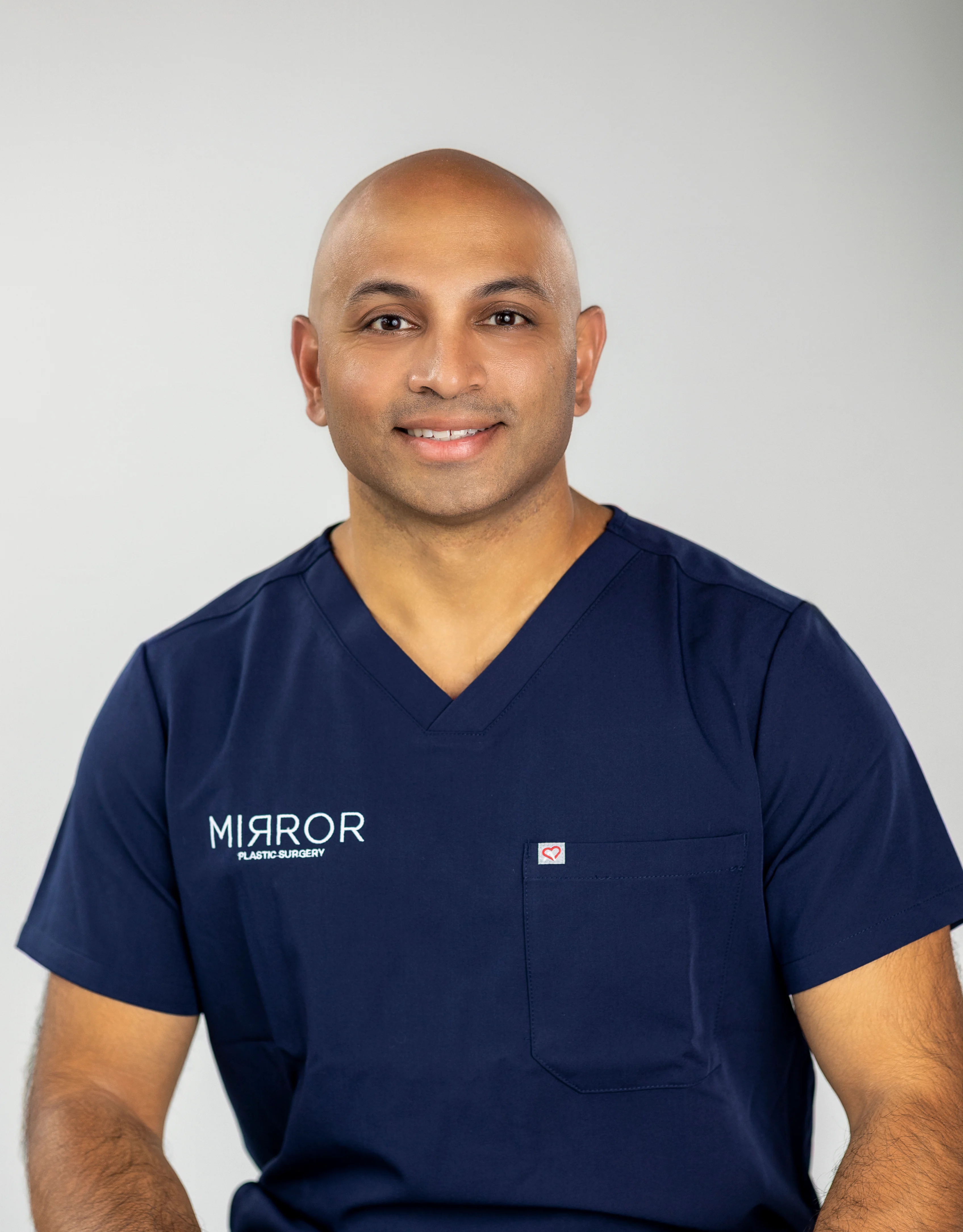
Board certification by the American Board of Plastic Surgery (ABPS) shows that a physician completed rigorous residency training and passed comprehensive exams. For Botox, physicians with surgical training usually have a deeper understanding of facial anatomy, which directly supports injection safety and precision. You can also verify dermatology credentials through the American Academy of Dermatology.
Understand Who Can Legally Inject
Only licensed healthcare providers, such as physicians (MD/DO), nurse practitioners, physician assistants, and in some states registered nurses under physician delegation, can legally administer Botox in the U.S., while estheticians and medical assistants cannot. Legal authority, however, does not equal anatomical expertise. A family medicine physician and a board-certified plastic surgeon share the same legal authority to inject, yet their training and day-to-day experience differ significantly.
Provider Red Flags To Avoid
- Consultations that feel rushed and last under 15 minutes
- Pressure to add treatments before your goals are clearly understood
- Unclear or vague explanations of credentials or training
- Missing or confusing pricing and pressure to book on the spot
Step 2: What To Expect During A Personalized Botox Consultation
A high-quality consultation feels thoughtful and unhurried, not like a quick sales visit. A comprehensive consultation should translate your goals into an anatomical problem before any treatment is proposed. This approach keeps the focus on your needs instead of a preset menu of services.
A thorough, personalized consultation typically includes these elements:
- Health and medication review: Discussion of medical history, current medications, supplements, allergies, and any neurological conditions.
- Discussion of your concerns and goals: Exploration of what bothers you, when you first noticed it, and what outcome you want.
- Facial analysis and muscle assessment: Observation of your face at rest and in motion, such as frowning, smiling, and raising your eyebrows, to map muscle activity.
- Explanation of recommended products and techniques: Discussion of which neuromodulator brands may suit your needs and the reasons behind that choice.
- Customized treatment plan and aftercare instructions: A tailored plan with dosing rationale, expected results, and follow-up timing.
Step 3: Questions To Ask During Your Botox Consultation
Arriving with prepared questions keeps the conversation focused on your priorities and supports truly personalized care. The American Academy of Dermatology recommends asking who will perform the injections, how many procedures they have performed, and what results are realistic. You can expand on that guidance with questions like these:
- Are you board-certified, and in what specialty?
- How many Botox procedures have you performed?
- How do you decide which product and dosage to use for my face?
- How will you create natural-looking results instead of a frozen appearance?1
- What results can I realistically expect, and when will I see them?1
- What side effects and risks apply to my specific treatment areas?
- How do you handle follow-up if I am not satisfied with the results?
- Will I retain natural facial movement?
A provider who welcomes questions and gives clear, honest answers shows respect for your safety and autonomy. A transparent injector may even advise you to delay or skip a treatment that does not serve your goals. This kind of candor builds trust and supports a long-term relationship.
Step 4: Understanding The Cost Of A Personalized Botox Treatment Plan
Clear pricing helps you plan confidently, yet costs vary based on provider expertise, location, and treatment complexity.
Per-Unit Pricing And Typical Session Costs
Botox is usually priced per unit, with most U.S. providers charging between $10 and $20 per unit, and a typical cosmetic session using 20–60 units, for a total of about $200–$700 per visit. In Tampa, pricing often ranges from $9–$19 per unit, reflecting local market conditions.
Factors That Influence Total Cost
- Number of units needed, based on muscle strength and treatment areas
- Product brand, such as Botox, Dysport, Xeomin, Daxxify, or Jeuveau
- Provider experience level and credentials
Board-certified plastic surgeons and dermatologists typically charge $16–$25 per unit. Nurse practitioners and registered nurses, who perform many U.S. Botox procedures, often charge $10–$16 per unit.
Pricing Red Flags
Unusually low prices can signal diluted products, limited experience, or hidden fees. Charging $10 per unit is often too low to cover product, labor, and overhead costs unless the practice has very low expenses or is running a short-term promotion. Transparent practices explain their pricing structure and provide personalized quotes after assessing your needs.
Step 5: How To Prepare For Your Botox Consultation
What To Bring
- A current list of medications and supplements
- Relevant medical history documentation
- Reference photos of results you like, if available
- A written list of questions and concerns
What To Avoid Before Your Appointment
Pre-treatment guidance usually includes avoiding alcohol for 24–48 hours before treatment and avoiding blood-thinning medications and supplements, such as aspirin, ibuprofen, vitamin E, fish oil, ginkgo biloba, and St. John’s wort, for 7–10 days with physician approval if they are prescribed. These steps help reduce bruising and support a smoother recovery.
How To Explain Your Goals Clearly
Describe exactly what bothers you, such as forehead lines, crow’s feet, or a tired appearance. Share when you notice these concerns most, like in photos or at the end of the day. A skilled provider will explain the underlying physiology in simple language so you understand why a treatment is recommended and how to maintain results over time.
Red Flags To Avoid During A Botox Consultation
Behavior during the consultation can reveal a great deal about a provider’s priorities and standards.
- Rushed appointments: Consultations that last under ten minutes rarely allow for a complete assessment.
- One-size-fits-all recommendations: Recommending the same plan for every patient signals a lack of personalization.
- Limited discussion of risks: A qualified provider reviews potential side effects, including the FDA boxed warning about distant spread of toxin effects.
- High-pressure tactics: Ethical providers give you time to think, and many separate the first consultation from treatment for new patients.
- Unclear dosing rationale: You should understand which muscles are targeted and why specific doses are chosen.
Safety, Risks, And Common Misunderstandings
A clear view of Botox safety data helps you weigh benefits and risks with confidence.
Common Side Effects And How Often They Occur
Common cosmetic Botox side effects include headache, which occurs in about 9% of forehead-line treatments, and drooping eyelid, which occurs in about 3% of frown-line treatments, along with typical injection site reactions. A systematic review of 32 randomized controlled trials with 9,669 patients reported overall cosmetic complication rates of about 16%, with higher relative risk for eyelid or eyebrow malposition, facial paresis, and headache.
Why Injector Skill Matters
An FDA study found that less experienced injectors caused eyelid drooping in 5.4% of cases, compared with under 1% among skilled providers. This difference highlights the value of choosing a provider with deep anatomical knowledge and extensive injection experience.
Common Misunderstandings About Botox
- More units do not always improve results: Overdosing can create frozen expressions. Personalized plans aim for the minimum effective dose.
- Botox is temporary: Results usually last 3–4 months, so maintenance treatments are needed.1
- Botox does not replace lost volume: It relaxes muscles but does not restore fullness. Fillers or other treatments address volume loss.
Putting It All Together: Your Personalized Botox Journey
A thoughtful Botox experience follows a clear path. You start by vetting providers, then attend a detailed consultation, ask targeted questions, understand costs, and watch for red flags. Each step supports a treatment plan that reflects your anatomy and goals.
Use the criteria in this guide to evaluate providers near you. Verify board certification, confirm who performs injections, review the consultation structure, and prepare your questions in advance. Prioritize practices that allow enough time for a genuine assessment and explain their recommendations in clear, relatable terms.
When you follow this process, you increase your chances of achieving natural-looking results that fit your features and lifestyle.1 You also build a relationship with a provider who values safety, education, and long-term satisfaction.
Frequently Asked Questions
How Much Does A Botox Consultation Cost?
Consultation fees vary. Some practices offer complimentary visits, while others charge a fee that may be applied to treatment if you proceed. Many offices provide personalized quotes during the consultation after a full assessment so you understand costs before making a decision.
How Many Units Of Botox Will I Need?
The number of units depends on your anatomy, muscle strength, and goals. A first-time patient treating the upper face, including the forehead, glabellar lines, and crow’s feet, often needs about 40–60 units in total. Your exact dose is determined during an in-person facial assessment. Providers who quote a fixed number without examining you are not offering a truly personalized plan.
How Long Does A Botox Consultation Take?
A thorough consultation usually lasts at least 30 minutes, and first-time patients may need more time. As noted earlier, high-quality visits include health review, facial analysis, education, and space for questions, so they rarely feel rushed.
What Is The “Rule Of 3” In Botox?
The “rule of 3” (The Look of 3) refers to the three FDA-approved upper-face treatment areas for BOTOX Cosmetic: forehead lines, glabellar lines between the eyebrows, and crow’s feet. These areas are typically treated together with 64 units, often divided as 20 in the forehead, 24 in the crow’s feet, and 20 in the glabellar region, at least three times a year for balanced, harmonious results. Treating these areas in coordination helps prevent an unbalanced or unnatural appearance. A skilled injector will decide whether treating all three areas suits your anatomy and goals.
How Do I Find A Personalized Botox Consultation Near Me?
Apply the vetting steps from this guide. Confirm board certification, check the injector’s qualifications and scope of practice, and research how the practice structures consultations. Choose offices where a qualified medical professional performs injections and where enough time is reserved for a detailed assessment. These signs point toward a more personalized experience.
Your Path To A Personalized Botox Treatment Plan
Securing a personalized Botox treatment plan involves more than choosing the closest clinic. It calls for careful provider selection, thoughtful preparation, and a clear sense of what personalization looks like in practice. When you vet credentials, prepare focused questions, understand cost factors, and recognize red flags, you set yourself up for a plan that truly fits you.
This effort often leads to natural-looking results that enhance your appearance without drawing attention to the treatment itself.1 You gain confidence knowing your provider prioritizes safety, function, and aesthetics in that order.
Disclaimer: Results may vary from person to person. Editorial content, before and after images, and patient testimonials do not constitute a guarantee of specific results.
1 Results may vary from person to person. Editorial content, before and after images, and patient testimonials do not constitute a guarantee of specific results.