
Written by: Dr. Akash Chandawarkar, Board Certified Plastic Surgeon, Mirror Plastic Surgery | Last updated: September 9, 2026
Key Takeaways
- A first Botox consultation is a detailed conversation about goals, medical history, and facial anatomy before any treatment begins.
- Board-certified plastic surgeons apply advanced anatomical expertise to create safe, individualized dosing and natural-looking results.1
- Preparation includes gathering medical records, avoiding blood thinners when appropriate, and arriving with a clean face and written questions.
- The process includes a dynamic facial assessment, a personalized treatment plan, optional same-day injections, and clear aftercare instructions.
- Schedule your personalized consultation at Mirror Plastic Surgery to experience concierge-level care with Dr. Akash Chandawarkar.
Why A Botox Consultation Shapes Your Results
Because botulinum toxin is a prescription medicine, the medical assessment during a Botox consultation determines suitability and a safe treatment plan. This level of evaluation separates a physician-led practice from a high-volume clinic where the consultation becomes a brief checklist.
The consultation screens for contraindications, clarifies motivations and goals, and gives the provider the anatomical detail needed for a precise, individualized plan. The FDA-approved prescribing information for BOTOX Cosmetic states that physicians must understand the relevant neuromuscular and structural anatomy of the area involved and any changes from prior surgery or disease. A board-certified plastic surgeon brings that standard of anatomical knowledge to every appointment.
Neuromodulator injections accounted for 50% of all minimally invasive procedures performed in 2025, according to the American Society of Plastic Surgeons (ASPS) 2025 Procedural Statistics Report. With that volume comes a wide range of provider quality. Choosing a practice where a board-certified plastic surgeon conducts the consultation and performs the injections remains the most consequential decision for a first-time patient.
How To Prepare For Your Botox Consultation: A Simple Checklist
Arriving prepared keeps the visit focused on assessment and planning instead of paperwork. These steps help you and your provider make the most of the appointment.
- Gather a complete medical history, including all current prescription medications, over-the-counter drugs, vitamins, and supplements. Include daily medications such as blood pressure or migraine drugs, occasional medications like pain relievers, and supplements including fish oil, vitamin E, garlic, and ginkgo biloba so your provider can screen for interactions.
- Note any previous Botox or injectable treatments, the product used, when it was administered, and how you felt about the results so your provider can adjust the plan based on your past experience.
- List any known allergies, including reactions to any botulinum toxin preparation, to help your provider avoid products that could trigger a reaction.
- Avoid aspirin, ibuprofen, naproxen, and blood-thinning supplements for several days before the appointment, when medically safe, to reduce bruising risk. Never stop prescription blood thinners, heart medications, or other medically necessary drugs without direct approval from the prescribing clinician.
- Limit alcohol in the day or two before the appointment, if appropriate for your health, because alcohol can increase bruising.
- Arrive with a clean face, free of makeup, so the provider can clearly assess your skin and muscle movement.
- Write down your aesthetic goals and any specific concerns in advance. A good doctor aims for natural and safe results, with changes that fit your features, so clear, realistic goals support a productive dialogue.
- Write down your questions so you do not have to rely on memory during the appointment.
What Happens During The Consultation: A Step-By-Step Walkthrough
Step 1: The In-Depth Discussion
The consultation begins with a detailed conversation. A thorough first Botox consultation covers goals in plain language, the specific lines or expressions you want softened, when you first noticed them, and whether the wrinkles appear at rest or only with movement. The provider also reviews prior cosmetic treatments, recent skincare changes, allergies, current medications, pregnancy or breastfeeding status, and any history of neuromuscular conditions.
At Mirror Plastic Surgery, Dr. Akash Chandawarkar explores the emotional motivations behind a patient’s desire for treatment. He wants to understand why you are seeking Botox as clearly as what you hope to change. This depth of dialogue defines a concierge consultation and sets it apart from a quick, transactional visit.
Step 2: The Dynamic Facial Assessment
During a dynamic facial assessment, the provider asks you to make expressions such as frowning deeply, raising the eyebrows, and smiling widely. These movements reveal muscle strength, asymmetry, and patterns that create dynamic wrinkles.
This step focuses on precision and careful observation. Two patients with similar lines can require very different plans because their underlying movement patterns differ. Photographs may be taken for your medical record and used as a baseline at the follow-up visit.
Step 3: The Personalized Treatment Plan
After the discussion and assessment, the provider creates a customized plan that specifies the muscles to target, the estimated units per area, the injection points, and the expected outcome. Unit ranges vary with anatomy and muscle strength, so they serve as starting points for a conversation rather than fixed prescriptions. The following examples show typical ranges that your surgeon will tailor to your face:
- Glabellar Lines (“11s”): The FDA-approved dose for BOTOX Cosmetic is 20 units injected into 5 sites, while clinical literature supports a range of 12 to 40 units based on muscle strength and anatomy.
- Forehead Lines: Most healthy adults need 10 to 20 units for the forehead area alone, and the FDA requires forehead treatment to be combined with glabellar treatment to reduce the risk of brow ptosis.
- Crow’s Feet (Lateral Canthal Lines): The FDA-approved on-label dose is 24 units total, or 12 units per eye across 3 injection sites per side, with real-world dosing often ranging from 8 to 16 units per eye depending on muscle strength and patient profile.
These figures guide discussion and help set expectations. A “standard dose” should open a conversation, then be adjusted to your anatomy and goals. Dr. Chandawarkar’s philosophy of safety first, function second, and aesthetics third keeps expression natural while addressing your concerns.
Step 4: The Injection Process (If You Proceed)
Many patients choose to proceed with treatment the same day, while others schedule a future visit. There is no pressure to decide on the spot. A reputable clinic provides a clear quote and gives you time to decide.
When you are ready, the provider cleanses the treatment area, and a numbing cream may be applied for comfort. Botox injections are delivered through a very fine needle, and each injection feels like a light pinch. The procedure is quick and involves no incisions or stitches. The injection sequence typically lasts 5 to 10 minutes, with most patients receiving 4 to 12 injection points for an upper-face treatment.
Step 5: Aftercare Instructions
Once the injections are complete, the focus shifts to the recovery period. Before leaving, patients receive written and verbal aftercare guidance. Key instructions include:
- Remain upright for the first four hours after treatment. Avoid lying flat, rubbing or massaging the treated area, and applying heavy pressure for the first several hours to reduce the chance of the toxin migrating to unintended muscles. Many providers call this the “4-hour rule.”
- Avoid strenuous exercise, saunas, steam rooms, and excessive heat for 24 hours.
- Skip facials, microneedling, and other skin treatments immediately after Botox so the product can settle.
- Contact the practice if you experience unexpected symptoms such as difficulty swallowing, speaking, or breathing. These symptoms are rare but require prompt evaluation.
Questions To Ask Your Injector: A Checklist For Confidence
A thoughtful set of questions helps you gauge both expertise and philosophy. Use the list below as a guide during your visit.
- Are you a board-certified plastic surgeon or dermatologist, and will you personally perform the injections?
- How many Botox treatments have you personally performed, and how many do you perform each week?
- What specific product will be used, and is it FDA-approved for the areas we are discussing?
- How many units do you recommend for my anatomy, and why?
- What result is realistic for my specific concerns, and which issues will this treatment leave unchanged?
- Can you show me before-and-after photos of your own patients with similar concerns?
- What are the potential risks and side effects specific to my treatment plan?
- What is your follow-up process, and is a touch-up included if needed?
- What happens if I am unsatisfied with the result?
Quality providers welcome thorough questioning and view informed patients as better candidates. Providers who seem annoyed or evasive may lack expertise or a patient-centered philosophy. Bring your full list of questions to a consultation with Ellie, where Dr. Chandawarkar encourages open, honest dialogue at every step.
What To Expect After The Consultation: Timeline And Follow-Up
Most patients start to notice changes from neuromodulators around days three to five, with full results settling between days seven and fourteen.1 Results typically last three to four months, with variation based on product, dose, area treated, metabolism, and muscle activity.1
A two-week follow-up signals a thorough Botox plan. This visit allows your provider to assess symmetry, decide whether a small touch-up makes sense, and document what worked so the next treatment cycle can be refined. At Mirror Plastic Surgery, this follow-up forms a standard part of the care model.
Debunking Common Botox Myths
Myth: Botox Will Make You Look Frozen Or Expressionless. When an expert with a surgeon’s command of facial anatomy administers Botox, it softens lines while preserving natural movement.1 Today’s treatments focus on “editing, not freezing,” so patients look rested, refined, and clearly like themselves.1
Myth: Botox Is Toxic And Dangerous. Botox Cosmetic works by temporarily inhibiting acetylcholine release, causing temporary chemical denervation of the injected muscle, with effects lasting approximately 3–4 months. When a qualified professional uses FDA-approved doses, it has a well-established safety profile. The FDA-approved prescribing information includes a boxed warning about the distant spread of toxin effect, which highlights the importance of provider expertise and proper patient selection.
Myth: You Will Age Faster After Stopping Botox. When treatment stops, lines gradually return to their natural state over time. Aging does not speed up after discontinuation.
Myth: Botox Is Only For Wrinkles. At Mirror Plastic Surgery, neuromodulators treat more than facial lines. Dr. Chandawarkar uses them for masseter reduction in TMJ concerns, trapezius treatment for neck tension, and platysma band treatment for the neck, applying the same anatomical precision used in facial work.
How To Choose The Right Provider: Credentials Over Convenience
The injector you choose shapes both safety and results. Patients should confirm whether a board-certified physician with specialized aesthetic training performs the injections, rather than relying on the practice’s medical director credentials alone.
Red flags that suggest a substandard practice include:
- Rushed consultations with no review of medical history
- Treatment offered without observing facial movement
- Pressure to book or pay immediately
- “Today only” discounts or aggressive upselling
- Promises of perfect or permanent results
- Inability or unwillingness to answer questions clearly
- Pushing more areas or units than the patient requested and dismissing follow-up as unnecessary
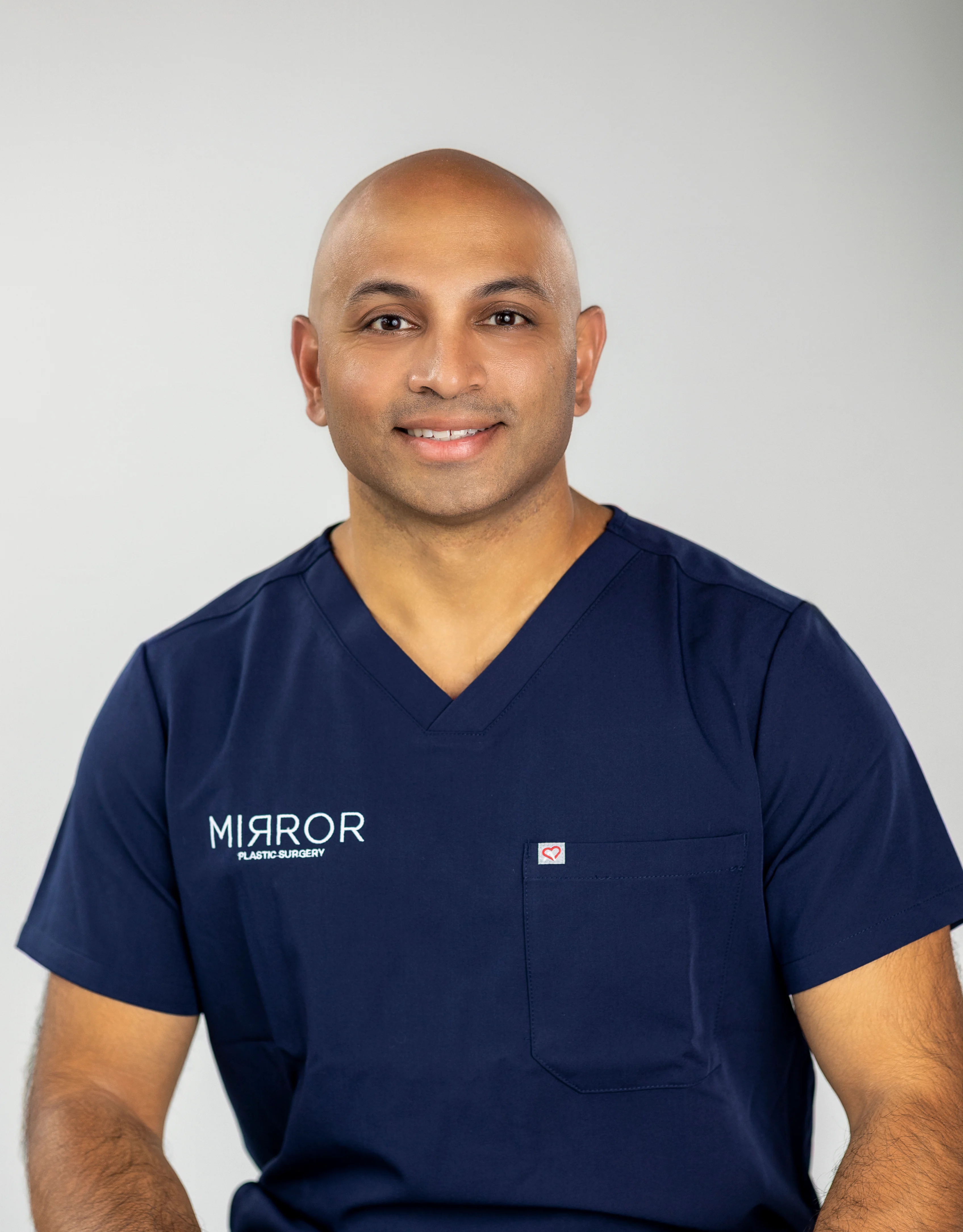
At Mirror Plastic Surgery, Dr. Akash Chandawarkar, a Harvard-educated, Johns Hopkins-trained, board-certified plastic surgeon with fellowship training in aesthetic surgery at Manhattan Eye Ear & Throat Hospital, personally performs every injectable treatment. His advisory roles with Merz Aesthetics and Tiger Aesthetics reflect a commitment to staying current with injectable science. His practice remains supplier-neutral, so product recommendations follow patient anatomy and goals.
Frequently Asked Questions
What Should I Avoid Before A Botox Appointment?
Avoid alcohol, aspirin, ibuprofen, naproxen, and supplements such as fish oil, vitamin E, garlic, and ginkgo biloba for several days before your appointment, when medically safe, to minimize bruising. Never stop prescription medications without guidance from the prescribing physician. Arrive with a clean face, free of makeup. If you are actively sick or have a rash, cold sore, or blemish in the intended treatment area, rescheduling is usually the safer choice.
How Painful Is Botox For The First Time?
Most patients describe each injection as a quick, mild pinch. The needles are very fine, and the entire injection sequence usually takes five to ten minutes. Numbing cream can be applied beforehand for patients who feel more sensitive. Patients who feel nervous about needles should tell their provider in advance so the appointment can be paced and supported accordingly.
What Is The 4-Hour Rule For Botox?
For the first four hours after treatment, remain upright and avoid rubbing, massaging, or applying firm pressure to the treated area. This precaution helps limit the risk of the toxin migrating to unintended muscles. Avoid strenuous exercise, saunas, steam rooms, and excessive heat for at least 24 hours after treatment.
How Long Does Botox Last For The First Time?
As mentioned earlier, results typically last three to four months, but first-time patients may notice a slightly shorter duration as their muscles respond to treatment for the first time.1 Factors such as metabolism, muscle strength, dose, and treatment area all influence longevity. With consistent treatment, some patients find they can gradually extend the interval between appointments.
Can I Go Back To Work After Botox?
Yes. Botox involves no downtime, and most patients return to normal daily activities immediately after the appointment. Strenuous exercise, facials, and heat-intensive activities should be avoided for 24 hours, but desk work, meetings, and routine tasks fit well with same-day treatment.
Are There Any Serious Side Effects?
Serious side effects are rare when a qualified professional uses FDA-approved products and doses. The most common temporary effects include mild redness, swelling, tenderness, bruising at injection points, and occasional headache. Temporary eyelid drooping is an uncommon complication, and precise anatomical placement significantly reduces this risk. Symptoms that require urgent evaluation include difficulty breathing, swallowing, or speaking, spreading muscle weakness, or significant vision changes. Your provider will review all potential risks during the consultation and explain when to contact the practice.
Your Journey To Confident, Natural Results
A well-run first Botox consultation feels thorough, educational, and collaborative. It starts with a conversation, moves through a dynamic facial assessment, and ends with a personalized plan grounded in safety and anatomical precision. A two-week follow-up completes the process and confirms that the outcome matches the goals you set together.
The provider you choose shapes every step of that journey. A board-certified plastic surgeon with deep anatomical expertise and a patient-centered philosophy offers a level of safety and precision that high-volume clinics rarely match. At Mirror Plastic Surgery, that standard defines everyday care.
Ready To Experience The Mirror Difference?
Mirror Plastic Surgery welcomes new patients seeking non-surgical injectable treatments in the St. Petersburg and Tampa Bay area. Dr. Akash Chandawarkar personally conducts every consultation and performs every injection, bringing a surgeon’s expertise to each appointment.
Reserve your evaluation with Ellie to begin your journey and explore a personalized Botox plan.
- Phone: 727-361-6515
- Email: hello@mirrorplasticsurgery.com
- Address: 780 4th Ave S, St. Petersburg, FL 33701
Disclaimer: Results may vary from person to person. Editorial content, before and after images, and patient testimonials do not constitute a guarantee of specific results.
1 Results may vary from person to person. Editorial content, before and after images, and patient testimonials do not constitute a guarantee of specific results.