

Written by: Dr. Akash Chandawarkar, Board Certified Plastic Surgeon, Mirror Plastic Surgery | Last updated: September 9, 2026
Key Takeaways
- The right treatment depends on which aging change you have, and most people benefit from a combination plan.
- Most patients over 35 experience dynamic wrinkles, static wrinkles, and volume loss at the same time.
- Longevity and maintenance vary by category, so planning a long-term schedule matters as much as the first treatment.
Step 1: Identify Your Main Aging Changes
Dynamic wrinkles such as forehead lines, glabellar “elevens,” and crow’s feet appear during facial expressions. Repetitive muscle contraction pulls on the overlying skin and folds it. In younger skin, these lines smooth out completely at rest. Over time, collagen breaks down, the crease stops rebounding fully, and a line that was purely dynamic at 30 can look static by 55.
Static wrinkles are visible at rest and have a structural cause. Cumulative UV damage, intrinsic collagen decline, gravity, and volume redistribution all contribute. They create crepey texture and persistent lines that muscle relaxation alone cannot resolve, because the muscle is not the main driver.
Volume loss forms a third category. It reflects deflation and redistribution of facial fat compartments, bone resorption, and ligament laxity. Facial aging is a multilayered process involving skeletal remodeling, fat-compartment deflation and redistribution, dermal thinning, altered tissue elasticity, and changes in ligament-associated support systems. Hollowing in the cheeks, temples, and under-eye area shows this deeper structural change.
The five-second mirror test: Relax your face completely and hold it still. Lines visible at rest are static. Then smile, frown, and raise your brows. Lines that appear only with movement and vanish when you relax are dynamic. Lines that linger for several seconds after the expression releases signal the shift from dynamic to static. Volume loss appears as hollowing or flattening that stays the same with or without expression.
The table below summarizes how each treatment category maps to these aging changes. Keep it handy as you move through the decision steps that follow.
Step 2: Compare Treatment Categories Side by Side
The table below compares three major treatment categories across the same metrics. Longevity figures reflect typical clinical ranges. Individual results vary with anatomy, metabolism, treatment area, and provider technique.1 Use this table as a starting framework. Most patients benefit from more than one category.
Microspheres attract fibroblasts to promote continuous collagen production, leading to prolonged tissue rejuvenation and volume enhancementDeliver radiofrequency energy or laser heat into the dermis. This denatures existing collagen and triggers new collagen and elastin formation over weeks to months
| Treatment Category | Primary Indications | How It Works | Longevity |
|---|---|---|---|
| Neuromodulators (Botox, Dysport, Xeomin, Daxxify, Jeuveau) | Dynamic wrinkles (forehead, glabella, crow’s feet, neck bands) | Block synaptic release of acetylcholine, temporarily preventing muscle contraction and smoothing overlying skin | 3–4 months for most products; Daxxify is the only FDA-approved neuromodulator labeled with a median 6-month duration |
| Biostimulatory Fillers (Radiesse/CaHA, Sculptra/PLLA) | Volume loss and skin quality improvement | CaHA approximately 12–18 months; PLLA (Sculptra) up to 2 years, with some studies reporting benefits lasting up to 4 years | |
| Energy-Based Devices (RF Microneedling, Laser Resurfacing) | Crepey texture, mild-to-moderate laxity, photoaging, collagen remodeling | Roughly 1–2 years before maintenance is needed; typically requires 3 sessions spaced 4–6 weeks apart |
Now that you can see the categories side by side, the next section walks you through choosing among them based on your primary concern.
Step 3: Match Your Concern to Botox, Fillers, or Sculptra
Start with your primary concern from the mirror test and match it to the treatment category that targets that mechanism.
Dynamic wrinkles as the main concern call for a neuromodulator as the first-line treatment. Neuromodulators are FDA-approved for forehead lines, glabellar frown lines, and crow’s feet. They temporarily block the nerve signal that tells the target muscle to contract. Injecting filler into a dynamic wrinkle without treating the muscle is a common and costly error, because the filler is stressed with every expression.
Static wrinkles visible at rest require treatment based on depth and cause. For deeper static lines beyond what topicals reach, resurfacing lasers and microneedling stimulate new collagen, and dermal fillers physically refill a set crease. Energy-based devices improve the texture and collagen quality of the skin envelope. Fillers correct structural volume deficits within the crease itself.
Volume loss with hollowing or flattening points toward biostimulatory fillers. Biostimulators are better for delayed tissue-quality improvement through collagen-mediated remodeling. Products like Sculptra (PLLA) or Radiesse (CaHA) suit goals of gradual, longer-duration improvement and overall skin quality enhancement. PLLA can restore facial volume and improve skin quality through biostimulation and tissue remodeling over a series of sessions.
Dr. Akash Chandawarkar serves on the advisory board for Merz Aesthetics, the maker of Radiesse, and brings direct clinical expertise in biostimulatory filler application to every assessment.
Get a personalized decision framework from Ellie that reflects your anatomy and goals.
Step 4: Understand Longevity and Maintenance
No non-surgical treatment is permanent. Every category requires maintenance, and a thoughtful provider plans long-term care instead of isolated sessions.
Most patients return for neuromodulator retreatment at 3–4 month intervals, and metabolism, muscle mass, and treatment area influence duration more than brand choice.1 That consistent retreatment has a long-term benefit. Chemodenervation over years gradually reduces the target muscle’s mass and strength, so patients treated continuously for a decade often require smaller doses for the same effect. This creates meaningful long-term value.
HA fillers typically last 6–18 months. Biostimulatory fillers offer a longer duration, but they require patience, because results depend on your own collagen production and build gradually.1 A 2026 randomized clinical trial found that patient satisfaction with PLLA was positive at 60 days but that formulation characteristics influence the longevity of patient-perceived aesthetic benefit. This finding highlights the importance of product selection and a knowledgeable provider.
Energy-based treatments for crepey skin and laxity deliver gradual texture and tightening changes over months, with durability of roughly 1–2 years before maintenance is needed.1 What worked for a friend may not suit you if your aging pattern differs, so treatment selection should follow your anatomy.
Because longevity and maintenance differ across categories, many patients wonder whether combining treatments is worth the added complexity. In practice, combination therapy often produces more complete results than any single option.
Step 5: Decide When to Combine Treatments
Combination therapy with neuromodulators and HA fillers produces more comprehensive results than either alone, and this principle applies across all categories. Most patients over 40 present with dynamic wrinkles, static wrinkles, and volume loss at the same time. A single modality addresses only one of those concerns.
At Mirror Plastic Surgery, Dr. Akash’s philosophy prioritizes foundational restoration first. Volume is addressed before fine lines, which restores the structural scaffold of the face before refining its surface. This sequencing helps prevent the “overdone” appearance that follows isolated, single-area injections that ignore the face’s interconnected anatomy.
- Neuromodulators for glabellar and forehead dynamic lines, combined with biostimulatory fillers for midface volume restoration
- HA fillers for immediate structural correction in the tear trough or nasolabial folds, combined with RF microneedling for overall skin quality improvement
- Energy-based devices for laxity and collagen remodeling, fillers and biostimulators for contour and support, and neuromodulators for unfavorable muscular pull, creating a layered, sequence-based strategy that addresses multifactorial aging
Common Decision Mistakes to Avoid
The most common and costly mistakes in non-surgical facial rejuvenation usually start with choosing a treatment because it is trending instead of matching it to anatomy.
- Expecting fillers to fix dynamic wrinkles. Filler injected into an active muscle crease will be mechanically disrupted with every expression. The correct treatment is a neuromodulator in that situation.
- Expecting neuromodulators to restore volume. Neuromodulators address motion-driven line formation and do not address progressive volume loss in fat compartments and bone. Marketing often frames them as broadly anti-aging, but they target movement, not deflation.
- Skipping a full-face assessment. Treating one area in isolation, such as adding volume to the lips without assessing the midface, can accentuate imbalance instead of correcting it.
- Rushing the consultation. A provider who assesses you in five minutes cannot understand your anatomy, goals, or medical history well enough to make a safe, personalized recommendation. That is why a rushed consultation often leads to overdone results, because what worked for someone else may not suit your anatomy.
- Choosing a provider based on price alone. The result depends far more on the injector’s command of facial anatomy than on the brand in the vial.
Red Flags During Med Spa Consultations
A thorough consultation is a safety requirement. The warning signs below suggest that a provider is not meeting that standard.
- The provider does not ask about your medical history, current medications, or prior aesthetic treatments before recommending a procedure
- A specific product is pushed without a clear explanation of why it fits your anatomy and concern
- Risks, potential complications, and alternatives are not discussed. Vascular complications from fillers, while rare at below 0.1% incidence, can lead to skin necrosis or permanent vision loss if the central retinal artery is affected, and you deserve to hear this clearly.
- A one-size-fits-all approach is applied regardless of your specific aging pattern
- A price is quoted without a thorough assessment of your face, goals, and anatomy
- The consultation lasts fewer than 15 minutes
- The provider cannot explain the mechanism of action of the treatment they recommend
Avoiding these red flags starts with choosing the right provider and asking direct questions about training, safety, and rationale.
Questions to Ask Before You Book
These questions mirror the standard Mirror Plastic Surgery follows in every consultation.
- What is your training and board certification, and how many times have you performed this specific treatment?
- How do you determine which treatment is right for my anatomy, and what would you recommend against for me?
- What are the realistic risks and potential complications of this procedure, and how would you manage them?
- What is the expected longevity of results, and what does a realistic maintenance schedule look like?
- Are you recommending this product because it fits my anatomy, or because it is what your practice primarily offers?
- What would you do if I experienced a complication after leaving your office?
Putting It All Together for Your Face
Your best treatment plan matches each concern to the mechanism that causes it and then sequences those treatments thoughtfully. Most patients over 35 benefit from a combination that restores volume, softens dynamic lines, and improves skin quality.
Dr. Akash Chandawarkar brings a board-certified plastic surgeon’s command of facial and subdermal anatomy to every injectable treatment at Mirror Plastic Surgery. Because he is a surgeon, every neuromodulator and dermal filler is placed with a high standard of precision and safety. His hour-long consultations focus on education rather than upselling, and he is known for telling patients when an expensive service is not yet necessary.
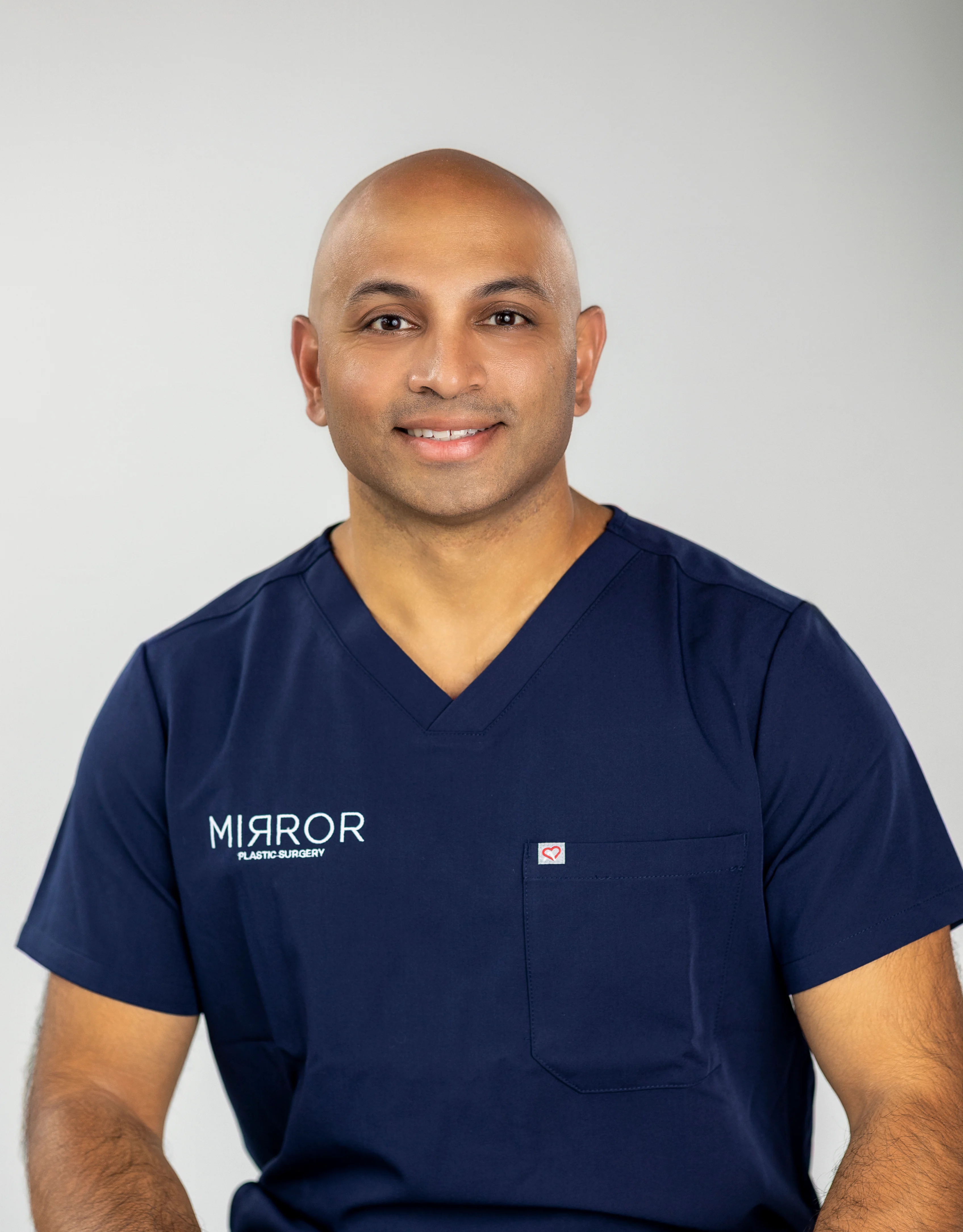
Request an anatomy-first assessment with Ellie to design a treatment plan that fits your face today and supports your long-term goals.
Next Steps: Schedule Your Consultation at Mirror Plastic Surgery
Mirror Plastic Surgery is a concierge plastic surgery and aesthetic medicine practice serving St. Petersburg and the greater Tampa Bay area. Dr. Akash Chandawarkar is currently welcoming new patients seeking full-face restorative injectable treatments.
Schedule your consultation to start your treatment plan and receive a personalized roadmap for wrinkles, volume, and skin quality.
- Address: 780 4th Ave S, St. Petersburg, FL 33701
- Phone: 727-361-6515
- Email: hello@mirrorplasticsurgery.com
Frequently Asked Questions
What Is the Best Treatment for Wrinkles?
There is no single best treatment for wrinkles because different wrinkles have different causes. Dynamic wrinkles that appear during expressions respond to neuromodulators such as Botox, Dysport, Xeomin, Daxxify, or Jeuveau, which temporarily relax the muscles that create those creases. Static wrinkles visible at rest need a different approach. Superficial crepey texture responds to energy-based treatments like RF microneedling or laser resurfacing, while deeper set creases may benefit from dermal fillers that restore volume within the line. Volume loss that causes hollowing and flattening responds best to biostimulatory fillers like Sculptra or Radiesse for gradual, longer-lasting collagen restoration. Most patients over 35 have a mix of these changes and do best with a personalized, multi-modality plan built on a thorough anatomical assessment.
What Procedure Takes 10 Years Off Your Face?
No single procedure reliably produces a decade of apparent age reversal, and any promise of that result without a detailed assessment should raise concern.1 The treatments most often linked with meaningful, natural-looking rejuvenation are strategic combinations. Restoring lost volume in the midface and temples with biostimulatory fillers addresses structural deflation, which strongly influences perceived age. Neuromodulators soften dynamic lines that signal fatigue and stress. Energy-based devices improve skin quality, texture, and mild laxity. When these are sequenced correctly, with volume first and surface refinement afterward, the cumulative effect can look dramatic yet natural. At Mirror Plastic Surgery, Dr. Akash Chandawarkar prioritizes foundational restoration before surface treatment to create harmonious, non-overdone results.
How Long Do Med Spa Treatments for Wrinkles and Volume Last?
Longevity varies significantly by treatment category. Neuromodulators usually last a few months for most patients in most areas, with Daxxify labeled with a median 6-month duration. Biostimulatory fillers offer longer duration. Calcium hydroxylapatite (Radiesse) often lasts about 12–18 months, while poly-L-lactic acid (Sculptra) can provide soft-tissue enhancement for up to 2 years, with some studies reporting benefits that persist longer. Energy-based treatments such as RF microneedling and laser resurfacing deliver results that remain biologically durable for roughly 1–2 years before maintenance is needed, because they rely on collagen remodeling rather than structural replacement.1 All non-surgical treatments require maintenance, and a quality provider will outline a long-term care schedule tailored to your anatomy, lifestyle, sun exposure, and goals.
Disclaimer: Results may vary from person to person. Editorial content, before and after images, and patient testimonials do not constitute a guarantee of specific results.
1 Results may vary from person to person. Editorial content, before and after images, and patient testimonials do not constitute a guarantee of specific results.


