
Written by: Dr. Akash Chandawarkar, Board Certified Plastic Surgeon, Mirror Plastic Surgery | Last updated: September 9, 2026
Key Takeaways
- Skin type, including thin, thick, oily, dry, and mature, shapes filler visibility, integration, and longevity, so techniques must be tailored.
- Health conditions such as autoimmune disease, diabetes, and thyroid disorders change immune response and tissue quality, which affects filler behavior.
- Lifestyle choices like smoking, sun exposure, hydration, and skincare habits influence how long fillers last and how natural they look.
- Metabolism and immune reactivity differ from person to person, which explains why some people see faster breakdown or more swelling.
- Personalized treatment planning at Mirror Plastic Surgery aligns every decision with your biology for natural-looking, long-lasting results.
The Science Behind Why Filler Results Vary
If you are considering dermal fillers, you likely want to know how long results will last for you specifically. Filler longevity is not just a product specification on a box. A 2026 MRI study in Plastic and Reconstructive Surgery Global Open found filler detectable up to 15 years after injection, with measured volumes averaging 2.8 times the injected amount because of water absorption. Yet the visible cosmetic effect usually fades within 6 to 18 months.1 This difference between physical persistence and visible effect reflects skin quality, immune response, metabolism, and tissue elasticity, which vary widely between individuals. Knowing how your own biology behaves sets realistic, evidence-based expectations.
Schedule a consultation with Ellie to explore how your skin profile influences your filler results.
How Skin Type Affects Dermal Filler Results
Skin type fundamentally shapes how filler looks and how long it lasts. Consider the main categories:
- Thin skin offers less support, so filler can appear more visible and the Tyndall effect becomes more likely.
- Thick skin hides filler well and can support firmer products, though it may need more volume for visible change.
- Oily, acne-prone skin carries higher inflammation risk around injection sites.
- Dry or dehydrated skin can make filler look more obvious because the surface appears dull or crepey.
- Mature skin with collagen loss integrates filler differently because the support structure has changed.
Because each skin type behaves differently, product choice and injection strategy must be customized.
Thin Skin
Thin skin in areas like the under-eyes, temples, and around the mouth provides limited structural support, so fillers can show through and create lumps or a bluish Tyndall effect. Studies on low-G′ formulations show that softer, more cohesive products placed in the mid-to-deep dermis integrate better in delicate tissue. Longevity may be shorter because the tissue offers less integration.1 Dr. Akash often recommends softer fillers and slightly deeper placement for patients with thin skin.
Thick Skin
Thicker, more elastic skin drapes smoothly over restored volume and can conceal filler while supporting more structural products. Firmer fillers can work well for contouring in this setting, and results may last longer because the tissue support is stronger.1 Thick skin may still require more product to create visible change, which calls for careful dosing and an experienced eye.
Oily Skin
Inflammatory skin conditions such as acne, which frequently occur in oily skin, can raise the risk of localized inflammation around injection sites. Barrier disruption and possible biofilm formation contribute to this risk, although data do not quantify it specifically for oily skin. Research on late-onset reactions after hyaluronic acid fillers highlights how inflammatory skin conditions influence complication rates. Patients with active acne benefit from stabilizing their skin before treatment. Supportive skincare and, when appropriate, skin-booster treatments can improve outcomes.
Dry Or Dehydrated Skin
Dehydrated skin often looks dull and crepey, which can make even precise filler work appear less refined. Fillers bind water, and some formulations can hold up to 1,000 times their volume. Well-hydrated skin therefore enhances their effect. A randomized study of 159 participants showed that intradermal filler–glycerol injections significantly increased skin hydration for up to 16 weeks, with benefits lasting up to 9 months, especially in dry skin.1 Dr. Akash often pairs structural filler with hydration-focused injectables for smoother, more luminous results.
Mature Skin
Age-related collagen fragmentation reduces fibroblast spreading and mechanical force generation, which weakens the environment that supports filler. A 2026 review in Gels describes aging skin as having lower collagen density, disorganized elastic fibers, and altered mechanical properties. Mature skin often responds best to a combination plan that addresses both volume and skin quality. Longevity can be shorter because aging continues, so maintenance must account for ongoing change.
Just as skin type shapes filler behavior, your overall health also influences how products integrate and last.
Health Conditions That Can Impact Your Filler Results
Health status affects immune response, metabolism, and tissue quality, which all play a role in filler performance.
Autoimmune Diseases
Conditions such as lupus and rheumatoid arthritis involve chronic inflammation and altered immune activity. A 2026 opinion in Frontiers in Immunology advises that aesthetic procedures in immune-mediated disease should consider disease activity, current treatment, and any history of poor healing. A 2022 study of 194 patients with autoimmune inflammatory rheumatic diseases found non-permanent fillers safe in well-controlled disease, while permanent fillers and procedures during active flares were avoided. Medical clearance and stable disease control form the foundation of safe planning.
Diabetes
Diabetes affects hundreds of millions of adults worldwide, and diabetic skin shows accelerated aging from advanced glycation end products, chronic inflammation, and microvascular dysfunction. A 2026 review in the International Journal of Molecular Sciences notes that diabetes can indirectly influence filler longevity through these tissue changes and altered immunity. Strong glycemic control, strict aseptic technique, and careful patient selection improve safety and outcomes.
Thyroid Disorders
Autoimmune thyroid disease involves a Th17/Treg imbalance, with Th17 cells increased two to five times and Treg cells reduced by about 20 to 40 percent compared with healthy controls. This pattern supports a higher likelihood of altered inflammatory responses after procedures. Stabilizing thyroid function before filler treatment reduces that risk.
Cardiovascular Conditions And Medications
Hypertension, cardiovascular disease, and blood-thinning medications change bleeding risk and tissue perfusion during and after injections. A detailed medical history that includes all prescriptions, over-the-counter medications, and supplements supports safe planning. Dr. Akash structures hour-long consultations to uncover these details before recommending any treatment.
Lifestyle Choices That Affect How Long Fillers Last
Smoking
Smoking reduces blood flow and damages tissue health, which can shorten filler duration and worsen cosmetic results. This compromised tissue environment struggles to support filler integration, so results often fade sooner and look less refined.
Sun Exposure
Ultraviolet radiation generates free radicals that break down filler and also injures collagen and elastin. Daily sunscreen and thoughtful sun habits protect skin quality, which supports filler appearance in areas such as the cheeks, lips, lower face, and under-eye-adjacent skin.
Hydration And Diet
Well-hydrated skin helps fillers maintain moisture and volume. Dehydrated skin can look dull, creased, or less reflective even when volume improves, so skincare support and hydration-focused treatments often accompany structural filler in a comprehensive plan.
Skincare Routine
Retinoids, antioxidants, and consistent moisturization help maintain filler results by supporting collagen and overall skin quality. Dr. Akash includes skincare guidance in every treatment plan because lasting outcomes depend on what happens at home between visits.
Beyond lifestyle, your internal biology also shapes how fillers behave over time.
Why Metabolism And Immune Response Matter
People with faster metabolism may break down fillers more quickly, while those with more reactive immune systems may experience greater inflammation and swelling. Granulomas and delayed inflammatory reactions can appear months or years after injection and relate to immune predisposition, product composition, and systemic triggers such as infections or dental work. Individuals with higher muscle-to-fat ratios, including many athletes and frequent runners, often report shorter filler lifespans1, although researchers have not fully clarified the mechanism. These differences are normal and highlight the value of a personalized consultation.
Talk to Ellie about a personalized treatment plan that Dr. Akash will tailor to your biology.
Long-Term Side Effects And How To Minimize Risks
Fillers themselves do not age the face, yet poor placement or excessive volume can create an unnatural appearance over time. MRI evidence shows that residual filler can persist for years, and cumulative product stacking can cause “overfilled face syndrome,” which clinicians now recognize as a distinct condition. Rare but serious risks such as vascular occlusion, granulomas, and delayed inflammatory reactions become less likely with an injector who understands anatomy deeply. Vascular occlusion incidences remain below 0.1 percent. However, risk rises in higher-danger regions such as the glabella, forehead, and nose, where occlusion can cause skin necrosis or permanent vision loss. Dr. Akash’s surgical background supports precise placement and rapid management if complications arise. Using FDA-approved fillers and following aftercare instructions further lowers risk.
What To Expect Over Time: Aging And Maintenance
Fillers eventually break down, and facial aging continues in the background. Many patients need touch-ups to maintain their preferred look. An evidence-based approach focuses on “assess then treat,” because blindly refilling on a schedule can stack new product on top of old filler and contribute to an overfilled appearance. A 2008 manufacturer-funded study found that a single, well-timed retreatment maintained correction with less product than the initial session. Dr. Akash favors a conservative, natural style that plans for long-term facial harmony rather than short-term volume alone.
Questions To Ask During Your Consultation
Arriving with clear questions helps you understand how a provider will tailor treatment to your skin and health. Consider asking:
- What filler type do you recommend for my specific skin type, and why?
- How will my health history influence my filler results?
- What is your approach to achieving natural-looking, long-term outcomes?
- How do you reduce the risk of complications such as vascular occlusion or granulomas?
- What experience do you have with patients who share my skin concerns?
- How will we decide when I need maintenance instead of following a fixed schedule?
Personalized Care At Mirror Plastic Surgery
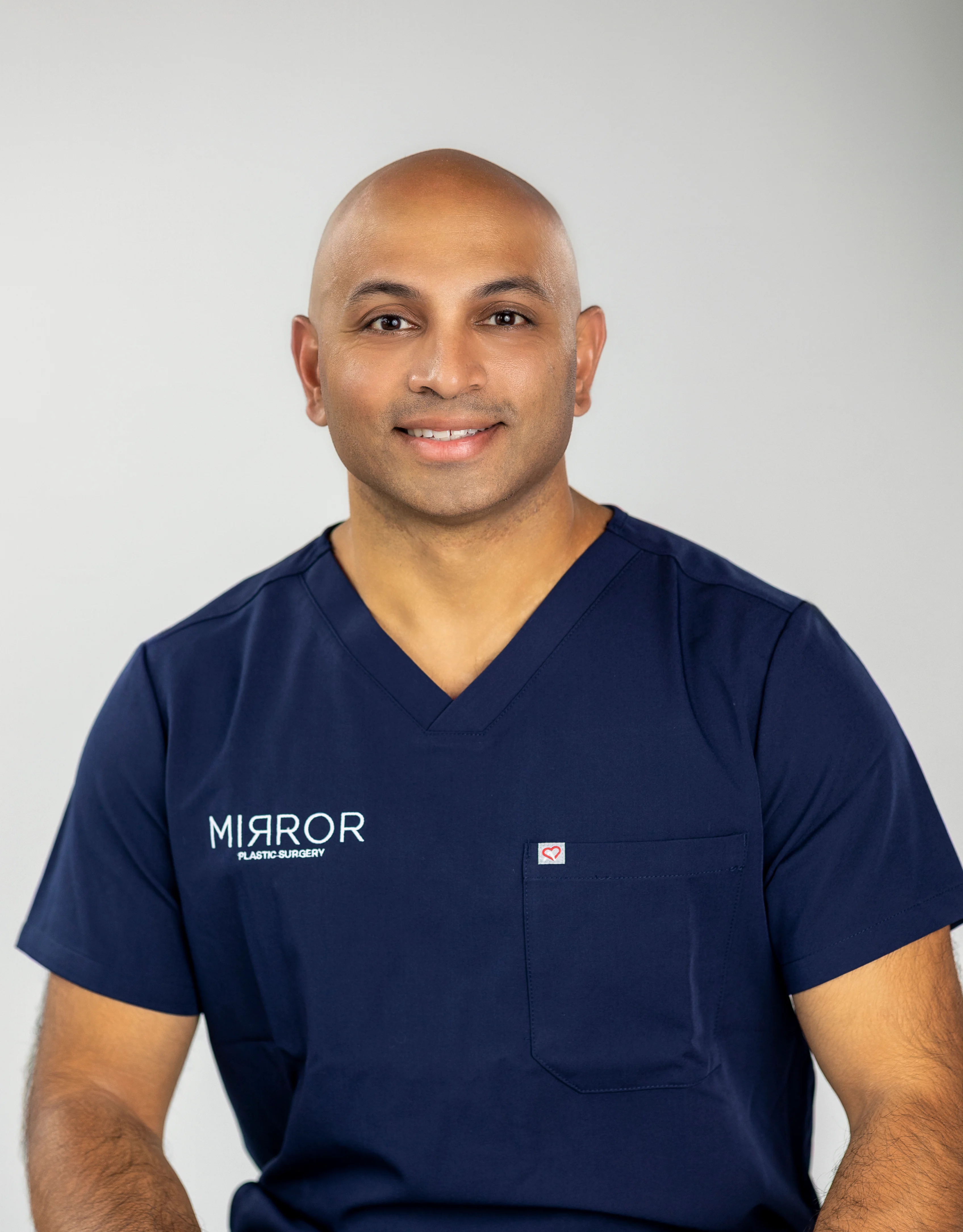
Dr. Akash Chandawarkar, a board-certified plastic surgeon and founder of Mirror Plastic Surgery, personally performs all injectable treatments. His Harvard education, Johns Hopkins training, and aesthetic surgery fellowship at MEETH/Lenox Hill Hospital provide a strong command of facial anatomy. As an advisory board member for Merz Aesthetics and Tiger Aesthetics, he stays current with advances in injectables. His concierge, safety-first philosophy prioritizes safety above all, followed by function and aesthetics. This approach ensures that every plan reflects your anatomy, health, and goals. Mirror Plastic Surgery also limits daily procedure volume to preserve focused, individualized attention for each patient.
Contact Ellie at Mirror Plastic Surgery in St. Petersburg, FL to begin your journey toward results designed around your unique biology.
Conclusion
Your skin type and health strongly influence how fillers perform and how long results last. Personalized treatment planning functions as a medical necessity rather than an optional extra. A skilled injector who understands facial anatomy and takes time to study your biology can help you achieve natural, long-lasting results that evolve gracefully with you.
Frequently Asked Questions
Does Skin Type Really Affect How Long Fillers Last?
Skin type plays a major role in filler longevity and appearance. Thin skin offers less structural support, which can shorten visible longevity and increase filler visibility. Thick skin conceals filler more effectively and may support longer-lasting results because it accommodates structural products more easily. Oily skin carries a higher chance of localized inflammation, which can speed up filler metabolism. Dry or dehydrated skin may make filler stand out more because the surrounding tissue lacks the hydration that complements the filler’s water-binding properties. Mature skin with collagen loss integrates filler differently because fibroblast activity, elastic fibers, and the extracellular matrix have all changed, which affects how the product settles and how long the visible result persists.
Can I Get Fillers If I Have An Autoimmune Disease?
Many patients with stable, well-controlled autoimmune disease can safely receive non-permanent fillers after careful evaluation. Permanent fillers and procedures during active flares should be avoided. As noted earlier, the 2022 study of 194 patients with autoimmune inflammatory rheumatic diseases supports the safety of non-permanent fillers in well-controlled disease. A 2024 survey of 497 patients with similar conditions reported that mixed aesthetic procedures were generally well tolerated and highly satisfying when performed during remission. Medical clearance, individualized risk assessment, and shared decision-making with your healthcare team remain essential. Patients with a history of immune-mediated reactions to cosmetic products require especially thorough screening.
How Can I Make My Fillers Last Longer?
Daily broad-spectrum sunscreen, avoidance of smoking, good hydration, and a skincare routine that includes retinoids and antioxidants all support longer-lasting results. Schedule maintenance based on how your face actually looks and feels rather than on automatic calendar reminders. Well-timed touch-ups often require less product than the original treatment and can lengthen intervals between visits. Stabilizing underlying conditions, such as blood sugar in diabetes or hormone levels in thyroid disease, also creates a healthier tissue environment for filler integration and longevity.
What Is The Safest Filler For My Face?
The safest filler is the one that matches your skin type, treatment area, and goals, and that an experienced injector places in the correct plane. Hyaluronic acid fillers offer reversibility with hyaluronidase, which makes them a preferred option for many areas, especially delicate zones like the under-eyes. Biostimulatory fillers such as Radiesse encourage collagen production and can provide longer-lasting structural support. Using FDA-approved products according to evidence-based protocols, with careful patient selection and a complete medical history, keeps risk low. No single filler works as the universal safest choice, because the right option depends on your anatomy and health profile.
Will Fillers Make Me Look Older Over Time?
Fillers do not inherently make you look older, yet poor technique or chronic overfilling can create an unnatural appearance that becomes more obvious with time. As discussed earlier, residual filler can persist for years, and stacking product can cause “overfilled face syndrome.” A conservative, natural approach with an experienced injector prevents this outcome. Dr. Akash focuses on restoring your inherent facial characteristics before adding volume and uses an assess-then-treat strategy so maintenance follows clinical need instead of a rigid schedule.
Disclaimer: Results may vary from person to person. Editorial content, before and after images, and patient testimonials do not constitute a guarantee of specific results.
1 Results may vary from person to person. Editorial content, before and after images, and patient testimonials do not constitute a guarantee of specific results.