
Written by: Dr. Akash Chandawarkar, Board Certified Plastic Surgeon, Mirror Plastic Surgery | Last updated: September 9, 2026
Key Takeaways
- Recovery follows a predictable timeline. Swelling and bruising peak in the first 48 hours, then steadily improve over the next two weeks.1
- Most patients can return to work the same day or the next.1 Social downtime varies by area, with lips and under-eyes taking the longest.
- Cold compresses, head elevation, and avoiding blood thinners and heat help minimize swelling and bruising.
- Final filler results are most accurate at week four, once swelling has resolved and the product has integrated.1
- Book a consultation with Ellie at Mirror Plastic Surgery to plan your treatment and recovery around your schedule.
Day-By-Day Dermal Filler Recovery Timeline
Days 1–2: The Peak
Swelling, redness, and bruising are most noticeable immediately after treatment and through the first 48 hours.1 Tenderness at injection points, pinpoint redness, puffiness, and firm spots are common and expected during this window. Most people can return to work and normal daily activities immediately.1 but strenuous exercise, alcohol, and excessive heat should be avoided.
Days 3–7: The Turn
Swelling starts to ease and your features look closer to normal. Bruising may appear or darken before fading, often turning yellow or green as the body clears it, which is a normal healing pattern. By day 5, most patients notice a clear drop in visible swelling.1 and the true shape of the result begins to show. Most people feel comfortable resuming light exercise around day 5.1
Days 7–14: The Settling
The filler starts to integrate with surrounding tissue and your results look more natural. Any remaining swelling is usually subtle and not obvious to others. Movement-heavy areas look softer, and small asymmetries often improve as swelling finishes resolving.
Weeks 2–4: The Final Result
Full results become visible as the filler fully settles and hydrates. Week four is the right time to assess your outcome and decide on any refinement.1 At this point, a follow-up or touch-up can be planned if needed. Booking a touch-up earlier increases the risk of over-correction because tissue is still settling.
Book a consultation with Ellie to build a recovery plan that fits your calendar and goals.
Recovery By Treatment Area
Lip Filler Recovery Time
Lip filler causes the most dramatic swelling of any area. Perioral skin is very thin and highly vascular, so the same volume of filler looks more swollen than in the cheeks or jaw. Lips can appear to double in size during the first 6–8 hours before they start to settle.1 Bruising is common and can last up to two weeks. Difficulty smiling or speaking clearly in the first 24–48 hours is normal, and mild tightness can linger for 3–5 days. Most lip swelling improves significantly by day 7.1 though mild fullness can persist for up to four weeks.
Cheek Filler Recovery Time
Cheek filler usually causes moderate swelling that is easier to hide than lip swelling. Cheek and midface swelling typically resolves over 5–10 days.1 Swelling can shift slightly downward, creating temporary puffiness under the eyes. The filler continues to settle over 2–4 weeks, gradually revealing lift and contour. Cheek injections sit deep along the cheekbone, which bruises less than the lips, and most patients return to work the same day with light makeup.1
Under-Eye (Tear Trough) Filler Recovery Time
The under-eye area bruises easily and holds swelling longer. The periorbital region is the highest-bruising zone because eyelid skin is the thinnest, so plan extra recovery days compared with cheek or jaw filler. Swelling can last 7–14 days, with full resolution often taking 4–6 weeks.1 Blood-thinning medications and supplements should be strictly avoided around treatment here unless your prescribing doctor advises otherwise.
Jawline Filler Recovery Time
Jawline filler usually causes mild to moderate swelling and tenderness. Chin and jawline swelling often resolves in 3–7 days.1 Small lumps along the jaw can be felt in the first week or two and usually smooth out as the filler integrates. Bruising is possible along the jawline. Around two weeks, the final contour becomes clear and symmetry can be reviewed.1
Aftercare Steps That Support Faster Recovery
Thoughtful aftercare shortens downtime and helps your results look smoother.
Do:
- Apply a clean cold compress wrapped in a cloth for 10-minute intervals during the first 48 hours. Short, frequent icing sessions in the first 48 hours are highly effective for reducing swelling.
- Sleep with your head elevated for the first 1–3 nights. After about 72 hours, filler is usually stable enough for normal sleeping positions.
- Drink plenty of water to support tissue healing and filler integration.
- Use arnica supplements or topical arnica if your provider approves. After 48 hours, arnica gel, vitamin K cream, or bromelain may help bruises fade faster.
- Use acetaminophen (Tylenol) for discomfort instead of NSAIDs, unless your doctor instructs otherwise.
- Apply broad-spectrum SPF 30 or higher daily. Newly treated skin is more prone to UV-related inflammation and hyperpigmentation without sun protection.
Don’t:
- Avoid strenuous exercise for 24–48 hours. Increased heart rate and blood pressure can worsen swelling and bruising.
- Skip alcohol for at least 24–48 hours because it dilates blood vessels and slows recovery.
- Avoid blood-thinning medications and supplements around treatment unless prescribed and cleared by your physician.
- Avoid saunas, steam rooms, hot baths, tanning beds, and intense sun for at least 48 hours.
- Do not press, rub, or massage treated areas unless your provider gives specific instructions.
- Avoid dental work, facials, microdermabrasion, and energy-based facial treatments for at least two weeks.
- Pause retinoids, AHAs, BHAs, and strong vitamin C for 48–72 hours after treatment.
Social Downtime And Planning Around Events
Most people return to work the day of or the day after treatment.1 For client-facing or camera-facing roles, a Thursday or Friday appointment allows the weekend for early swelling to settle.
Area-specific social downtime:
- Lips: Expect noticeable swelling for 2–3 days.1 Many people prefer a full week before major social plans.
- Cheeks and Jawline: Most patients feel presentable within 3–5 days, especially with light concealer.1
- Under-Eyes: Bruising can last 1–2 weeks.1 Social recovery usually falls between 3 and 7 days, depending on bruising and swelling.1
Pro Tip: Schedule filler 4–6 weeks before a wedding, vacation, or major event. Allow at least two weeks before any photographed event.
Book a consultation with Ellie to time your treatment around your calendar.
Reducing Bruising And Swelling: Before And After Treatment
Before Treatment:
- Avoid aspirin, ibuprofen, vitamin E, fish oil, and ginkgo biloba for one week if your doctor approves.
- Consider starting arnica supplements 2–3 days before your appointment.
- Avoid alcohol for at least 24 hours before treatment.
- Arrive well hydrated and having eaten a light meal.
After Treatment:
- Follow the aftercare do’s and don’ts above closely for the first 48–72 hours.
- Avoid salty foods, which can increase fluid retention and prolong swelling.
- Focus on protein, vitamin C, and dark leafy greens to support healing.
The injector’s technique also plays a major role in bruising and swelling. Blunt-tip cannulas, careful knowledge of facial vessels, and slow, low-pressure injections reduce trauma. Prevention of vascular occlusion relies on anatomy and technique, including blunt cannulas, slow low-pressure injections, and minimal effective volume. This is why your provider’s training and experience matter as much as the filler brand.
Side Effects And When To Call Your Provider
Most people experience mild, temporary side effects such as swelling, bruising, redness, itching, tenderness, and short-term firmness at injection sites. Over 90% of adverse events from filler are mild and transient, and they resolve on their own.
Rare but serious complications need urgent care. Vascular occlusion occurs when filler blocks or compresses a blood vessel and can threaten skin or vision. Early signs include sudden blanching, severe pain, and a dusky or mottled pattern along a vessel pathway.
Contact your provider immediately or go to an emergency room if you notice:
- Severe or worsening pain out of proportion to the procedure
- Skin turning white, pale, dusky, or developing a net-like mottled pattern
- Any vision changes, blurring, eye pain, or partial vision loss
- Blistering or unusual skin changes near the injection site
- Signs of infection such as spreading redness, warmth, fever, or discharge after 48 hours
Visual symptoms after filler are a true emergency with a treatment window of minutes to a few hours. The window for treating vascular occlusion is measured in hours. Seek help immediately.
Why Choosing An Expert Injector Improves Recovery
Your injector’s anatomical knowledge and technique shape both your results and your recovery. A provider who understands facial vasculature and tissue planes can inject more precisely with less trauma, which usually means less bruising, less swelling, and a smoother healing period.
At Mirror Plastic Surgery in St. Petersburg, Florida, all injectables are performed by Dr. Akash Chandawarkar, MD, a Harvard-educated, Johns Hopkins-trained, board-certified plastic surgeon with advanced aesthetic fellowship training at Manhattan Eye Ear & Throat Hospital and Lenox Hill Hospital. His surgical background supports highly precise filler placement and a natural-looking outcome.
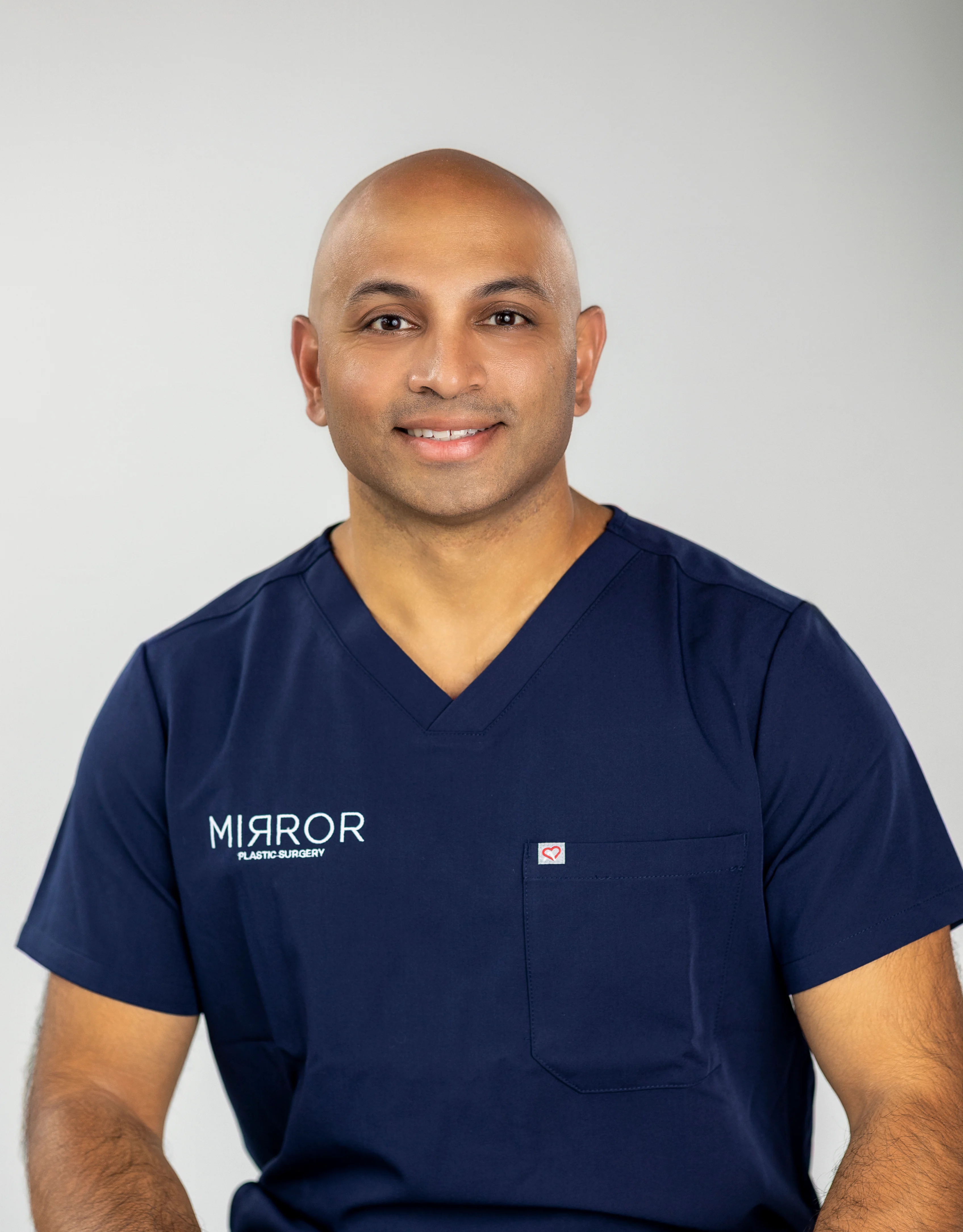
Dr. Akash serves on advisory boards for Merz Aesthetics and Tiger Aesthetics, keeping him current on the latest filler science and techniques. His approach reflects Mirror Plastic Surgery’s concierge philosophy, with generous consultation time, clear communication, and a plan tailored to your anatomy and long-term goals.
Mirror Plastic Surgery remains supplier-neutral, so product choices are based on what fits your needs rather than quotas or commissions. You receive the right product in the right amount for your face.
Book a consultation with Ellie and experience how board-certified plastic surgery expertise can support a smoother filler recovery.
Frequently Asked Questions
How Long Does It Take For Fillers To Settle?
Most fillers settle noticeably within the first week as swelling fades, but integration continues for up to four weeks.1 Two weeks gives a much clearer picture than the first few days, and week four is ideal for final assessment. Booking a touch-up earlier can lead to over-filling.
Can I Go Back To Work The Next Day After Dermal Fillers?
Yes. Most people return to work the day of or the day after treatment.1 The main concern is appearance, not safety, because swelling or bruising can remain visible for several days, especially after lip or under-eye filler. A Thursday or Friday appointment gives you the weekend to recover. For cheek and jawline filler, many patients feel work-ready within 2–3 days.
How Should I Sleep After Dermal Fillers?
Sleep on your back with your head elevated on two pillows for the first 1–3 nights. This position limits fluid pooling and morning puffiness. Avoid sleeping face-down or pressing your face into the pillow. After about 72 hours, most people can return to normal sleeping positions, especially if only small volumes were used.
What Should I Avoid After Dermal Fillers?
For the first 24–48 hours, avoid strenuous exercise, alcohol, excessive heat, blood-thinning medications and supplements unless prescribed, and touching or massaging treated areas. Skip retinoids, AHAs, BHAs, and strong vitamin C for 48–72 hours. Avoid dental procedures, facials, and energy-based facial treatments for at least two weeks. Do not apply makeup directly over injection sites for the first 24 hours.
How Soon Does Your Face Look Normal After Fillers?
Most people see swelling and bruising resolve enough for normal social life within 5–7 days.1 Lip and under-eye filler can take the full 7–14 days for visible side effects to clear.1 By two weeks, most patients feel fully themselves, and results continue to refine through week four.
What Is The Downside Of Dermal Fillers?
The main downsides are temporary side effects such as swelling, bruising, tenderness, and short-term asymmetry, plus the need for maintenance every 6–18 months. Rare but serious complications, including vascular occlusion, highlight the importance of choosing a board-certified provider with hyaluronidase on hand and a clear emergency plan. Ongoing cost is another factor to consider.
Disclaimer: Results may vary from person to person. Editorial content, before and after images, and patient testimonials do not constitute a guarantee of specific results.
1 Results may vary from person to person. Editorial content, before and after images, and patient testimonials do not constitute a guarantee of specific results.