

Written by: Dr. Akash Chandawarkar, Board Certified Plastic Surgeon, Mirror Plastic Surgery | Last updated: September 9, 2026
Key Takeaways
- Concierge peptide therapy delivers physician-led, lab-guided care with direct access and continuous monitoring, instead of a retail, one-size-fits-all model.
- Many medical spas skip baseline testing, rely on standardized protocols, and source from unverified suppliers, which creates safety and efficacy gaps for therapies that affect endocrine, immune, and metabolic systems.
- Concierge practices limit patient panels and extend appointment times, which enables comprehensive assessments, personalized protocols, and 24/7 direct physician communication that support safer outcomes.
- Personalized protocols begin with thorough lab analysis and adjust based on biomarkers, genetics, and individual response, so each patient receives the right peptide and dose.
- Concierge practices like Mirror Plastic Surgery offer lab-guided, safety-first peptide therapy with ongoing monitoring and direct access.
At Mirror Plastic Surgery, you can schedule a consultation to explore whether concierge peptide therapy is right for you.
Why Med Spas Fall Short For Peptide Therapy
The medical spa model was built for aesthetic treatments such as injectables, lasers, and facials. It does not match the nuanced biochemistry that peptide therapy requires, and that difference affects your safety.
Many med spas operate on high-volume, low-touch economics. Consultations are brief, protocols are standardized “stacks” sold like menu items, and the focus stays on throughput rather than outcomes. This model works for Botox. It falls short for therapies that interact with your endocrine, immune, and metabolic systems. A nominal medical director who signs paperwork but never appears on-site is one of the most common enforcement targets for state medical boards, yet this arrangement remains widespread in the med spa industry.
The lab gap is equally serious. Few med spas conduct comprehensive baseline testing before starting peptide therapy. Without thyroid, liver, kidney, hormone, and inflammatory marker panels, providers cannot identify contraindications, establish baselines, or measure efficacy. A GH secretagogue protocol that does not check IGF-1 at 6–8 weeks is guessing instead of monitoring.
Sourcing often compounds the problem. The FDA has highlighted that labeling products as “research purposes only” or “not for human consumption” does not exempt them from drug regulations when they are clearly intended and marketed for human use. In early 2025, the Ohio Board of Pharmacy summarily suspended over 30 clinics and med spas for sourcing, storage, and compounding violations, specifically targeting facilities using “research use only” peptides from unlicensed entities. Med spas that source from unverified suppliers expose patients to contamination, incorrect dosing, and unknown impurities.
The med spa model prioritizes convenience and retail efficiency. Peptide therapy requires deeper medical evaluation and ongoing oversight.
The Concierge Difference: What Sets It Apart
Concierge medicine inverts the economics of healthcare. Instead of maximizing patient volume, it limits panel size to maximize attention per patient, which transforms how peptide therapy is delivered.
A traditional primary-care physician in the U.S. carries a panel of roughly 3,500 patients, while concierge practices typically carry between 200 and 600 patients. Concierge medicine appointments typically last 45 to 90 minutes, compared with about 15 minutes in traditional primary care. At Mirror Plastic Surgery, Dr. Akash Chandawarkar spends up to an hour in consultation and conducts a top-to-bottom assessment that explores medical history, lifestyle, goals, and concerns.
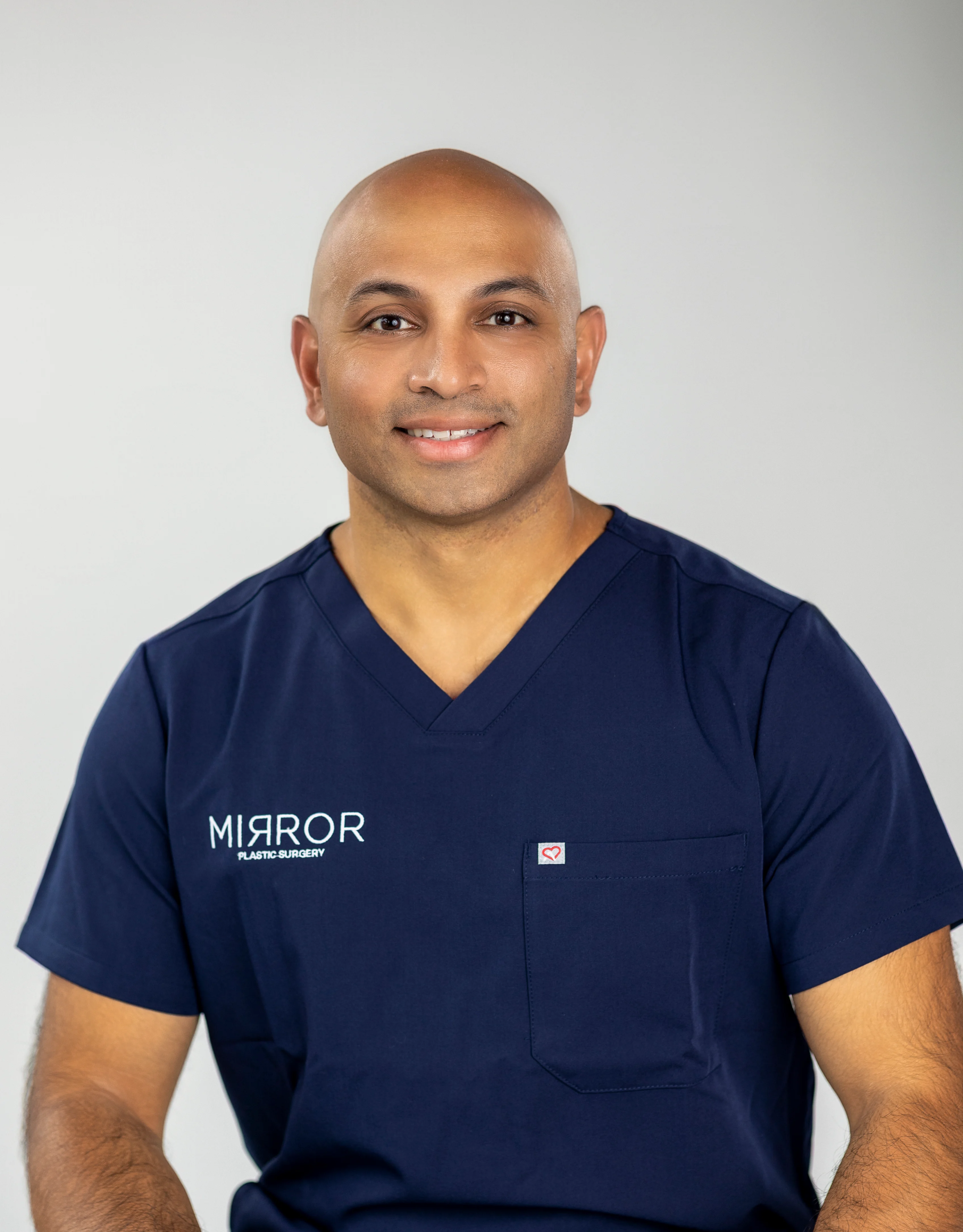
Concierge patients receive direct communication with their physician through text, phone, or portal for questions, dose adjustments, and refill requests. At Mirror Plastic Surgery, this access includes 24/7 text communication with Dr. Akash. He personally leads every peptide therapy protocol at the practice. His board-certified plastic surgery training at Harvard Medical School, Johns Hopkins, and Stanford informs each prescription and supports careful, physiology-based decisions.
Mirror Plastic Surgery follows a “safety first, function second, aesthetics third” principle. Dr. Akash will recommend against a peptide when it does not serve your long-term health. Concierge care provides a safer model for therapies that require individualized medical judgment.
Schedule a consultation with Ellie to discuss your peptide therapy options.
The Science Of Personalized Peptide Therapy
Peptides are short chains of amino acids that act as signaling molecules and instruct your body to perform specific functions. They can reduce inflammation, stimulate collagen, regulate metabolism, or support healing.1 Different peptides act on different pathways, and each body responds in its own way.
A personalized protocol starts with comprehensive lab analysis. A typical baseline panel at Mirror Plastic Surgery may include thyroid, liver, kidney, diabetes markers, and hormone panels. These labs identify root causes, rule out contraindications, and establish baselines for monitoring.
Genetic differences account for up to 95% of variability in drug metabolism. Body composition affects peptide absorption and distribution. Hormonal status, particularly menopausal status in women, influences how peptides like GLP-1 receptor agonists work. A protocol that helps one patient may be ineffective or harmful for another.
Based on consultation and labs, Dr. Akash designs custom peptide protocols. Mirror Plastic Surgery’s offerings include:
- BPC-157: Targets systemic inflammation and supports muscle, tendon, ligament, and joint repair. Often used after surgery or for injury recovery.
- GHK-Cu (Copper Peptide): Research has found that GHK-Cu stimulates collagen and elastin production, reduces inflammation, and acts as an antioxidant, with clinical trials and lab studies broadly confirming these benefits for topical use on skin.1
- TB-500 (Thymosin Beta-4): Supports soft tissue healing and reduces inflammation.
- NAD+: Targets cellular mitochondria for energy production and healthy aging effects.
- Sermorelin/Ipamorelin: Stimulate natural growth hormone production for muscle retention and fitness goals.
- Selank: A nootropic peptide for anxiety and depression that acts on pathways similar to benzodiazepines, without the same dependency profile.
- GLP-3R Compounding: A newer-generation metabolic peptide that addresses insulin resistance, weight management, and cardiovascular risk factors with a reported reduction in gastrointestinal side effects compared with older GLP formulations.1
For example, the “Glow Stack” combines GHK-Cu, BPC-157, and TB-500 to address systemic inflammation, melasma, and collagen and elastin decline. Protocols adjust based on follow-up labs and patient response. Personalized peptide therapy functions as precision medicine and follows your biomarkers instead of a generic marketing script.
You can also explore Mirror Plastic Surgery’s detailed comparison of personalized peptide therapy versus medical spa treatments during a direct consultation with Dr. Akash.
Safety And FDA Considerations In 2026
The peptide regulatory landscape shifted significantly in 2026. Staying current with these changes helps you choose a safe provider and an appropriate protocol.
In 2023, the FDA determined that 19 specific peptides were too unsafe to be dispensed by compounding pharmacies. By April 2026, the FDA had formally removed twelve peptides from its restricted list and announced it would convene its Pharmacy Compounding Advisory Committee (PCAC) on July 23–24, 2026, to evaluate whether seven additional peptides used for conditions ranging from ulcerative colitis and wound healing to obesity, insomnia, and osteoporosis should also become eligible for compounding. In late July 2026, a split FDA panel voted in favor of allowing compounders to use six peptides including epitalon and semax, removing them from the agency’s unsafe category.
A peptide’s legal compounding status, its FDA-approval status, and the strength of its clinical evidence are three separate things. Even peptides removed from the restricted list are not FDA-approved drugs. They remain unapproved prescription substances used at physician discretion, which makes qualified oversight essential.
Regarding liver safety, peptide injury to the liver is uncommon overall because peptides are broken down into amino acids through normal protein metabolism rather than being processed by the liver’s cytochrome P450 enzyme system. However, contamination in research-grade peptide vials, such as impurities, residual solvents, or bacterial endotoxin, poses a more concrete liver concern than the peptide molecule itself. As of August 2026, seven patients in Victoria, Australia were hospitalized for acute liver toxicity after using a counterfeit version of the weight loss peptide retatrutide, prompting concerns about a contaminated batch. These events illustrate the real-world consequences of unsafe sourcing.
Regarding the clinical evidence base, a 2026 narrative review in Pharmaceutics concluded that the available clinical evidence for BPC-157 does not support evidence-based clinical recommendations for any indication, citing the absence of completed Phase II trials and validated dosing regimens. Peptides still show therapeutic potential, yet the burden of safety rests on the prescribing physician and the quality of the product sourced.
Mirror Plastic Surgery sources peptides from reputable providers who undergo rigorous third-party batch testing. This approach supports product quality, purity, and accurate dosing in a rapidly evolving regulatory environment.
What To Expect During Your Concierge Peptide Journey
Concierge peptide therapy follows a structured process that prioritizes safety and outcomes over speed. At Mirror Plastic Surgery, your journey includes several clear steps.
- Initial Consultation (30–60 Minutes). You meet with Dr. Akash to discuss your medical history, health goals, and concerns. This visit provides a detailed look at your physiology and what you hope to achieve.
- Comprehensive Lab Testing. If recent labs are unavailable, Dr. Akash orders them. Panels typically include thyroid, liver, kidney, hormone, inflammatory, and metabolic markers. For weight loss or inflammatory conditions, these labs help identify root causes.
- Custom Protocol Design. Based on your labs and goals, Dr. Akash selects specific peptides and dosing tailored to your physiology. You receive a clear explanation of what you are taking, why you are taking it, and what you can expect.
- Education And Self-Administration. You receive detailed instructions for reconstitution and self-administration, often with video demonstrations. Most peptides use simple subcutaneous injections.
- Ongoing Support. You receive direct text access to Dr. Akash for questions, adjustments, and refill requests. This concierge access continues throughout your protocol.
- Follow-Up And Monitoring. A typical monitoring schedule includes a symptom check-in at weeks 1–2, first follow-up labs at week 4 for fast-acting peptides, and a comprehensive re-check at week 8 for slower peptides. Continuous monitoring supports both safety and effectiveness.
The entire process, from consultation to prescription and shipping, can occur remotely across the United States, including Hawaii and Alaska, or in person at the St. Petersburg/Tampa practice.
Start your physician-led peptide protocol by booking a consultation with Ellie.
How To Choose A Peptide Provider
Choosing the right peptide provider protects your health and your investment. Use the following red flags and green flags to evaluate any practice before you commit.
Red flags that signal inadequate care:
- No physician involvement in protocol design or oversight
- No lab testing before initiating therapy
- One-size-fits-all protocols sold as “packages”
- Vague answers about peptide sourcing or third-party testing
- No follow-up care or monitoring plan
- Inability to explain the evidence, or lack of evidence, for specific peptides
- Products labeled “research use only” or “not for human consumption”
- Promises of dramatic, guaranteed results
Green flags that signal a trustworthy practice:
- Board-certified physician oversight (MD or DO)
- Comprehensive lab analysis before and during therapy
- Custom protocols based on individual biomarkers
- Transparent sourcing from reputable suppliers with batch testing
- Ongoing support with direct physician access
- Honest discussion of risks, evidence, and realistic outcomes
- Willingness to decline peptides that are not appropriate for your situation
The most irresponsible prescribing pattern in peptide medicine is straightforward: write the prescription, never mention labs, never follow up, refill when asked. Retail-style prescribing places patients at unnecessary risk. A physician-led concierge practice treats peptide therapy as medicine and follows a structured, monitored plan.
FAQ: Answering Common Concerns
What Is The Real Problem With Concierge Medicine?
The primary barrier is cost. Concierge practices charge membership fees or higher out-of-pocket rates because they limit patient panels and spend significantly more time per patient. For peptide therapy, this investment supports comprehensive labs, direct physician oversight, quality-sourced peptides, and continuous monitoring. As discussed earlier, these safeguards address risks such as contaminated products, incorrect dosing, unmonitored side effects, and hospitalizations linked to gray-market sourcing. For peptide care, concierge medicine functions as the standard of care.
Why Do Some Doctors Hesitate To Use Peptides?
Many physicians remain cautious because most peptides lack FDA approval and robust human clinical trial data. This caution reflects the evidence gap rather than automatic danger. For many popular peptides, the human evidence base is still limited, and a responsible physician must communicate that clearly before prescribing. Board-certified physicians like Dr. Akash who stay current on the evolving regulatory and research landscape can offer informed, supervised access to peptides that show genuine therapeutic potential while remaining transparent about what is and is not yet proven.
What Is The Downside Of Peptide Therapy?
Possible side effects include injection site reactions, nausea, headaches, fluid retention, and, in some cases, effects on blood glucose or hormone levels depending on the peptide class. Results vary significantly by individual, and benefits typically diminish after stopping, which may require maintenance protocols.1 The greatest downside risk comes from unregulated sourcing and lack of medical supervision. Contaminated products, incorrect dosing, and the absence of monitoring drive most serious adverse events. Physician-supervised care with quality-controlled sourcing substantially reduces these risks.
Are Peptides Hard On Your Liver?
As discussed in the safety section, peptides are metabolized into amino acids through normal protein pathways, so liver toxicity from the molecule itself is uncommon. The more concrete liver risk comes from contaminated products, particularly those with bacterial endotoxins, which can drive inflammatory liver injury independently of the peptide. Baseline and follow-up liver enzyme testing and sourcing from reputable, batch-tested suppliers are essential parts of safe peptide care.
Will Everyone See The Same Results With Peptides?
Results vary significantly based on genetics, lifestyle, adherence, hormonal status, body composition, and the specific protocol used. What works for one individual may not have the same effect on another. Personalized, lab-guided protocols outperform one-size-fits-all approaches because they account for this variability. A thorough evaluation, including medical history and lab results, supports a custom protocol tailored to each person’s physiology and goals.
Conclusion: Making The Safe Choice
Peptide therapy offers real promise for managing inflammation, supporting recovery, promoting healthy aging, and addressing conditions that conventional medicine often struggles to resolve. That promise requires careful oversight to avoid unnecessary risk. Medical spas with a retail mindset and limited medical infrastructure cannot deliver the depth of personalized, lab-guided care that peptide therapy demands.
A personalized concierge alternative that is physician-led, lab-based, and continuously monitored provides a safer and more effective path. At Mirror Plastic Surgery, Dr. Akash Chandawarkar brings board-certified expertise, Harvard and Johns Hopkins training, and a safety-first philosophy to every peptide protocol. He limits his practice to maintain focus, conducts comprehensive lab analysis, sources from reputable batch-tested suppliers, and remains directly accessible to his patients throughout their journey. Patients have reported improvements in autoimmune conditions like psoriasis, meaningful weight loss, enhanced post-surgical recovery, and successful transitions from pharmaceutical medications for anxiety and depression.1
Your health decisions deserve more than a quick retail transaction. They deserve a physician who knows your labs, understands your physiology, and remains accountable for your outcomes.
Talk to Ellie about personalized peptide therapy with a board-certified physician.
About The Author
Dr. Akash Chandawarkar, MD, is the founder of Mirror Plastic Surgery in St. Petersburg, Florida, and the lead physician for peptide therapies at the practice. He is board-certified by the American Board of Plastic Surgery. His education began at the Massachusetts Institute of Technology (MIT), where he studied neuroscience and nuclear engineering, before graduating with Honors from Harvard Medical School through the Harvard-MIT Division of Health Sciences and Technology. He completed a seven-year integrated plastic and reconstructive surgery residency at Johns Hopkins University and holds specialized fellowship training in aesthetic surgery at the Manhattan Eye Ear & Throat Hospital (MEETH)/Lenox Hill Hospital. He also completed the Stanford University Biodesign Innovation Fellowship, which trains physician-innovators to develop technological solutions for unmet clinical needs. Dr. Akash brings this combination of clinical excellence and innovation to every peptide protocol and prioritizes safety, education, and personalized care.
Disclaimer
Peptide therapies are not FDA-approved for all uses and may not be suitable for everyone. Results vary. Always seek professional medical supervision. This article is for educational purposes and does not replace medical advice.
1 Results may vary from person to person. Editorial content, before and after images, and patient testimonials do not constitute a guarantee of specific results.
Peptide therapy is intended for wellness and optimization purposes and is not prescribed to diagnose, treat, cure, or prevent disease unless specifically stated. Many peptides are not FDA-approved and may be used off-label. Some have limited long-term safety data, with a potential for unknown risks, complications, or desensitization with prolonged use.


