
Written by: Dr. Akash Chandawarkar, Board Certified Plastic Surgeon, Mirror Plastic Surgery | Last updated: September 9, 2026
Key Takeaways
- Physician-led concierge peptide therapy provides a safer, more effective approach by pairing comprehensive lab analysis with individualized protocols.
- Personalization is essential. Protocols must match each patient’s physiology, conditions, and lab results to support both safety and meaningful outcomes.
- Choosing the right provider means confirming board certification, lab-driven protocols, licensed pharmacy sourcing, and ongoing physician access.
- Quality and safety depend on licensed compounding pharmacies with batch testing, Certificates of Analysis, and continuous monitoring throughout treatment.
- Patients seeking personalized, physician-supervised peptide wellness in Tampa should begin with a comprehensive medical evaluation before any protocol is prescribed.
Concierge Peptide Wellness Defined
Concierge peptide wellness is a physician-led model in which a doctor provides personalized, medically supervised peptide therapy. Unlike med spas or online suppliers, concierge peptide wellness is built on four pillars: comprehensive lab analysis, custom-tailored protocols, ongoing monitoring, and direct physician access. Together these pillars support safety, quality, and effectiveness.
This model differs from what most Tampa residents encounter when they first explore peptide therapy. Typical med spa offerings treat peptides as an aesthetic add-on with limited physician involvement. Protocols often come from a fixed menu instead of a patient’s labs. Telehealth-only platforms may offer convenience, but they often lack in-person evaluation and comprehensive follow-up. They also rarely provide the depth of clinical relationship that complex wellness goals require.
Concierge peptide care rests on three core elements:
- Physician Oversight: Every protocol is designed, prescribed, and monitored by a board-certified physician, not a sales coordinator or wellness coach.
- Individualized Protocols Based On Lab Work: Treatment decisions follow objective data about the patient’s physiology instead of trends or generic stacks.
- Ongoing Support And Monitoring: The relationship continues after the first prescription with scheduled check-ins, lab reassessment, and protocol adjustments as the patient responds.
This model supports both safety and results. A legitimate first peptide appointment should include a structured medical history intake, a lab order, an honest discussion of evidence levels, written informed consent, and a defined monitoring schedule. Many high-volume or online providers do not follow these standards.
Why Personalization Matters In Peptide Therapy
Peptide therapy requires individualization. A protocol that works for one patient may be ineffective or even contraindicated for another. The difference often comes down to baseline physiology, existing conditions, and current medications.
Comprehensive lab analysis forms the foundation of a responsible protocol. Relevant panels typically include thyroid function, hormone panels, inflammation markers such as CRP and homocysteine, metabolic markers including fasting glucose, HbA1c, and a lipid panel, and IGF-1 levels when growth hormone secretagogues are being considered. These align with standard pre-treatment panels recommended by reputable sources, which also include a CBC and fasting insulin. These results reveal the root causes of a patient’s symptoms and guide both peptide selection and dosing.
At Mirror Plastic Surgery, Dr. Akash Chandawarkar personally reviews every patient’s labs and designs custom peptide stacks tailored to individual physiology and goals. Examples of how protocols are customized include:
- A patient with chronic joint inflammation may receive BPC-157 and TB-500 for tissue repair and soft-tissue healing.
- A patient concerned with skin aging and declining collagen may benefit from GHK-Cu, which promotes collagen and elastin production.
- A patient struggling with fatigue and cellular energy decline may be a candidate for NAD+ therapy targeting mitochondrial function.
- A patient with weight management goals and metabolic concerns may be prescribed a GLP-3R compound, a newer-generation formulation reported to carry fewer gastrointestinal side effects than earlier GLP-1 versions.
- A patient managing anxiety may be evaluated for Selank, a nootropic peptide that acts on similar brain pathways as benzodiazepines without the addictive potential.
This level of personalization requires a physician who understands physiology at a deep level and who practices beyond aesthetics or short-term wellness trends.
How To Choose A Concierge Peptide Doctor In Tampa
Tampa has a growing number of peptide therapy providers, including telehealth platforms, med spas, and physician-led concierge practices. Mirror Plastic Surgery’s peptide therapies are clinician-led and medically supervised by Dr. Akash Chandawarkar, and patients should confirm that treatment decisions, supervision, and ongoing communication are clearly explained before choosing a provider.
A practical checklist for evaluating any peptide provider includes:
- Board Certification: Verify the physician is board-certified in a relevant specialty through the American Board of Medical Specialties or an equivalent body.
- Willingness To Order Labs: Mirror Plastic Surgery requires lab work for weight loss or certain inflammatory conditions before prescribing peptides. An appointment that moves from intake to prescription without labs is a red flag regardless of credentials.
- Pharmacy Sourcing: The provider should use licensed compounding pharmacies, either 503A or 503B facilities, with batch testing and Certificates of Analysis. A sufficient COA for an injectable peptide must show identity confirmation by HPLC or mass spectrometry, purity of 98% or greater, endotoxin test results below USP limits, sterility testing, a lot number matching the vial label, and potency within 90 to 110% of the stated dose.
- Availability For Follow-Up: Concierge care should include ongoing monitoring and direct access to the physician, not a one-time prescription.
- Transparency About Evidence: Good providers answer credential questions clearly and can cite verifiable qualifications, while weak providers evade these questions or rely on vague marketing claims.
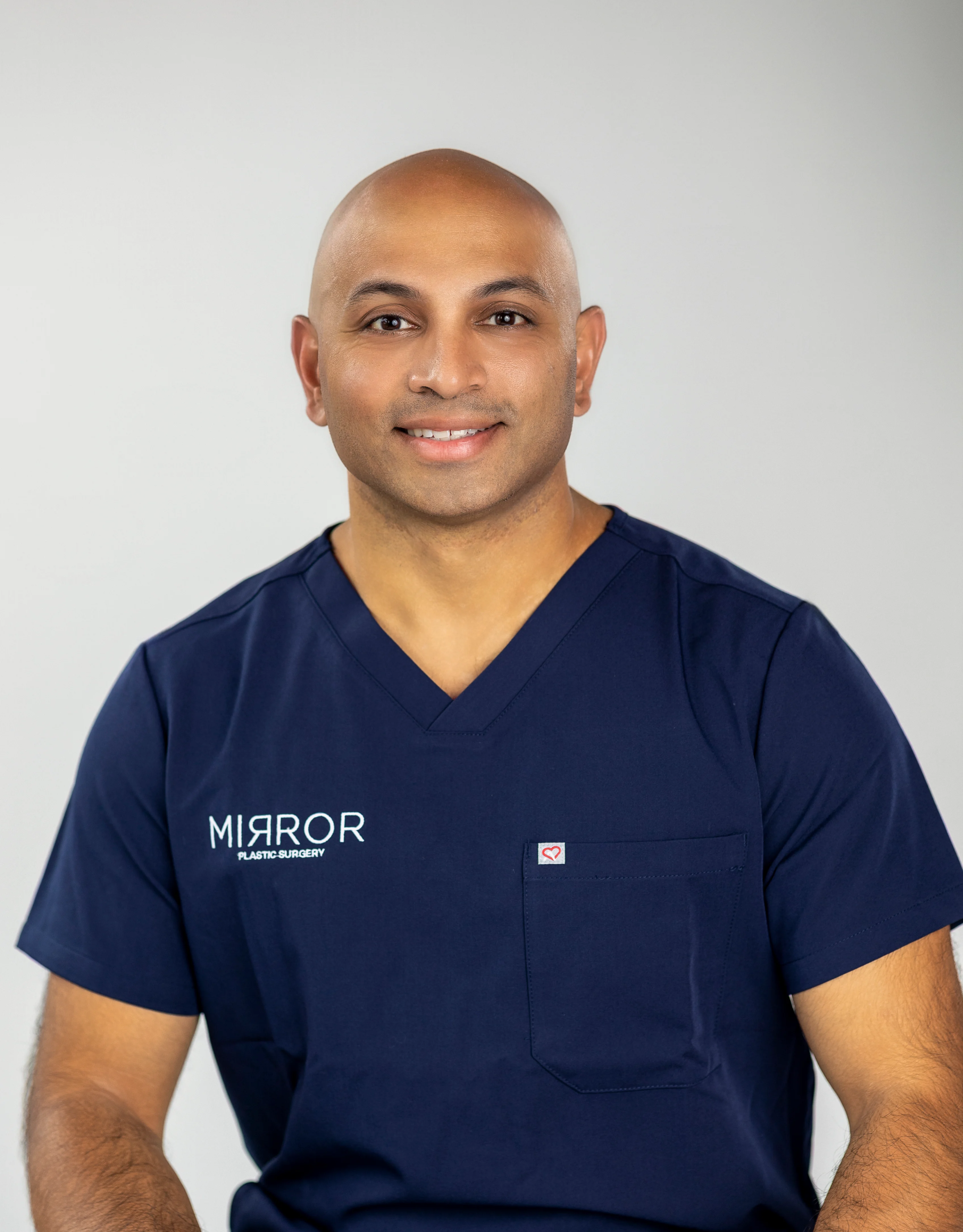
Dr. Akash Chandawarkar represents a high standard against which Tampa peptide providers can be measured. He graduated with Honors from Harvard Medical School through the Harvard-MIT Division of Health Sciences and Technology, after undergraduate studies at MIT in neuroscience and nuclear engineering. He completed a seven-year integrated plastic and reconstructive surgery residency at Johns Hopkins University. He then completed the Stanford University Biodesign Innovation Fellowship in Silicon Valley and holds board certification from the American Board of Plastic Surgery. He founded Mirror Plastic Surgery in St. Petersburg to serve the broader Tampa Bay area.
This combination of elite medical training, deep physiological knowledge, and commitment to medical innovation gives Dr. Akash a rigorous foundation for peptide therapy that extends beyond the credentials typically found at high-volume wellness clinics.
Safety And Quality Considerations For Peptide Therapy
Most peptides used in wellness protocols are not FDA-approved for those indications, and products sold online as “research chemicals” present serious risks. Purchasing injectable peptides without a prescription from research chemical suppliers carries real legal and safety risk, including unknown purity and no recourse if harmed.
The risks of unsupervised peptide use include:
- Unknown product quality and purity from unverified sources
- Incorrect dosing leading to adverse effects or no therapeutic response
- No screening for contraindications or drug interactions
- No monitoring for side effects or long-term safety signals
Mirror Plastic Surgery addresses these safety concerns directly. Peptides are sourced from reputable providers who undergo rigorous batch testing. Every protocol is medically supervised by Dr. Akash Chandawarkar. Comprehensive lab panels are reviewed before treatment begins. Patients receive detailed instructions for reconstitution and self-administration, often with video demonstrations. Ongoing monitoring and follow-up are built into the concierge model, and Dr. Akash is available via text or scheduled telemedicine appointments throughout the patient’s journey.
Potential side effects, which a responsible provider discusses openly, may include injection site reactions, mild nausea, flushing, or headache. Proper dosing and sterile technique minimize these risks, and most side effects are mild and transient when protocols are physician-supervised.
Before starting any peptide protocol, patients should ask their provider:
- Are these peptides sourced from a licensed compounding pharmacy?
- Can I see the Certificate of Analysis for the specific batch?
- What baseline labs will you order, and why?
- What monitoring will occur during my protocol?
- What are the potential side effects and contraindications?
- What is the evidence base for the peptides you are recommending?
Schedule a concierge peptide wellness consultation with Dr. Akash Chandawarkar to discuss these questions directly with the physician who will oversee your care.
Common Peptides In Personalized Wellness Protocols
The right peptide or combination of peptides depends on individual labs and goals. At Mirror Plastic Surgery, these compounds are combined into custom stacks based on each patient’s specific needs, not a generic menu. Commonly prescribed peptides include:
- BPC-157 (Body Protective Compound 157): Targets systemic inflammation and may support muscle, tendon, ligament, and joint repair.1 Most evidence for BPC-157 comes from preclinical studies, and any wellness use should be treated as experimental with transparent discussion of uncertainties and informed consent from a qualified provider.
- GHK-Cu (Copper Peptide): Promotes collagen and elastin production for skin, hair, and nail health and can address melasma and signs of aging.1
- TB-500 (Thymosin Beta-4): Supports soft tissue healing and may reduce inflammation.1
- NAD+: Targets cellular mitochondria for energy production and potential anti-aging benefits.1
- Sermorelin/Ipamorelin: Growth hormone secretagogues that stimulate natural growth hormone production.1 Sermorelin preserves the body’s natural pulsatile GH rhythm and has a long clinical track record, though its adult anti-aging use is off-label and large placebo-controlled trials in healthy adults do not exist as of 2026.
- Selank: A nootropic peptide that may address anxiety and depression without the addictive potential of benzodiazepines.1
- KPV: Targets gut inflammation and may support digestive health.1
- GLP-3R Compounds: Newer-generation peptides for weight management and metabolic health, reported to carry fewer gastrointestinal side effects than earlier GLP-1 versions.1
What To Expect From A Personalized Peptide Protocol
Once your custom peptide stack is designed, the journey at Mirror Plastic Surgery follows a structured, physician-led process:
- Initial Consultation (30–60 Minutes): An in-depth discussion of medical history, symptoms, goals, and lifestyle with Dr. Akash Chandawarkar personally.
- Comprehensive Lab Analysis: Blood work to assess thyroid function, hormone levels, inflammation markers, metabolic health, and IGF-1 when growth hormone peptides are being considered.
- Custom Protocol Design: Dr. Akash reviews labs and creates a personalized peptide stack with specific dosing and administration instructions tailored to the individual patient.
- Education And Training: Patients receive detailed instructions for reconstitution and self-administration, often accompanied by video demonstrations.
- Ongoing Support: Direct access to Dr. Akash via text or telemedicine for questions, concerns, and adjustments throughout the protocol.
- Follow-Up And Monitoring: Scheduled check-ins to assess response, review labs, and adjust the protocol as needed.
Results vary by individual and condition. Some patients report improvements in sleep and energy within the first one to two weeks of growth hormone secretagogue therapy.1 Visible body composition shifts typically appear at months three to six, and these timelines are anecdotal rather than established by large controlled trials. Maintenance protocols are often necessary to sustain benefits after an initial course. Dr. Akash sets realistic expectations from the outset and focuses on education throughout the concierge experience.
Peptide Therapy Options In Tampa And Mirror Plastic Surgery’s Role
Tampa offers many peptide therapy options, and earlier sections described the range from med spas to telehealth platforms to concierge practices. Within this landscape, the details of training, evaluation, and follow-up determine the level of care.
Not all practices that use the word “concierge” deliver the same standard. The physician’s credentials, depth of involvement, and commitment to evidence-based practice influence outcomes. The best peptide clinics explain how treatment decisions are made, what supervision is included, and what ongoing communication looks like after the first consultation.
Mirror Plastic Surgery occupies a distinct position in this environment. Dr. Akash Chandawarkar is a board-certified plastic surgeon with Harvard, Johns Hopkins, and Stanford training who personally leads every peptide protocol. The practice limits itself to one to two surgeries per day and extends the same philosophy of focused, unhurried attention to its non-surgical and peptide services. This structure supports personalized attention that high-volume practices often cannot provide. Mirror Plastic Surgery serves patients in St. Petersburg and throughout the Tampa Bay area, with remote service available across the United States.
Frequently Asked Questions About Concierge Peptide Therapy
Can You Get A Doctor To Prescribe Peptides?
Any licensed physician with prescriptive authority can legally prescribe compounded peptides. The quality of care, however, varies widely between providers. A concierge physician who specializes in peptide therapy, such as Dr. Akash Chandawarkar at Mirror Plastic Surgery, will order comprehensive labs, design a personalized protocol, and provide ongoing medical supervision. This approach differs from a provider who prescribes a generic protocol without proper evaluation or follow-up.
What Is The Downside Of Peptide Therapy?
The main downsides relate to the unregulated nature of the market rather than the molecules alone. Risks include unknown product quality from unverified online sources, incorrect dosing, unmonitored side effects, and lack of screening for contraindications. Additionally, most peptides used in wellness protocols are not FDA-approved for those indications, and the evidence base varies considerably by peptide. Some have decades of clinical data, while others rely primarily on animal studies. Physician oversight and quality sourcing help manage these uncertainties.
Who Should Avoid Peptide Injections?
Individuals with active or recent malignancy, pregnant or breastfeeding women, and those with certain pre-existing conditions such as untreated thyroid disorders, severe sleep apnea, or impaired glucose tolerance should avoid certain peptide therapies or undergo additional screening before starting. A thorough medical evaluation, including lab work, is necessary to identify contraindications specific to each compound. Self-medicating with peptides purchased online bypasses this screening and removes physician interpretation of results.
How Quickly Do Peptide Injections Work?
Timelines vary by peptide and individual. As noted earlier, some patients report improved sleep and energy within the first one to two weeks of growth hormone secretagogue therapy. For some patients, anti-inflammatory effects from tissue-repair peptides such as BPC-157 and KPV may be noticeable within days to weeks, but these early changes reflect biochemical and symptomatic improvement, while structural tissue repair typically requires several additional weeks.1 Body composition changes typically require eight to twelve weeks or longer1, with more visible shifts at three to six months. A concierge physician will set expectations clearly and adjust the protocol based on individual response and follow-up labs.
What Happens If I Stop Taking Peptides?
The benefits of peptide therapy usually diminish after discontinuation, similar to stopping any health regimen. For example, if a peptide protocol manages systemic inflammation, that inflammation may return once the protocol ends. Many patients use maintenance protocols to sustain results achieved during an initial course. Long-term planning is part of the personalized protocol discussion at Mirror Plastic Surgery so patients understand what to expect before they begin.
Your Partner In Personalized Peptide Wellness
Peptide therapy can help manage inflammation, support weight and metabolic health, promote cellular energy, and address a range of chronic wellness concerns. Patients see the greatest benefit when therapy occurs within a personalized, physician-led model that emphasizes rigorous safety standards, quality-controlled sourcing, and ongoing monitoring.
Mirror Plastic Surgery and Dr. Akash Chandawarkar provide this type of care for patients seeking a concierge doctor for personalized peptide wellness in Tampa. His elite training and board certification, combined with a genuine concierge model built on extended consultations, comprehensive lab analysis, and direct physician access, create a standard of care that is difficult to replicate.
Start your personalized peptide wellness journey with Dr. Chandawarkar today and take the first step toward a physician-supervised protocol designed around your unique physiology and goals.
Peptides are not FDA-regulated; results vary. Always seek medical supervision before starting any peptide therapy. This article is for educational purposes and does not constitute medical advice.
1 Results may vary from person to person. Editorial content, before and after images, and patient testimonials do not constitute a guarantee of specific results.
Peptide therapy is intended for wellness and optimization purposes and is not prescribed to diagnose, treat, cure, or prevent disease unless specifically stated. Many peptides are not FDA-approved and may be used off-label. Some have limited long-term safety data, with a potential for unknown risks, complications, or desensitization with prolonged use.