
Written by: Dr. Akash Chandawarkar, Board Certified Plastic Surgeon, Mirror Plastic Surgery | Last updated: September 9, 2026
Key Takeaways
- Injectable peptides reach 80–100% bioavailability versus 2–15% for topical serums, so they drive deeper collagen and elastin remodeling.1
- 2026 clinical data show topical peptides reduce wrinkles in a measurable way, yet injections create stronger and faster structural changes.1
- Most therapeutic peptides exceed the 500 Dalton skin-penetration limit, so topical absorption stays minimal and subcutaneous injections work better.
- Physician-led protocols with lab testing and pharmaceutical-grade sourcing sharply lower the risks seen with unregulated peptide products.
- Schedule a personalized consultation at Mirror Plastic Surgery to see whether injectable peptide therapy matches your skin goals.
Executive Summary: How Injections Compare To Topical Peptides
Injectable peptides outperform topical serums for deeper skin remodeling, including collagen synthesis, elastin production, and systemic anti-inflammatory effects. Higher bioavailability creates stronger biological activity in the tissues that shape firmness and texture. Topical peptide serums still provide value. A 2026 systematic review in the Journal of Cosmetic Dermatology by Aung and Nararatwanchai found statistically significant wrinkle reduction from topical neurocosmetic peptides with an excellent safety record across all 11 studies. Their effect size and speed, however, remain below what injectable delivery achieves for structural change.
This report brings together 2026 clinical evidence, bioavailability research, and regulatory updates for a clear, evidence-based comparison. The choice between topicals and injections depends on your skin, health history, and goals. Mirror Plastic Surgery’s physician-led model, under Harvard-educated, Johns Hopkins-trained plastic surgeon Dr. Akash Chandawarkar, focuses on that personalized assessment.
Book an appointment with Ellie to review whether medically supervised peptide therapy fits your treatment plan.
The Science Of Absorption And Why Route Matters
The stratum corneum forms the main barrier to topical peptide delivery. This 10–20 layer shield of dead, keratinized cells in a lipid matrix blocks most molecules above about 500 Daltons from passive diffusion. The 500 Dalton rule (Bos and Meinardi, 2000) therefore excludes most therapeutic peptides from meaningful skin penetration.
The molecular weights of common injectable peptides highlight this barrier:
- BPC-157: ~1,419 Da, with negligible topical bioavailability.
- TB-500 (Thymosin Beta-4): ~4,921 Da, with negligible topical and oral bioavailability.
- GHK-Cu: ~403 Da, below 500 Da, yet copper coordination changes polarity and charge at physiological pH, so passive diffusion remains limited without penetration enhancers.
Subcutaneous injection bypasses the stratum corneum and delivers peptides into systemic circulation. Subcutaneous injections typically reach about 80–100% bioavailability with onset in 15–30 minutes, while topical absorption stays low and highly variable. The table below summarizes key differences.
| Factor | Topical Serums | Injectable Peptides |
|---|---|---|
| Bioavailability | 2–15% (transdermal) | 80–100% (subcutaneous) |
| Depth of Action | Epidermis and upper skin layers, limited dermal penetration | Dermis plus systemic circulation |
| Onset of Visible Results | 8–12 weeks | 2–4 weeks for some effects, 6–12 weeks for significant changes |
| Regulatory Status | Cosmetic, no FDA pre-approval required | Mirror Plastic Surgery notes that many peptides are not FDA regulated and sources them from reputable providers, often through compounding pharmacies |
Clinical Evidence From 2026 Studies
The 2026 systematic review by Aung and Nararatwanchai (PRISMA 2020-compliant, 11 studies, 412 participants) found that topical neurocosmetic peptides such as acetyl hexapeptide-8 (AHP-8/Argireline) and Syn-Ake create statistically significant wrinkle reduction. AHP-8 at 10% concentration produced a 48.9% reduction in periorbital wrinkle depth versus 0% in placebo at 4 weeks.1 A multi-peptide serum reached a 100% responder rate for fine-line improvement at 12 weeks.1 The review still concluded that topical peptides fall short of the rapid, high-magnitude response seen with injectable treatments.
A key gap remains in direct comparison. No head-to-head human randomized controlled trial currently compares injectable GHK-Cu with topical GHK-Cu for cosmetic outcomes. Experts infer injectable superiority from bioavailability data rather than from direct trials. A September 2026 NPR report quoted Dr. David Goldberg of the Icahn School of Medicine at Mount Sinai saying, “I’m not going to sleep well at night, until the human studies are actually done,” reflecting caution around injectable copper peptides.
Regulation continues to evolve. The FDA’s April 2026 removal of 12 peptides, including GHK-Cu and TB-500, from its Category 2 list signals change but not approval. Each peptide still requires Pharmacy Compounding Advisory Committee review before authorization for compounding.
Key Injectable Peptides For Skin Goals
Different injectable peptides carry different mechanisms and evidence levels for skin health.
- GHK-Cu (Copper Peptide): The most studied skin peptide, with small human studies showing statistically significant increases in collagen and elastin mRNA markers. At ~403 Da, it sits below the 500 Dalton threshold, and topical GHK-Cu has human data for improved density and firmness at 8–12 weeks. Injectable GHK-Cu creates systemic exposure with broader anti-inflammatory and gene-expression effects. Subcutaneous injections distribute into plasma rather than concentrating in the dermis, so intradermal mesotherapy can deliver higher local dermal levels. Texture changes often appear within 4–8 weeks.1
- BPC-157: A 15-amino-acid peptide studied for tissue repair and inflammation control. As of 2026, no peer-reviewed human randomized trials support cosmetic skin claims. Effects come from animal wound models, with inflammation reduction often discussed in the 2–4 week range.1
- TB-500 (Thymosin Beta-4): Supports soft tissue repair and wound healing pathways. No published peer-reviewed human trials currently exist for TB-500. Many protocols pair it with BPC-157.
- Growth Hormone Secretagogues (Sermorelin, Ipamorelin): Act through IGF-1 stimulation, so any skin benefit occurs as a downstream systemic effect. Skin claims remain the least supported in this category. Small trials suggest 3–6 months for noticeable texture changes.1
The most appropriate peptide or combination depends on your physiology, lab values, and priorities. Mirror Plastic Surgery treats physician oversight and lab testing as essential parts of that decision.
When Topical Peptide Serums Make Sense
Topical peptides still play a meaningful role in many routines. The 2026 Aung and Nararatwanchai review confirmed statistically significant wrinkle reduction with no systemic adverse events across all 11 topical studies. Topical peptides work especially well for static wrinkles, which respond less predictably to botulinum toxin, and they provide steady, cumulative benefits with daily use.
Topical serums often fit best when you have:
- Mild fine lines or surface-level texture issues
- A preference for at-home care without injections
- A need for maintenance between injectable cycles
- A budget-focused plan for gradual improvement
Retinoids and broad-spectrum sunscreen still form the core of evidence-based anti-aging care, supported by decades of randomized trials and FDA approval for photoaging. Topical and injectable peptides layer on top of this foundation rather than replace it.
Safety And Regulation With Medical Supervision
The largest danger in peptide use comes from the unregulated market, not from carefully sourced molecules used under supervision. A New York Magazine investigation reported that 30% of peptides tested by one company were mislabeled, under- or overdosed, or contaminated with toxins or foreign bacteria. A systematic screening of falsified peptide drugs found purity as low as 5%, with some samples containing arsenic and lead above international safety limits.
Health Canada’s 2026 advisory warned against unauthorized injectable peptides such as BPC-157, GHK-Cu, and TB-500. The advisory cited contamination risks, hormonal disruption, liver or kidney damage, and blood clots. These problems arise from unsupervised sourcing and dosing rather than from carefully compounded products.
A physician-led protocol reshapes that risk profile. A well-structured plan includes:
- Baseline labs such as CMP, IGF-1, copper levels, and CBC to uncover contraindications
- Peptides from licensed 503A or 503B compounding pharmacies with Certificates of Analysis confirming HPLC purity above 98%, mass spectrometry sequence confirmation, and low endotoxin levels
- Individualized dosing based on labs, age, and health status
- Ongoing monitoring and follow-up visits or check-ins
At Mirror Plastic Surgery, board-certified plastic surgeon Dr. Akash Chandawarkar, trained at MIT, Harvard Medical School, and Johns Hopkins, personally oversees every peptide protocol. His concierge model includes detailed consultations, comprehensive lab work, and 24/7 direct access for questions. Protocols such as the Glow Stack (GHK-Cu, BPC-157, TB-500) adapt to each patient’s labs and history rather than follow a one-size-fits-all template.
Book an appointment with Ellie to begin with a full consultation and lab review before starting any peptide plan.
Costs, Results, And What You Are Paying For
Topical peptide serums remain widely accessible. Most quality options cost $30–$150 per bottle and last one to two months. Medically supervised injectable therapy costs more because it includes physician time, lab panels, pharmaceutical-grade peptides, and structured follow-up.
This price gap reflects different outcomes. Topical serums usually create gradual, surface-level changes over 8–12 weeks.1 Injectable therapy targets deeper remodeling with faster onset for some effects.1 Health insurance rarely covers peptide therapy, yet physician visits, prescription peptides, lab work, and injection supplies may qualify for HSA or FSA reimbursement with a Letter of Medical Necessity.
The higher investment in supervised care also buys safety. Research-grade peptide vials sold online cost far less than compounded versions but lack medical oversight, dosing guidance, and quality control. The difference goes beyond price and separates a verified, sterile, correctly dosed medication from an unknown substance.
How To Decide Between Topicals And Injections
This framework can guide your thinking before you meet with a physician.
Topicals often fit best when you:
- Have mild fine lines or surface-level texture concerns
- Prefer a low-commitment, at-home routine
- Do not feel ready for medical supervision or injections
- Want a maintenance option between injectable cycles
Injections often fit best when you:
- Have significant laxity, deeper wrinkles, or want systemic anti-aging support
- Have tried quality topicals without reaching your goals
- Feel ready to invest in a medically supervised, lab-tested protocol
- Want faster, more noticeable structural changes1
Injections for repair may help when you:
- Have systemic inflammation that affects skin quality
- Recover from surgery and may benefit from BPC-157’s tissue-repair properties
In every case, you should:
- Work with a physician to review health history, order labs, and rule out contraindications such as pregnancy, cancer history, or copper metabolism disorders like Wilson’s disease
- Use injectable peptides only from licensed compounding pharmacies with batch-specific Certificates of Analysis
Frequently Asked Questions
Are Peptide Injections FDA-Approved?
Most regenerative peptides used in aesthetic and wellness medicine, including GHK-Cu, BPC-157, and TB-500, do not have FDA approval for cosmetic or anti-aging use. The FDA’s April 2026 removal of 12 peptides from its Category 2 list did not grant approval or confirm safety. That change simply moved them off a de facto “do not compound” list. Each compound still requires Pharmacy Compounding Advisory Committee review before authorization for compounding. Medical supervision matters because regulation continues to evolve and product quality varies widely by source.
Can I Use Topical Peptides And Injections Together?
Topical peptide serums can pair well with injectable protocols. Serums support surface hydration, barrier function, and targeted effects in the epidermis that systemic injections do not concentrate in. They do not replace systemic delivery when the goal involves deeper structural remodeling. Many patients follow a combined plan, using injectable peptides for collagen and elastin production in the dermis and topical serums for daily maintenance. Your physician should review the full routine to avoid interactions, since strong acids can degrade some peptide formulas.
How Long Do Results From Peptide Injections Last?
Results from injectable peptide therapy fade over time once treatment stops. Collagen production, anti-inflammatory effects, and other benefits continue only while the protocol remains active. After discontinuation, the skin gradually returns to its usual aging pattern over weeks to months, depending on the peptide and your biology. Many patients move to a maintenance protocol after an initial series to preserve structural gains. Some effects, such as reduced inflammation, may appear within 2–4 weeks, while collagen remodeling usually becomes clear at 8–12 weeks and peaks over 3–6 months.1
What Happens When You Stop Taking Peptide Injections?
Benefits decline as the signaling from the peptides diminishes. The body shifts back toward its baseline state, similar to stopping a workout or skincare routine. For skin-focused plans, collagen synthesis slows toward age-related norms and anti-inflammatory effects lessen. Consistent use or scheduled maintenance dosing usually keeps results more stable. Mirror Plastic Surgery’s concierge model emphasizes ongoing monitoring and adjustments rather than isolated, one-time treatments.
Are There Side Effects From Injectable Peptide Therapy?
Side effects can occur, yet they usually stay mild when a physician supervises care and uses pharmaceutical-grade compounding pharmacies. Common effects include injection-site redness, brief swelling, mild nausea, and short-lived headaches, which often settle within the first weeks. Serious reactions tend to arise from unregulated products contaminated with bacterial endotoxins, heavy metals, or unknown impurities, which can trigger fever, systemic inflammation, or severe illness. Certain peptide classes require extra monitoring. Growth hormone secretagogues call for IGF-1 and fasting glucose checks, and GHK-Cu requires screening for copper metabolism disorders. Baseline and follow-up labs within a physician-led protocol provide the best protection.
Conclusion: Making An Evidence-Based Choice
Injectable peptides deliver stronger results than topical serums for deep, structural changes such as collagen production, elastin synthesis, and systemic anti-inflammatory effects. Their higher bioavailability drives more activity where it matters most. Topical peptide serums still hold a clear role for surface improvement, maintenance, and patients who prefer noninvasive options. The evidence supports a realistic view of their strengths and limits.
Patients seeking more dramatic anti-aging results often benefit from medically supervised injectable peptide therapy with full lab testing, pharmaceutical-grade sourcing, and close physician oversight. This approach currently offers the most powerful and safest path for deeper remodeling.
Why Mirror Plastic Surgery For Peptide Injections
Mirror Plastic Surgery provides concierge, physician-led peptide therapy under Dr. Akash Chandawarkar, a Harvard-educated, Johns Hopkins-trained, board-certified plastic surgeon with a background in neuroscience, reconstructive surgery, and medical innovation through the Stanford Biodesign Fellowship. Every protocol starts with an in-depth consultation, comprehensive lab work, and peptides sourced from rigorously vetted providers.
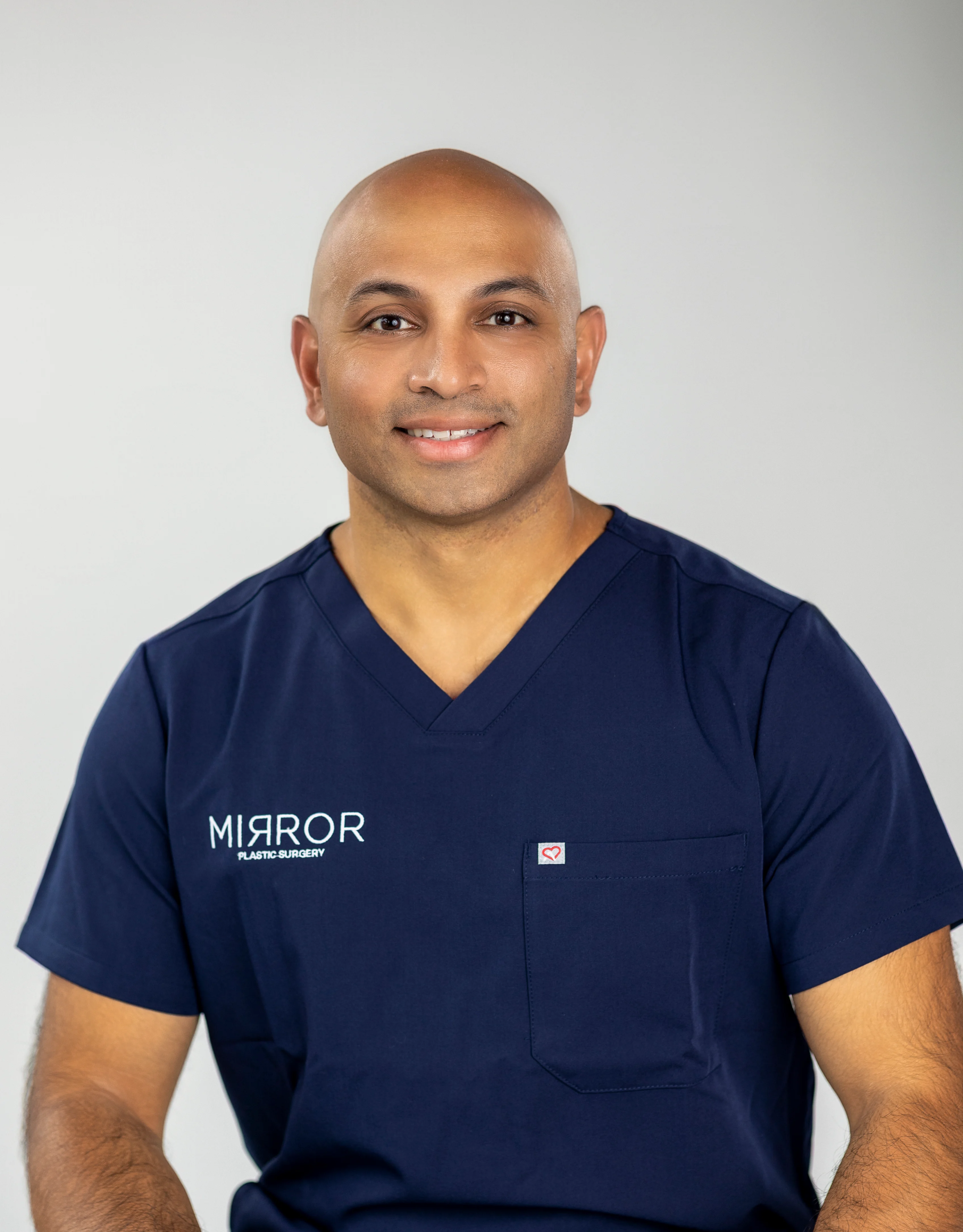
Patients work directly with Dr. Akash throughout treatment rather than navigating call centers or generic telehealth queues. Mirror Plastic Surgery serves patients in the St. Petersburg and Tampa Bay area in person and offers remote consultations across the United States, including Hawaii and Alaska. Whether you want skin rejuvenation with the Glow Stack (GHK-Cu, BPC-157, TB-500), support after surgery, or a broader anti-aging plan, recommendations align with your labs, physiology, and goals.
Book an appointment with Ellie to explore personalized peptide therapy for your skin and wellness goals. Call 727-361-6515 or email hello@mirrorplasticsurgery.com.
This article provides general information and does not replace medical advice. Results vary by individual. Peptide therapies discussed here are not FDA-regulated for cosmetic use. Always consult a qualified healthcare professional before starting any treatment.
1 Results may vary from person to person. Editorial content, before and after images, and patient testimonials do not constitute a guarantee of specific results.
Peptide therapy is intended for wellness and optimization purposes and is not prescribed to diagnose, treat, cure, or prevent disease unless specifically stated. Many peptides are not FDA-approved and may be used off-label. Some have limited long-term safety data, with a potential for unknown risks, complications, or desensitization with prolonged use.