

Written by: Dr. Akash Chandawarkar, Board Certified Plastic Surgeon, Mirror Plastic Surgery | Last updated: September 9, 2026
Key Takeaways For Your Peptide Consultation
- Preparation matters. Gather your medical history, current medications, weight-loss goals, and recent lab work so your consultation stays focused on your health.
- Use collaborative, respectful language with your doctor. The sample scripts below help you sound informed and engaged, not demanding.
- Ask clear questions about candidacy, side effects, monitoring, lab work, timelines, lifestyle changes, and whether the peptide is FDA-approved or compounded.
- If your current physician is unfamiliar with peptide protocols, seeking a specialist with metabolic training and peptide experience provides safer oversight.
- Consider scheduling a consultation with a qualified physician to receive personalized, physician-supervised peptide therapy tailored to your labs and goals.
Step 1: What To Prepare Before Your Appointment
Strong preparation gives you confidence and helps your doctor see the full picture quickly. Arriving with organized information shows that you are serious about your health and keeps the visit focused on decisions, not paperwork. Before you walk in, gather the following:
Your Consultation Prep Checklist
- Write down your specific health and weight goals, such as target weight loss, improved energy, better lab markers, or reduced cardiovascular risk.1
- List all current medications, over-the-counter drugs, and supplements, including dosages.
- Gather your medical history, including chronic conditions such as diabetes, thyroid disease, pancreatitis, or autoimmune conditions, which affect peptide candidacy.
- Document previous weight loss attempts, including diets, structured programs, and any medications tried, along with their outcomes.
- Check your insurance coverage for weight loss treatments.
- Note any relevant family history, especially medullary thyroid carcinoma or Multiple Endocrine Neoplasia syndrome type 2, which are contraindications for GLP-1 receptor agonists.
This preparation gives your physician the context needed for an informed assessment. Obesity is a complex chronic disease in which excess body fat causes inflammation and lasting metabolic changes that increase the risk of type 2 diabetes, heart disease, stroke, and numerous other serious conditions, and a thorough intake helps your doctor treat it as such.
Step 2: What To Say To Your Doctor
Your opening words shape the tone of the entire conversation. Clear, respectful language positions you as a partner in your care and invites your doctor into a thoughtful discussion about options.
Scenario A: If Your Doctor Is Open To New Treatments
“I have been struggling with my weight despite consistent efforts with diet and exercise. I have been researching peptide therapy options, including GLP-1s, and I would like to discuss whether this could be a safe and effective option for me. Can you help me understand if I am a candidate?”
Scenario B: If Your Doctor Seems Unfamiliar Or Hesitant
“I have been reading about newer generations of peptides for weight management that may have fewer side effects than some older options. I was hoping we could review the current research together and see whether a medically supervised approach could fit my health profile.”
Both scripts sound collaborative and respectful. They present your physician as a partner in your health journey. The American Medical Association adopted policy in 2026 encouraging the use of GLP-1 receptor agonists within comprehensive care plans that include behavioral and lifestyle interventions, so you are asking about a treatment with broad medical support.
Step 3: Questions To Ask During Your Visit
Specific questions help you understand your options and reveal how comfortable your doctor is with peptide therapy. Use this list as a guide during your consultation.
Key Questions For Your Consultation
- Am I a good candidate for peptide weight loss injections based on my medical history and BMI?
- What are the potential side effects, and how do you typically manage them?
- How will we monitor my progress, and what does follow-up care look like?
- What baseline lab work will you order before we begin?
- What is the expected timeline for seeing results?
- Are there specific lifestyle changes, especially around protein intake and resistance training, that I should make to preserve lean muscle mass?
- What type of peptide are you recommending, and is it FDA-approved or compounded?
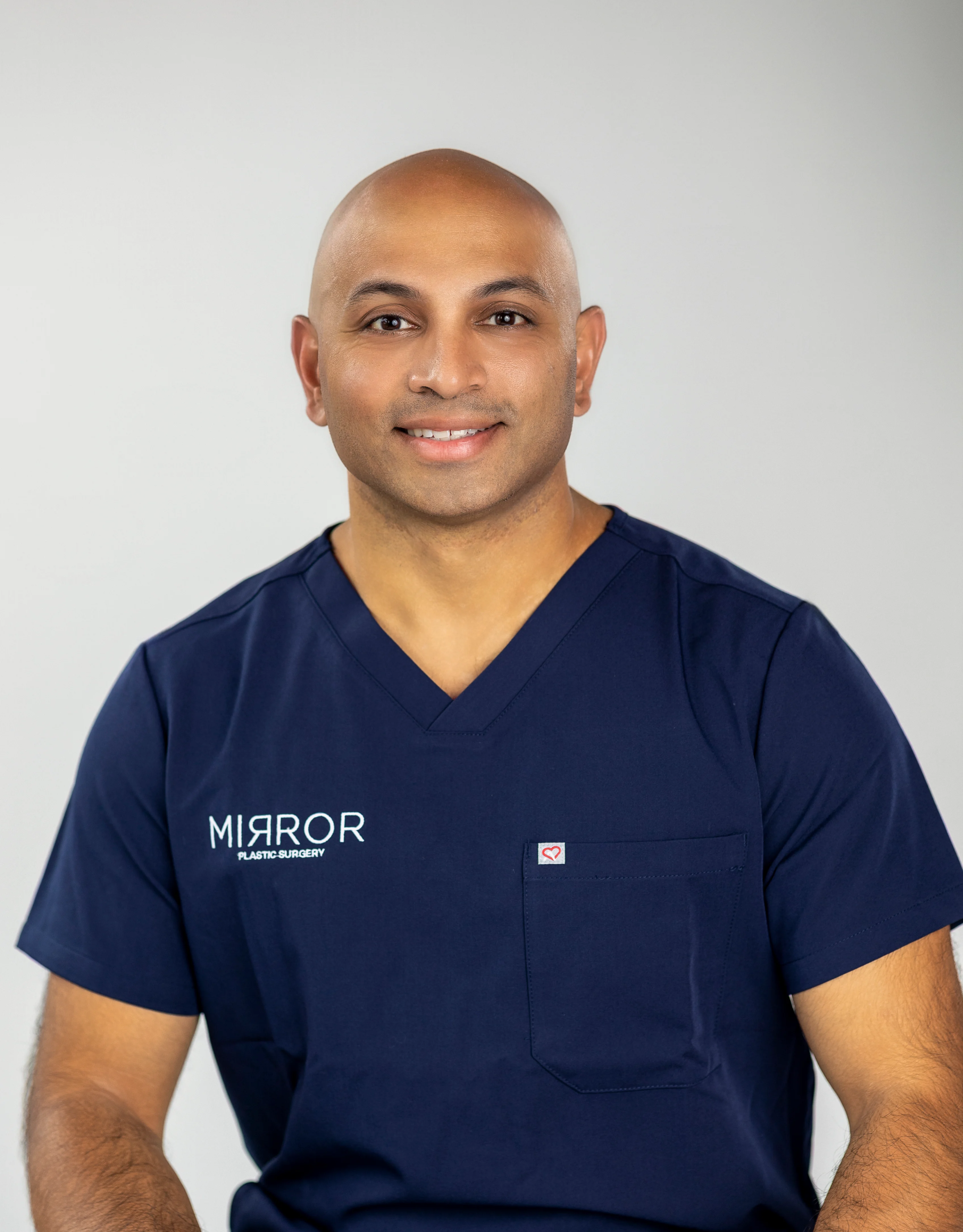
A physician offering concierge-level care, such as Dr. Akash Chandawarkar at Mirror Plastic Surgery, typically spends up to an hour reviewing these questions. That visit often includes a full review of your labs and physiology before any protocol is designed.
Step 4: When Your Doctor Is Not Familiar With Peptides
Many patients worry that their primary doctor will not know much about peptides. A primary care physician can legally prescribe compounded peptides, but most are not familiar with compounded peptide protocols and may decline or refer out. That response usually reflects training and comfort level, not a lack of concern for your care.
If your doctor is open to learning, you can use a collaborative framing: “I have read about the FDA’s warnings on unapproved compounded GLP-1s, which is why I want to make sure I am under proper medical supervision. Could you help me find a safe and reputable source, or refer me to someone who specializes in this area?”
If your doctor is unwilling to engage with the topic or is unfamiliar with current protocols, a second opinion makes sense. Practices that focus on medical weight management or aesthetic and wellness medicine often have more experience with these therapies and the monitoring they require. Common backgrounds for qualified peptide prescribers include functional medicine, anti-aging medicine, endocrinology, and sports medicine, and board-certified physicians with deep metabolic and physiological training, such as Dr. Chandawarkar, add another layer of clinical rigor.
Schedule your consultation with Ellie if you are ready to speak with a physician who stays current on peptide protocols and will design a program around your individual labs and health profile.
Step 5: Comparing GLP-1s And Other Peptides
Basic knowledge of the peptide landscape helps you ask sharper questions and understand your options. FDA-approved GLP-1 receptor agonists, such as semaglutide and tirzepatide, have completed rigorous multi-phase clinical trials. Tirzepatide, a dual GLP-1/GIP receptor agonist, has achieved mean weight reductions of 21.1% to 26% in clinical studies1, and the 2025 European Association for the Study of Obesity positioned semaglutide and tirzepatide as preferred first-line options for most adults with obesity.
Beyond FDA-approved options, compounded peptides and newer-generation formulations are available through qualified physicians. Mirror Plastic Surgery, for example, offers GLP-3R compounding, a newer-generation peptide similar to GLP-1. It is reported to carry fewer gastrointestinal side effects, be less likely to cause muscle wasting, and support broader indications such as insulin resistance and cardiovascular risk factors.1 For a deeper comparison of specific peptide options, see Mirror Plastic Surgery’s Weight Loss Peptide Injections: A Practical Comparison Guide.
Understanding the differences between FDA-approved and compounded options, single-receptor and dual-receptor agents, and first-generation and newer formulations prepares you for a more focused conversation with your physician. As you evaluate providers, keep in mind the safety red flags that separate responsible medical supervision from risky shortcuts.
Safety First: Red Flags And Medical Supervision
The main safety concern with peptide weight loss therapy involves how and where you obtain the medication. The greatest risk comes from unregulated sources without proper medical screening. Compounded GLP-1 medications are not reviewed by the FDA for safety, purity, or efficacy, and potential risks include dosing errors, contamination, fungal infections, and hospitalization.
Red Flags To Avoid
- Purchasing peptides online without a valid prescription from a licensed provider.
- Providers who do not order baseline lab work covering thyroid, liver, kidney, and diabetes markers before prescribing.
- Clinics that dispense peptides directly from the office rather than through a licensed compounding pharmacy, a practice that is restricted in many states and considered a yellow flag.
- No ongoing monitoring, follow-up plan, or documented clinical rationale.
- Inability to provide a Certificate of Analysis (COA) from an independent third-party laboratory for the compounded product.
Mirror Plastic Surgery’s approach avoids every red flag on this list. Every protocol is designed around each patient’s individual labs and physiology and is supervised throughout by Dr. Chandawarkar as a board-certified physician. Peptides are sourced from reputable providers with rigorous batch testing, and patients receive direct, ongoing access to Dr. Chandawarkar, including via text, for questions, adjustments, and refill requests. For a deeper look at what concierge-level peptide care looks like in practice, visit Mirror Plastic Surgery’s Concierge Weight Loss Peptides: A Patient’s Guide. To address common concerns you might still have, here are answers to frequently asked questions.
Frequently Asked Questions About Peptide Consultations
Can I Ask My Doctor For Peptides For Weight Loss?
You can always bring up peptide therapy with your physician. Peptide weight loss therapy now has substantial and growing medical consensus. Approach the conversation collaboratively, use the scripts outlined above, and arrive prepared with your medical history, current medications, and specific health goals. If your current physician is not familiar with advanced peptide protocols, that signals a need for a specialist rather than a reason to abandon medically supervised care.
What Type Of Doctor Prescribes Peptides?
Any licensed MD, DO, NP, or PA with prescriptive authority can legally prescribe compounded peptides, but not all have the same expertise. Physicians with backgrounds in endocrinology, obesity medicine, functional medicine, anti-aging medicine, or aesthetic and wellness practices tend to understand advanced peptide protocols and the lab monitoring they require. Board-certified physicians who also hold specialized training in metabolic health and physiology, such as Dr. Akash Chandawarkar at Mirror Plastic Surgery, can translate that training into safer, more personalized protocols.
Are Peptides Safe For Weight Loss?
Peptide safety depends on the source of the medication, the quality of medical supervision, and your individual health profile. FDA-approved GLP-1 receptor agonists have extensive clinical trial safety data, including the SELECT trial, which followed over 17,600 adults and demonstrated a 20% reduction in major adverse cardiovascular events.1 For compounded or non-FDA-approved peptides, as mentioned earlier, safety is directly tied to using a reputable provider who conducts thorough baseline lab analysis, sources from quality batch-tested suppliers, and monitors your response over time. Unsupervised use from online retailers, where there is no third-party quality testing, no dosing guidance, and no screening for contraindications, carries meaningful and avoidable risk.
What Are The Negatives Of Peptide Weight Loss Injections?
The most commonly reported negatives include gastrointestinal side effects such as nausea, diarrhea, and constipation, especially during the dose-escalation phase. These effects are typically mild to moderate and often resolve within the first eight to twelve weeks of consistent dosing.1 Other considerations include the need for self-injections and the cost of treatment, since most peptides are not covered by insurance. Additionally, lean muscle mass loss can occur if protein intake and resistance training are not actively managed. Finally, weight regain is a documented reality if therapy is discontinued without a sustainable lifestyle plan in place, and studies show that patients who stop GLP-1 therapy regain roughly two-thirds of their lost weight within a year1. A qualified physician can help you manage these factors through careful titration, nutritional guidance, and long-term maintenance planning.
Your Next Step To A Confident Consultation
Your next move can be simple and structured. Prepare your medical history and goals, use the scripts above to open the conversation, and ask questions that reveal whether your provider has the expertise to supervise your care. Remember that seeking a specialist is always a valid option if your current physician is not the right fit.
The safest and most effective peptide therapy never comes from generic, one-size-fits-all protocols sold online. It is a personalized program built around your labs, your physiology, and your long-term health goals, and it is designed and supervised by a qualified physician from start to finish. That is what Mirror Plastic Surgery offers under the leadership of Dr. Akash Chandawarkar: comprehensive consultations, in-depth lab analysis, custom peptide protocols, and ongoing concierge support, available in St. Petersburg and Tampa or remotely across the United States.
Schedule your consultation with Ellie to start your journey with a physician-led approach that keeps your safety, your physiology, and your goals at the center of every decision.
1 Results may vary from person to person. Editorial content, before and after images, and patient testimonials do not constitute a guarantee of specific results.
Peptide therapy is intended for wellness and optimization purposes and is not prescribed to diagnose, treat, cure, or prevent disease unless specifically stated. Many peptides are not FDA-approved and may be used off-label. Some have limited long-term safety data, with a potential for unknown risks, complications, or desensitization with prolonged use.


