
Written by: Ellie Pranckevicius, FNP-BC, Aesthetic Nurse Practitioner & Aesthetic Injector | Facial Restoration & Regenerative Injectable Specialist, Mirror Plastic Surgery
Key Takeaways
- Peptide therapies modulate the immune system by boosting regulatory T-cells and reducing pro-inflammatory cytokines like TNF-alpha and IL-6, which supports targeted relief for autoimmune conditions.
- BPC-157 excels in cytokine suppression, tissue repair, and gut barrier healing, with strong preclinical evidence for IBD, colitis, and systemic inflammation.
- Top peptides such as KPV, GHK-Cu, and Thymosin Alpha-1 address specific inflammation pathways, and combinations like the Glow Stack reduce markers by up to 60% in certain skin and joint conditions.
- Personalized protocols at supervised clinics avoid risks from unregulated sources, supporting quality control, appropriate dosing, and medical oversight for safety.
- For safe, tailored peptide therapy for autoimmune or inflammatory concerns, schedule a personalized peptide consultation with Ellie at Mirror Plastic Surgery.
How Peptides Calm Autoimmunity and Inflammation
Peptides work at the cellular level to restore immune balance rather than simply suppressing immune function. This targeted action explains why they can complement or, in some cases, reduce reliance on traditional medications.
1. Immune System Regulation: Thymosin Alpha-1 upregulates T-cell function and reduces pro-inflammatory cytokines including TNF-alpha, IL-1beta, and IL-6. This peptide helps rebalance immune responses without the broad suppression seen with steroids or biologics.
2. Cytokine Storm Suppression: BPC-157 reduces pro-inflammatory cytokines including IL-6, TNF-alpha, and interferon-gamma while decreasing COX-2 gene expression. This targeted approach addresses the inflammatory cascade at its source.
3. Tissue Healing and Barrier Repair: BPC-157 showed consistent gastroprotection in animal models of gut injury, with positive effects in IBD and colitis models. This mechanism is particularly valuable for autoimmune conditions that disrupt gut integrity.
4. Mitochondrial Support: NAD peptides target cellular mitochondria to improve energy production and reduce oxidative stress. This support helps maintain overall cellular function during inflammatory states. With these mechanisms in mind, the next sections focus on specific peptides that show the strongest potential for autoimmune and inflammatory conditions.
Top Peptides for Autoimmune and Inflammatory Conditions
Different peptides target specific aspects of autoimmune dysfunction and inflammation. Their unique mechanisms guide which peptide or combination fits a particular diagnosis or symptom pattern. The table below compares three of the most clinically relevant peptides, showing how their mechanisms align with specific conditions and the strength of evidence supporting their use.
|
Peptide |
Key Mechanism |
Primary Applications |
Evidence Level |
|
BPC-157 |
Cytokine reduction, tissue repair |
IBD, systemic inflammation, joint repair |
Strong preclinical, emerging human data |
|
KPV |
NF-kB inhibition, gut healing |
IBD, inflammatory bowel conditions |
Preclinical and early clinical use |
|
GHK-Cu |
Anti-inflammatory, collagen production |
Skin conditions, wound healing |
Established safety profile |
BPC-157 for Gut and Systemic Inflammation
BPC-157 promotes a shift from pro-inflammatory M1 macrophages to reparative M2 macrophages, which supports inflammation resolution and reduces scar tissue formation. A 2025 systematic review in the Orthopaedic Journal of Sports Medicine reported that 35 of 36 animal studies on BPC-157 showed strong potential for healing tendons, gut lining, nerves, and bone.
For autoimmune conditions that affect the digestive system, BPC-157 protocols often use oral dosing of 250–500 mcg per day in divided doses for 4–6 weeks. This approach focuses on gut and GI mucosal healing in inflammatory conditions such as IBD, Crohn’s disease, ulcerative colitis, and leaky gut.
Glow Stack Peptide Combination for Autoimmune Disease
The Glow Stack combines BPC-157, TB500, and GHK-Cu, which reduces inflammatory markers in tissue by up to 60 percent and significantly lowers levels of TNF-alpha, IL-6, and other pro-inflammatory cytokines. This comprehensive approach has shown particular success in patients with psoriasis and other inflammatory skin conditions, reducing the same pro-inflammatory cytokines described earlier.
Personalized Peptide Protocols and DIY Risks
Supervised peptide protocols provide structure and safety that the unregulated peptide market cannot match. Unsupervised self-administration for autoimmune conditions raises concerns about safety, product quality, and long-term health impact.
Quality control represents the primary concern with online peptide sources. Because peptide therapies for autoimmune conditions remain largely experimental and lack FDA approval for treating autoimmune disease, the regulatory vacuum creates serious risks. Compounding pharmacies and online vendors may operate with inconsistent oversight, which can lead to variable purity and dosing that compromise both safety and effectiveness.
Mirror Plastic Surgery addresses these risks through comprehensive lab analysis, batch-tested peptides from reputable suppliers, and ongoing medical supervision. Ellie Pranckevicius provides 24/7 text support and detailed protocols tailored to individual lab results and health profiles. This approach supports appropriate dosing, quality assurance, and close monitoring for potential interactions or adverse effects.
In a 2025 IV safety pilot study by Lee & Burgess, two healthy adults tolerated BPC-157 infusions up to 20 mg with no adverse effects on cardiac, hepatic, renal, thyroid, or metabolic biomarkers. This early data highlights how structured medical oversight can support safe peptide administration.
Mirror Plastic Surgery: Medically Guided Peptide Care
Ellie Pranckevicius, FNP-BC, brings a rare blend of aesthetic expertise and critical care experience to peptide therapy. Her four years in the Neuroscience ICU at Tampa General Hospital built a deep understanding of complex physiology and immune system dysfunction. That clinical foundation, combined with aesthetics training from Boston University, supports thoughtful use of peptides for both therapeutic and cosmetic goals.
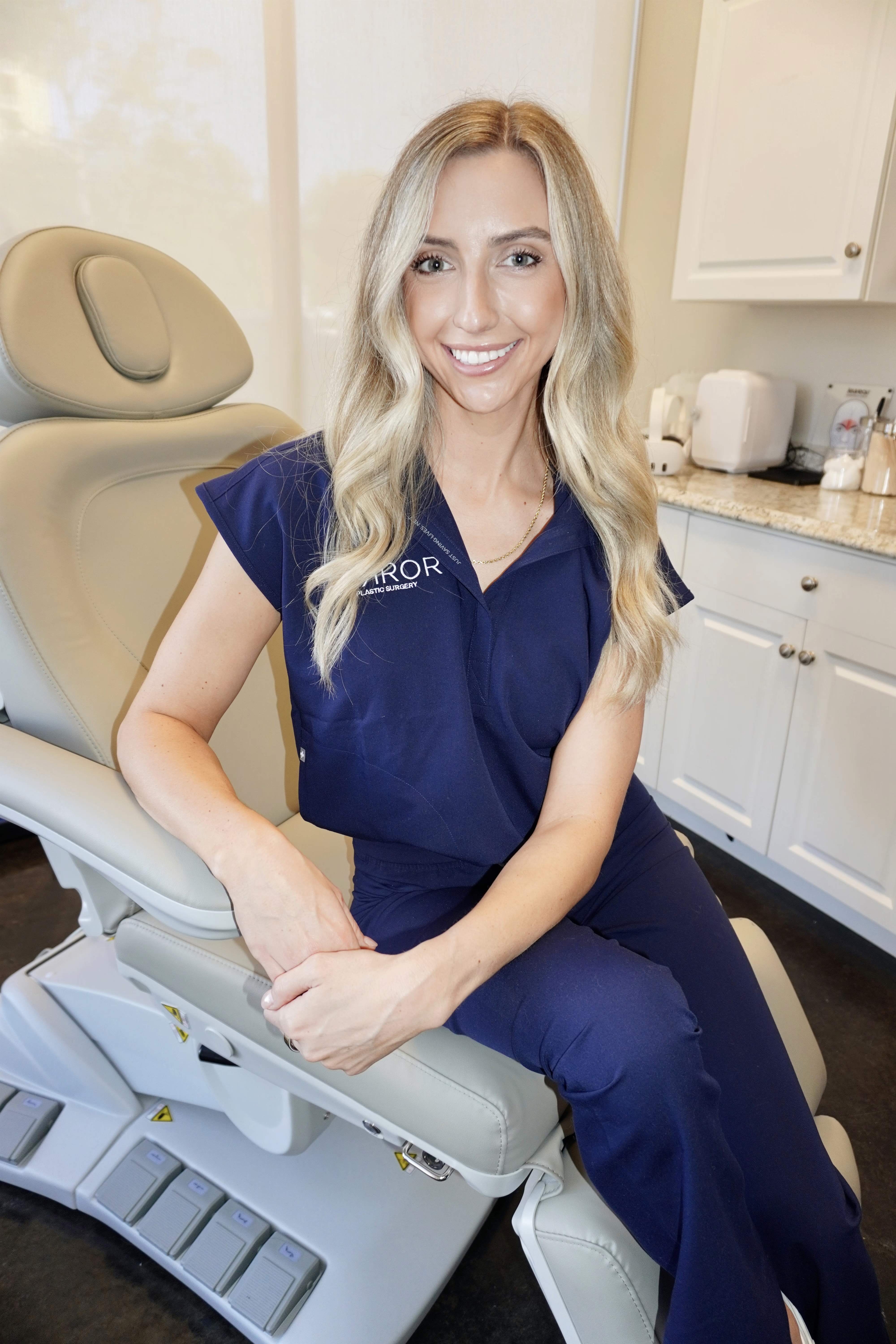
Mirror Plastic Surgery uses a concierge model that prioritizes personalized attention over volume. Each consultation can include comprehensive lab analysis when indicated, and protocols are tailored to inflammatory markers, hormone levels, and specific autoimmune conditions. Dr. Akash Chandawarkar provides additional medical oversight when cases require surgical input or advanced medical intervention.
Patient outcomes reflect the value of this individualized approach. Mirror Plastic Surgery has documented psoriasis reversal, meaningful improvements in inflammatory markers, and successful transitions from certain pharmaceutical medications to peptide-based protocols. Remote service delivery extends this care across the United States, and peptides ship directly to patients with clear reconstitution and administration instructions.
Schedule your personalized peptide evaluation to explore how Mirror Plastic Surgery’s supervised protocols can address your autoimmune or inflammatory concerns safely and effectively.
Peptides and Autoimmune Conditions: Common Questions
Do peptides work for inflammation?
Peptides like GHK-Cu and KPV inhibit NF-kB activation, achieving the significant inflammatory marker reductions discussed earlier in the Glow Stack section. Mirror Plastic Surgery patients have reported improvements in inflammatory conditions, including psoriasis reversal and reduced joint pain.
What is the best peptide for inflammation?
The most appropriate peptide for inflammation depends on the specific condition and individual health profile. BPC-157 often works well for gut-related inflammation and systemic inflammatory conditions, while the Glow Stack combination targets multiple pathways at once. A thorough evaluation helps determine the best fit.
Will BPC-157 help rheumatoid arthritis?
BPC-157’s anti-inflammatory properties and tissue repair mechanisms may support relief in autoimmune-mediated pain conditions such as rheumatoid arthritis. In these conditions, immune dysregulation drives inflammation and tissue damage, so careful medical supervision remains essential because individual responses can vary.
Are peptides safe for autoimmune conditions?
Peptides can be safe for autoimmune conditions when properly supervised and sourced from reputable pharmacies. Thymosin Alpha-1 causes only mild injection-site reactions. Pregnant or nursing women and individuals with severe immune suppression should avoid experimental peptides.
How long do peptide therapy results last?
Peptide therapy results vary by individual and condition. Some patients notice improvements within days to weeks, while others require longer protocols. Maintenance therapy often helps sustain benefits, similar to other chronic condition management strategies. Regular monitoring and protocol adjustments support long-term outcomes.
Mirror Plastic Surgery offers advanced peptide therapies for inflammation, autoimmune conditions, weight management, and anti-aging. Schedule a consultation to explore how tailored peptide protocols can support your goals. Start your peptide therapy journey today.
Contact Information:
Phone: 727-361-6515
Email: hello@mirrorplasticsurgery.com
Address: 780 4th Ave S, St. Petersburg, FL 33701
Instagram: @mirrorplasticsurgery
Disclaimer: Results may vary from person to person. Editorial content, before and after images, and patient testimonials do not constitute a guarantee of specific results.
Disclaimer: Peptide therapy is intended for wellness and optimization purposes and is not prescribed to diagnose, treat, cure, or prevent disease unless specifically stated. Many peptides are not FDA-approved and may be used off-label. Some have limited long-term safety data, with a potential for unknown risks, complications, or desensitization with prolonged use.