
Written by: Ellie Pranckevicius, FNP-BC, Aesthetic Nurse Practitioner & Aesthetic Injector | Facial Restoration & Regenerative Injectable Specialist, Mirror Plastic Surgery | Last updated: March 13, 2026
Key Takeaways
- Peptide therapy targets specific inflammatory pathways in autoimmune diseases like rheumatoid arthritis and reduces cytokines such as TNF-α and IL-6 while preserving immune function.
- Top peptides include BPC-157 for systemic and joint inflammation, KPV for gut issues, TB500 for tissue repair, and Thymosin Alpha-1 for immune modulation.
- Supervised therapy supports safety through personalized dosing, quality-controlled peptides, and monitoring, which minimizes risks like injection site irritation or contraindications.
- Mirror Plastic Surgery offers custom stacks like the Glow Stack and concierge care with expert Ellie Pranckevicius for focused autoimmune relief.
- Schedule a consultation at Mirror Plastic Surgery to begin your personalized peptide protocol.
How Peptide Therapy Calms Autoimmune Inflammation
Peptide therapy uses short chains of amino acids to influence specific inflammatory pathways involved in autoimmune conditions. Unlike broad immunosuppressants, peptides like BPC-157 reduce pro-inflammatory cytokines including TNF-α, IL-1β, and IL-6 and modulate the NF-κB pathway. KPV peptide activates melanocortin receptors and inhibits NF-κB pathway signaling, which supports targeted gut inflammation relief. These mechanisms allow precise intervention in autoimmune processes while preserving helpful immune function, unlike conventional treatments that suppress the entire immune system.
Top Peptides Used for Autoimmune Disease and Inflammation
The most effective peptides for autoimmune inflammation focus on the pathways and tissues most affected by each condition. Each peptide offers distinct mechanisms and applications that match different autoimmune presentations.
| Peptide | Autoimmune Application | Mechanism | Dosing Basics |
|---|---|---|---|
| BPC-157 | Systemic and joint inflammation | Cytokine reduction, NF-κB modulation | Consult provider for personalized dosing |
| TB500 | Tissue repair and inflammation | Anti-inflammatory cytokine support | Consult provider for personalized dosing |
| KPV | Gut inflammation and IBD | Melanocortin receptor activity, NF-κB inhibition | Consult provider for personalized dosing |
| Thymosin Alpha-1 | Immune modulation | Cytokine balance restoration | Consult provider for personalized dosing |
BPC-157 supports systemic inflammation relief by helping repair the gut lining, lowering inflammatory activity, and enhancing angiogenesis in animal models of polyarthritis. Thymosin Beta-4 (TB500) influences inflammatory responses by shifting cytokine balance and supporting anti-inflammatory cytokine production. KPV focuses on gut inflammation by reducing activation of NF-κB and MAPK pathways in intestinal cells.
Mirror Plastic Surgery’s signature Glow Stack combines GHK-CU, BPC-157, and TB500 to address systemic inflammation while promoting collagen production and tissue repair. This targeted stack supports the inflammatory component of autoimmune conditions and also encourages overall tissue health and regeneration.
Safety, Side Effects, and Risks of Peptide Therapy
Peptide therapy shows a favorable safety profile when used under medical supervision. Providers review full health history, order labs when needed, personalize dosing, and monitor progress over time. Most safety issues arise from unsupervised use or unregulated products rather than from medically guided therapy.
| Safety Aspect | Supervised Therapy | Unsupervised Risks | Mitigation Strategies |
|---|---|---|---|
| Product Quality | Batch-tested, pharmaceutical-grade | Unknown purity, contamination | Reputable supplier verification |
| Dosing | Personalized based on labs | Generic, potentially harmful doses | Individual assessment and monitoring |
| Contraindications | Comprehensive screening | No medical evaluation | Thorough health history review |
Common side effects include mild injection-site irritation or redness. Contraindications include pregnancy, breastfeeding, active cancer, uncontrolled diabetes, and significant autoimmune disorders without specialist oversight. Peptides can alter immune messaging and inflammatory responses, which may worsen autoimmune activity without proper supervision. Regular monitoring with CBC, liver and kidney function tests, and inflammatory markers every 8 to 12 weeks supports safe and effective treatment.
Custom Autoimmune Peptide Protocols at Mirror Plastic Surgery
Mirror Plastic Surgery uses a concierge model for peptide therapy that differs from generic online sources and high-volume clinics. Each patient receives a 30 to 60 minute consultation with Ellie Pranckevicius that includes detailed medical history review and laboratory analysis when indicated. Custom peptide stacks are then designed based on inflammatory markers, autoimmune severity, and personal treatment goals.
The practice follows strict quality assurance by sourcing peptides from reputable providers that perform rigorous batch testing. This process supports product purity and accurate dosing. Patients receive 24/7 text access to Ellie for ongoing support, clear reconstitution instructions, and video demonstrations for proper administration.
Patient testimonials describe meaningful improvements in autoimmune conditions, including psoriasis reversal and lower systemic inflammation markers. The concierge model allows real-time protocol adjustments based on patient feedback and updated laboratory results.
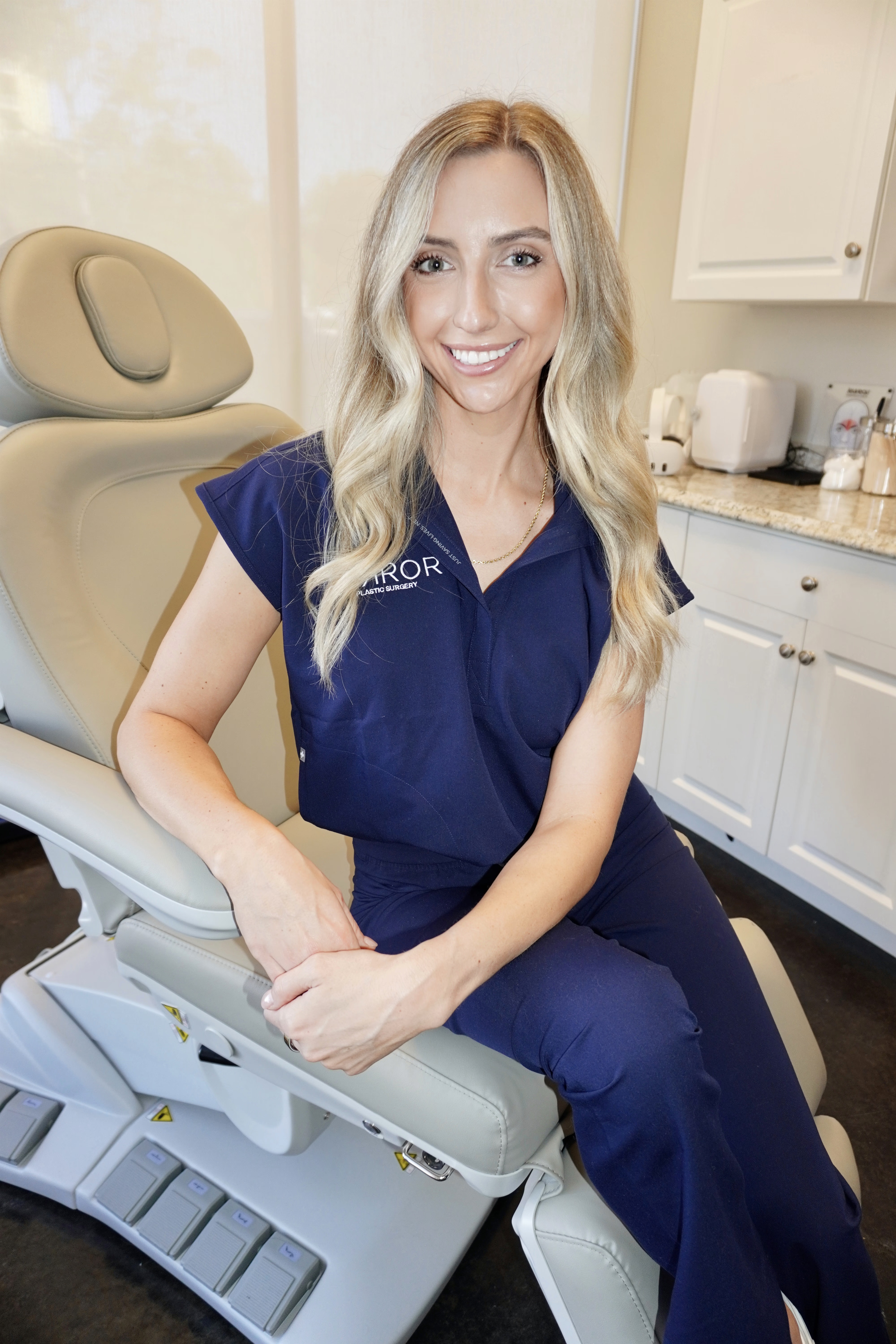
Meet Ellie Pranckevicius, FNP-BC, Your Peptide Specialist
Ellie Pranckevicius, FNP-BC, blends aesthetic expertise with advanced clinical medicine in her peptide therapy practice. She holds a Bachelor’s in Health Science from Boston University on the premedical track and both Bachelor’s and Master’s degrees in Nursing from the University of South Florida. Four years in the Neuroscience ICU at Tampa General Hospital gave her deep experience with complex physiology and metabolic health.
Ellie’s combination of esthetician training and nurse practitioner credentials helps her connect cosmetic goals with sound clinical science. Her approach centers on education and transparency so patients understand what they are taking and why each peptide fits their condition. This clear communication builds trust and supports better treatment outcomes.
Misconceptions About Peptides and When Supervision Matters Most
Several misconceptions about peptide therapy can lead to unsafe choices. Many people think peptides only support weight loss, yet they also address inflammation, autoimmune activity, tissue repair, and neurological health. Some expect instant results, while most protocols require consistent use over weeks or months for meaningful benefits.
The most serious misconception suggests that unsupervised peptide use is safe. Genetic differences, lifestyle, and individual autoimmune patterns strongly affect peptide response and safety. Professional supervision becomes crucial for complex autoimmune conditions that need careful monitoring and protocol adjustments. Mirror Plastic Surgery’s Tampa-based team provides local expertise and personalized care for safe, effective peptide therapy.
Frequently Asked Questions About Autoimmune Peptide Therapy
Are peptides safe for autoimmune conditions?
Peptides can be safe for autoimmune conditions when used under proper medical supervision. Comprehensive screening helps identify contraindications, and ongoing monitoring confirms that peptides do not worsen existing autoimmune activity. Peptides such as KPV and BPC-157 show promise for modulating autoimmune inflammation, although individual responses vary. Professional oversight guides peptide selection, dosing, and monitoring for each person’s autoimmune profile.
Which peptides are best for autoimmune disease?
The most suitable peptides for autoimmune disease depend on the specific diagnosis and target tissues. BPC-157 supports systemic and joint inflammation, especially in rheumatoid arthritis-like conditions. KPV focuses on gut inflammation and benefits inflammatory bowel disease. TB500 aids tissue repair and helps reduce inflammation. Mirror Plastic Surgery creates custom peptide stacks tailored to inflammatory patterns and autoimmune presentations using consultation findings and lab results.
What are the risks of peptide therapy?
The main risks of peptide therapy come from unsupervised use and poor-quality products. Potential issues include immune overstimulation, injection site reactions, hormonal shifts, and worsening of existing autoimmune conditions. Contaminated or incorrectly dosed peptides from unregulated sources pose additional danger. Under medical supervision with quality-assured products, risks stay low and usually involve only mild injection site irritation. Regular monitoring helps detect and address adverse effects early.
What is the FDA status of peptides?
Most peptides used for wellness and autoimmune support are not FDA-approved and are used off-label. Some peptides, such as sibeprenlimab, have received FDA approval for specific autoimmune conditions. Lack of FDA approval does not automatically make peptides unsafe, but it increases the importance of medical supervision and careful sourcing. Many peptides have over a decade of clinical research, and numerous studies show promising results in peer-reviewed journals.
What is Mirror Plastic Surgery’s process for peptide therapy?
Mirror Plastic Surgery begins peptide therapy with a 30 to 60 minute consultation with Ellie Pranckevicius that covers medical history and specific autoimmune concerns. Laboratory testing may be ordered to evaluate inflammatory markers, hormone levels, and organ function. Ellie then designs custom peptide protocols with clear dosing and administration instructions. Patients receive ongoing support through 24/7 text access, regular monitoring, and protocol adjustments when needed. All peptides come from reputable providers that perform batch testing for quality and purity.
Conclusion: Next Steps for Autoimmune Peptide Care
Peptide therapy for autoimmune inflammation offers a targeted and potentially safer alternative to broad immunosuppressive treatments. Success depends on medical supervision, quality-controlled products, and protocols tailored to each person’s autoimmune presentation. Mirror Plastic Surgery’s concierge model provides the expertise and ongoing support needed for safe, effective peptide therapy.
Patients seeking relief from autoimmune inflammation benefit from professional guidance that improves outcomes and reduces risk. Contact Mirror Plastic Surgery at 727-361-6515, email hello@mirrorplasticsurgery.com, or visit 780 4th Ave S, St. Petersburg, FL 33701. Follow @mirrorplasticsurgery on Instagram for additional insights and updates.
Disclaimer: Results may vary from person to person. Editorial content, before and after images, and patient testimonials do not constitute a guarantee of specific results.
Disclaimer: Peptide therapy is intended for wellness and optimization purposes and is not prescribed to diagnose, treat, cure, or prevent disease unless specifically stated. Many peptides are not FDA-approved and may be used off-label. Some have limited long-term safety data, with a potential for unknown risks, complications, or desensitization with prolonged use.