
Written by: Dr. Akash Chandawarkar, Board Certified Plastic Surgeon, Mirror Plastic Surgery
Written by Dr. Akash Chandawarkar, MD. Dr. Chandawarkar is board certified by the American Board of Plastic Surgery. He studied neuroscience and nuclear engineering at MIT and graduated with Honors from Harvard Medical School through the Harvard-MIT Division of Health Sciences and Technology. He completed a seven-year integrated plastic and reconstructive surgery residency at Johns Hopkins University and a Stanford Biodesign Innovation Fellowship. He leads peptide therapy at Mirror Plastic Surgery in St. Petersburg, Florida.
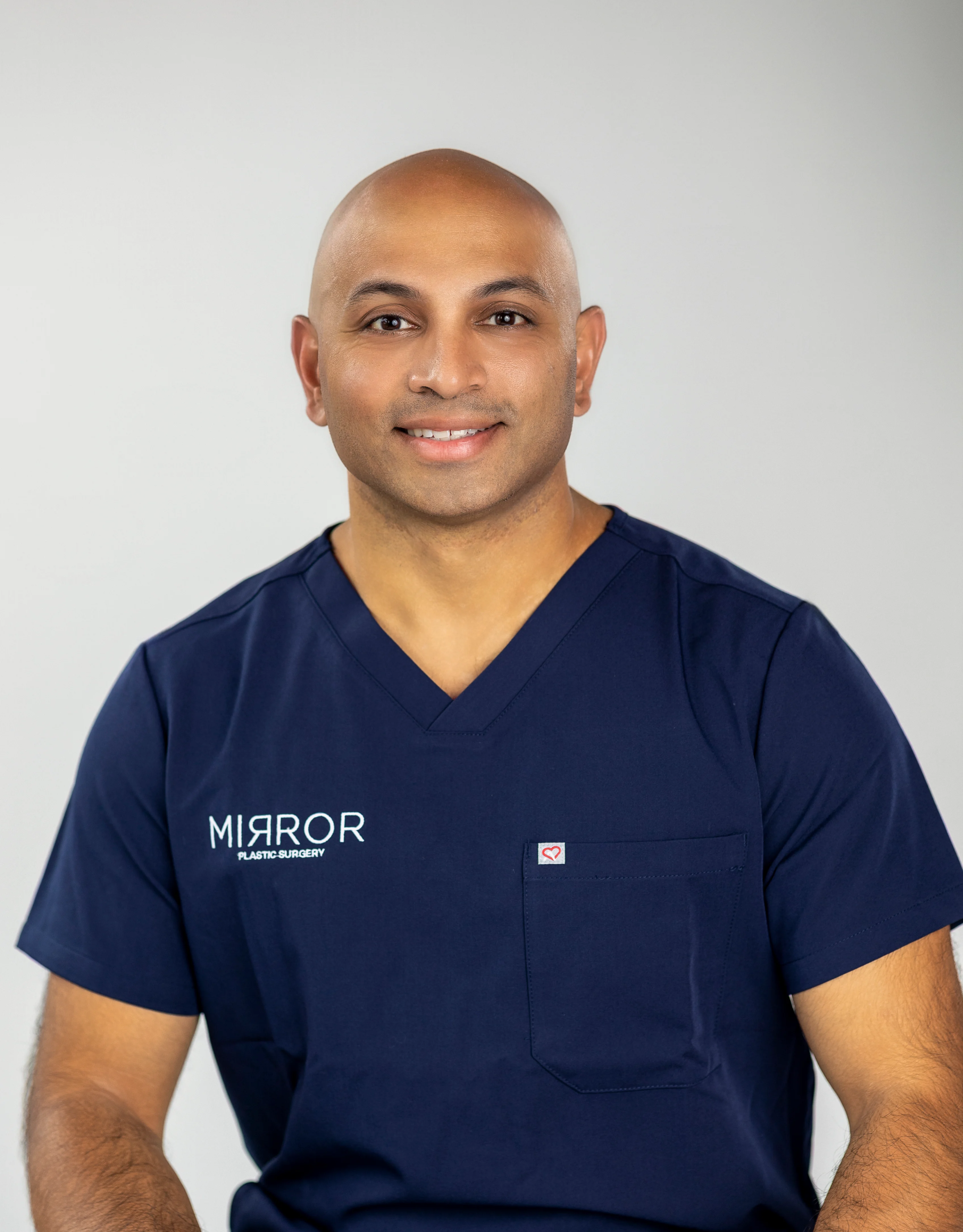
Medically reviewed by Dr. Akash Chandawarkar, MD, FACS. Last updated: September 2026.
Key Takeaways
- Nootropic peptides act through five identifiable mechanisms: receptor signaling, BDNF upregulation, inflammation reduction, neurotransmitter modulation, and cerebral blood flow enhancement. These mechanisms do not yet translate into proven cognitive benefit in healthy adults.1
- Human evidence is strongest for Cerebrolysin, which has the most trial data, and weakest for Dihexa (see below for details).
- No randomized, placebo-controlled trial has shown that any nootropic peptide improves focus, memory, or executive function in neurologically healthy adults.1
- Sourcing quality and medical supervision are decisive safety variables. Unregulated products frequently fail identity, purity, or dosing tests.
- Patients who want evidence-based peptide therapy can work with Mirror Plastic Surgery for supervised protocols grounded in the available data.
Schedule a Consultation at Mirror Plastic Surgery
How Nootropic Peptides Differ From Traditional Nootropics
Nootropic peptides are short chains of amino acids, typically two to fifteen residues, that act as signaling molecules in the brain and nervous system. Traditional nootropics such as racetams, caffeine, and adaptogenic herbs act through broader and less targeted pathways. Peptides instead interact with specific receptors, enzymes, or gene-expression cascades, which creates a focused pharmacologic effect.
Most nootropic peptides are not FDA-approved drugs. They sit in a regulatory space distinct from both conventional pharmaceuticals and dietary supplements. That status helps explain the current evidence gap. Large, placebo-controlled trials under FDA or EMA standards have not been funded for most of these compounds. Existing human data comes mainly from smaller Russian clinical programs that follow different regulatory frameworks.
Core Brain Mechanisms Behind Nootropic Peptides
Five mechanisms appear consistently in the nootropic peptide literature. Each has support in preclinical models. Whether these mechanisms translate into meaningful cognitive benefit in healthy humans is addressed later in this article.1
Targeted Receptor Signaling
Nootropic peptides bind to specific receptors in the nervous system and steer cellular behavior through defined molecular pathways. Semax, for example, shows affinity for melanocortin receptors MC4R and MC5R, which are G-protein coupled receptors in regions involved in attention, arousal, and neuroprotection. When Semax binds MC4R, it activates adenylate cyclase, raises intracellular cAMP, and activates Protein Kinase A. PKA then phosphorylates CREB and initiates transcription of downstream neurotrophin genes. This targeted action contrasts with the broad neurotransmitter flooding caused by stimulants such as amphetamines.
Growth Factor and BDNF Upregulation
Certain peptides increase proteins like Brain-Derived Neurotrophic Factor (BDNF), which supports neuron survival, synaptic plasticity, and memory formation. Semax increases BDNF and its receptor TrkB in the hippocampus and frontal cortex in animal models, raising BDNF expression 1.6 to 2 times above baseline within hours. Cerebrolysin contains peptide fragments that mimic BDNF and NGF signaling by binding tropomyosin receptor kinase (Trk) receptors, which supports its study in stroke and dementia. BDNF upregulation activates MAPK/ERK and PI3K/Akt signaling, which underlie synaptic plasticity, long-term potentiation, and memory formation.
Inflammation and Oxidative Stress Reduction
Chronic neuroinflammation and oxidative stress contribute to cognitive decline. Some nootropic peptides reduce pro-inflammatory cytokines such as IL-6 and TNF-alpha while increasing endogenous antioxidant capacity. Semax reduces microglial activation and TNF-α and IL-1β expression in ischemic brain tissue, which limits secondary neuronal death after stroke or injury. Selank appears to normalize IL-6 signaling, increasing IL-6 when suppressed and attenuating it during excessive inflammatory states.
Neurotransmitter Modulation
Peptides such as Selank influence calming and focusing pathways, including GABA and serotonin, without heavy sedation or dependency. Selank’s anxiolytic effect appears to come from indirect allosteric modulation of the GABAergic system rather than direct receptor agonism. Volkova et al. found that Selank altered expression of 45 neurotransmission genes at one hour in rat frontal cortex, with changes that correlated positively with those produced by GABA itself. Selank also inhibits enkephalin-degrading enzymes, which prolongs the activity of endogenous opioid peptides involved in stress and mood regulation. Semax increases dopamine and serotonin turnover in limbic regions and modulates dopaminergic transmission, although specific claims about dopamine D1 receptor upregulation remain inconsistent across sources.
Cerebral Blood Flow
Some peptides enhance cerebral circulation and improve delivery of oxygen and nutrients to active brain tissue. This mechanism matters most in ischemic conditions, where improved blood flow supports recovery. Cerebrolysin has been studied extensively in stroke recovery, vascular dementia, and Alzheimer’s disease, although its clinical benefit remains debated. The vascular mechanism appears more clearly in damaged tissue than in healthy brains.
These five mechanisms describe biological plausibility. They do not, by themselves, establish cognitive benefit in healthy adults.1 The gap between mechanistic plausibility and demonstrated clinical benefit is central to interpreting the rest of the evidence.
Named Nootropic Peptides and the Human Evidence
The table below shows why these peptides should not be treated as interchangeable. Human evidence ranges from multiple randomized trials for Cerebrolysin to no human data at all for Dihexa, and none is FDA-approved. Every data point is cited inline.
| Peptide | Human Evidence Level | FDA Status | Primary Mechanism |
|---|---|---|---|
| Cerebrolysin | Multiple RCTs; evidence rated low to very low by systematic review | Not FDA-approved | BDNF/NGF mimicry via Trk receptors |
| Semax | Small Russian trials; no Western RCTs | Not FDA-approved; compounding safety warnings | MC4R agonism; BDNF upregulation |
| Selank | Small Russian trials; no Western RCTs | Not FDA-approved; nominated but withdrawn | GABA-A modulation; enkephalin inhibition |
| Dihexa | Preclinical only; foundational paper retracted 2025 | Not FDA-approved; no human exposure data identified | HGF/c-Met pathway (mechanism compromised by retraction) |
| BPC-157 | Preclinical; no human cognitive data | Not FDA-approved; compounding safety warnings | Tissue repair; NO modulation |
The following sections explain what this evidence means for each peptide.
Semax
Semax is approved in Russia for ischemic stroke and cognitive disorders, with human studies conducted primarily in Russian populations. The FDA’s compounding safety page notes that compounded drugs containing Semax “may pose risk for immunogenicity” and that the agency “has no, or limited, safety-related information” for proposed routes of administration. ClinicalTrials.gov lists no registered Semax studies. In July 2026, the FDA’s Pharmacy Compounding Advisory Committee voted to recommend Semax and BPC-157 for the 503A Bulks List, but FDA scientists recommended against inclusion and the recommendation remains non-binding until formal rulemaking.
Selank
Selank is approved in Russia as an anxiolytic. Human trials are small, conducted by the molecule’s developers, and published almost exclusively in Russian journals. The FDA placed Selank in the “nominated but withdrawn” category, which means its nomination was removed and it has no lawful compounding pathway in the United States. Selank was not among the seven peptides reviewed at the July 2026 PCAC meeting and was not on the 503A Bulks List at the time of this article.
Cerebrolysin
Cerebrolysin has the most extensive human trial data of any nootropic peptide, with studies in stroke, vascular dementia, and Alzheimer’s disease. A systematic review rated the overall evidence low to very low. The 2019 Cochrane review of Cerebrolysin for vascular dementia concluded that “if there are benefits, the effects may be too small to be clinically meaningful” and that Cerebrolysin “continues to be used and promoted as a treatment for vascular dementia, but the supporting evidence is weak.” Cerebrolysin is not FDA-approved in the United States.
Dihexa
Dihexa’s foundational mechanism paper was retracted in April 2025 due to image manipulation, and the company founded to commercialize Dihexa-related compounds paid a $4.07 million settlement to resolve data falsification allegations. The FDA has not identified human exposure data for Dihexa, and no human trials have been published. Dihexa remains entirely preclinical, and the evidentiary foundation for its primary mechanism is compromised.
BPC-157
BPC-157 is studied primarily for tissue repair rather than cognition. The FDA has issued compounding safety warnings for BPC-157. Human cognitive data does not exist for BPC-157. The July 2026 PCAC vote to recommend BPC-157 for the 503A Bulks List remains non-binding until the FDA completes formal rulemaking.
Ask Dr. Akash Whether a Peptide Protocol Fits Your Goals
Mechanism vs. Clinical Benefit in Healthy Adults
A peptide can upregulate BDNF in a rat hippocampus yet fail to produce measurable cognitive improvement in a healthy human. The blood-brain barrier, dosing pharmacokinetics, species differences, and the gap between biomarker changes and functional outcomes all influence that translation. As of August 2026, no randomized, placebo-controlled trial has tested whether Semax, Selank, or any other peptide sold as a nootropic improves focus, attention, reaction time, or working memory in a healthy adult.1
Most human trials of nootropic peptides enrolled patients with stroke, dementia, or traumatic brain injury. These populations differ significantly from healthy adults seeking a cognitive edge. A compound that helps damaged tissue recover has not been shown to improve normal function. A 2024 meta-analysis found that among 47 peptide compounds marketed for cognitive enhancement, fewer than 8 had published human clinical data showing measurable improvements in memory consolidation or executive function, and none of those 8 were tested in neurologically healthy adults.1 Mechanistic plausibility does not establish clinical benefit.
Daily Nootropic Peptide Use and Safety
No long-term safety data exists for daily nootropic peptide use in healthy adults. Most human studies lasted days to weeks rather than months or years. Tolerance, cumulative effects, and interactions with medications remain poorly characterized. Supervised use with regular monitoring offers more safety than unsupervised self-administration, but supervised use still does not equal proven long-term safety.
Across Semax, Selank, and Dihexa, similar limitations appear. Human studies are small and often regional, adverse-event reporting is inconsistent, long-term or high-dose safety data is scarce, and research-grade material is unregulated, so vial contents are not guaranteed. For most nootropic peptides, published human evidence covers weeks to a few months at most. Trials extending beyond one year do not exist in peer-reviewed literature for most compounds in this category. Tolerance has not been systematically studied, and the absence of reported harm in short trials does not create a robust safety record.
Main Downsides and Risks of Nootropic Peptides
The primary downsides of nootropic peptides include sourcing risk, dosing errors, interactions with existing medications, and the lack of long-term safety data. Unregulated online vendors may sell contaminated, mislabeled, or underdosed products. Without medical supervision, patients cannot reliably verify what they are injecting or whether it suits their health profile.
Finnrick, a peptide testing laboratory in Texas, found that about a third of the thousands of peptide products it analyzed failed basic quality checks. Failures fell into three categories: identity (the substance did not match the label), purity (below the 98% threshold), and quantity (the vial contained more or less than the stated dose). The FDA has issued warning letters to peptide vendors, noting that “research use only” labeling does not exempt products from drug regulations when they are intended for human use. Health Canada warns that unauthorized peptide drugs may contain too much, too little, or none of the active ingredient. They may also be contaminated with solvents, heavy metals, particles, or microbials including bacteria, fungi, and endotoxins. Batch testing from a reputable supplier, reviewed by a physician, forms the minimum standard for reducing sourcing risk.
What Medically Supervised Nootropic Peptide Therapy Looks Like
Patients who choose to pursue nootropic peptides responsibly can work with Mirror Plastic Surgery for a medically supervised, evidence-based approach under the direct care of Dr. Akash Chandawarkar, MD. Dr. Chandawarkar is board certified by the American Board of Plastic Surgery. He studied neuroscience at MIT and graduated with Honors from Harvard Medical School through the Harvard-MIT Division of Health Sciences and Technology. He completed a seven-year integrated plastic and reconstructive surgery residency at Johns Hopkins University and holds a Stanford Biodesign Innovation Fellowship. His background connects advanced clinical medicine with a deep understanding of the neuroscience behind peptide mechanisms.
Every peptide protocol at Mirror Plastic Surgery begins with a 30–60 minute consultation. Dr. Akash reviews the patient’s complete medical history, current medications, and specific health goals. When indicated, especially for weight management, inflammatory conditions, or hormonal concerns, he orders or reviews lab panels that can include thyroid, liver, kidney, diabetes markers, and hormone panels. Custom peptide protocols are built around each client’s labs and physiology rather than a one-size-fits-all template.
Because sourcing is a decisive safety variable, peptides at Mirror Plastic Surgery come from reputable suppliers with rigorous batch testing that verifies identity, purity, and accurate dosage. Gray-market vendors often omit these quality controls. That oversight continues after the prescription. Patients receive direct 24/7 text access to Dr. Akash for dosing questions, reconstitution guidance, and refills. Care is available in person at the Tampa/St. Petersburg area practice and remotely across the United States, including Hawaii and Alaska.
Selank is among the peptides offered for anxiety and mood-related concerns, and the practice uses it within the context of its anxiolytic profile. For energy and vitality goals, NAD and growth hormone releasing peptides such as Sermorelin and Ipamorelin form part of the practice’s protocols. Each protocol reflects what the evidence supports for the individual patient’s condition and goals rather than what is trending on podcasts or forums.
Start With Labs and a Medical History Review
Realistic Expectations and Timeline for Results
Responses to nootropic peptides vary by peptide, individual physiology, and baseline health status. Some clients report early changes within hours to the first week, especially for peptides with acute receptor-level effects.1 Cognitive effects tend to be subtler and slower. Peptides for brain fog and memory may require weeks of consistent use before any subjective change appears, and placebo effects are strong in this category.1
No pharmacokinetic study indexed in English has measured the onset, peak, or duration of any cognitive effect of Semax in humans. Community reports of rapid onset come from people who knew what they had taken, so these reports describe expectation rather than objective drug measurements. Honest expectations, set during a supervised consultation, form the foundation of any responsible peptide protocol.
Frequently Asked Questions
What Peptide Is Best for Brain Repair?
No peptide is FDA-approved for brain repair in the United States. Cerebrolysin has the most human trial data of any nootropic peptide, with studies in stroke, vascular dementia, and Alzheimer’s disease, though that evidence is rated low to very low quality and may not translate into meaningful benefit. Semax has a longer history of clinical use in Russia for ischemic stroke and cognitive disorders, but its human evidence base consists of small, non-randomized Russian trials that lack independent Western replication. Anyone with a neurological concern such as stroke recovery, traumatic brain injury, or cognitive decline should start with evaluation by a qualified physician. That physician can assess whether any peptide is appropriate, order relevant labs, and monitor outcomes over time.
Can You Overdo Nootropics?
Overuse of nootropic peptides creates avoidable risk. Dosing errors, stacking multiple peptides simultaneously, and exceeding studied dose ranges all increase risk without proven benefit. Higher doses do not reliably produce better outcomes. Because most peptides act through gene expression and receptor signaling cascades, excessive doses can cause overstimulation, sleep disruption, mood changes, and potentially unknown long-term effects on neurotrophin regulation.
The absence of a withdrawal syndrome in short-term studies does not establish the safety of chronic high-dose use. Combining multiple peptides that modulate overlapping neurotrophic pathways, such as Cerebrolysin and Semax together, increases the theoretical risk of receptor overstimulation and BDNF pathway dysregulation. Medical supervision with defined dosing protocols and regular check-ins provides the appropriate framework for anyone using nootropic peptides.
Are Nootropic Peptides FDA Approved?
Nootropic peptides discussed here are not FDA-approved for any indication in the United States. Semax, Selank, BPC-157, and Dihexa remain unapproved. Cerebrolysin is approved in more than 40 countries, primarily in Eastern Europe, Russia, China, and parts of Asia, for stroke, vascular dementia, and traumatic brain injury. It has never completed a Phase III pivotal trial in the U.S. regulatory pathway and is not listed on DailyMed.
The July 2026 Pharmacy Compounding Advisory Committee recommendation for several peptides, including Semax and BPC-157, remains non-binding, and formal notice-and-comment rulemaking must occur before compounding pharmacies could legally produce them. “Approved in Russia” or “approved in 40 countries” does not translate into FDA approval and carries no regulatory weight in U.S. compounding decisions.
Required Disclaimers
This content is informational and does not constitute medical advice. Results vary between individuals. Many peptides discussed in this article are not FDA-regulated and have limited long-term safety data in humans. Consult a qualified healthcare provider before starting any peptide therapy. Nothing in this article should be interpreted as a recommendation to self-administer any compound.
Conclusion
Nootropic peptides operate through real, identifiable brain mechanisms. The biology of BDNF upregulation, receptor signaling, and neuroinflammation reduction has support in preclinical and limited clinical research. The current marketing landscape often overstates the leap from those mechanisms to demonstrated cognitive enhancement in healthy adults. Controlled trials have not yet validated that leap for any nootropic peptide.
Cerebrolysin has the most human data, though that evidence is rated low to very low (see above). Semax and Selank have small Russian trials in clinical populations, no Western replication, and active FDA regulatory scrutiny. Dihexa has a retracted foundational paper and no human data. BPC-157 has no cognitive human data. Sourcing from unverified vendors introduces contamination, mislabeling, and dosing risks that sit on top of any pharmacologic concerns.
Mirror Plastic Surgery serves readers who have explored this research and want peptide therapy with oversight that makes treatment safer and more accountable. Dr. Akash Chandawarkar brings a neuroscience background, Harvard and Johns Hopkins clinical training, and a Stanford innovation fellowship to every peptide consultation. The process starts with labs, a thorough medical history, and an honest conversation about what the evidence supports for your specific situation, with protocols built around data rather than hype.
Discuss Your Goals With Dr. Akash
1 Results may vary from person to person. Editorial content, before and after images, and patient testimonials do not constitute a guarantee of specific results.
Peptide therapy is intended for wellness and optimization purposes and is not prescribed to diagnose, treat, cure, or prevent disease unless specifically stated. Many peptides are not FDA-approved and may be used off-label. Some have limited long-term safety data, with a potential for unknown risks, complications, or desensitization with prolonged use.