

Last updated: February 1, 2026
Key Takeaways
- Peptides like BPC-157, GHK-Cu, and TB-500 target inflammation, healing, anti-aging, and cellular energy more precisely than many traditional drugs.
- Popular stacks such as the Glow Stack and Wolverine Stack combine specific peptides to support tissue repair, collagen production, and systemic recovery.
- Benefits can include faster recovery, easier weight management with muscle preservation, steadier mood, and stronger mitochondrial energy, with results appearing from days to months.
- Safe use requires medical supervision, verified sourcing, correct reconstitution, sterile injections, and ongoing monitoring to avoid risks from unregulated products.
- Partner with Mirror Plastic Surgery’s expert, Stephanie DeSimone, for personalized, lab-tailored peptide protocols: book your consultation today.
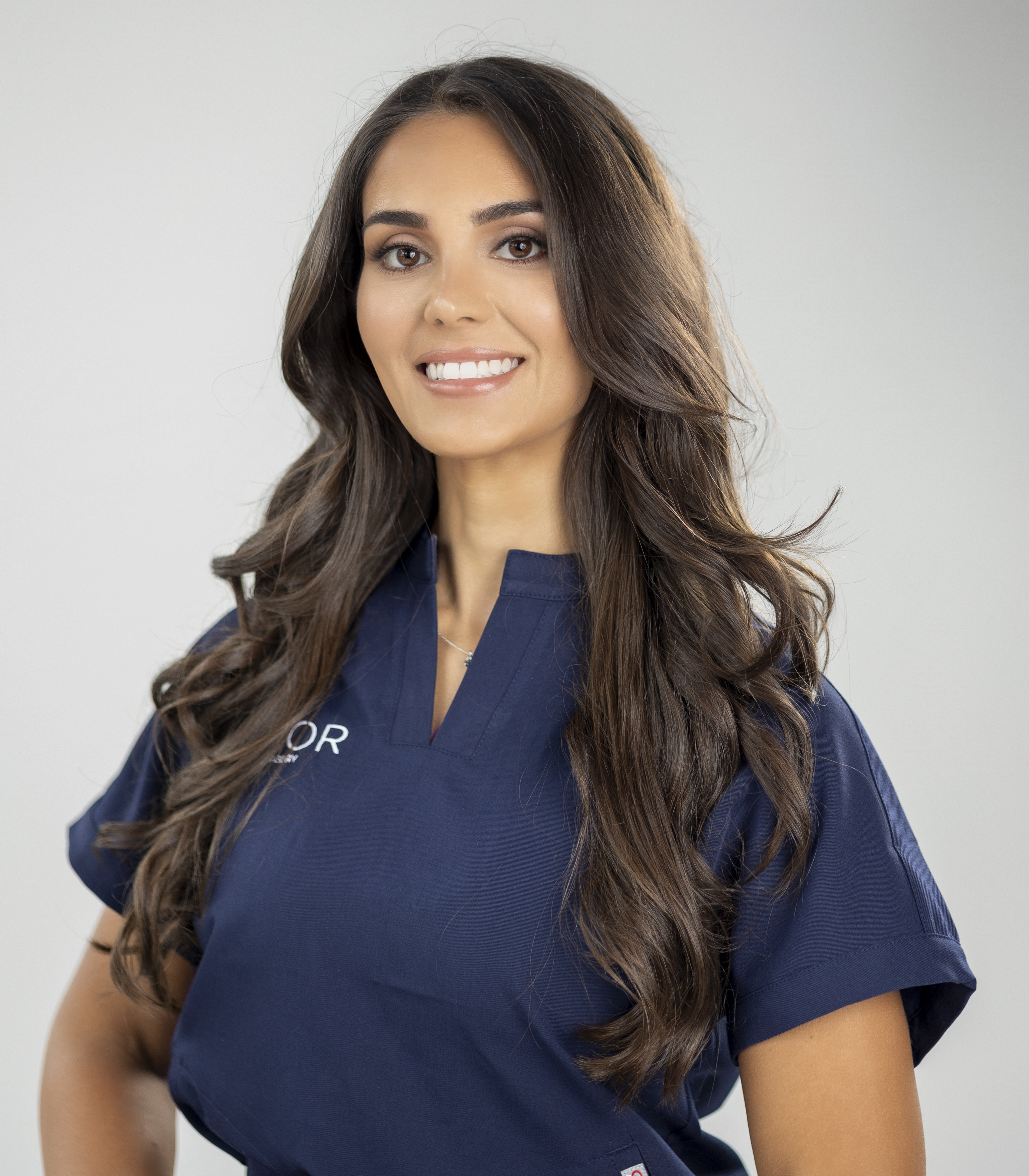
Meet Stephanie DeSimone, PA-C: Precision-Guided Peptide Care
Stephanie DeSimone, PA-C, blends mathematical precision with deep anatomical training to create highly tailored peptide plans. Her mathematics background supports careful analysis of complex peptide interactions and dosing strategies. Surgical anatomy training and personal bodybuilding experience give her a clear understanding of body composition, performance, and metabolic health. Stephanie follows a “less is more” philosophy that prioritizes cellular balance, internal wellness, and natural-looking external results. Her work is supported by Dr. Akash Chandawarkar, a Harvard-educated, Johns Hopkins-trained plastic surgeon with fellowship training from Manhattan Eye, Ear & Throat Hospital.
Core Peptides Used in Biohacking at Mirror Plastic Surgery
Peptide biohacking at Mirror Plastic Surgery focuses on specific amino acid sequences that direct cellular functions toward clear health goals. GHK-Cu supports collagen and elastin production, skin quality, hair health, and visible anti-aging effects. BPC-157 and TB-500 promote tissue repair, reduce inflammation, and support recovery after injuries or surgery. GLP-3R targets weight management while helping preserve muscle and reducing gastrointestinal side effects compared with older GLP-1 medications.
NAD supports mitochondrial function, which drives cellular energy and influences aging and recovery. KPV focuses on gut inflammation and intestinal health. Sermorelin and Ipamorelin support growth hormone release, which can influence body composition, recovery, and sleep quality. Selank offers anxiety relief and mood support without the dependency risks linked to benzodiazepines or many SSRIs.
Peptide stacks combine several of these compounds for coordinated effects. The Glow Stack, which includes GHK-Cu, BPC-157, and TB-500, targets systemic inflammation while supporting collagen production and tissue regeneration. Preclinical data suggest this combination can enhance cell migration, new blood vessel formation, and extracellular matrix remodeling for more complete tissue repair.
Most protocols use subcutaneous injections with reconstituted peptides. Safe use requires correct reconstitution with bacteriostatic water, precise dosing, and sterile injection technique. Many of these peptides act on mitochondrial pathways, which influence energy production, recovery speed, and aging processes. Book an appointment with Stephanie for one-on-one guidance on preparation and administration.
Realistic Benefits and Timelines for Peptide Therapy
Peptides can support recovery, performance, and longevity when matched to the right goals and health profile. BPC-157 and TB-500 often play a central role in recovery and healing protocols. These peptides can accelerate tissue repair, calm inflammation, and support faster recovery after injuries or surgical procedures. The 2026 Wolverine Stack report describes how combining BPC-157 with TB-500 may enhance healing, tissue regeneration, and circulation in preclinical models.
Anti-aging and longevity protocols often center on GHK-Cu. This peptide supports collagen and elastin production, which can improve skin firmness, texture, and overall tissue quality. Patients frequently use it for visible skin rejuvenation and hair support while also targeting deeper cellular renewal.
Weight management protocols may include GLP-3R to support fat loss while preserving lean muscle. Newer GLP-3R formulations can provide weight reduction with fewer gastrointestinal side effects than many traditional GLP-1 medications. Neurological support often involves Selank, which can ease anxiety and stabilize mood without the dependency concerns seen with benzodiazepines or some antidepressants. NAD supports mitochondrial energy production, which can translate into improved stamina, mental clarity, and cellular resilience.
Timelines vary by peptide, dose, and individual biology. Some patients notice early changes within hours to days, especially in inflammation, pain levels, or energy. More durable benefits, such as body composition changes, skin quality, or deeper recovery, usually build over several weeks to months of consistent use. Book an appointment with Stephanie to receive a realistic timeline based on your labs, medications, and goals.
How Mirror Plastic Surgery Structures Your Peptide Journey
|
Step |
Description |
Mirror Advantage |
|
1. Consultation/Labs |
Comprehensive health history review and targeted laboratory analysis |
Stephanie’s 30–60 minute deep-dive consultation |
|
2. Custom Stack Selection |
Selection of specific peptides or stacks, such as the Glow Stack for inflammation and tissue repair |
Lab-tailored protocols instead of generic, one-size-fits-all plans |
|
3. Quality Sourcing |
Peptides obtained from rigorously batch-tested, verified suppliers |
Mirror’s vetted partners reduce the risks associated with random online products |
|
4. Administration Training |
Hands-on education in reconstitution, dosing, and injection technique |
Clear video demonstrations and ongoing support for safe self-administration |
|
5. Monitoring |
Regular progress checks and protocol adjustments based on response and labs |
24/7 text access and telemedicine follow-up for questions and fine-tuning |
|
6. Lifestyle Integration |
Alignment of diet, exercise, sleep, and recovery with your peptide plan |
A holistic strategy that helps translate peptide use into real-world results |
Patients should understand expected timelines, safe combinations, and realistic limitations before starting therapy. NAD+ requires particular caution when used with antidiabetic medications because of possible interactions. Many patients also need maintenance protocols after initial treatment to preserve benefits. Newer GLP-3R formulations may help protect muscle mass more effectively during weight loss phases.
Safety, Risks, and the Role of Medical Supervision
The peptide marketplace remains largely unregulated, which creates real safety concerns for patients. Many commonly used peptides are not FDA-approved, and online vendors may offer products without reliable quality control or dosing guidance. Mirror Plastic Surgery reduces these risks through comprehensive health assessments, verified sourcing, and continuous medical oversight.
Peptides extend far beyond simple weight loss aids and can influence recovery, mood, gut health, and longevity. Patients coming off SSRIs or recovering from surgery often need carefully adjusted protocols that account for drug interactions and healing timelines. Current research acknowledges that injectable peptide therapy lacks sufficient clinical evidence for definitive safety and efficacy recommendations in many applications.
Specific safety concerns include NAD+ interactions with diabetes medications, blood pressure drugs, and other metabolic therapies. Patients with uncontrolled hypertension, severe liver or kidney disease, or those taking metabolism-altering medications should avoid or approach NAD+ with extreme caution.
Frequently Asked Questions
Are peptides FDA-approved for biohacking?
Many peptides used in biohacking are not FDA-regulated, although researchers have studied them in clinical trials for more than a decade. The FDA’s primary concerns remain theoretical and focus on possible immune reactions and impurities rather than frequent, severe, documented adverse events. Mirror Plastic Surgery uses these compounds off-label under medical supervision and sources them from providers that perform rigorous batch testing for quality and purity.
How long does it take to see results from peptide therapy?
Timelines vary based on the peptide, your physiology, and your goals. Some patients notice early improvements within the first week, especially in inflammation, pain, or energy. More stable benefits usually appear over several weeks to months when patients follow consistent protocols and lifestyle guidance.
What are the risks of using peptides without medical supervision?
Unsupervised use increases the risk of contaminated products, incorrect dosing, drug interactions, and missed warning signs of side effects. Many online vendors sell products without third-party testing, which can contain inactive fillers or harmful contaminants. Mirror Plastic Surgery’s supervised approach includes medical screening, vetted sourcing, and structured monitoring to support safer use.
What happens if I stop taking peptides?
Benefits usually fade after therapy stops, similar to stopping a supplement or exercise program. The rate of change depends on the peptide and your health status. Many patients transition to lower-dose maintenance protocols to preserve long-term results while reducing overall exposure.
Why do peptide results vary between individuals?
Genetics, baseline health, lifestyle, medications, and adherence all influence peptide response. Two patients using the same protocol can experience different timelines and outcomes. Personalized treatment plans based on detailed assessments and labs provide a more reliable path than generic, pre-set stacks.
How do peptides compare to medications like Ozempic for weight loss?
Newer peptide options such as GLP-3R may support weight loss with fewer gastrointestinal side effects and better muscle preservation than many traditional GLP-1 medications. The choice between these therapies should always involve medical guidance that considers your health history, current medications, and long-term goals.
Why Patients Choose Mirror Plastic Surgery for Peptide Therapy
Mirror Plastic Surgery offers a concierge-style experience that differs from high-volume clinics and anonymous online vendors. Patients receive in-depth consultations with Stephanie DeSimone, direct communication through text and telemedicine, and coordination with surgical services when appropriate. The practice serves patients across the United States, with a strong focus on Florida, including St. Petersburg and Tampa.
Quality assurance includes verified batch testing, correct storage, careful handling, and detailed training for at-home administration. Stephanie’s peptide expertise, combined with Dr. Akash’s surgical background, creates a level of oversight that typical wellness centers and online retailers cannot match.
Next Steps: Start Your Peptide Journey with Confidence
Peptide therapy can support your body’s natural healing, recovery, and performance when used thoughtfully and safely. Patients often pursue peptides to reduce inflammation, accelerate recovery, manage weight while preserving muscle, and support cellular energy. Successful peptide biohacking depends on medical supervision, trustworthy sourcing, and protocols tailored to your unique physiology.
Mirror Plastic Surgery’s comprehensive model guides you through every stage of this process. Schedule your consultation at 780 4th Ave S, St. Petersburg, FL, call 727-361-6515, or follow @mirrorplasticsurgery on Instagram for ongoing education about peptide therapy and regenerative medicine.
Results may vary between individuals. Peptide therapy supports wellness and is not intended to diagnose, treat, cure, or prevent any disease. Many peptides are not FDA-approved for the indications discussed. This information is for educational purposes only and does not replace professional medical advice. Always consult qualified healthcare providers before beginning any peptide therapy program.
