

Last updated: February 1, 2026
Key Takeaways
- Neuroprotective peptides like BPC-157, Selank, TB-500, and GHK-Cu cross the blood-brain barrier, reduce neuroinflammation, support neuronal repair, and improve neuroplasticity.
- BPC-157 excels in nerve repair by modulating the JAK-STAT inflammatory pathway and promoting tissue healing, and it is often paired with TB-500 for stronger combined results.
- Selank offers non-addictive anxiety relief through GABA and serotonin modulation, while Semax supports sharper focus, cognition, and neuroprotection.
- Medically supervised protocols protect patients from the risks of unregulated online peptides by ensuring accurate dosing, verified quality, and ongoing safety monitoring.
- Consult Mirror Plastic Surgery’s expert Stephanie DeSimone, PA-C, for a personalized neuroprotective peptide plan tailored to your specific brain health goals.
Core Neuroprotective Peptides and How They Work
Several peptides provide targeted neuroprotection through clear, well-studied mechanisms. BPC-157 (Body Protective Compound 157) reduces systemic inflammation through the JAK-STAT signaling pathway and promotes tissue repair, making it especially effective for nerve damage and post-injury recovery. Research links BPC-157 to reduced inflammation and enhanced healing, which supports both neurological and musculoskeletal recovery.
Selank, a synthetic heptapeptide, acts on GABA and serotonin systems to provide calming, anxiolytic effects without the dependency risks of benzodiazepines. Selank targets anxiety, stress regulation, and mood balance through neurotransmitter modulation. It also supports BDNF (brain-derived neurotrophic factor) production, which plays a key role in synaptic plasticity and long-term brain resilience.
TB-500 (Thymosin Beta-4) pairs well with BPC-157 to support broad tissue repair. It accelerates soft tissue healing and reduces inflammation, which makes it valuable for recovery from injuries and for chronic inflammatory conditions that may affect overall neurological function.
GHK-Cu (copper peptide) offers distinct anti-aging and restorative benefits. It supports mitochondrial function and collagen synthesis, which promotes healthier skin, hair, and nails. These systemic benefits contribute to overall wellness and may indirectly support brain health through improved cellular function.
Selank and Semax for Anxiety and Focus
Selank and Semax serve different but complementary roles in brain health protocols. Selank delivers calming, stabilizing effects through GABA system modulation, which makes it ideal for anxiety, stress, and mood regulation. Semax functions primarily as a cognitive enhancer that supports focus, memory, and neuroprotection.
Many practitioners combine Selank and Semax in one protocol. This approach allows patients to experience both emotional stability and improved cognitive performance within a single, coordinated treatment plan.
Real-World Uses and Supporting Evidence
Neuroprotective peptides support a wide range of neurological and mental health concerns. For anxiety management, Selank offers a non-addictive alternative to traditional medications. Clinical data show sustained anxiolytic effects and reduced anxiety-phobic states over a four-week period, which supports its role in long-term anxiety care.
BPC-157 supports nerve damage recovery through its anti-inflammatory and tissue-repair properties. Patients often use it after injuries, surgeries, or chronic inflammatory conditions that affect nerves and soft tissues.
|
Peptide |
Primary Target |
Key Mechanism |
|
BPC-157 |
Inflammation/Repair |
Anti-inflammatory effects and tissue repair support |
|
Selank |
Anxiety/Mood |
GABA and serotonin modulation |
|
TB-500 |
Tissue Repair |
Soft tissue healing and anti-inflammatory action |
Meet Your Peptide Specialist: Stephanie DeSimone, PA-C
Stephanie DeSimone, PA-C, directs neuroprotective peptide care at Mirror Plastic Surgery with a background in mathematics, surgical anatomy, and bodybuilding. She applies a “less is more” philosophy to regenerative brain health and views the body as an interconnected system that requires internal balance for strong neurological function. Her approach focuses on precise dosing, thoughtful combinations, and careful monitoring rather than aggressive stacking.
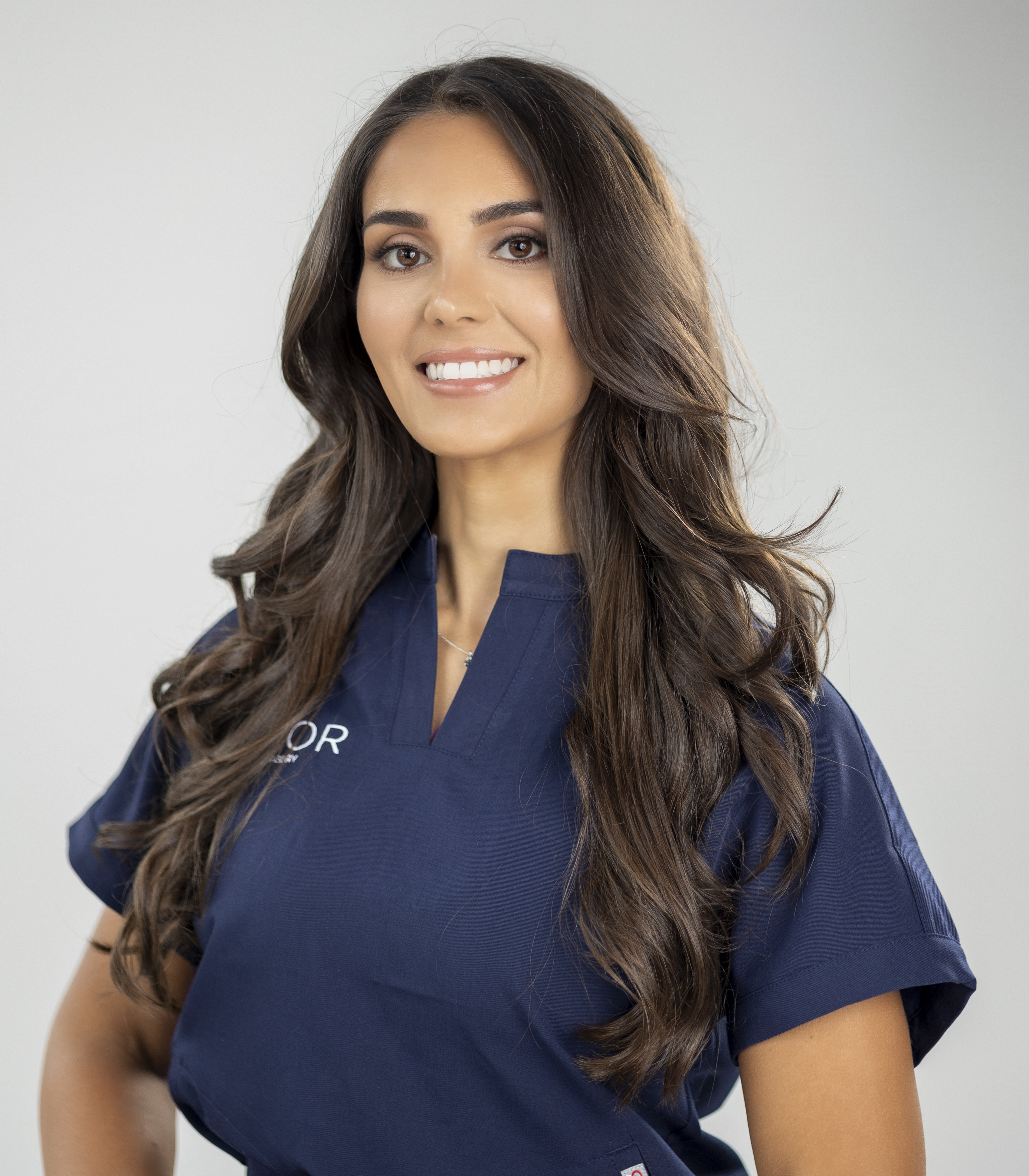
During a comprehensive consultation, Stephanie reviews each patient’s medical history, lifestyle, and neurological goals. She then designs evidence-based, personalized peptide protocols that align with brain health needs, recovery timelines, and safety considerations.
Why Medical Oversight Protects Your Peptide Results
The unregulated peptide market exposes patients to serious risks such as contamination, inaccurate dosing, and inconsistent product quality. Mirror Plastic Surgery reduces these risks through strict batch testing, customized dosing plans, and full medical supervision. Patients receive detailed lab analysis, 30 to 60 minute consultations, and 24/7 support throughout treatment.
Mirror Plastic Surgery also differs from online suppliers and high-volume clinics by offering direct access to Stephanie for ongoing guidance. She adjusts protocols as needed based on response, side effects, and evolving goals. This individualized care improves safety and effectiveness while reducing the complications often seen with unsupervised peptide use. Book an appointment with Stephanie to experience the benefits of medically guided neuroprotective peptide therapy.
Clearing Up Peptide Myths and Safety Concerns
Many people assume peptides only support bodybuilding or weight loss. Neuroprotective peptides actually provide advanced support for brain health, anxiety relief, and neurological recovery. Another common misconception suggests that all peptides are the same regardless of source, which encourages unsafe self-administration of unverified products.
Safe peptide use requires accurate dosing, awareness of individual variability, and careful review of potential interactions with current medications. BPC-157 appears to accelerate healing by enhancing growth factors and reducing inflammation. Most data comes from animal studies, so medical supervision remains essential when applying these findings to human patients.
The non-FDA-regulated status of many peptides makes provider selection and product quality control especially important. Mirror Plastic Surgery uses batch-tested compounds and maintains strict medical oversight. This approach helps ensure patients receive pharmaceutical-grade peptides along with appropriate safety monitoring and follow-up.
FAQs
Is BPC-157 safe for inflammation and repair?
BPC-157 shows strong potential for inflammation control and tissue repair when used correctly. Under medical supervision with proper dosing, BPC-157 has demonstrated favorable safety profiles in recovery and healing protocols.
What are the best peptides for anxiety?
Selank is the primary peptide used for anxiety relief. It works through GABA and serotonin modulation and does not carry the dependency risks associated with many traditional anti-anxiety medications.
Can BPC-157 and TB-500 be used together?
BPC-157 and TB-500 can be combined for more complete repair support. BPC-157 focuses on anti-inflammatory effects and tissue protection, while TB-500 accelerates soft tissue healing and further reduces inflammation. Together, they can enhance outcomes for patients recovering from injuries or chronic inflammatory conditions.
Next Steps for Personalized Neuroprotective Peptide Care
Neuroprotective peptides offer targeted support for nerve repair, anxiety relief, and cognitive performance. Their full benefits emerge when patients follow medically supervised, quality-controlled protocols rather than self-directed regimens. Book an appointment with Stephanie to explore how a personalized peptide plan can support your neurological health and cognitive goals.
Disclaimer: Results may vary from person to person. Editorial content, before and after images, and patient testimonials do not constitute a guarantee of specific results.
Disclaimer: Peptide therapy is intended for wellness and optimization purposes and is not prescribed to diagnose, treat, cure, or prevent disease unless specifically stated. Many peptides are not FDA-approved and may be used off-label. Some have limited long-term safety data, with a potential for unknown risks, complications, or desensitization with prolonged use.
