
Written by: Dr. Akash Chandawarkar, Board Certified Plastic Surgeon, Mirror Plastic Surgery | Last updated: September 9, 2026
Key Takeaways
- KPV peptide is a naturally occurring tripeptide derived from α-MSH that suppresses inflammation by blocking NF-κB nuclear translocation via the PepT1 transporter while preserving broader immune function.1
- Preclinical studies show KPV reduces gut inflammation in colitis models and improves skin conditions such as psoriasis and contact dermatitis, but human randomized controlled trials have not been completed.1
- KPV is not FDA-approved, has no human safety data, and realistic compounded access is unlikely before 2027.
- Reported side effects are mild, yet product quality varies widely in unregulated sources, so medical supervision and verified sourcing remain essential.1
- Patients interested in KPV peptide therapy should work with a qualified provider; schedule a consultation with Mirror Plastic Surgery to receive a personalized, lab-informed protocol.
What Is KPV Peptide And Why Interest Is Growing
KPV peptide is a naturally occurring tripeptide made of three amino acids, lysine, proline, and valine, corresponding to residues 11–13 at the C-terminus of alpha-melanocyte-stimulating hormone (α-MSH), a 13-amino-acid neuropeptide produced in the pituitary gland. It keeps the anti-inflammatory signaling capacity of its parent hormone while removing the pigmentary and appetite effects associated with full-length α-MSH. KPV peptide was first identified by James Lipton at Weill Cornell Medical College, with patents filed by Zengen, Inc. in 1988 for antipyretic and anti-inflammatory applications and in 2001 for dermatological use; those patents have since expired.1 Interest has accelerated because KPV uses a mechanism that no approved drug currently targets. Its small molecular size, approximately 342 daltons, also allows oral administration, which is unusual for a peptide. This article offers a doctor-reviewed guide to KPV’s mechanism, potential benefits, safety, regulatory status, and practical use considerations.
How KPV Peptide Works: The Science Explained Simply
This peptide attracts attention because it calms inflammation through a targeted, receptor-independent pathway. A landmark 2008 study in Gastroenterology by Dalmasso and colleagues showed that KPV retained gut anti-inflammatory activity even in melanocortin-receptor knockout models, confirming that its mechanism does not rely on the melanocortin receptor system, contrary to common online claims.1 Instead of binding surface receptors, KPV enters intestinal epithelial and immune cells through the PepT1 transporter (SLC15A1), with a Michaelis constant of approximately 160 micromolar, among the lowest reported for this transporter and indicating very high affinity.
PepT1 expression rises in inflamed intestinal tissue, so more inflamed gut tissue imports KPV more efficiently, creating a self-targeting effect. Once inside the cell, KPV moves to the nucleus and blocks the NF-κB subunit p65/RelA from binding importin-α3. This prevents NF-κB from entering the nucleus and stops transcription of pro-inflammatory cytokines such as TNF-α, IL-6, IL-1β, and IL-8. KPV also stabilizes the inhibitor IκB-α by reversing its phosphorylation and degradation and inhibits MAPK signaling.
A simple analogy helps here. If inflammation is a fire alarm, NF-κB is the alarm bell, and KPV is the hand that stops the bell from ringing while the fire crew stays ready. KPV preserves neutrophil killing capacity and even enhances it, which contrasts with corticosteroids that broadly suppress immune function. This targeted mechanism sets up the potential benefits described in the next sections, although the evidence remains early.
Potential Benefits Of KPV Peptide: What Research Actually Shows
Research on KPV spans the gut, skin, and immune system. Across these areas, a consistent pattern appears, with KPV reducing inflammatory signaling while keeping core immune defenses intact. The findings below come from animal and cell studies and guide cautious, hypothesis-driven use rather than definitive treatment claims.
Gut Health And Inflammatory Bowel Disease
The gut evidence builds over time. The foundational 2008 study by Kannengiesser et al. in Inflammatory Bowel Diseases tested oral KPV in acute DSS-induced colitis and IL-10 knockout chronic colitis mouse models and found reduced macroscopic and histological colitis scores, lower colonic pro-inflammatory cytokines including TNF-α and IL-12, and less NF-κB activation in colonic tissue.1 Myeloperoxidase activity, a marker of neutrophil infiltration, fell by roughly 50% in treated animals.1
A 2016 study by Viennois et al. extended these findings to colitis-associated cancer and showed that KPV reduced tumor number, size, and burden in AOM/DSS wild-type mice, an effect that disappeared in PepT1-knockout animals and confirmed the transporter-dependent mechanism.1 A 2017 study by Xiao et al. developed hyaluronic acid-functionalized nanoparticles for oral KPV delivery targeting CD44 receptors on colonic macrophages in inflamed tissue; these nanoparticles reduced DSS-induced colitis in mice and outperformed unencapsulated KPV.1 Human randomized controlled trials for gut indications have not yet been published.
Skin Health And Wound Healing
Skin research suggests similar anti-inflammatory effects at the local level. A 2022 study in the Journal of Dermatological Science reported that KPV reduced pro-inflammatory cytokine expression by up to 68% in cultured keratinocytes exposed to inflammatory triggers, without binding melanocortin receptors.1 In a 2018 Inflammation Research study, topical 5% KPV applied to imiquimod-treated mouse skin for six days reduced epidermal thickness from 185 μm in vehicle controls to 92 μm, about a 50% reduction, and lowered IL-17A-positive dermal cells by 61% and CD3+ T-cell infiltration by 48%, without suppressing systemic immune function.1
In a 2020 mouse model of contact hypersensitivity, topical 1% KPV reduced ear thickness by 54% at 48 hours compared with vehicle control, a result comparable to 0.1% betamethasone at 58% reduction but without the epidermal thinning seen with the corticosteroid.1 The C-terminal α-MSH sequence that includes KPV also shows direct antimicrobial activity against Staphylococcus aureus and Candida albicans, through a mechanism distinct from NF-κB modulation. All skin data remain preclinical or in vitro, and human dermatology trials have not yet appeared.
Immune Modulation And Neurologic Injury
KPV may influence immune responses beyond the gut and skin. A blinded, randomized 2013 study by Schaible et al. found that a single intraperitoneal injection of KPV at 1 mg/kg, given 30 minutes after controlled cortical impact in mice, reduced secondary brain lesion volume by about 24% at 24 hours.1 A 2023 study in NC/Nga mice, a spontaneous atopic dermatitis model, showed that subcutaneous KPV at 100 μg/kg twice weekly for four weeks reduced clinical severity scores by 61% and decreased serum IgE levels by 48% compared with untreated controls, with skin biopsies showing restored filaggrin expression.1 These findings remain early and animal-based, so clinicians interpret them cautiously.
Discuss KPV’s potential benefits for your specific condition with Dr. Chandawarkar and receive a protocol grounded in your labs and history.
KPV Peptide Safety, Side Effects, And Regulatory Status
KPV peptide is not FDA-approved as a drug, has not completed full clinical trials, and does not have a New Drug Application. The FDA’s entry for KPV notes that the agency has not identified human exposure data for any route of administration and lacks key safety information, including whether KPV would cause harm if administered to humans.
KPV entered the FDA’s Section 503A Category 2 list in 2023, reflecting safety concerns and limited human exposure data for compounding. In April 2026, it left Category 2 because the nominator withdrew the nomination, a procedural move that did not shift KPV into Category 1 or expand legal access. At the FDA Pharmacy Compounding Advisory Committee meeting on July 23–24, 2026, the committee voted to recommend KPV for the 503A bulk drug substances list, despite an FDA staff briefing that proposed adding none of the reviewed peptides. This vote remains advisory. Formal rulemaking has not occurred, no timetable exists, and realistic compounded access likely falls in 2027 or later.
A ClinicalTrials.gov search for KPV run on August 20, 2026 returned no completed, recruiting, or withdrawn trials. Independent testing has found mislabeling, dosing errors, or contamination in about 30% of sampled peptide products from unregulated sources, including truncated peptide sequences, residual solvents, heavy metals, microbiological agents, or degraded components. Reported side effects so far are generally mild, such as injection-site redness or tenderness with subcutaneous use and mild GI upset with oral formulations, but systematic human safety data are lacking. In this environment, medical supervision serves as the main safeguard.
Who Should Avoid KPV Peptide
KPV is contraindicated in several groups based on preclinical evidence and practitioner consensus.
- Pregnant or nursing women
- Individuals with active malignancy or a history of melanoma
- People currently on immunosuppressive medications without coordination with their specialist
- People with active acute infections, because KPV’s anti-cytokine activity may impair pathogen clearance
- Anyone with known hypersensitivity to α-MSH derivatives
- Individuals with undiagnosed GI bleeding, unexplained weight loss, or persistent severe abdominal pain, who require full medical evaluation before any peptide therapy
People with autoimmune conditions should consider KPV only in coordination with their treating specialist, and KPV should never replace prescribed therapy for diagnosed inflammatory bowel disease.
KPV Peptide Dosage, Cycling, And Administration
Official human dosing guidelines for KPV do not exist, and current protocols extrapolate from animal research, a method known to be unreliable for peptide pharmacokinetics across species. KPV appears in oral, subcutaneous injectable, and topical forms. Clinicians often choose oral administration when the gut lining is the main target, because PepT1 expression rises in inflamed intestinal tissue, and subcutaneous administration when systemic or dermatologic targets are the focus. These routes serve different purposes and do not substitute for each other.
Most protocols use 4–8 week cycles followed by reassessment to track symptoms and limit potential tolerance. Patients who respond usually notice changes between weeks 2–4, with more stable improvement by weeks 4–6.1 If no shift appears by the planned reassessment, continuing the same protocol rarely changes the outcome, and the provider should reconsider the plan. A qualified physician must individualize dose, route, and duration based on labs and overall health.
KPV vs. BPC-157: How They Differ In Practice
People researching peptides for gut health often encounter KPV and BPC-157 together, yet these compounds address different problems. KPV suppresses inflammation by blocking NF-κB nuclear translocation through PepT1-mediated intracellular uptake, while BPC-157 promotes structural repair through angiogenesis and nitric oxide pathways. BPC-157 is a synthetic 15-amino-acid peptide derived from human gastric juice protein, with a molecular weight of 1,419.5 g/mol compared with KPV’s 342.4 g/mol; BPC-157 primarily targets eNOS and growth hormone receptor pathways, whereas KPV acts intracellularly via PepT1.
KPV fits best when inflammation dominates, such as active inflammatory bowel conditions, post-infectious gut inflammation, inflammatory skin conditions, and acute autoimmune flares.1 BPC-157 fits best when tissue regeneration is the main need, such as tendon, ligament, and muscle injuries, post-surgical recovery, and gut permeability.1 Some clinicians combine them because their pathways do not overlap significantly, but this approach requires medical supervision. Neither peptide currently has published human randomized controlled trials, and both remain unapproved by the FDA.
How To Choose A Provider For KPV Peptide Therapy
Safe peptide therapy depends on three pillars: medical supervision, quality sourcing, and personalized protocols.
Medical supervision involves a board-certified physician who reviews your labs, medical history, and medications before recommending any peptide. Quality sourcing means using peptides from suppliers that provide batch testing, certificates of analysis showing greater than 98% purity by HPLC, molecular weight confirmation by mass spectrometry, and sterility and endotoxin testing. Personalized protocols rely on dosing and cycling tailored to your physiology rather than generic online templates.
Mirror Plastic Surgery, led by Dr. Akash Chandawarkar, delivers this level of care. Dr. Akash is board-certified by the American Board of Plastic Surgery and trained in both advanced clinical medicine and medical innovation. He studied neuroscience and nuclear engineering at MIT, graduated with Honors from Harvard Medical School through the Harvard-MIT Division of Health Sciences and Technology, completed a seven-year integrated plastic and reconstructive surgery residency at Johns Hopkins University, and pursued fellowship training in aesthetic surgery at the Manhattan Eye Ear & Throat Hospital/Lenox Hill Hospital. He also completed the Stanford University Biodesign Innovation Fellowship, which trains physicians to identify unmet clinical needs and develop practical solutions.
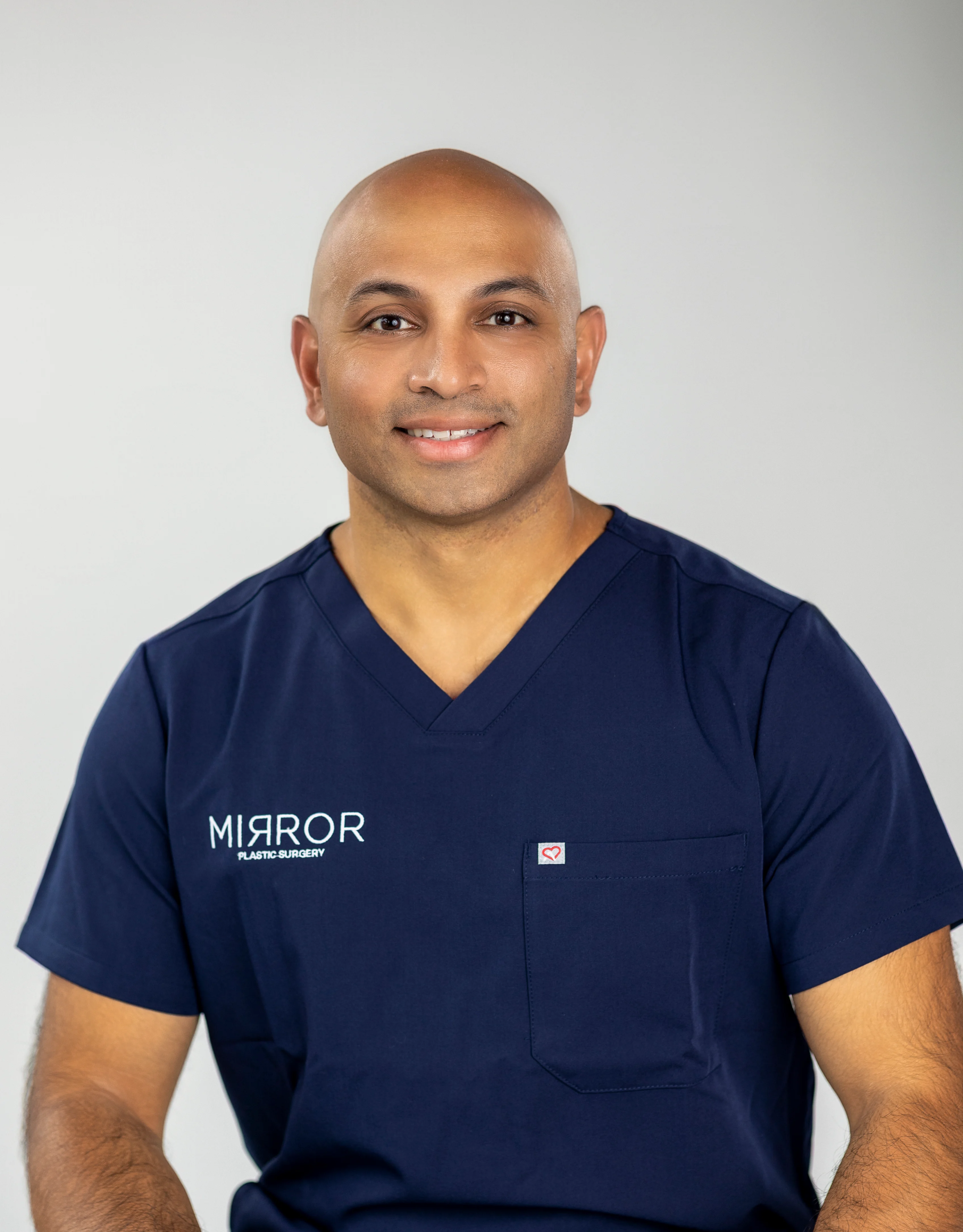
Every peptide protocol at Mirror Plastic Surgery centers on each client’s labs and physiology and remains medically supervised from start to finish. Consultations run 30–60 minutes, comprehensive lab panels are reviewed or ordered, peptides come from suppliers with rigorous batch testing, and patients receive direct 24/7 access to Dr. Akash for ongoing support. The entire process, from consultation to prescription and shipping, can occur in person in St. Petersburg, Florida, or remotely across the United States.
Start your KPV evaluation with a dedicated consultation at Mirror Plastic Surgery and receive a protocol built around your labs, history, and goals.
Frequently Asked Questions About KPV Peptide
Does KPV Help With Weight Loss?
No direct evidence supports KPV for weight loss. KPV is studied as a precision anti-inflammatory agent rather than a metabolic or appetite-regulating compound. Because it does not bind MC4R, the melanocortin receptor most associated with satiety, it does not create the appetite-suppressing effects of full-length α-MSH. By reducing systemic inflammation, which links to metabolic dysfunction and insulin resistance, KPV may indirectly support a healthier metabolic environment. It still does not function like GLP-1 agonists, and anyone seeking weight management support should discuss dedicated protocols with a qualified physician.
How Long Does KPV Take To Work?
Most patients who respond to KPV notice early changes between weeks 2–4, with more meaningful consolidation by weeks 4–6.1 Formal reassessment usually occurs between weeks 4–8. Subcutaneous administration aimed at systemic inflammation may show earlier signals than oral administration aimed at gut effects, which often appear after 1–2 weeks. If no meaningful change occurs by the reassessment point, providers typically reconsider the protocol rather than extending the same plan.
Who Should Not Use KPV Peptide?
As outlined in the “Who Should Avoid KPV Peptide” section above, KPV excludes several groups. Key examples include pregnancy, active malignancy, significant infections, and complex autoimmune disease without specialist oversight. Readers can refer back to that section for the full list of contraindications and precautions.
Can You Take KPV And BPC-157 Together?
KPV and BPC-157 are sometimes combined because they act through different primary pathways. KPV dampens the inflammatory cascade through intracellular NF-κB blockade, while BPC-157 supports structural tissue repair through angiogenesis and nitric oxide signaling. This combination appears most often in discussions about conditions that involve both active inflammation and structural mucosal damage, such as inflammatory bowel disease with significant tissue injury. No controlled human study has evaluated this combination, so any stacking should occur only under direct medical supervision after a full review of health history and medications.
Is KPV Peptide Legal?
As of September 2026, KPV is not FDA-approved for human use and does not appear on the 503A or 503B Bulks Lists, so compounding pharmacies cannot legally produce it for human use under current rules. The FDA’s Pharmacy Compounding Advisory Committee voted in July 2026 to recommend KPV for the 503A Bulks List, but the FDA must still complete notice-and-comment rulemaking, a process observers expect to extend into 2027 or 2028. Products sold online as “research use only” or “not for human consumption” are not authorized for human use, are not manufactured to pharmaceutical standards, and carry no guarantee of identity, purity, or sterility. Any supplier claiming that KPV is “FDA-cleared” or “approved for compounding” misrepresents the current regulatory record.
The Bottom Line On KPV Peptide
KPV peptide is a scientifically intriguing anti-inflammatory tripeptide with a coherent preclinical evidence base for gut and skin health. Its PepT1-mediated, receptor-independent mechanism is well described in peer-reviewed literature, and its ability to suppress NF-κB while preserving broader immune function distinguishes it from corticosteroids and several other anti-inflammatory agents. The evidence still comes entirely from preclinical work, and the regulatory picture remains complex, with realistic compounded access unlikely before 2027.
Safe exploration of KPV depends on medical supervision, verified product quality, and protocols tailored to the individual. Mirror Plastic Surgery, under Dr. Akash Chandawarkar’s leadership, offers concierge-level care that prioritizes safety and long-term health through comprehensive lab review, vetted peptide sourcing, and direct ongoing support.
Schedule your KPV consultation with Mirror Plastic Surgery to learn whether this peptide fits your treatment plan. You can also reach the practice at 727-361-6515, by email at hello@mirrorplasticsurgery.com, or in person at 780 4th Ave S, St. Petersburg, FL 33701.
1 Results may vary from person to person. Editorial content, before and after images, and patient testimonials do not constitute a guarantee of specific results.
Peptide therapy is intended for wellness and optimization purposes and is not prescribed to diagnose, treat, cure, or prevent disease unless specifically stated. Many peptides are not FDA-approved and may be used off-label. Some have limited long-term safety data, with a potential for unknown risks, complications, or desensitization with prolonged use.