
Written by: Ellie Pranckevicius, FNP-BC, Aesthetic Nurse Practitioner & Aesthetic Injector | Facial Restoration & Regenerative Injectable Specialist, Mirror Plastic Surgery
Concierge Peptides in Tampa Bay: Key Takeaways
- Concierge medicine peptides provide supervised, personalized therapy for anti-aging, weight management, inflammation, recovery, and more.1
- 2026 FDA changes restored legal access to 12 key peptides, including BPC-157 and GHK-Cu, through licensed compounding pharmacies.
- Benefits at Mirror Plastic Surgery include autoimmune support, improved energy, anxiety relief, and the signature Glow Stack for skin health.1
- The 4-step process includes in-depth consultations, custom stacks, pharmaceutical-grade sourcing, and structured ongoing support.
- Unsupervised peptides carry contamination and dosing risks, so schedule a concierge peptide consult with Ellie at Mirror Plastic Surgery for safe, tailored care.
Meet Ellie Pranckevicius: Concierge Peptide Specialist in Tampa Bay
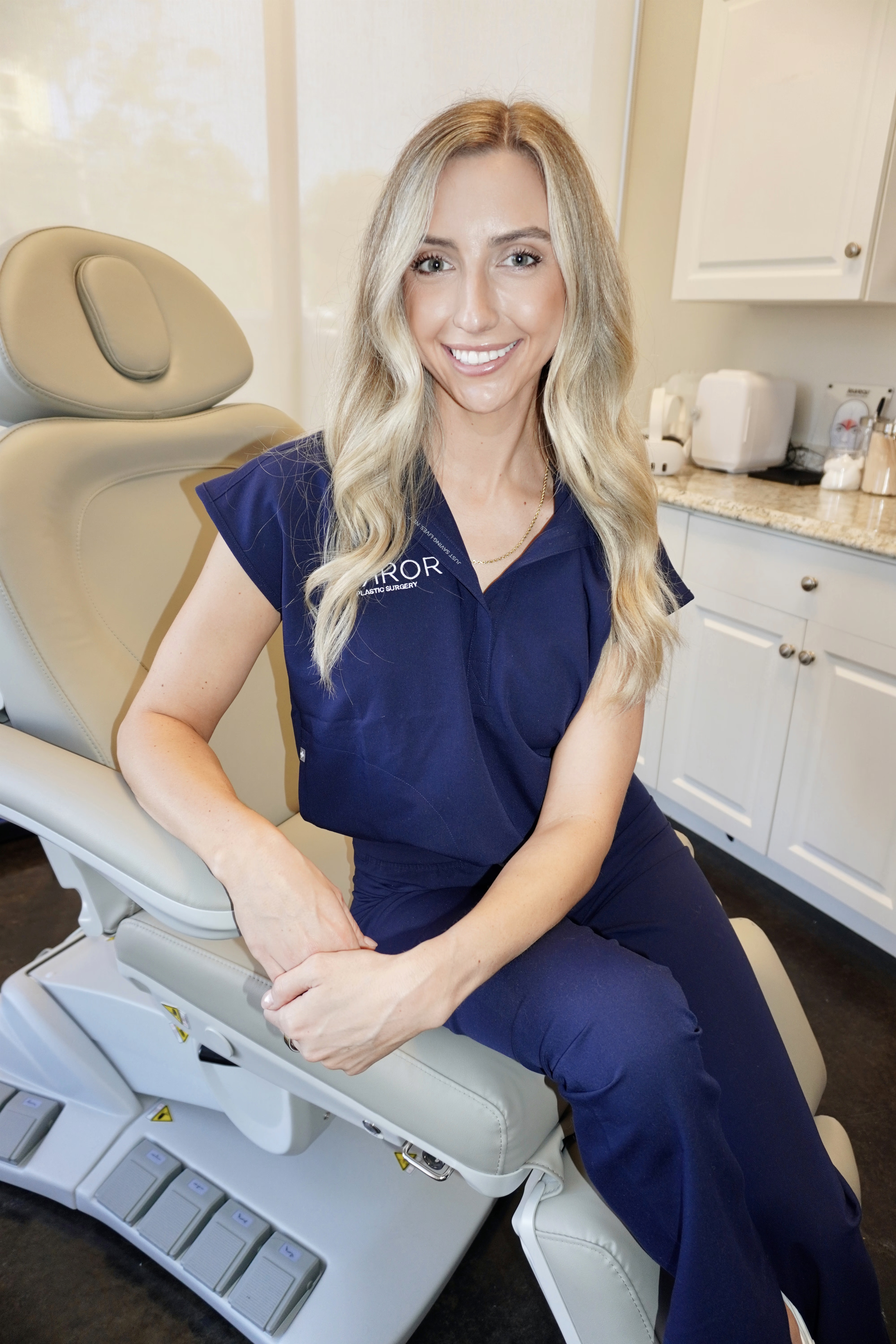
Ellie Pranckevicius, FNP-BC, leads peptide therapy at Mirror Plastic Surgery with advanced clinical training and aesthetic expertise. She earned her Bachelor’s in Health Science from Boston University, completed rigorous aesthetics licensure, and obtained both Bachelor’s and Master’s degrees in Nursing from the University of South Florida. Her four years in the Neuroscience ICU at Tampa General Hospital provided critical-care experience with complex patients and deep insight into physiology and metabolic health.
Ellie’s dual background in esthetician training and advanced nursing supports a comprehensive approach to peptide therapy. She understands aesthetic goals and the clinical science required for safe, effective treatment. Working alongside Dr. Akash Chandawarkar, a Harvard-educated physician and Johns Hopkins-trained plastic surgeon, she maintains high standards for custom peptide protocols. Schedule your peptide consultation with Ellie to tap into her specialized experience with personalized therapy.
Concierge Medicine Peptides Explained
Concierge medicine peptides are bio-engineered amino acid chains prescribed and monitored by medical professionals to address specific health concerns. These concerns can include inflammation, autoimmune conditions, weight management, anti-aging, anxiety, and low energy. Each peptide works through defined mechanisms such as collagen stimulation, mitochondrial support, or inflammatory pathway modulation to improve cellular function.1
The concierge model differs from generic protocols or unsupervised online purchases through comprehensive laboratory analysis, custom treatment stacks, and structured medical oversight. This medical supervision is critical because unregulated peptide sources create major safety gaps due to poor quality control and lack of professional review.
| Aspect | Unsupervised Use | Concierge Medicine |
|---|---|---|
| Safety | High contamination risk | Batch-tested pharmaceutical grade |
| Personalization | Generic dosing protocols | Custom stacks guided by lab data |
| Sourcing | Research chemicals, no quality control | Licensed compounding pharmacies |
Explore tailored peptide protocols at Mirror to experience supervised therapy with consistent medical guidance.
Top Concierge Peptide Benefits and Popular Stacks
Concierge peptide therapy targets specific health goals through carefully selected amino acid protocols.1
- Inflammation and autoimmune support with compounds such as BPC-157 and KPV
- Weight management using advanced GLP-3R formulations with fewer side effects than earlier GLP versions
- Anti-aging support through the Glow Stack, which combines GHK-Cu for skin and hair with BPC-157 and TB-500 for tissue repair
- Energy support with NAD, which targets cellular mitochondria
- Anxiety relief with Selank, which offers calming effects without dependency risk
- Recovery enhancement for post-surgical healing and athletic performance
- Fertility support with Kisspeptin-based protocols
- Libido enhancement using PT-141 therapy
Mirror Plastic Surgery’s signature Glow Stack focuses on melasma, collagen production, and systemic inflammation to deliver broad anti-aging benefits.1 The 2026 regulatory changes restored access to key peptides such as BPC-157 and GHK-Cu, which expanded options for patients seeking more natural wellness tools.
Patient experiences show meaningful improvements in autoimmune symptoms, weight trends, and lab markers under supervised protocols.1 Explore your custom peptide stack with Ellie and find combinations that align with your health priorities.
The 4-Step Concierge Peptide Process at Mirror Plastic Surgery
Mirror Plastic Surgery follows a clear, four-step process to keep peptide therapy safe, structured, and effective.
- Comprehensive Consultation (30–60 minutes): Ellie reviews your health history, clarifies your goals, and orders targeted labs when needed to uncover underlying issues and contraindications.
- Custom Stack Development: She designs personalized peptide combinations based on your physiology, results from the earlier lab work, and specific wellness objectives.
- Quality Peptide Sourcing: You receive pharmaceutical-grade compounds from licensed compounding pharmacies that follow batch testing, along with clear administration instructions and video demonstrations.
- Ongoing Support: You have 24/7 text access and telemedicine check-ins for monitoring, dose adjustments, and questions throughout your treatment.
This concierge process serves patients in Tampa, St. Petersburg, and across the United States through remote care. Ellie has particular expertise in integrating peptides into post-surgical plans to support smoother recovery.1 The structured steps answer common questions about dosing, timing, and expected timelines while reinforcing safe administration.
Begin your supervised peptide therapy journey with Ellie by texting 727-361-6515 or requesting a consultation online.
Unsupervised Peptide Risks vs. Concierge Safety at Mirror
Unsupervised peptide use introduces serious health risks that concierge protocols are designed to prevent. Many online products contain incorrect ingredients, contamination, bacterial endotoxins, or inaccurate concentrations. These products often lack the sterility standards required for safe injection.
Common complications from unsupervised use include nausea, headaches, fluid retention, hormonal disruption, and insulin resistance. These problems often stem from improper dosing and the absence of baseline laboratory evaluation. Without medical guidance, patients also miss potential contraindications and drug interactions that can magnify risk.
Mirror Plastic Surgery’s concierge approach counters these dangers by relying on the pharmaceutical-grade sourcing described earlier, thorough laboratory screening, and the structured monitoring built into the process. Many peptides are not FDA-regulated for specific wellness uses, so professional oversight becomes essential for safety and meaningful results.1 Individual responses vary widely, which makes personalized protocols and expert supervision central to effective treatment.
Get professional guidance for safe peptide use with Ellie and reduce the risks linked to unsupervised products.
Concierge Peptide Myths, FAQs, and Clinical Realities
Concierge medicine helps correct common myths about peptide therapy through education and evidence-based care. Many people believe peptides are only for weight loss, yet they also support inflammation control, anti-aging, cognitive health, and recovery.1 Another myth suggests peptides create permanent changes, while real-world experience shows that maintenance protocols are usually needed to sustain benefits. Some patients also expect identical results, although personalized care recognizes wide variation in response and ideal dosing.
Professional peptide therapy demands a clear understanding of how amino acid sequences interact with individual physiology and treatment goals. This complexity explains why effective protocols use goal-based selection tailored to each patient, followed by stepwise dose adjustments as the body responds. Regular monitoring supports safety throughout treatment, and strategic cycling protects endocrine health. This structured approach contrasts sharply with random, unsupervised use.
Results differ between individuals based on genetics, lifestyle, underlying conditions, and adherence to the plan. Professional consultation supports appropriate peptide selection, accurate dosing, and realistic expectations. Patients should work with qualified healthcare providers before starting any peptide regimen.
Unlock Safer Wellness with Concierge Medicine Peptides
Concierge medicine peptides provide a supervised, personalized path to wellness that addresses the gaps and risks of unsupervised products. Through thorough evaluation, custom protocols, pharmaceutical-grade sourcing, and the continuous support described in the process above, patients can explore peptide therapy for inflammation, weight management, anti-aging, recovery, and more with greater confidence.
Discover personalized peptide therapy with Ellie at Mirror Plastic Surgery (St. Petersburg/Tampa: 727-361-6515, hello@mirrorplasticsurgery.com, @mirrorplasticsurgery) and see how a concierge approach can support your long-term health and wellness.
Frequently Asked Questions
Are peptides approved by the FDA?
Many therapeutic peptides are not FDA-regulated for specific wellness indications, although they have been used worldwide with more than a decade of clinical research. The main risk usually comes from unregulated sourcing and lack of medical supervision rather than from the peptide molecules themselves. At Mirror Plastic Surgery, consultations include health review and lab panels when appropriate, peptides come from suppliers with strict quality control and batch testing, and patients receive the medical monitoring built into the concierge process.
What are the risks of using peptides without medical supervision?
Unsupervised peptide use carries risks such as unknown product quality, contamination, incorrect dosing, and no screening for contraindications or drug interactions. Without professional oversight, patients may experience complications or miss their goals because of poor peptide selection or improper administration. Mirror Plastic Surgery’s concierge model reduces these risks through detailed health evaluations, pharmaceutical-grade sourcing, customized protocols, and the continuous monitoring included in their approach.
Can peptides be used for conditions beyond weight loss?
Peptides support a wide range of concerns beyond weight management. They can help address inflammatory and autoimmune conditions such as psoriasis and rheumatoid arthritis, support post-surgical and injury recovery, and enhance neurological health as alternatives to some pharmaceutical medications for anxiety and depression. They also boost energy, promote anti-aging through collagen and elastin production, improve sexual wellness and fertility, and support overall cellular function.1 When supervised, this versatility makes peptide therapy a strong tool for comprehensive wellness.
What happens if I stop taking peptides?
When peptide therapy stops, benefits gradually fade, similar to pausing an exercise or nutrition program. For example, if peptides helped manage inflammation, those levels may return toward baseline without continued treatment.1 Maintenance protocols are often recommended to preserve gains. The timing of this change depends on the specific peptides used, individual metabolism, and the underlying conditions treated.
Will everyone achieve the same results with peptide therapy?
Peptide therapy results vary widely between patients. Genetics, lifestyle, existing health conditions, treatment adherence, and individual physiology all influence outcomes.1 A protocol that works well for one person may require adjustment for another. Mirror Plastic Surgery emphasizes detailed evaluation, including medical history and targeted labs, to design customized plans that match each patient’s biology and goals. This personalization increases the chance of meaningful results while reducing risk.
1 Results may vary from person to person. Editorial content, before and after images, and patient testimonials do not constitute a guarantee of specific results.
Peptide therapy is intended for wellness and optimization purposes and is not prescribed to diagnose, treat, cure, or prevent disease unless specifically stated. Many peptides are not FDA-approved and may be used off-label. Some have limited long-term safety data, with a potential for unknown risks, complications, or desensitization with prolonged use.