
Written by: Ellie Pranckevicius, FNP-BC, Aesthetic Nurse Practitioner & Aesthetic Injector | Facial Restoration & Regenerative Injectable Specialist, Mirror Plastic Surgery
Collagen Peptides: What You Can Realistically Expect
- Hydrolyzed collagen peptides can modestly improve skin elasticity and joint comfort when used consistently with high-quality products.
- Clinical studies show visible skin changes after several weeks of steady use, with joint relief following on a similar timeline.
- Results depend on product quality, correct dosing, hydrolyzed forms, and personal factors such as age and baseline collagen levels.
- Over-the-counter supplements often disappoint because of poor absorption, contaminants, and lack of medical guidance; risks include allergies and inaccurate labeling.
- For targeted results, book a consultation at Mirror Plastic Surgery with Ellie for personalized, pharmaceutical-grade peptide protocols.
Collagen Peptides for Skin: How They Support Firmness and Hydration
Collagen peptides support skin health by improving absorption and delivering targeted building blocks to the dermis. Hydrolyzed collagen breaks down into smaller peptides that absorb more efficiently than native collagen, which improves digestion and utilization. These absorbed peptides reach skin tissue and can stimulate fibroblasts, the cells that produce collagen and elastin.
Bioactive collagen peptides in hydrolyzed form show strong absorption, with a large portion under 1 kDa transported through the PEPT-1 system. Low-molecular-weight collagen hydrolysates also remain in the bloodstream longer because they resist breakdown by blood proteases. This extended circulation supports more sustained delivery to skin tissue.
Clinical research links collagen peptides with reduced wrinkles, better moisture, less dryness, and fewer UV spots. These changes build gradually with steady use over several weeks. Signs that collagen is working include firmer texture, better hydration, and softer fine lines.
Many people still see little or no benefit from random over-the-counter products. Poor ingredient quality, weak dosing, and missing co-factors often explain this gap between expectations and reality. Schedule a visit with Ellie to design a peptide plan focused on your specific skin goals.
Collagen Peptides for Joints: Support for Pain, Stiffness, and Mobility
Collagen peptides also support joint structures, especially when formulas emphasize Type II collagen for cartilage and osteoarthritis concerns. Studies in older men with sarcopenia show that collagen peptides combined with resistance training improve muscle strength, reduce fat mass, and increase lean mass. These changes support overall musculoskeletal function.
A review of more than 60 randomized controlled trials on collagen peptides for joint pain and related outcomes found consistent improvements in stiffness and mobility. These benefits follow the same multi-week timeline described earlier, so patience and regular use matter.
Collagen supports joints by supplying amino acids for cartilage repair and by influencing inflammatory markers in joint tissue. People with advanced osteoarthritis may still need additional treatments, so collagen works best as part of a broader plan rather than a stand-alone cure.
Daily habits strongly shape results. Regular movement, adequate protein intake, and control of inflammatory conditions all affect how well collagen peptides support joint comfort. Work with Ellie to build a joint health strategy that includes targeted peptide support.
What Actually Affects Collagen Supplement Results
Several key variables determine whether collagen peptides deliver noticeable benefits. Hydrolyzed marine collagens absorb up to 1.5 times more efficiently than collagen fragments from land mammals because they contain more glycine, serine, and threonine and less proline and hydroxyproline.
Realistic timelines also help set expectations. The table below summarizes when most people begin to notice changes in different areas.
|
Benefit Area |
Timeline for Results |
|
Skin elasticity and hydration |
4-12 weeks |
|
Joint pain and mobility |
8-12 weeks |
|
General wellness |
6-8 weeks |
These timelines highlight why consistency matters more than occasional large doses. Success factors include choosing hydrolyzed forms, using them daily, pairing them with adequate dietary protein, and accounting for age and baseline collagen status. Current trends focus on specific bioactive peptide types, which show that peptide composition directly affects outcomes.
Common myths often undermine results by creating unrealistic expectations. Many people expect overnight changes, even though the table shows that meaningful shifts usually take several weeks. Others assume all collagen products work the same, which ignores major differences in molecular weight and sourcing that drive absorption. Some believe higher doses always work better, yet quality and proper peptide size matter far more than simply taking more of a weak product.
Collagen Risks and Why Medical Oversight Helps
Most people tolerate collagen supplements well, especially in controlled clinical settings. One safety assessment used dermatologist evaluations, detailed interviews, and physical exams. It reported no adverse reactions or intolerances after 16 weeks of bioactive collagen peptide use.
Risks still exist, particularly without screening or quality control. A small percentage of people with allergies face a rare risk of anaphylaxis, which makes unsupervised use unsafe for some. The unregulated supplement market adds further concerns such as contamination, inaccurate labels, and inconsistent potency.
Over-the-counter failures often trace back to poor absorption, weak dosing, or products that contain very little active collagen. Mirror Plastic Surgery addresses these issues with batch-tested, pharmaceutical-grade peptides and full medical oversight. Get started with a medically supervised peptide plan tailored to your health profile.
Mirror’s Advanced Peptide Stacks Beyond Basic Collagen
Mirror Plastic Surgery goes beyond single-ingredient collagen powders by using targeted peptide combinations. The GHK-CU Glow Stack blends GHK-CU copper peptides with BPC-157 and TB500 to calm systemic inflammation while stimulating collagen and elastin production. This multi-pathway strategy supports more noticeable and durable changes.
Ellie’s 60-minute consultations begin with comprehensive lab work that looks for factors blocking collagen synthesis, including nutrient gaps, hormone imbalances, and inflammatory markers. These findings guide protocol design. Patients then see real-world benefits such as calmer psoriasis, faster recovery after surgery, and smoother skin texture that outperforms typical store-bought supplements.
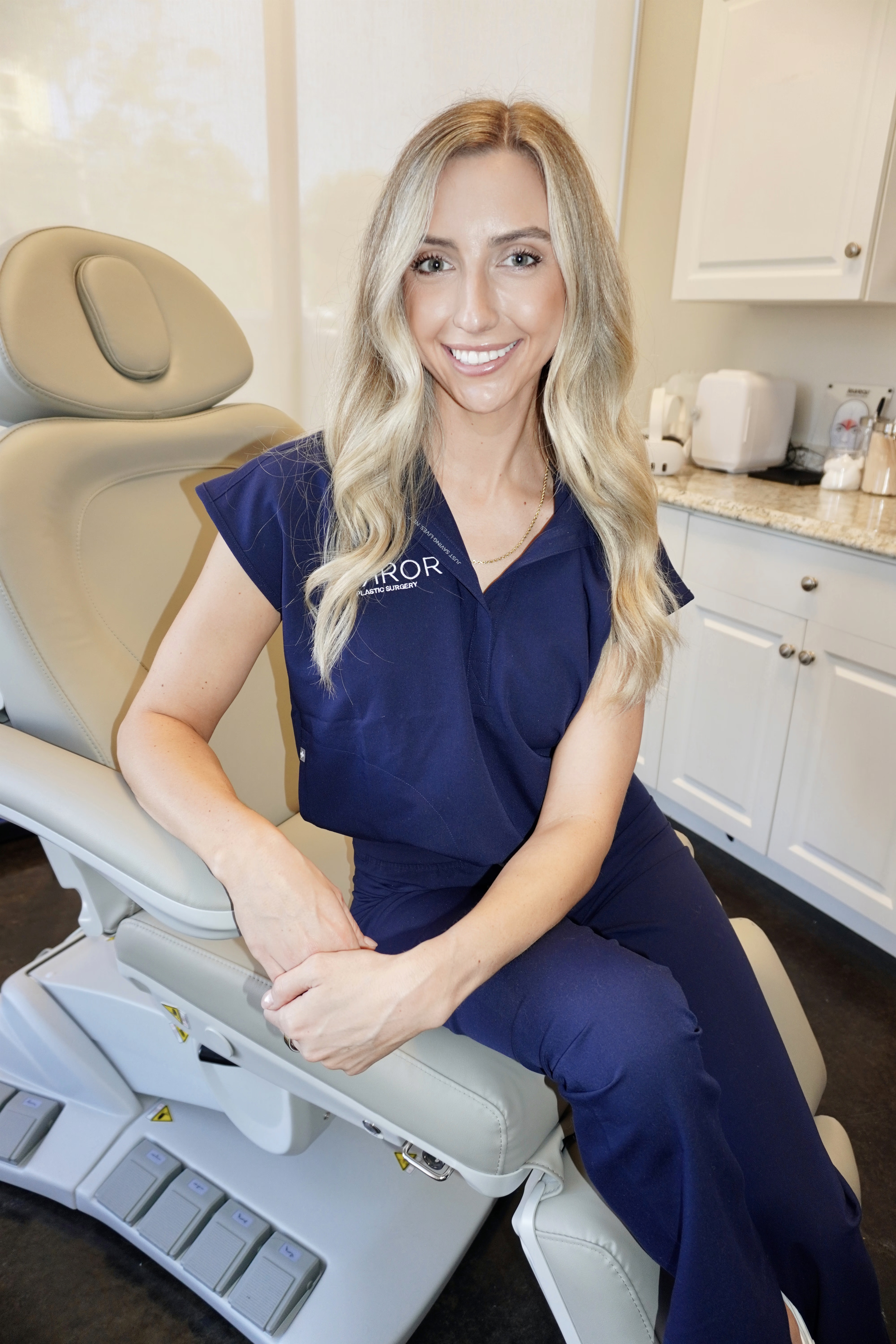
This level of personalization replaces one-size-fits-all powders with protocols that match your biochemistry, lifestyle, and goals under medical supervision.
FAQ
What Are Signs Collagen Is Working?
Common signs include firmer, more elastic skin, less dryness, and softer fine lines that build over several weeks. For joints, easier movement, less morning stiffness, and more comfortable daily activity suggest progress. Stronger nails and better hair quality often appear as added bonuses.
What’s the Best Collagen Peptides Dosage?
Effective dosing depends on your goals and current health status. Skin support requires a steady daily intake, while joint support benefits from the same consistent pattern. Hydrolyzed products with peptide sizes under about 3,000 daltons usually absorb more efficiently. Regular use matters more than taking very high doses occasionally.
What Are the Risks of Collagen Without Supervision?
Unregulated products may contain hidden contaminants, inaccurate labels, or peptide sizes that do not absorb well. People with allergies face a small but serious risk of reactions if they use collagen without screening. Incorrect dosing can blunt results or interact with medications. Product quality also varies widely between manufacturers.
How Long Does It Take to See Results?
Most people notice early skin changes within the first several weeks, with more visible results as they continue through the three-month mark mentioned earlier. Joint comfort usually follows a similar multi-week pattern. Age, baseline collagen levels, and overall health all influence how quickly you respond, so consistency and patience remain essential.
What Alternatives Exist If Collagen Fails?
Mirror’s GHK-CU stacks offer stronger collagen stimulation through copper peptide technology when basic collagen falls short. BPC-157 and TB500 focus on inflammation control and tissue repair through separate mechanisms. Comprehensive peptide protocols can address several pathways at once for people who need more than standard collagen support.
Next Steps for Personalized Collagen and Peptide Support
Collagen peptides can modestly improve skin elasticity and joint comfort when used correctly, with results shaped by product quality, dosing, and individual biology. Evidence favors hydrolyzed forms taken consistently over several weeks, although responses vary from person to person.
Mirror Plastic Surgery’s personalized approach solves many common supplement frustrations by combining medical supervision, pharmaceutical-grade products, and custom peptide stacks. Instead of guessing with generic powders, you receive a plan built around your lab data and goals.
Schedule your consultation with Ellie for a personalized peptide protocol or text 727-361-6515 to begin. Visit the clinic at 780 4th Ave S, St. Petersburg, FL 33701, and follow @mirrorplasticsurgery on Instagram for education and real patient stories.
Disclaimer: Results may vary from person to person. Editorial content, before and after images, and patient testimonials do not constitute a guarantee of specific results.
Disclaimer: Peptide therapy is intended for wellness and optimization purposes and is not prescribed to diagnose, treat, cure, or prevent disease unless specifically stated. Many peptides are not FDA-approved and may be used off-label. Some have limited long-term safety data, with a potential for unknown risks, complications, or desensitization with prolonged use.