
Written by: Ellie Pranckevicius, FNP-BC, Aesthetic Nurse Practitioner & Aesthetic Injector | Facial Restoration & Regenerative Injectable Specialist, Mirror Plastic Surgery
Key Takeaways
- Collagen peptide therapy, especially GHK-Cu, delivers proven anti-aging benefits with an average 32.8% reduction in wrinkle depth and enhanced joint mobility when medically supervised.
- Unsupervised peptides carry real risks, with 42% of online products contaminated or inaccurately dosed, while Tampa’s supervised programs use pharmaceutical-grade products and personalized dosing.
- Mirror Plastic Surgery leads locally with the Glow Stack protocol that combines GHK-Cu, BPC-157, and TB500, supported by ICU-trained expertise and 24/7 access for patients.
- Other Tampa options, such as wellness centers and med spas, offer basic peptide services but usually lack Mirror’s in-depth lab analysis, collagen-specific focus, and high level of customization.
- Experience Tampa’s top supervised collagen peptide therapy by booking a consultation with Ellie at Mirror Plastic Surgery for a personalized Glow Stack plan.
How Collagen Peptide Therapy Supports Skin, Joints, and Recovery
Collagen peptide therapy uses short amino acid chains that tell your body to ramp up collagen production. These bioactive peptides act on specific cellular pathways that support youthful skin structure and joint function. Patients often notice smoother skin, easier movement, and better overall recovery.
- Glowing skin with a documented 32.8% reduction in wrinkle depth
- Improved joint repair and mobility for daily comfort
- Lower systemic inflammation that affects the skin and energy
- Increased vitality and faster recovery after procedures or injuries
GHK-Cu is the most researched collagen peptide in this space. This naturally occurring copper-bound tripeptide declines by about 60% between ages 20 and 60 and influences thousands of genes involved in tissue repair. Advanced protocols pair GHK-Cu with peptides such as BPC-157 and TB500 to address collagen production, inflammation, and healing from several angles.
Medical supervision keeps dosing appropriate, ensures high-quality sourcing, and tailors each protocol to lab results and personal health goals. Not all supervised programs deliver the same level of safety or results, so understanding what separates high-quality Tampa programs from risky options helps you choose wisely.
Why Tampa Patients Benefit From Supervised Medical Programs
Unsupervised peptide use creates avoidable risks. Research shows that 42% of online peptide products contain inaccurate quantities or contaminants, which can lead to poor results or harmful reactions. The FDA has issued warnings about unregulated online peptide sales because of repeated quality control failures.
Supervised medical programs in Tampa offer several key advantages that protect your health and investment:
- Quality assurance through batch-tested, pharmaceutical-grade peptides
- Personalized dosing based on comprehensive lab analysis and medical history
- Ongoing professional monitoring for safety, side effects, and real-world results
- Legal compliance with the 2026 FDA reclassification that supports compounding pharmacy access
Florida’s regulatory environment supports off-label peptide use under proper medical supervision, which makes Tampa an ideal place for advanced collagen peptide therapy. We evaluated Tampa Bay’s supervised peptide options based on medical oversight quality, collagen-specific expertise, and personalized support to identify the leading program and four alternatives.
Tampa’s Premier Collagen Peptide Program and Four Alternatives
1. Mirror Plastic Surgery (Top Choice for Collagen-Focused Care)
Mirror Plastic Surgery leads Tampa’s collagen peptide therapy landscape through the work of Ellie Pranckevicius, FNP-BC. Her background blends Boston University health science education, aesthetics licensure, and four years of Neuroscience ICU experience at Tampa General Hospital. This rare mix of esthetic training and advanced nursing expertise supports both cosmetic goals and complex medical needs.
Mirror’s signature Glow Stack combines GHK-Cu for collagen production with BPC-157 and TB500 for inflammation control and tissue repair. This multi-pathway approach requires detailed assessment, so the program includes 30 to 60 minute concierge consultations, comprehensive lab analysis, and 24/7 text support. When cases become more complex, Dr. Akash Chandawarkar’s Harvard education and Johns Hopkins plastic surgery training provide additional oversight to keep care safe and precise.
Patient testimonials describe noticeable skin smoothing, faster post-surgical recovery, and meaningful improvement in autoimmune-related symptoms when protocols are customized. These outcomes reflect the tight connection between careful lab review, tailored Glow Stack design, and close follow-up.
2. Local Wellness Centers Offering Basic Peptide Stacks
Several Tampa wellness centers provide standard peptide stacks with brief consultation formats. These programs give patients an affordable entry point into peptide therapy and can help with general wellness. They usually offer limited lab testing, less frequent follow-up, and fewer collagen-specific options compared with specialized practices like Mirror.
3. Medical Spas With Topical and Injectable Options
Many Tampa medical spas focus on topical collagen treatments and select injectable peptide options. These settings work well for routine cosmetic maintenance and quick visits. They often do not include full lab panels, detailed medical history review, or deep customization, which can limit results for patients seeking more advanced anti-aging support.
4. General Peptide Clinics for Broad Wellness Goals
Broader peptide clinics in the area offer oral and injectable peptides aimed at energy, weight management, and general wellness. These clinics may not specialize in collagen-focused protocols or skin-specific outcomes. Patients who want targeted wrinkle reduction or scar support often benefit from a more collagen-centered program.
5. Telehealth Providers for Remote Access
Telehealth peptide providers give Tampa residents flexible access to prescriptions and virtual check-ins. This model works for experienced patients who need convenience. Remote programs, however, cannot match the hands-on assessments, in-person teaching, and direct monitoring available through local supervised practices.
The following comparison illustrates how Mirror Plastic Surgery’s comprehensive approach differs from other Tampa options across key quality indicators:
|
Program |
Supervision Level |
Collagen Focus |
Support/Customization |
|
Mirror Plastic Surgery |
Concierge/ICU-trained |
GHK-CU/Glow Stack |
Labs/24/7 text/full custom |
|
Wellness Centers |
Basic consults |
General |
Limited |
|
Med Spas |
Provider-led |
Topical-heavy |
Appointment-only |
|
Peptide Clinics |
Standard |
Oral/mixed |
Minimal |
|
Telehealth |
Virtual |
Variable |
Remote/basic |
Schedule your consultation with Ellie to discuss which Glow Stack protocol best fits your skin, joint, and recovery goals.
How Mirror Plastic Surgery’s Collagen Peptide Process Works
Mirror’s collagen peptide therapy process starts with an in-depth consultation and lab review that covers thyroid function, hormone levels, and inflammatory markers. Ellie then designs a custom Glow Stack protocol based on those results and your goals, using pharmaceutical-grade peptides that undergo rigorous batch testing. Each step focuses on safety, clarity, and measurable progress.
Ellie Pranckevicius, FNP-BC
Ellie’s educational foundation includes Boston University health science training and nursing degrees from the University of South Florida. Her four years in Tampa General Hospital’s Neuroscience ICU shaped her ability to manage complex patients and understand how the body heals under stress. That critical-care experience now informs her cautious, data-driven approach to peptide therapy.
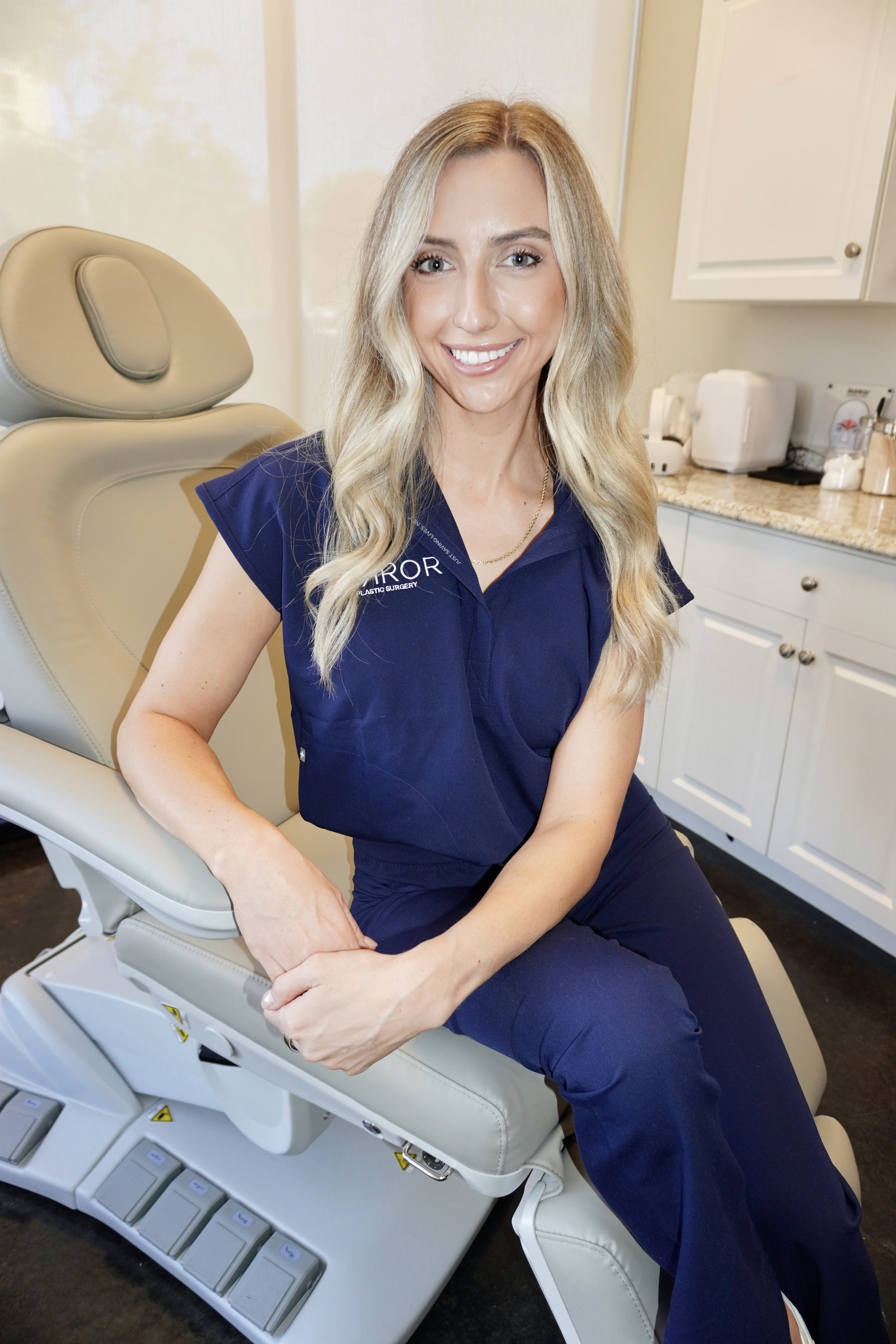
Her approach emphasizes education and transparency, explaining the science behind each recommendation so patients understand both the plan and the reasoning. This educational focus supports her commitment to long-term results over short-term revenue, and she often advises patients to delay or skip treatments when they are not yet necessary. Patients gain a trusted partner who values honest guidance and sustainable progress.
Ongoing support includes direct text access, video demonstrations for safe administration, and regular protocol adjustments based on how you respond. This concierge model combines medical oversight with real-time communication to keep treatment effective and safe from start to finish.
Pricing, Coverage, and Who Qualifies in Tampa
Insurance rarely covers peptide therapy because most uses remain off-label. Patients typically invest out of pocket for these wellness and anti-aging protocols.
Mirror Plastic Surgery provides personalized quotes after your consultation and lab analysis. Each patient receives a custom plan and price based on their health status, goals, and required peptide combinations. The investment reflects pharmaceutical-grade sourcing, detailed medical oversight, and ongoing concierge support that protect both safety and outcomes.
Get your personalized quote and treatment plan by booking a consultation with Ellie today.
Frequently Asked Questions
Are peptides FDA-approved?
Many peptides do not have full FDA approval for every use, yet they are used worldwide with clinical trials spanning more than a decade. The main risk comes from unregulated sources rather than the molecules themselves. At Mirror Plastic Surgery, patients receive in-depth consultations that may include lab panels, peptides from vetted suppliers with known quality and batch testing, and medical support before, during, and after therapy.
What are the risks of using peptides without medical supervision?
Unsupervised peptide use can expose you to contaminated products, incorrect dosing, and a lack of safety monitoring. As mentioned earlier, nearly half of online peptide products contain contaminants or inaccurate dosing, which raises the risk of side effects and poor results. Professional supervision also helps with proper injection technique, interaction checks, and timely adjustments if your body responds unexpectedly.
Can collagen peptides help with more than just anti-aging?
Collagen peptides support more than cosmetic improvements. They can help joint health, reduce systemic inflammation, speed wound healing, and support patients with certain autoimmune concerns. Mirror’s Glow Stack targets several of these pathways at once to promote both appearance and overall wellness.
Why do results vary between patients?
Peptide therapy results depend on genetics, baseline health, lifestyle, and how closely patients follow their protocols. This variation makes a personalized approach essential rather than optional. Mirror’s comprehensive lab analysis and custom Glow Stack design aim to maximize each person’s response potential.
What happens if I stop taking collagen peptides?
Benefits usually fade once peptide therapy stops, similar to pausing any ongoing health regimen. Natural aging patterns and inflammation gradually return to baseline over time. Maintenance protocols can help preserve improvements while still allowing for planned breaks in treatment.
Conclusion
Mirror Plastic Surgery stands out as Tampa’s premier choice for supervised collagen peptide therapy by combining expert medical oversight, tailored Glow Stack protocols, and concierge-level support. Ellie Pranckevicius’s critical-care and aesthetics background, paired with Dr. Akash Chandawarkar’s surgical expertise, creates a high standard of safety and results.
Ready to start your collagen peptide journey? Book an appointment with Ellie at 727-361-6515 or email hello@mirrorplasticsurgery.com. Visit Mirror Plastic Surgery at 780 4th Ave S, St. Petersburg, FL 33701, and follow @mirrorplasticsurgery on Instagram for real patient stories and updates.
Disclaimer: Results may vary from person to person. Editorial content, before and after images, and patient testimonials do not constitute a guarantee of specific results.
Disclaimer: Peptide therapy is intended for wellness and optimization purposes and is not prescribed to diagnose, treat, cure, or prevent disease unless specifically stated. Many peptides are not FDA-approved and may be used off-label. Some have limited long-term safety data, with a potential for unknown risks, complications, or desensitization with prolonged use.