
Written by: Ellie Pranckevicius, FNP-BC, Aesthetic Nurse Practitioner & Aesthetic Injector | Facial Restoration & Regenerative Injectable Specialist, Mirror Plastic Surgery
Key Takeaways
- Collagen peptides reduce autoimmune inflammation by lowering pro-inflammatory cytokines such as TNF-α, IL-1β, and IL-6 through NF-κB and MAPK pathway inhibition.
- They increase regulatory T cells and shift macrophages toward an M2 profile, which correlates with 30-50% reductions in rheumatoid arthritis pain and better gut permeability in IBD.
- Mirror Plastic Surgery’s Glow Stack (GHK-Cu, BPC-157, TB500) supports tissue repair, gut healing, and broad inflammation control under direct medical supervision.
- Medical-grade peptides provide higher purity and more reliable potency than over-the-counter supplements, so professional oversight helps avoid contamination and dosing risks from unregulated sources.
- Schedule a personalized consultation at Mirror Plastic Surgery with Ellie Pranckevicius, FNP-BC, for tailored peptide protocols that address your specific autoimmune inflammation pattern.
How Collagen Peptides Help Autoimmune Inflammation
Collagen peptides serve as effective adjunct therapy for autoimmune inflammation through several coordinated mechanisms. Collagen peptide fragments induce regulatory T cells (Tregs) and polarize macrophages toward an M2-like phenotype, which calms immune responses to endogenous collagen and reduces tissue inflammation. Recent meta-analyses report 30-50% reductions in rheumatoid arthritis joint pain and measurable improvements in inflammatory bowel disease gut permeability markers.
The following table highlights three medical-grade peptides frequently used in autoimmune inflammation protocols and shows how each targets a different aspect of repair and immune balance.
|
Peptide |
Primary Mechanism |
Autoimmune Benefits |
|
GHK-Cu |
Collagen synthesis, anti-fibrotic |
Reduces RA joint fibrosis, skin inflammation |
|
BPC-157 |
Gut barrier restoration |
Heals intestinal permeability in IBD |
|
TB500 |
Tissue repair, wound healing |
Reduces psoriatic lesions and joint inflammation |
Medical-grade peptides deliver superior purity and potency compared with over-the-counter supplements. Research-grade peptides sold without prescriptions for “non-human use” can have purity levels as low as 60%, which increases toxicity and adverse event risks compared with pharmaceutical-grade products. This quality gap makes professional supervision critical for safe and effective treatment.
Comparing Medical-Grade Collagen Peptide Therapy Paths
Medical-grade collagen peptide therapy includes several paths that differ in dosing precision, therapeutic scope, and level of medical oversight. Understanding these differences helps you choose an approach that balances safety, symptom relief, and long-term immune support.
The table below compares four common options by dosing protocol, autoimmune benefits, and supervision level so you can see how comprehensive care contrasts with unsupervised or unregulated use.
|
Option |
Dosing Protocol |
Autoimmune Benefits |
Supervision Level |
|
Mirror’s Glow Stack |
Customized based on consultation and labs |
Comprehensive inflammation reduction, tissue repair |
Full concierge care with Ellie |
|
Standalone GHK-Cu |
Customized based on consultation and labs |
Targeted skin and joint inflammation |
Medical supervision available |
|
OTC Collagen Supplements |
5-15g oral daily |
Limited bioavailability, minimal effects |
No professional guidance |
|
Online Peptide Sources |
Variable, unverified |
Unpredictable, potentially harmful |
No medical oversight |
Effective peptide support for autoimmune disease often combines several mechanisms, such as gut repair, tissue regeneration, and immune modulation, rather than relying on a single peptide alone.
Mirror Plastic Surgery’s Glow Stack: A Personalized Peptide Plan
Mirror Plastic Surgery focuses on highly individualized peptide care for inflammation instead of one-size-fits-all protocols. The Glow Stack combines GHK-Cu, BPC-157, and TB500 to address several inflammatory pathways at once while supporting tissue regeneration and more balanced immune activity.
The concierge experience starts with a 30-60 minute consultation with Ellie Pranckevicius, FNP-BC, that includes a detailed medical history review. This history guides targeted laboratory testing such as thyroid function, inflammatory markers, and autoimmune panels. Together, the clinical history and lab data create a clear picture of each patient’s inflammatory profile and treatment goals, which supports precise protocol customization.
Quality assurance remains central to this process, with all peptides sourced from reputable providers that use rigorous batch testing. This pharmaceutical-grade foundation pairs with continuous monitoring, so patients receive 24/7 text access to Ellie for support, dosing adjustments, and side effect management. To help patients follow protocols correctly and know what to report, the practice provides detailed video demonstrations that explain both administration techniques and the mechanisms behind each protocol change.
Documented outcomes include psoriasis reversal, marked improvements in rheumatoid arthritis inflammatory markers, and smoother post-surgical recovery. Many patients notice early changes within the first week, and benefits often build over several months as inflammation calms and tissues repair.
Safety, Risks, and Why Supervision Protects You
The broader peptide market carries real safety concerns that highlight the value of medical supervision. The FDA warns that synthetic peptides not approved by the agency can trigger serious reactions, including allergies, and has banned their production by compounding pharmacies in the United States, although personal use remains legal; many gray market peptides are sold online as “for research purposes only” and are often sourced from China.
Professional oversight at Mirror Plastic Surgery, guided by Ellie’s expertise, provides evidence-based dosing, verified pharmaceutical-grade sourcing, and ongoing monitoring for side effects. This model contrasts with online telemedicine services or self-directed use, where dosing mistakes, contamination, and mislabeled products can create significant health risks.
Ellie Pranckevicius, FNP-BC: Clinical Expertise Behind the Protocol
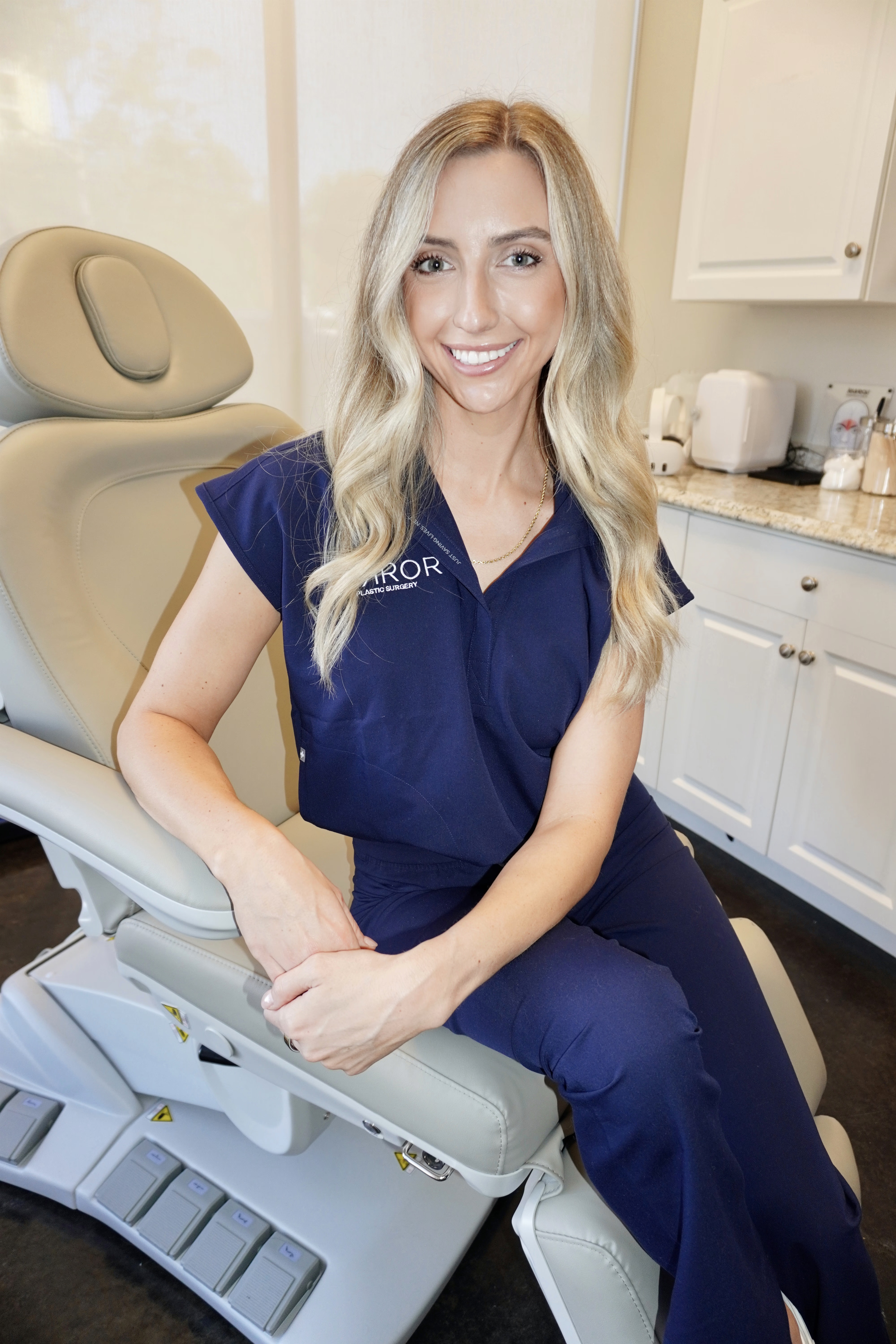
Ellie Pranckevicius blends advanced clinical training with aesthetic experience to guide peptide therapy at Mirror Plastic Surgery. She is a board-certified Family Nurse Practitioner who earned her Bachelor’s in Health Science from Boston University and completed both Bachelor’s and Master’s degrees in Nursing at the University of South Florida.
Her background includes four years in the Neuroscience ICU at Tampa General Hospital, where she managed complex, critically ill patients. That experience deepened her understanding of intricate physiology and autoimmune pathophysiology. Combined with specialized esthetician training, this foundation positions Ellie to address both clinical and aesthetic concerns related to autoimmune inflammation through carefully designed peptide protocols.
Conclusion: Why Personalized, Supervised Peptide Therapy Matters
Collagen peptides influence autoimmune inflammation through several pathways, including immune modulation, tissue repair, and gut barrier support, yet their benefits depend heavily on purity and correct dosing. Mirror Plastic Surgery’s Glow Stack brings together GHK-Cu, BPC-157, and TB500 under Ellie’s medical supervision to target these mechanisms in a coordinated way while avoiding the contamination and dosing issues common with unregulated sources. This personalized, medically supervised approach turns peptide therapy from a risky experiment into a structured, evidence-informed treatment strategy.
Contact Information: 727-361-6515 | hello@mirrorplasticsurgery.com | 780 4th Ave S, St. Petersburg, FL 33701 | Instagram: @mirrorplasticsurgery
Frequently Asked Questions
What are the best peptides for autoimmune disease?
The Glow Stack combination of GHK-Cu, BPC-157, and TB500 offers a broad approach to autoimmune inflammation management. GHK-Cu supports collagen synthesis and anti-fibrotic pathways, BPC-157 focuses on gut barrier restoration that many autoimmune conditions require, and TB500 promotes tissue repair and wound healing. Together, they address several inflammatory pathways at once, which often works better than single-peptide approaches for complex conditions such as rheumatoid arthritis, lupus, and inflammatory bowel disease.
Are collagen peptides good for autoimmune conditions?
Collagen peptides provide meaningful support for autoimmune conditions by modulating immune activity and reducing inflammation. They increase regulatory T cells and promote anti-inflammatory macrophage polarization, which helps quiet the overactive immune responses seen in autoimmune disease.
Clinical evidence supports the meta-analytic findings mentioned earlier and includes studies that show sustained improvements over 6-12 month treatment periods. Medical-grade peptides with accurate dosing and supervision consistently outperform over-the-counter supplements that have lower bioavailability and less predictable quality.
How do BPC-157 and TB500 compare for inflammation?
BPC-157 and TB500 work in complementary ways within the Glow Stack protocol. BPC-157 excels at restoring the gut barrier and reducing systemic inflammation, which benefits autoimmune conditions with gastrointestinal involvement.
TB500 focuses on soft tissue repair and wound healing, targeting localized inflammation in joints, muscles, and skin. Used together, they cover both systemic and localized inflammatory processes, which explains their frequent pairing in advanced peptide stacks.
Are peptides FDA-approved for autoimmune treatment?
Most peptides used for autoimmune inflammation do not carry specific FDA approval for these indications, although more than 100 FDA-approved medications use peptide structures. This regulatory gap makes medical supervision especially important for safe and effective care. At Mirror Plastic Surgery, Ellie relies on evidence-based protocols, pharmaceutical-grade sourcing, and continuous monitoring to maximize benefit while reducing risks associated with unregulated peptide use.
What is the strongest anti-inflammatory peptide?
The Glow Stack (GHK-Cu, BPC-157, TB500) at Mirror Plastic Surgery delivers broad anti-inflammatory support within personalized protocols for autoimmune conditions. GHK-Cu encourages collagen production and tissue repair, while BPC-157 and TB500 address systemic and soft tissue inflammation. Ellie tailors dosing and combinations to each patient’s needs under medical supervision to address both acute flares and chronic inflammatory patterns.
Disclaimer: Results may vary from person to person. Editorial content, before and after images, and patient testimonials do not constitute a guarantee of specific results.
Disclaimer: Peptide therapy is intended for wellness and optimization purposes and is not prescribed to diagnose, treat, cure, or prevent disease unless specifically stated. Many peptides are not FDA-approved and may be used off-label. Some have limited long-term safety data, with a potential for unknown risks, complications, or desensitization with prolonged use.