
Written by: Ellie Pranckevicius, FNP-BC, Aesthetic Nurse Practitioner & Aesthetic Injector | Facial Restoration & Regenerative Injectable Specialist, Mirror Plastic Surgery | Last updated: July 27, 2026
Key Takeaways
- Collagen peptide therapy uses targeted amino acid sequences to signal collagen and elastin production instead of simply adding volume.
- Costs depend on peptide type, delivery method, and medical oversight, with supervised injectables including baseline labs and ongoing monitoring.
- Risks include liver toxicity, immune reactions, and limited FDA oversight for many injectable peptides, so medical supervision and lab testing are essential.
- Evidence-supported collagen peptides include GHK-Cu, Palmitoyl Pentapeptide-4, BPC-157, TB-500, and oral hydrolyzed collagen, each with specific roles and delivery routes.
- Tampa Bay patients can work with Mirror Plastic Surgery for lab-driven collagen peptide protocols tailored to their health history and aesthetic goals.
Average Cost of Collagen Peptide Therapy in Tampa Bay
Collagen peptide therapy pricing reflects the peptide class, delivery route, lab work, and level of clinical oversight. Supervised injectable protocols with baseline bloodwork, follow-up labs, and concierge support cost more than over-the-counter oral or topical options. Direct-to-consumer lab services such as Ulta Lab Tests, Quest, and LabCorp offer a universal baseline panel for about $150–$250, with protocol-specific add-ons for another $50–$100, bringing comprehensive baseline labs to roughly $300–$400. At Mirror Plastic Surgery, each patient receives a personalized quote during consultation, because protocols are built around individual lab results, health history, and treatment goals.
Medical Risks and Downsides of Collagen Peptide Therapy
The risk profile of collagen peptide therapy depends heavily on how the peptide is delivered and how closely it is supervised. Systemic administration of GHK-Cu bypasses normal copper homeostasis regulated by ceruloplasmin and hepatic excretion, raising risks of hepatotoxicity, pro-oxidant Fenton-type radical generation, and potential contributions to neurodegeneration, with no established therapeutic index for cosmetic purposes in healthy adults. Beyond copper-specific toxicity, injectable peptides as a class carry immunologic risks that differ from their intended signaling effects. Some injectable peptides could trigger abnormal immune responses, including allergic reactions and autoimmune issues, in some people.
Newer injectable peptides marketed for anti-aging lack FDA approval, with dosing, frequency, and safety data primarily derived from anecdotal reports rather than standardized clinical trials. Peptides influencing growth or repair pathways could theoretically promote existing tumor growth or disrupt endocrine function. These factors support a cautious approach in which baseline lab testing and ongoing clinical monitoring remain non-negotiable parts of a responsible protocol.
Evidence-Supported Peptides for Collagen Production
Several peptides carry stronger evidence for collagen support than others.
- GHK-Cu (Copper Tripeptide-1): Acts as a carrier peptide that delivers copper ions as cofactors for lysyl oxidase, supporting cross-linking of collagen and elastin fibers while modulating MMP expression to reduce inflammation and accelerate regeneration.
- Palmitoyl Pentapeptide-4 (Matrixyl): A double-blind, placebo-controlled study on 93 women found that 3 ppm (0.0003%) Matrixyl significantly improved fine lines and skin appearance after 12 weeks of twice-daily topical use.1
- BPC-157 (Body Protective Compound 157): Influences angiogenesis, collagen synthesis, and cellular repair pathways, although human clinical trials on BPC-157 for these outcomes are absent from the peer-reviewed literature.
- TB-500 (Thymosin Beta-4): Supports soft tissue inflammation control and wound repair and is typically used in shorter cycles of 4 to 12 weeks alongside other collagen-supporting peptides.
- Hydrolyzed Collagen Peptides (oral): Bioactive collagen peptides containing hydroxyproline act as signaling molecules that stimulate dermal fibroblasts to increase production of type I collagen, elastin, and hyaluronic acid while inhibiting MMP-1 and MMP-3 enzymes that degrade collagen.
Provider Comparison Scorecard for Tampa Bay Patients
Choosing a collagen peptide provider involves more than checking whether a peptide is available. Clinical infrastructure determines safety, dosing accuracy, and long-term outcomes. The table below compares Tampa Bay provider categories across four non-negotiable criteria drawn from published best-practice standards: peptide sourcing transparency, baseline lab requirements, supervision credentials, and between-visit access. These factors separate providers who treat peptide therapy as a medical protocol from those who treat it as a retail product. Individual provider names are omitted per editorial policy, and all criteria are cited inline.
| Provider Type | GHK-Cu Availability | Lab Testing Protocol | Supervision Level | Concierge Access |
|---|---|---|---|---|
| Board-certified FNP-BC practice with ICU background (St. Petersburg, FL) | GHK-Cu available as standalone and as part of the Glow Stack (GHK-Cu, BPC-157, TB-500), sourced from licensed compounding pharmacies with batch testing | Comprehensive baseline labs (CMP, CBC, hormone panel, hsCRP, fasting glucose/insulin) before protocol initiation, with follow-up at 4–8 weeks and every 3–6 months | Board-certified FNP-BC with ICU background following a four-step protocol of consultation, baseline labs, personalized plan, and ongoing follow-up | 24/7 direct text access to the prescribing clinician, with telemedicine available nationwide |
| High-Volume Medical Spa (Tampa Bay, general) | Generic peptide offerings common, with GHK-Cu specificity and sourcing transparency varying by location | A clinician who prescribes peptides without ordering baseline labs is guessing, because labs provide data on efficacy, safety, and dose calibration that symptom-based monitoring alone cannot capture, and lab protocols remain inconsistent at many high-volume spas | Supervision level varies, and licensed aestheticians may administer without direct prescriber oversight | Appointment-based care with limited between-visit access |
| Generalized Telemedicine Peptide Clinic | Some platforms offer GHK-Cu, and telehealth-prescribed peptide therapies represent an emerging 2026 trend, although personalization depth varies | Baseline labs sometimes required, with follow-up monitoring frequency inconsistent across platforms | Licensed prescriber on record, yet high-quality peptide care requires personalization at the start of treatment and again during follow-up monitoring rather than static one-size-fits-all protocols | Asynchronous messaging common, with limited real-time access |
| Online Peptide Retailer (no supervision) | GHK-Cu widely listed and labeled “for research use only” | No FDA oversight, with products often manufactured overseas under murky circumstances and potentially containing contaminants and impurities | No medical supervision, and unregulated injectable peptides sold online may be mislabelled, contaminated, or incorrectly dosed, creating risks of infection, abscesses, and tissue damage when self-administered without sterile technique | None |
| Biostimulator Injectable Clinic (Sculptra/Radiesse focus) | GHK-Cu not typically offered, with focus on PLLA and CaHA injectables | Pre-treatment assessment standard, with no systemic lab panel required for biostimulator injectables | Physician or NP injection, and technique and provider selection are especially important because biostimulatory fillers are not reversible with dissolving enzymes | Appointment-based care with follow-up sessions at 4–6 week intervals for Sculptra (2–3 sessions) or 1–2 sessions for Radiesse |
| Functional Medicine / Longevity Clinic | GHK-Cu availability varies, and precision medicine approaches in 2026 increasingly use genetic variants and biomarker panels to guide personalized peptide selection | Comprehensive lab panels common, often using a tiered testing strategy from Tier 1 essentials through Tier 3 comprehensive markers | MD or DO oversight typical, with aesthetic collagen goals sometimes secondary to systemic health priorities | Access varies, with some clinics offering concierge models and others using standard appointment schedules |
The Glow Stack Protocol at Mirror Plastic Surgery
The Glow Stack at Mirror Plastic Surgery combines three peptides that target collagen production, systemic inflammation, and soft tissue repair through complementary mechanisms.
GHK-Cu functions as the collagen anchor of the stack. Pickart et al. (2023) used next-generation RNA-seq to show that GHK-Cu modulates expression of 4,231 human genes in fibroblasts, upregulating those encoding DNA repair enzymes (BRCA1, ATM), extracellular matrix proteins (COL1A1, COL3A1, ELN), and antioxidant enzymes (SOD1, SOD2, GPX). GHK-Cu plasma levels decline from 200 ng/mL at age 20 to 80 ng/mL at age 60, which correlates with reduced skin repair capacity. No 2024 Badenhorst RCT matching the described design and results exists; the relevant Badenhorst GHK-Cu study appeared in 2016 in the Journal of Aging Science.
BPC-157 supports the inflammatory environment that shapes collagen remodeling. Tissue repair peptides such as BPC-157 influence angiogenesis, collagen synthesis, and cellular repair pathways, although human clinical trials on BPC-157 for these outcomes are absent from the peer-reviewed literature. Its role in the Glow Stack centers on systemic anti-inflammatory effects, with a focus on muscle, tendon, ligament, and joint repair.
TB-500 contributes wound-repair and soft-tissue regeneration activity. Tissue repair peptides like BPC-157 and TB-500 are typically used in shorter cycles of 4 to 12 weeks. Together, the three peptides create a protocol that targets reduced body inflammation alongside improvements in hair, skin, and nail health.
All three peptides in the Glow Stack lack the FDA approval discussed earlier for systemic use, and the human evidence base for injectable administration remains limited. The Mirror Plastic Surgery clinician reviews each patient’s lab results and health history before recommending this stack to confirm that the protocol matches the individual’s physiology and risk profile.
How to Choose a Collagen Peptide Therapy Provider
A structured decision framework helps Tampa Bay residents look beyond marketing and focus on safety and personalization. The steps below are sequenced to rule out unsafe options first, then compare qualified providers on access and customization. Steps 1 through 3 act as disqualifiers, and any provider who fails them should be removed from consideration. Steps 4 through 6 help distinguish solid providers from exceptional ones.
- Confirm baseline lab requirements. Baseline blood testing must be performed before starting any peptide protocol to establish a reference point and identify contraindications such as pre-existing liver, kidney, or hormonal issues. A provider who skips this step is not following responsible oversight standards.
- Verify peptide sourcing. Peptide therapy should be sourced from licensed compounding pharmacies and supervised by a licensed medical professional, because the FDA actively reviews and may reclassify peptide compounds.
- Assess supervision credentials. The prescribing clinician should hold an active license, yet licensure alone does not guarantee relevant expertise. Clinical experience in physiology or critical care provides the systems-level knowledge needed to interpret labs and adjust protocols safely. The clinician also needs to be reachable between appointments for questions or adverse event reporting, because peptide protocols often require mid-cycle adjustments.
- Evaluate follow-up monitoring cadence. A practical monitoring framework includes comprehensive baseline labs, protocol-specific markers at 4–8 weeks, HbA1c and metabolic markers at 3 months, a full panel at 6 months, and comprehensive labs every 6–12 months during ongoing protocols.
- Understand maintenance requirements. Collagen peptide therapy functions as an ongoing protocol rather than a single-session treatment. Sustained results require consistent use and periodic reassessment based on updated lab data and clinical response.
- Clarify concierge access. Direct, real-time access to the prescribing clinician between appointments represents a meaningful advantage, especially for patients managing complex stacks or post-surgical recovery protocols.
Collagen Peptide Therapy vs. Biostimulators Such as Sculptra
Collagen peptide therapy and biostimulatory injectables both aim to increase dermal collagen density, yet they work through different mechanisms, carry different regulatory statuses, and fit different clinical situations.
Collagen-focused peptide therapies such as GHK-Cu primarily signal fibroblasts to increase collagen and extracellular matrix production through mechanisms including matrikine-like signaling, copper chelation to activate lysyl oxidase, or direct substrate-like cues that replenish structural building blocks. These effects remain systemic when delivered by injection and localized when applied topically.
Biostimulatory injectables such as Sculptra (poly-L-lactic acid) and Radiesse (calcium hydroxylapatite) activate fibroblasts through a controlled inflammatory response that leads to neocollagenesis, rather than directly supplying collagen or simply filling space. Sculptra is FDA-approved for the correction of shallow to deep nasolabial fold contour deficiencies and for the restoration of facial fat loss in people with HIV. Radiesse is FDA-approved for subdermal implantation to correct moderate to severe facial wrinkles and folds, such as nasolabial folds, and for hand augmentation to correct volume loss in the dorsum of the hands.
These different mechanisms create several practical distinctions.
- Reversibility: Biostimulatory fillers such as Sculptra and Radiesse are not reversible with dissolving enzymes, unlike hyaluronic acid fillers. Peptide therapy protocols can be paused or adjusted at any time.
- Regulatory status: Sculptra and Radiesse carry FDA approval for specific indications. Collagen peptides remain outside any regulated evidence framework for systemic use, so injectable or compounded use occurs off-label.
- Nodule risk: Biostimulatory fillers carry a specific risk of nodule formation, which can be reduced with appropriate dilution and post-treatment massage protocols.
- Systemic vs. localized effect: Biostimulators act only at the injection site. Peptide therapy, particularly injectable GHK-Cu stacks, targets systemic collagen pathways affecting skin, hair, nails, and connective tissue at the same time.
Risks of Unsupervised Online Peptides
Unregulated injectable peptides may contain contaminants and impurities because they are often manufactured overseas under murky circumstances with no FDA oversight. When self-administered without sterile technique, these products create risks of infection, abscesses, and tissue damage, and because they may be mislabelled or incorrectly dosed, users cannot reliably assess what they are injecting or at what concentration.
GHK-Cu requires serum copper and ceruloplasmin baseline testing and annual monitoring with chronic injectable use, and Wilson’s disease is an absolute contraindication because copper is redox-active and accumulates. Without pre-screening, a patient with undiagnosed copper metabolism dysfunction faces serious hepatic risk from unsupervised GHK-Cu injection.
Some experts caution that many health claims for peptides promoted online have not been vetted by the FDA or expert groups. Concerns also remain about the level of statistically significant evidence available to recommend newer injectable peptides for anti-aging uses.
Post-Treatment Timelines and Variability of Results
Collagen peptide therapy produces results on a timeline that depends on peptide class, delivery route, and individual physiology. Published trial data provide several useful reference points.
- 4 weeks: A 1988 study found that GHK-Cu stimulated collagen synthesis in fibroblast cultures. Early clinical improvements in hydration and inflammation markers may appear at this stage.1
- 8 weeks: Proksch et al. found that 2.5 g of collagen peptides daily for 8 weeks significantly reduced eye wrinkle volume by 20% compared to placebo, with effects measurable up to 4 weeks after supplementation.1
- 12 weeks: Studies using topical GHK-Cu have demonstrated increases in collagen and elastin density measured by subdermal echogenicity after 12 weeks of use.1
- Individual variability: A 2026 systematic review and meta-analysis in Frontiers in Medicine evaluated the use of peptide therapies for skin aging. Genetics, baseline collagen density, diet, lifestyle, and protocol adherence all influence individual outcomes.1
Signal peptides typically require 8 to 12 weeks of consistent use to rebuild collagen architecture.1 Patients should expect some variability in response, and lab-driven reassessment at 4–8 weeks allows protocol adjustments before the full 12-week cycle concludes.1
Practitioner Expertise: Ellie Pranckevicius, FNP-BC
Ellie Pranckevicius, FNP-BC, leads peptide therapy and non-surgical aesthetics at Mirror Plastic Surgery. She holds a Bachelor’s in Health Science from Boston University, completed an aesthetics licensure program, and earned both her Bachelor’s and Master’s in Nursing from the University of South Florida. Her clinical foundation includes four years in the Neuroscience ICU at Tampa General Hospital, where she developed advanced expertise in physiology, metabolic health, and complex patient recovery, which directly informs her approach to lab-driven peptide personalization.
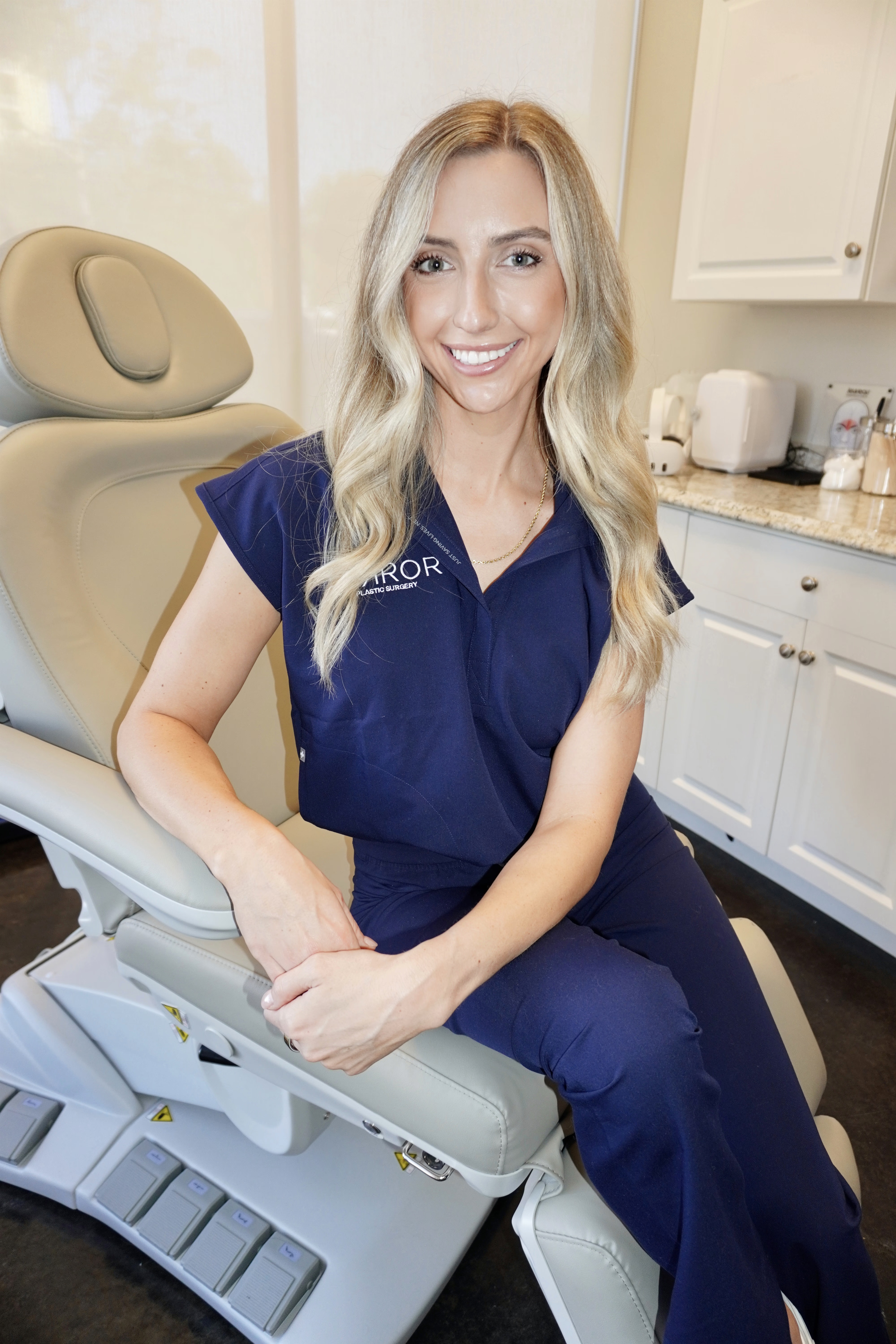
Ellie began her career at a high-end medical spa in Boston, giving her a dual perspective that blends aesthetic assessment with clinical science. Her approach to peptide therapy mirrors her broader philosophy on aesthetics: education and honesty first, with protocols built around each patient’s lab results and health history instead of standardized templates. When a service or product is not yet necessary, Ellie explains that clearly, a transparency that distinguishes Mirror Plastic Surgery’s concierge model from higher-volume alternatives. Patients have direct 24/7 text access to Ellie throughout their protocol, and telemedicine is available for patients across the United States.
Summary: Choosing a Safe, Personalized Collagen Peptide Plan
Selecting a collagen peptide therapy provider in Tampa Bay requires careful evaluation of supervision credentials, lab testing rigor, peptide sourcing standards, and the quality of ongoing clinical access rather than marketing claims. Peptide therapies were generally well tolerated across 19 randomized controlled trials, with minimal adverse events and no serious safety concerns identified in supervised settings. Unsupervised online sourcing lacks that safety net, because purity, dosing accuracy, and contraindication screening are missing.
Mirror Plastic Surgery’s collagen peptide protocols, including standalone GHK-Cu and the Glow Stack, rely on in-depth lab analysis, batch-tested sourcing from licensed compounding pharmacies, and direct concierge oversight from Ellie Pranckevicius, FNP-BC. Precision medicine approaches in 2026 increasingly identify subpopulations most likely to benefit from specific peptides using genetic variants, aging clocks, and biomarker panels, and Mirror Plastic Surgery’s lab-first model already aligns with this direction.
Frequently Asked Questions
Is GHK-Cu safe for systemic injection, and how does Mirror Plastic Surgery manage that risk?
GHK-Cu is a naturally occurring copper-binding peptide that declines with age, and its topical evidence base is well established. For injectable use, the safety picture becomes more complex. Systemic administration bypasses the body’s normal copper regulation mechanisms, which can create risks including copper accumulation, liver stress, and pro-oxidant effects at high doses. At Mirror Plastic Surgery, Ellie Pranckevicius requires baseline serum copper and ceruloplasmin testing before any GHK-Cu injectable protocol, screens for contraindications such as copper metabolism disorders, and monitors liver enzymes at follow-up intervals. Peptides are sourced exclusively from licensed compounding pharmacies with batch testing documentation. This multi-step screening process separates a supervised injectable protocol from purchasing the same compound online without any clinical oversight.
How is the Glow Stack different from a Sculptra or Radiesse treatment?
Sculptra and Radiesse are FDA-approved biostimulatory injectables that work by triggering a localized inflammatory response at the injection site, prompting the body to produce new collagen in that specific area over weeks to months. They are administered in-office by injection and are not reversible. The Glow Stack, which combines GHK-Cu, BPC-157, and TB-500, operates systemically, signaling fibroblasts throughout the body to upregulate collagen and elastin production while also addressing inflammation and soft tissue repair. The Glow Stack is not FDA-approved for systemic use, which is why lab-based screening and medical supervision are required. The two approaches are not interchangeable, and some patients may benefit from one, the other, or a complementary combination, which Ellie determines during consultation.
What lab work does Mirror Plastic Surgery require before starting a collagen peptide protocol?
Before starting any peptide protocol, Ellie Pranckevicius reviews a comprehensive baseline panel that includes a Comprehensive Metabolic Panel (CMP) for liver and kidney function, a Complete Blood Count (CBC), fasting glucose and insulin, a lipid panel, thyroid markers (TSH, free T3, free T4), and high-sensitivity C-reactive protein (hsCRP) as an inflammatory baseline. For GHK-Cu injectable protocols, serum copper and ceruloplasmin are added. For patients with weight management or hormonal concerns, a full hormone panel including IGF-1, testosterone, estradiol, DHEA-S, and cortisol is incorporated. Follow-up labs are scheduled at 4–8 weeks after protocol initiation, with ongoing monitoring every 3–6 months. If a patient does not have recent labs, Mirror Plastic Surgery can order them directly as part of the consultation process.
How long does it take to see results from collagen peptide therapy?
Timeline varies by peptide class, delivery route, and individual physiology. Patients on GHK-Cu protocols may notice early improvements in skin hydration and texture within the first four weeks.1 Measurable changes in collagen density, wrinkle depth, and skin firmness typically appear between 8 and 12 weeks of consistent use, which aligns with published randomized controlled trial data.1 Inflammatory markers such as hsCRP may improve earlier, often within the first four to six weeks, and Ellie monitors these through follow-up lab testing.1 Individual results depend on genetics, baseline collagen status, diet, lifestyle, and protocol adherence.1 Ellie sets realistic expectations during the initial consultation and adjusts protocols based on lab data and clinical response rather than waiting for a fixed endpoint.
1 Results may vary from person to person. Editorial content, before and after images, and patient testimonials do not constitute a guarantee of specific results.
Peptide therapy is intended for wellness and optimization purposes and is not prescribed to diagnose, treat, cure, or prevent disease unless specifically stated. Many peptides are not FDA-approved and may be used off-label. Some have limited long-term safety data, with a potential for unknown risks, complications, or desensitization with prolonged use.