
Written by: Ellie Pranckevicius, FNP-BC, Aesthetic Nurse Practitioner & Aesthetic Injector | Facial Restoration & Regenerative Injectable Specialist, Mirror Plastic Surgery | Last updated: March 13, 2026
Key Takeaways
- Collagen production declines about 1% each year after age 40, which contributes to wrinkles, sagging, and reduced elasticity. Targeted peptide therapies outperform basic supplements.
- GHK-CU copper peptides remain the leading option for collagen and elastin support, with clinical improvements in skin thickness and elasticity within 4 to 8 weeks.
- BPC-157 and TB500 support inflammation control, tissue repair, and sagging skin, and combination stacks can accelerate recovery and rejuvenation.
- Medically supervised protocols such as Mirror Plastic Surgery’s Glow Stack provide safer dosing, higher quality sourcing, and more consistent results than over-the-counter products.
- Schedule a personalized consultation at Mirror Plastic Surgery with Ellie Pranckevicius for evidence-based peptide therapy tailored to your anti-aging goals.
Best Peptides for Aging Skin and Collagen Support
Collagen peptides support aging skin through several well-studied mechanisms. Bioactive collagen peptides increase dermal density by 19.20% after 12 weeks, and clinical trials show ongoing firmness benefits even after stopping treatment. GHK-CU copper peptides and BPC-157 stand out for collagen support, offering stronger and more targeted effects than basic oral supplements through direct cellular signaling and inflammation control.
8 Leading Collagen Peptide Therapies for Anti-Aging Skin in 2026
1. Oral Collagen Peptides like Vital Proteins: Daily Hydration and Maintenance
Oral collagen peptides offer a simple starting point for anti-aging skin support. These hydrolyzed proteins break into smaller peptides that the digestive system can absorb. Clinical research shows modest gains in skin hydration and elasticity with consistent daily doses between 2.5 and 10 grams.
Oral collagen also has clear limitations. Digestive breakdown, variable absorption, and contamination risks with heavy metals such as lead, mercury, and cadmium affect many unregulated products. Daily supplements can help with maintenance, yet they do not match the precision or strength of clinical-grade peptide therapies.
2. Topical Collagen Peptides in Serums and Creams
Topical collagen peptides in serums and creams allow direct application to specific areas. These formulas usually contain small peptide fragments that aim to cross the skin barrier and stimulate local collagen activity. Many people notice quick hydration and a temporary plumping effect that softens the look of fine lines.
Penetration limits remain the main drawback for topical peptides. Most collagen molecules stay near the surface and do not reach deeper dermal layers where structural collagen forms. Topical products can refresh the surface, but they do not correct systemic collagen loss or deeper age-related changes.
3. GHK-CU Copper Peptide: Core Builder for Collagen and Elastin
GHK-CU ranks among the most researched peptides for collagen and elastin support. This naturally occurring copper-binding peptide appears in human plasma and supports regeneration through fibroblast activation, antioxidant effects, and tissue remodeling.
GHK-CU signals skin cells to increase collagen and elastin, which helps rebuild the skin matrix for smoother and more resilient skin. Clinical use shows visible gains in thickness, elasticity, and texture within 4 to 8 weeks. Injectable GHK-CU delivers therapeutic levels directly into target tissues, which provides deeper effects than topical versions.
Schedule your personalized collagen peptide therapy consultation with Ellie to see how GHK-CU can match your specific anti-aging goals through a medically supervised plan.
4. BPC-157: Inflammation Control and Tissue Repair
Body Protective Compound 157, or BPC-157, supports skin health through strong anti-inflammatory and tissue repair actions. Researchers first studied it for gastrointestinal healing, yet it shows systemic benefits that extend to skin regeneration by lowering chronic inflammation that speeds aging.
BPC-157 supports new blood vessel formation, enhances growth factor activity, and protects against oxidative stress. For aging skin, these actions improve healing, reduce inflammation-related damage, and support better nutrient delivery to skin cells. This peptide can help patients who struggle with inflammatory skin concerns that drive premature aging.
5. TB500: Soft Tissue Support for Sagging and Laxity
Thymosin Beta-4, often called TB500, focuses on soft tissue healing and regeneration. This profile makes it useful for sagging skin and loss of structural support. TB500 promotes cell migration, wound repair, and tissue remodeling through actin regulation and growth factor modulation.
For aging skin, TB500 can support better elasticity, faster repair of micro-damage from sun and environmental stress, and stronger overall structure. Many protocols pair TB500 with collagen-focused peptides to address several aspects of aging at the same time.
6. BPC-157 + TB500 Combo: Recovery and Rejuvenation Stack
Combining BPC-157 with TB500 creates a focused stack for recovery and rejuvenation. This pairing targets both inflammation reduction and tissue repair, which often produces more noticeable changes than either peptide alone.
Protocols may alternate or overlap both peptides to take advantage of their complementary actions. Many patients report smoother texture, shorter recovery after aesthetic procedures, and a healthier overall look to the skin. This stack often serves as a midpoint between basic supplements and more advanced clinical programs.
7. NAD + Collagen Peptides: Cellular Energy and Skin Longevity
NAD+ therapy combined with collagen peptides supports cellular energy, DNA repair, and longevity while also improving elasticity and softening wrinkles. This pairing targets aging at the cellular level by supporting mitochondrial function along with structural protein production.
NAD+ (Nicotinamide Adenine Dinucleotide) acts as a key coenzyme for energy production and DNA repair. When paired with collagen peptides, this therapy supports both the energy needed for collagen synthesis and the cell health required for long-term benefits. Personalized peptide plans often combine NAD+ precursors with GHK-Cu and BPC-157 for broad anti-aging support.
8. Mirror Plastic Surgery’s Glow Stack: Comprehensive Medically Guided Protocol
Mirror Plastic Surgery’s Glow Stack combines GHK-CU, BPC-157, and TB500 in a single medically supervised protocol. This combination supports collagen and elastin production, firms the skin, softens fine lines, calms inflammation, and promotes tissue repair.
Under Ellie Pranckevicius’s guidance, the Glow Stack addresses systemic inflammation, melasma, and age-related collagen loss with personalized dosing and administration plans. The program includes lab testing when needed, careful review of underlying health factors, and strict quality controls with batch testing for each peptide.
The Glow Stack stands apart from over-the-counter products through direct medical oversight, tailored dosing, and ongoing support. Many patients notice brighter skin, stronger hair and nails, and better inflammatory markers within the first weeks of treatment.
| Therapy | Key Benefit | Study Evidence | vs. OTC |
|---|---|---|---|
| GHK-CU | Collagen and Elastin Support | Matrix Rebuild | Clinical stronger than topical |
| BPC-157 | Anti-Inflammatory | Tissue Repair | Systemic vs. Local |
| Glow Stack | Comprehensive Anti-Aging | Client Testimonials | Supervised Safety |
Collagen Peptides for Sagging and Lax Skin
Sagging skin develops as collagen and elastin break down, so targeted peptide therapy becomes essential for structural support. Clinical trials show meaningful gains in elasticity with collagen peptide use, with improvements of p<0.0065 in treated groups. Stacks that combine several mechanisms usually outperform single peptides for visible laxity.
Peptide Therapy Benefits and Safety Considerations
Peptide therapies can reduce wrinkles, improve elasticity, and support collagen production, and many clinical studies report favorable safety profiles. Unsupervised use still carries real risks, including heavy metal contamination and allergic reactions from unregulated products.
More serious complications from unsupervised use include hormonal suppression, organ strain, and infections from poor injection technique. Medical guidance helps reduce these risks through proper screening, vetted sourcing, and regular monitoring.
Why Patients Choose Mirror Plastic Surgery for Peptide Therapy
Mirror Plastic Surgery offers concierge-style peptide therapy with full medical oversight for safety and results. Ellie Pranckevicius holds a Master’s in Nursing from the University of South Florida, four years of Neuroscience ICU experience at Tampa General Hospital, and specialized esthetician training that connects cosmetic goals with clinical judgment.
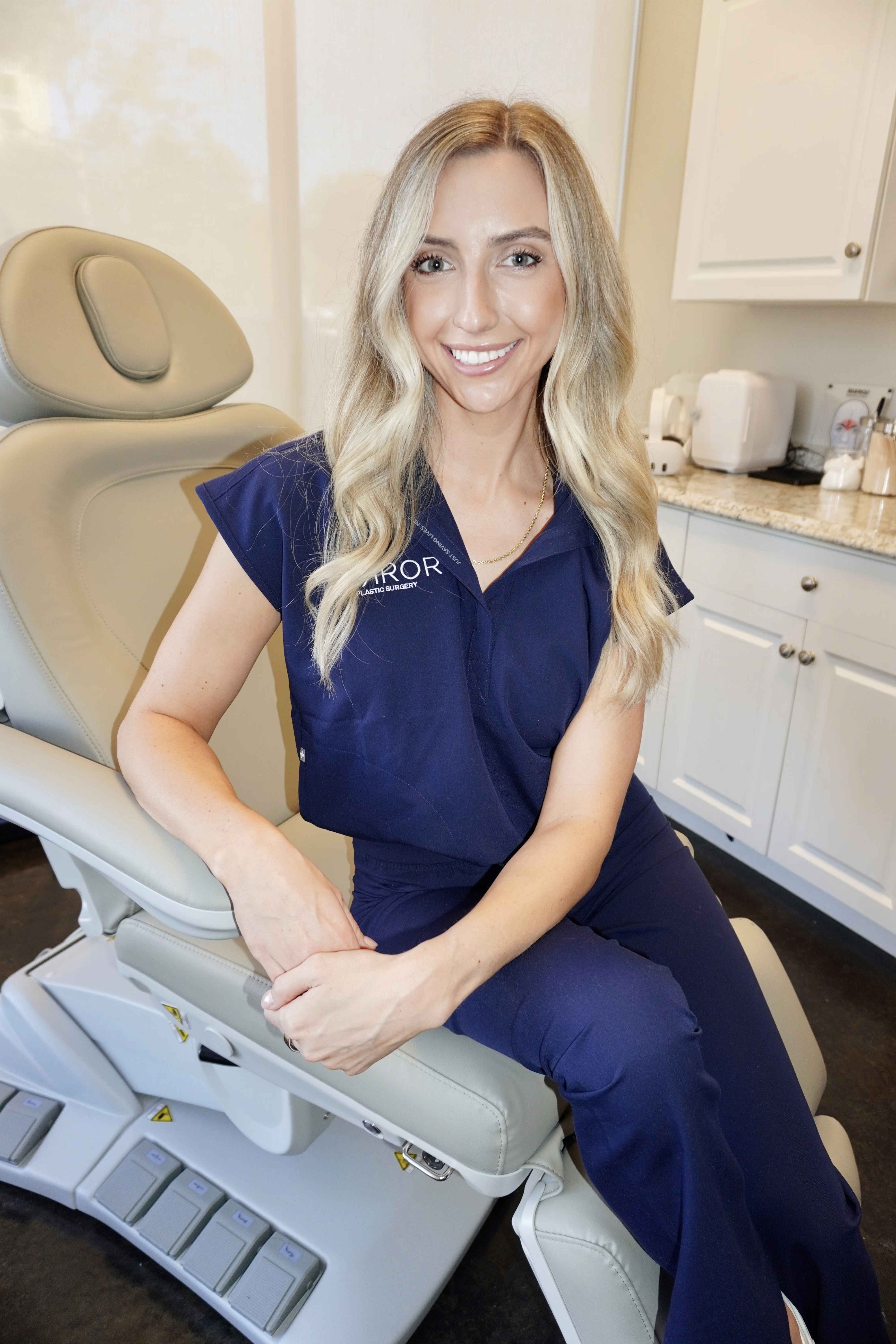
Each 30 to 60 minute consultation includes a detailed medical history, lab work when appropriate, and a customized protocol based on health status and aesthetic goals. This level of assessment contrasts with online peptide sellers that lack medical review, quality control, and tailored dosing.
Quality assurance anchors the program. The practice sources peptides only from reputable providers that complete strict batch testing for purity and potency. This approach reduces contamination risk and supports consistent outcomes.
The concierge model also includes 24/7 text access to Ellie, clear administration instructions with video support, and remote service across the United States. Patients receive education, guidance, and ongoing follow-up so they can use peptide therapy safely and confidently.
Book your comprehensive peptide therapy consultation with Ellie to explore medically supervised options for your anti-aging skin goals.
Frequently Asked Questions About Peptide Therapy
Are Peptides FDA-Approved?
Most peptides used for anti-aging skin fall under compounded medications or research compounds and do not carry formal FDA approval. Many still have over a decade of clinical research supporting their safety and effectiveness when used with medical supervision. Mirror Plastic Surgery supports safety through detailed consultations, lab testing when needed, and sourcing from vetted providers with strict batch verification.
What Are the Risks of Unsupervised Peptide Use?
Unsupervised peptide use can expose patients to contamination with heavy metals or other impurities, incorrect dosing, and injection site infections from poor technique. Interactions with current medications or health conditions may also occur. Mirror Plastic Surgery reduces these risks through careful screening, quality-controlled sourcing, personalized dosing, and continuous monitoring.
Do Peptide Therapy Results Last?
Peptide therapy results require maintenance, similar to other wellness and aesthetic treatments. Duration depends on age, lifestyle, and the specific peptides used. Many patients maintain benefits with periodic cycles or low-dose maintenance plans. Mirror Plastic Surgery designs individualized maintenance schedules that support long-term results while limiting cost and treatment frequency.
What Peptides Work Best for Sagging Skin?
GHK-CU copper peptides and combination stacks such as the Glow Stack often perform best for sagging skin. These options stimulate fibroblasts, increase collagen and elastin, and support tissue remodeling. By signaling cells to build structural proteins and calm inflammation, combination protocols usually create more complete improvements than single peptides.
What Are the Signs That Collagen Peptides Are Working?
Many patients notice better hydration and plumpness within 2 to 4 weeks of starting collagen peptides. By 6 to 8 weeks, firmness and elasticity often improve, and fine lines may soften. Texture, smoothness, and overall radiance usually increase, and some patients also see stronger nails, healthier hair, and faster healing of minor skin issues.
Conclusion: Personalized Peptide Therapy for Youthful Skin
Medically supervised collagen peptide therapies such as Mirror Plastic Surgery’s Glow Stack provide more targeted anti-aging results than over-the-counter supplements. Careful protocols, quality sourcing, and personalized plans help patients achieve safe and effective rejuvenation.
Schedule your personalized collagen peptide therapy consultation with Ellie at Mirror Plastic Surgery today to pursue radiant, youthful skin with evidence-based, medically guided care tailored to your needs.
Disclaimer: Results may vary from person to person. Editorial content, before and after images, and patient testimonials do not constitute a guarantee of specific results.
Disclaimer: Peptide therapy is intended for wellness and optimization purposes and is not prescribed to diagnose, treat, cure, or prevent disease unless specifically stated. Many peptides are not FDA-approved and may be used off-label. Some have limited long-term safety data, with a potential for unknown risks, complications, or desensitization with prolonged use.