

Written by: Dr. Akash Chandawarkar, Board Certified Plastic Surgeon, Mirror Plastic Surgery | Last updated: September 9, 2026
Key Takeaways
- Top med spa injectors in Tampa rely on board-certified physician oversight, surgical-grade anatomy training, and documented safety systems.
- Florida’s growing aesthetics market and new 2026 regulations make real physician involvement and clear emergency protocols essential.
- Elite injectors provide full facial assessments, aim for natural results, and often recommend conservative treatment plans.
- Red flags include absentee medical directors, vague product names, Botox priced far below market, and missing hyaluronidase kits.
- For physician-led injectable care with a focus on safety and natural results, book a consultation with Mirror Plastic Surgery.
The Tampa Injectable Market And What “Top” Really Means
Tampa’s aesthetics market has expanded rapidly, creating an overwhelming number of choices for patients. Florida consistently ranks among the top five states for cosmetic procedure volume, with over 3.4 million soft-tissue filler procedures performed nationally in a single recent year. Many new providers now compete for patients, which makes it harder to separate elite care from high-volume convenience clinics.
Florida law allows physicians, nurse practitioners, physician assistants, and registered nurses working under physician delegation to inject. This structure creates wide variation in oversight quality and outcomes. The Florida Medical Spa Prescription Drug Oversight Act, effective in 2026, requires med spas that handle prescription medications to obtain a license, name a supervising provider, and follow strict rules for storage, security, and adverse event reporting. Regulation is tightening, yet enforcement often occurs after problems arise, so patients still carry much of the risk at discount clinics.
“Top” injectors in Tampa follow standards that go far beyond marketing or social media. The framework below reflects how a board-certified plastic surgeon evaluates any injectable practice.
Five Standards That Define Elite Tampa Injectors
Board Certification And Real Credentials
In Florida, injectables may be legally administered by physicians, NPs, PAs, and RNs under physician delegation. Estheticians cannot inject under any circumstances. Board certification in plastic surgery or dermatology represents the highest level of anatomy and surgical training. Skilled NPs and PAs can achieve excellent results for straightforward treatments, yet a plastic surgeon’s residency includes thousands of hours of cadaveric dissection and live-tissue surgery that no short injectable course can match.
Deep Anatomical Knowledge And Complication Management
A surgeon’s command of facial and subdermal anatomy directly lowers the risk of vascular occlusion, tissue loss, and vision changes. Every practice injecting filler must keep an in-date hyaluronidase emergency kit on site and follow a written, rehearsed vascular occlusion protocol. Injecting filler without this preparation falls below the standard of care. A plastic surgeon brings both prevention skills and the ability to manage complications when they occur.
Safety Systems And Authentic Products
Patients should expect a clear safety framework before any injection. That includes FDA-approved products from authorized U.S. distributors, sterile technique, thorough medical history intake, product-specific consent forms, and emergency preparedness for anaphylaxis and vascular occlusion. The FDA has issued safety communications about counterfeit botulinum toxin products in the aesthetics market, with some cases requiring hospitalization. Botox priced far below typical Tampa rates often signals diluted or non-FDA-approved product.
Thoughtful Consultation And Treatment Planning
A rushed 10-minute visit functions as a transaction, not a true consultation. Elite injectors perform a full facial assessment that considers the upper, middle, and lower thirds of the face. This approach creates balanced, harmonious results rather than chasing single lines or folds.1 Top injectors often recommend less treatment when that choice best protects facial balance and long-term tissue health.
Natural Results And Long-Term Thinking
Many patients worry about looking “overdone.” Top injectors follow a clear hierarchy: safety first, function second, aesthetics third. RealSelf’s Q1 2026 Trend Report shows a 12% decline in interest in Botox as patients shift toward longer-lasting, collagen-stimulating treatments. This trend favors layered, strategic plans that physician-led practices are well positioned to design and maintain.
How This Physician-Led Guide Was Built
A board-certified plastic surgeon with fellowship training in aesthetic surgery authored this guide. That perspective differs from consumer review sites or directory listings. The evaluation focuses on board certification, years of aesthetic training, documented safety protocols, patient-reported outcomes, range of FDA-approved products, and ongoing education, including advisory roles with aesthetic companies.
The guide does not rank competing clinics by name. It instead gives patients a clear standard they can apply to any provider, based on the level of care delivered at Mirror Plastic Surgery.
What Top Tampa Med Spa Injectors Typically Offer
Mirror Plastic Surgery: Physician-Led Benchmark In Tampa Bay
Dr. Akash Chandawarkar is a Harvard-educated, Johns Hopkins-trained, board-certified plastic surgeon with aesthetic fellowship training at MEETH/Lenox Hill Hospital and innovation training at Stanford University. He personally performs every injectable treatment at Mirror Plastic Surgery, without delegating injections to nurse injectors. His concierge model includes hour-long consultations, full facial assessments, and a consistent philosophy of safety first, function second, aesthetics third.
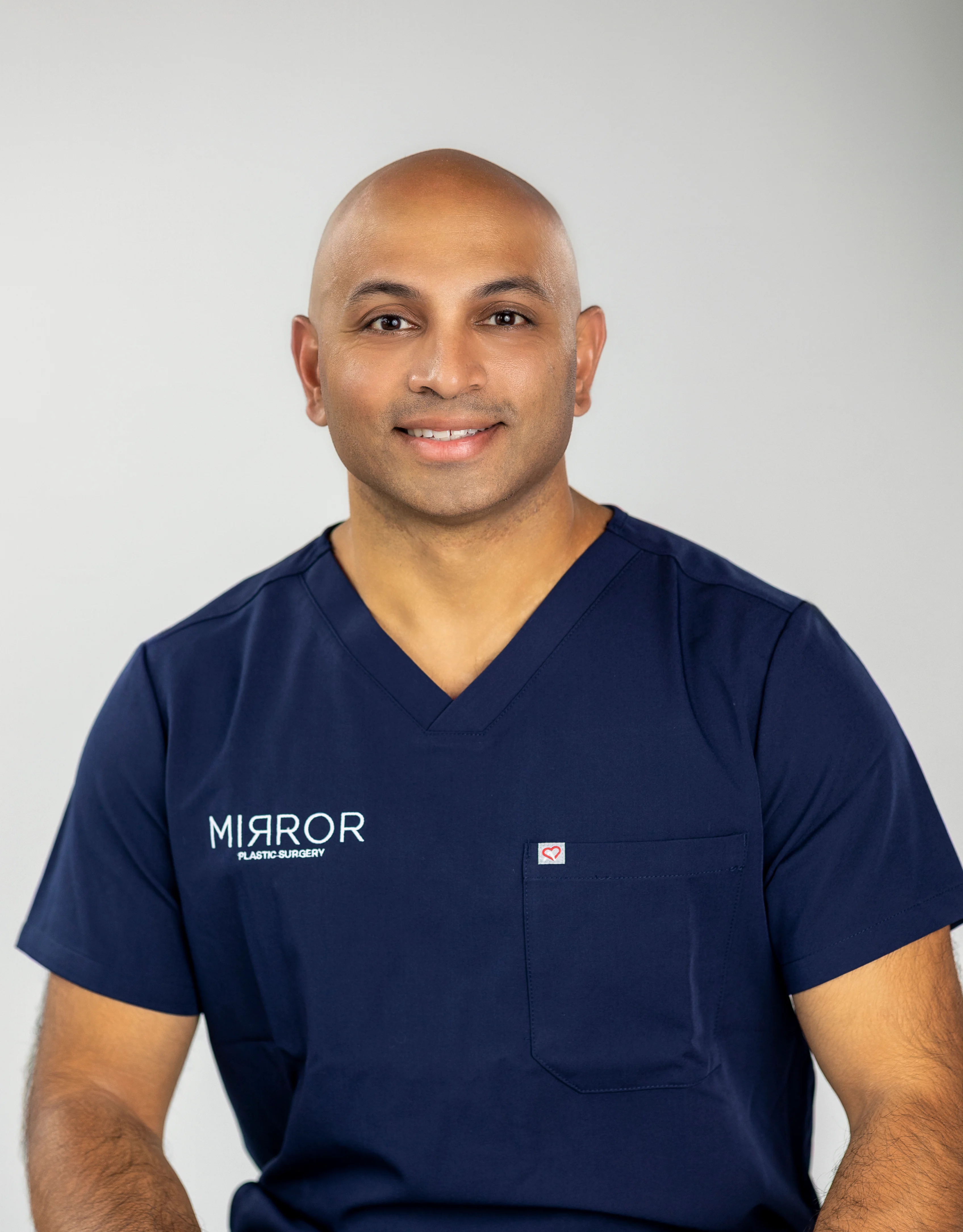
Dr. Akash offers the full range of FDA-approved neuromodulators, including Botox, Dysport, Xeomin, Daxxify, and Jeuveau. He also provides dermal fillers such as Juvederm, RHA, Versa, Restylane, Radiesse, and Evolysse. He serves on advisory boards for Merz Aesthetics and Tiger Aesthetics, which keeps his practice aligned with the latest product advances. His current focus includes full-face restorative treatments and non-surgical BBL services using biostimulatory fillers.
Book a consultation with Ellie to start a personalized injectable plan with Dr. Akash.
Boutique Nurse-Led Medical Spas
Some boutique practices led by NPs or PAs provide strong artistry, personal attention, and approachable pricing. Many patients do well with these teams for straightforward treatments. Training depth can vary widely, and physician oversight sometimes exists mostly on paper. The key safety question is whether physician supervision is real and documented. Patients should verify the supervising physician’s specialty and how often that physician is on site.
High-Volume Med Spa Mills
High-volume clinics often advertise low prices, short visits, and frequent package deals. Discount pricing 30–40% below physician-led market rates often signals diluted product, inexperienced injectors, or absentee medical directors. For injectable treatments that carry real medical risk, these tradeoffs create unnecessary danger.
Plastic Surgery Practices With Injectable Programs
Many Tampa plastic surgeons offer injectable services, and their surgical anatomy training provides a strong safety advantage. In some practices, however, the surgeon designs the plan while nurse injectors perform most injections. At Mirror Plastic Surgery, Dr. Akash personally performs every injection, which provides a consistent level of physician involvement that remains uncommon.
Botox And Fillers: Core Injectable Options
Neuromodulators For Dynamic Wrinkles
Neuromodulators relax muscles that create dynamic wrinkles such as forehead lines, crow’s feet, frown lines, and masseter or trapezius bulk. Results usually last three to six months.1 Six botulinum toxin type A products currently hold FDA approval for aesthetic use, and their units are not interchangeable. Dosing one product using another product’s chart qualifies as a medication error. Accurate dosing requires detailed product knowledge and experience.
Dermal Fillers For Volume And Contour
Dermal fillers restore volume, refine contours, and soften static wrinkles. Hyaluronic acid fillers are reversible with hyaluronidase and typically last six to eighteen months, depending on the product and area.1 Biostimulatory fillers such as Radiesse stimulate collagen for two years or longer and are not reversible.1 These products require careful patient selection and an experienced injector. New FDA-approved fillers like Evolysse and Belotero Volume expand options for tailored treatment. Each formula suits specific tissue depths and facial movements, so skilled injectors design plans for the whole face, not just single spots.
Red Flags When Choosing A Tampa Injector
- Absentee medical director: A physician appears on paperwork but rarely visits the practice. Confirm the license on the Florida Board of Medicine website and ask how often that physician is present.
- Rushed consultations: Visits under 15 minutes with no medical history, allergy review, or discussion of blood thinners signal poor safety habits. Qualified injectors ask about blood thinners, autoimmune disease, pregnancy, and prior reactions before treatment.
- Unclear product names: Every FDA-approved filler and neuromodulator has a brand name and labeled box. Patients should see and hear exactly what product is used.
- Package and upsell pressure: Strong pressure to prepay for multiple sessions or large packages before a first treatment suggests a sales-first mindset.
- Very low Botox pricing: Botox priced under $8 per unit in Tampa often indicates diluted or non-FDA-approved product.
- No emergency plan: Every filler practice needs a written vascular occlusion protocol and on-site hyaluronidase. Staff should clearly explain this plan.
- No real before-and-after photos: Practices should show actual patient results, not only stock images or manufacturer photos.
Typical Med Spa Pricing In Tampa
Pricing depends on provider expertise, product type, amount used, and practice overhead. Botox in Tampa usually costs $10–$14 per unit, and dermal fillers often range from $600–$2,000 per syringe. High-volume clinics may advertise lower prices, yet they often rely on diluted products or rushed visits, which can lead to disappointing results and expensive corrections.
Mirror Plastic Surgery focuses on using the right product and dose for each face rather than chasing volume targets. Every plan is personalized, and patients receive a detailed quote during consultation. The practice avoids package pressure and quota-based upselling.
Why Plastic Surgery Training Elevates Injectable Care
Dr. Akash’s background includes Harvard education, Johns Hopkins residency, MEETH/Lenox Hill aesthetic fellowship, and Stanford innovation training. This path provides a deep understanding of facial anatomy, vascular danger zones, and tissue planes that guides every injection. His advisory roles with Merz Aesthetics and Tiger Aesthetics keep his techniques aligned with current product science.
His philosophy of safety first, function second, aesthetics third shapes every recommendation. He sometimes advises patients to delay or skip expensive services when they do not yet need them. That level of honesty supports long-term relationships and stable, natural results.
How To Schedule A Consultation With Mirror Plastic Surgery
Mirror Plastic Surgery is located at 780 4th Ave S, St. Petersburg, FL 33701. Patients can contact the practice by phone at 727-361-6515, by email at hello@mirrorplasticsurgery.com, or on Instagram at @mirrorplasticsurgery. Dr. Akash currently welcomes new patients seeking full-face restorative treatments and non-surgical BBL services.
Book a consultation with Ellie to experience a concierge, physician-led approach where a board-certified plastic surgeon performs every injection.
Frequently Asked Questions About Tampa Injectables
What Is The Best Med Spa In Tampa Bay?
Patients who value safety, natural results, and direct physician care often choose Mirror Plastic Surgery. Board-certified plastic surgeon Dr. Akash Chandawarkar personally performs every injectable treatment. His hour-long consultations and safety-first philosophy create a level of attention that high-volume clinics and many nurse-led practices do not provide.
Where Can I Get The Best Botox In Tampa?
Mirror Plastic Surgery offers Botox, Dysport, Xeomin, Daxxify, and Jeuveau, all injected by Dr. Akash. His surgical anatomy training supports precise placement, accurate dosing, and natural movement. Because he performs every injection, patients receive consistent care at each visit.
How Do I Know If An Injector Is Qualified?
Patients should confirm board certification in plastic surgery or dermatology, an active Florida medical license, and documented training in aesthetic injectables. The Florida Board of Medicine website lists license status. A plastic surgery residency includes extensive anatomy, surgery, and complication management that short courses cannot match. Patients should also ask how often the supervising physician is physically present.
What Are Signs Of A Med Spa Mill?
Common warning signs include brief visits with no medical history, strong package pressure, vague product descriptions, Botox priced far below local norms, frequent staff turnover, and a medical director who rarely appears. Florida has reported many injectable complaints to its Board of Medicine, often involving practices where physician oversight existed mainly on paper.
How Long Do Injectable Results Last?
Neuromodulators usually last three to six months, depending on the product, area, and muscle activity.1 Hyaluronic acid fillers often last six to eighteen months.1 Biostimulatory fillers like Radiesse can stimulate collagen for two years or more and are not reversible.1 A qualified injector will outline a realistic timeline and maintenance plan during consultation.
Is It Safe To See A Nurse Injector?
Experienced nurse injectors working under active physician supervision can safely treat many patients. The key factor is real, ongoing oversight rather than a name on a form. For complex cases such as full-face rejuvenation, non-surgical BBL, or prior filler complications, the added safety margin from plastic surgery training becomes especially valuable.
Do Injectable Treatments Hurt?
Most patients tolerate injectables well. Topical numbing, ice, and products with integrated lidocaine help reduce discomfort. Precise technique also limits bruising and swelling. Patients should share any concerns about comfort so the plan can include extra numbing or pacing.
Mirror Plastic Surgery Contact Details
- Address: 780 4th Ave S, St. Petersburg, FL 33701
- Phone: 727-361-6515
- Email: hello@mirrorplasticsurgery.com
- Instagram: @mirrorplasticsurgery
Disclaimer: Results may vary from person to person. Editorial content, before and after images, and patient testimonials do not constitute a guarantee of specific results.
1 Results may vary from person to person. Editorial content, before and after images, and patient testimonials do not constitute a guarantee of specific results.


