

Written by: Dr. Akash Chandawarkar, Board Certified Plastic Surgeon, Mirror Plastic Surgery | Last updated: September 9, 2026
Key Takeaways
- Stem cell hair treatment includes three main approaches: true stem cell injections, secretome, and exosomes. None are FDA-approved for hair restoration in 2026.
- Current studies show modest hair-density gains in early-stage patients. Results fade over time and do not create new follicles in bald areas.1
- Costs range from several thousand to tens of thousands of dollars per session, with no insurance coverage and limited long-term safety data.
- PRP offers stronger evidence, lower cost, and a clearer safety record for most people with early-to-moderate hair loss.
- Patients who want honest, evidence-based guidance can schedule a personalized hair restoration consultation with Mirror Plastic Surgery.
2026 FDA Status And Risks
As of 2026, no stem cell hair restoration treatment has received FDA approval in the United States, and every commercially offered stem cell hair therapy remains investigational under U.S. regulatory standards. The FDA’s enforcement posture has intensified. In 2025, the FDA issued warning letters to Chara Biologics and New Life Medical Services for marketing unapproved stem cell and exosome products, and additional warning letters went to clinics in Florida, California, and Texas in Q1 2026. Most recently, the FDA issued a warning letter on August 14, 2026, to R3 Medical Companies regarding unapproved umbilical cord-derived products marketed for conditions including hair rejuvenation, citing CGMP violations such as failure to validate aseptic processes and lack of stability testing.
The known risk profile of stem cell hair procedures includes:
- Injection-site pain lasting 3–7 days, temporary scalp swelling, bruising, temporary shedding (shock loss) in the first 2–4 weeks, and discomfort at the liposuction site if adipose-derived stem cells are used
- Potential complications including infection, bleeding, nerve damage from punch biopsy or deep injections, scarring, and theoretical vascular complications such as embolism from accidental injection into blood vessels
- Long-term safety concerns including tumorigenic potential, uncontrolled cell growth, delayed autoimmune reactions, and unknown durability of results beyond 2–3 years
- Ongoing FDA reports of adverse events involving unapproved human cell or tissue products, including patient deaths
Real Cost Ranges And Value
Stem cell hair treatment sits at the high end of non-surgical hair restoration pricing. US clinics charge several thousand to tens of thousands of dollars per session, with costs often higher because the procedure lacks FDA approval and exists in a legal grey area. Key cost drivers include the treatment type (BMAC/SVF vs exosomes), the clinic’s location, and the size of the area treated.
Most standard US health insurance plans classify stem cell therapy as experimental, so patients typically pay out of pocket. Patients should stay cautious with any clinic that demands large upfront payments, guarantees specific results, or cannot clearly explain what is being injected and why.
At Mirror Plastic Surgery, pricing conversations follow a detailed exam. Every patient receives a personalized assessment, and any recommendation, including a suggestion to begin with medication rather than injections, reflects what the evidence supports for that person’s anatomy and stage of hair loss.
Stem Cell Versus PRP For Hair Loss
Stem cell therapy and platelet-rich plasma (PRP) are often mentioned together, yet they work differently and carry different levels of evidence. PRP is prepared from the patient’s blood and does not contain living mesenchymal stem cells. Some clinics rebrand PRP as “stem cell therapy” to justify higher prices, so patients should ask exactly what is being injected before agreeing to any procedure.
The table below highlights key differences in FDA status, research strength, and typical hair density gains. These comparisons show why PRP currently holds the stronger evidence position for most patients.
In practical terms, PRP offers a larger body of controlled evidence, lower cost, and a well-described safety profile. Stem cell therapy may help carefully selected patients, yet the research base is smaller and the price is significantly higher. For most people with early-to-moderate hair loss, PRP serves as the more reliable starting point.
Who Benefits From Stem Cell Hair Treatment
Ideal candidates for stem cell hair treatment have early-stage hair loss (Norwood 2–4 for men, Ludwig 1–2 for women), recent thinning with visible miniaturization but not complete baldness, and diffuse thinning patterns suggesting dormant rather than destroyed follicles. Younger patients (ages 25–40) with earlier-stage androgenetic alopecia showed average hair density improvements of 82.56% in stem-cell-related therapy arms of the 2026 systematic review1, although the small evidence base limits confidence in those numbers.
Key red flags when evaluating any provider include:
- Guaranteed results or specific percentage claims without published, peer-reviewed data
- No mention of FDA status or inability to provide an IND application number
- “Plant stem cell” claims, since plant stem cells cannot integrate with or stimulate human hair follicle stem cells in any clinically meaningful way
- Pressure to commit before a thorough consultation
- Conflating exosomes, PRP, and stem cells as interchangeable treatments
- Lack of ClinicalTrials.gov registration and absence of IRB oversight
Request a candidacy assessment with Mirror Plastic Surgery for a thorough, low-pressure review of your situation.
Celebrity Myths And What Actually Works
Celebrity stories often shape expectations about hair restoration, yet most public figures rely on proven options. Many use advanced FUE or FUT hair transplant surgery, high-quality hairpieces, or a combination of both. FUE and FUT hair transplant procedures reach 85 to 95% graft survival rates when performed by skilled surgeons and remain the only permanent solutions for significant hair loss.1
Hair cloning remains preclinical; Stemson Therapeutics has demonstrated human hair growth in humanized mouse models, but commercial availability is estimated 5 to 10-plus years away. No clinic anywhere in the world currently offers an approved procedure that grows entirely new follicles, so marketing that suggests otherwise does not match current science.
Stem cell therapy also requires patience. Most patients see no major visible changes in the first few weeks. Finer new hairs may appear between the second and third month, and the most noticeable improvements usually develop between three and six months, with optimal results evaluated between six and twelve months.1
Evidence-Based Alternatives And Florida Options
Most patients benefit from building a strong foundation with proven therapies before considering investigational stem cell treatments. Only two FDA-approved medications exist for androgenetic alopecia: minoxidil and finasteride. Low-level laser therapy also carries FDA clearance. PRP has been studied extensively, and the 2025 meta-analysis mentioned earlier confirmed that it is generally safe and effective for alopecia, with consistent increases in hair density, making it the strongest evidence-based non-surgical adjunct available today.
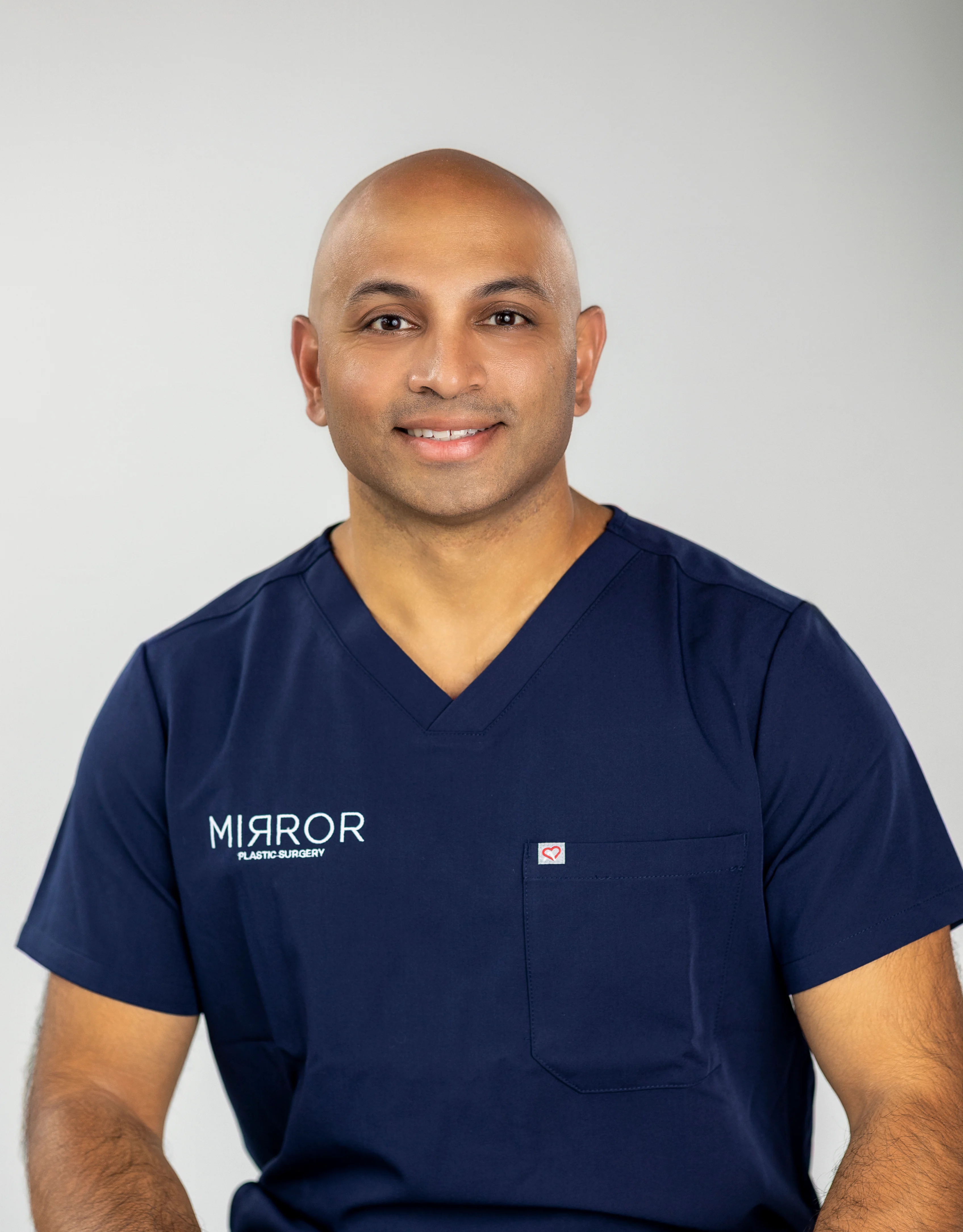
Mirror Plastic Surgery, located in St. Petersburg and serving the broader Tampa Bay area, offers hair restoration under the direct care of Dr. Akash Chandawarkar. He is a Harvard-educated, Johns Hopkins-trained plastic surgeon with fellowship training at Manhattan Eye Ear & Throat Hospital and medical innovation training at Stanford University. The practice’s hair restoration menu includes PRP and Acorn Biolabs Secretome, a stem cell-derived conditioned media product administered as an injection or topical treatment.
Because secretome is a cell-free preparation containing growth factors secreted by stem cells rather than living cells themselves, it falls into a different regulatory and risk category than true stem cell injections. Dr. Chandawarkar explains these distinctions clearly during every consultation so patients understand exactly what they are choosing.
The practice’s concierge medicine model provides up to an hour of consultation time with Dr. Chandawarkar, including a comprehensive assessment and straightforward recommendations. Mirror Plastic Surgery performs only one to two procedures per day, which allows the clinical team to focus fully on each patient before, during, and after treatment.
Frequently Asked Questions
Does Stem Cell Hair Treatment Work?
Stem cell hair treatment can help some patients, but the effect is usually modest. Clinical studies in patients with early-to-moderate androgenetic alopecia have reported hair density improvements ranging from roughly 20 to 48 percent in responders1, with the strongest results in younger patients with diffuse thinning and still-viable follicles. These studies are generally small, short in duration, and varied in protocol, and no large randomized trial has confirmed consistent benefit across a broad population.
Stem cell therapy does not create new follicles in areas where none remain, and results fade over time, so many patients need maintenance sessions. The treatment shows genuine biological promise, yet as of 2026 it remains an investigational option rather than a fully proven standard.
Is Stem Cell Hair Treatment FDA Approved?
As of September 2026, there are zero FDA-approved stem cell treatments for hair loss in the United States. Every commercially offered stem cell hair procedure is investigational. The FDA has issued multiple warning letters to clinics, including clinics in Florida, for marketing unapproved stem cell and exosome products. There are also no FDA-approved exosome products for any indication.
Patients can ask any clinic for its IND application number. If the clinic cannot provide one, the treatment lacks regulatory standing in the United States. The most advanced stem cell-targeted hair treatment in development, Pelage Pharmaceuticals’ PP405, is in Phase 3 trials and is not expected to reach potential FDA approval before 2028 at the earliest.
How Much Does Stem Cell Hair Treatment Cost?
Costs vary based on procedure type, clinic location, scalp area treated, and whether add-on treatments like PRP are included. US clinics typically charge from several thousand to tens of thousands of dollars per session. Because the treatment lacks FDA approval, insurance does not cover it, and patients pay entirely out of pocket.
Patients should stay alert to clinics that demand large upfront payments or sell bundled packages with unrelated services. At Mirror Plastic Surgery, every patient receives a personalized assessment and a transparent explanation of any recommended treatment, with no pressure to commit to a costly procedure that may not fit their stage of hair loss.
What Are The Side Effects Of Stem Cell Hair Treatment?
The most common side effects are mild and local. Patients may experience injection-site pain, temporary scalp swelling, redness, bruising, and a temporary increase in shedding (shock loss) during the first two to four weeks after treatment. If adipose tissue is harvested via liposuction, discomfort at the harvest site can also occur.
More serious risks, including infection, nerve damage, scarring, and allergic reactions to processing agents, are less common but possible, especially when treatment occurs outside a properly regulated facility. The long-term safety profile of repeated stem cell injections remains uncertain. Theoretical concerns include tumorigenic potential and uncontrolled cell growth, although published hair loss studies have not yet documented serious systemic adverse events.
Is Stem Cell Hair Treatment Better Than PRP?
Current evidence favors PRP for most patients. The 2025 meta-analysis mentioned earlier evaluated 43 randomized controlled trials involving nearly 1,900 patients and confirmed that PRP is generally safe and effective for increasing hair density. Stem cell therapy has a smaller and less standardized research base. One 2022 head-to-head study found that autologous micrograft technology and activated PRP produced comparable hair density improvements, with no statistically significant difference between the two.
Stem cell therapy may offer added benefit for select patients, particularly those who do not respond well to PRP. It is more expensive and more invasive, and its risk profile is less clearly defined. For most people, PRP serves as the more appropriate first-line non-surgical option.
Who Is A Good Candidate For Stem Cell Hair Treatment?
The strongest candidates are men and women with early-to-moderate androgenetic alopecia, roughly Norwood stages 2 to 4 in men and Ludwig stages 1 to 2 in women, who show visible follicular miniaturization but have not lost the follicle entirely. Diffuse thinning patterns respond better than patchy or scarring alopecia.
Patients with completely bald areas where follicles have been absent for years rarely benefit, since the treatment does not generate new follicle structures. Contraindications include active scalp infection, uncontrolled autoimmune disease, active blood cancer, recent chemotherapy, bleeding disorders, and pregnancy or breastfeeding. A thorough medical evaluation remains essential before any treatment decision.
Where Can I Get Stem Cell Hair Treatment In Florida?
Multiple clinics in Florida market procedures as stem cell hair treatment, and the FDA has issued warning letters to some Florida-based clinics in 2026 for using unapproved products. Patients should confirm that any provider can explain exactly what is being injected, document the cell source and processing standards, and demonstrate appropriate medical oversight.
Mirror Plastic Surgery in St. Petersburg offers evidence-based hair restoration, including PRP and Acorn Biolabs Secretome, under the direct care of Dr. Akash Chandawarkar. The concierge approach ensures that every patient receives an honest assessment of whether any regenerative treatment fits their specific situation.
Making An Informed Choice
Stem cell hair treatment occupies an exciting yet unsettled space in regenerative medicine. The biology is compelling, early clinical results are encouraging in the right patients, and more rigorous treatments are in development. As of 2026, however, the lack of FDA approval, limited and heterogeneous evidence, high costs, and aggressive marketing all require careful consideration.
For most patients with early-to-moderate hair loss, the most evidence-supported plan combines FDA-approved medications, PRP, and, when appropriate, hair transplant surgery. Investigational options like secretome can play a role for carefully selected patients when evaluated transparently and without financial pressure.
Mirror Plastic Surgery focuses on that kind of honest evaluation. Dr. Chandawarkar explains what the evidence supports, what it does not, and how to direct your budget toward treatments that truly match your goals.
Book A Consultation
Patients in the St. Petersburg and Tampa Bay area who are researching stem cell hair treatment or other hair restoration options can meet with Mirror Plastic Surgery for a detailed, low-pressure consultation. Dr. Akash Chandawarkar personally conducts every hair restoration assessment, taking the time to understand your goals, examine your scalp, and recommend only what current evidence supports for your situation.
Start your hair restoration consultation with Mirror Plastic Surgery to explore your options.
- Address: 780 4th Ave S, St. Petersburg, FL 33701
- Phone: 727-361-6515
- Email: hello@mirrorplasticsurgery.com
- Instagram: @mirrorplasticsurgery | @dr.akashplasticsurgery | @perfectlyplastics
Disclaimer: Results may vary from person to person. Editorial content, before and after images, and patient testimonials do not constitute a guarantee of specific results.
1 Results may vary from person to person. Editorial content, before and after images, and patient testimonials do not constitute a guarantee of specific results.


