
Written by: Dr. Akash Chandawarkar, Board Certified Plastic Surgeon, Mirror Plastic Surgery | Last updated: September 9, 2026
Key Takeaways
- Concierge physician-led practices differ from med spas by having a board-certified plastic surgeon personally evaluate, plan, and perform every injectable treatment.
- Surgeon injectors bring years of surgical anatomy training that nurse injectors lack, which supports safer, more precise results and better complication management.1
- Consultations at physician-led practices last up to an hour and focus on full-face harmony, while many med spas limit visits to 10–15 minutes with menu-based recommendations.
- Physician-led practices maintain robust safety infrastructure, including immediate in-house complication management by a surgeon, instead of relying on external referrals.
- Patients seeking the highest standard of safety and personalized care can schedule a consultation with Ellie at Mirror Plastic Surgery to experience physician-led injectable care.
The Two Models: What You Are Actually Choosing
Every injectable appointment fits into one of two basic models: the med spa model or the concierge physician-led model.
The Med Spa Model: A retail-style business offers injectables, facials, lasers, and body treatments under a medical director who may be off-site. According to the American Med Spa Association (AmSpa), a compliant med spa requires physician oversight and a face-to-face consultation before treatment, but the level of physician involvement varies dramatically by practice. Treatments are typically performed by registered nurses, nurse practitioners, or physician assistants who may rotate between locations. Consultations often run 10–15 minutes, and treatment recommendations can be influenced by product commissions or package sales targets.
The Concierge Physician-Led Model: A medical practice centers care around a board-certified physician, ideally a plastic surgeon, who personally evaluates, plans, and performs every injection. Consultations are unhurried and often last up to an hour. Treatment plans are tailored to individual anatomy and long-term goals rather than menu-based packages. The physician remains directly accessible for follow-up and complication management. The concierge model trades clinic volume for time and attention, using fewer patients per day, longer visits, and direct access to the physician between visits.
The concierge model reduces the variability of delegated-authority care by ensuring the most qualified provider is the one holding the syringe.
Who Holds The Needle? Surgeon Vs. Nurse Injector Credentials
The training and anatomical knowledge of the person performing your injections shape both your results and your safety.
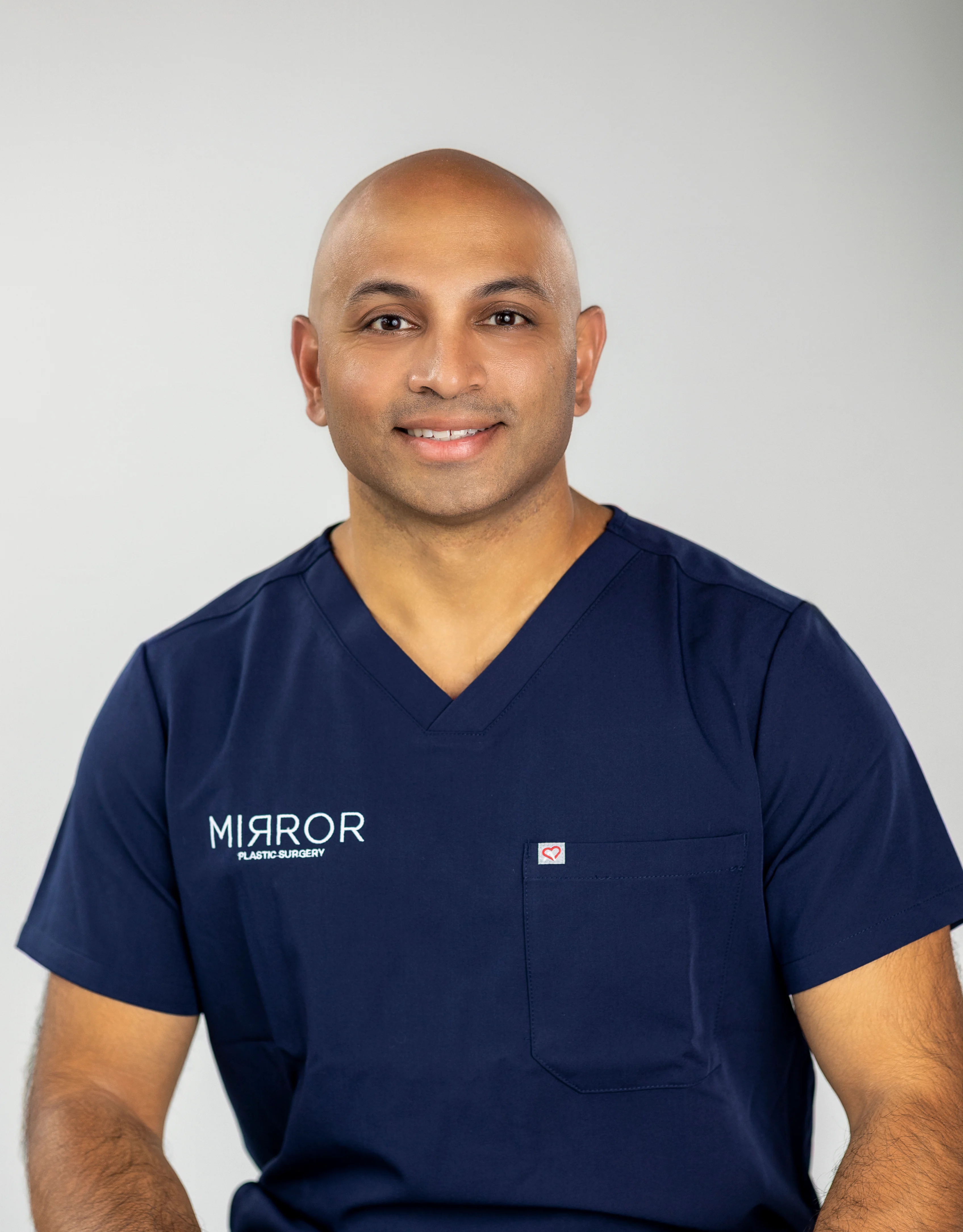
At Mirror Plastic Surgery, every neuromodulator and dermal filler is placed by Dr. Akash Chandawarkar, MD, a Harvard-educated, Johns Hopkins-trained plastic surgeon with fellowship training in aesthetic surgery at the Manhattan Eye Ear & Throat Hospital (MEETH)/Lenox Hill Hospital. He is board-certified by the American Board of Plastic Surgery and serves on advisory boards for Merz Aesthetics and Tiger Aesthetics. His surgical residency and fellowship provided thousands of hours of dedicated study of facial and subdermal anatomy. That knowledge translates directly into safer, more precise injections.1 A surgeon understands where to place product, where blood vessels lie, how muscles move, and how volume loss progresses across the entire face over time.
The typical med spa injector follows a different training pathway. Safe injectable practice requires formal training beyond licensure covering facial anatomy, danger zones, and complication recognition and management, but state requirements vary widely, and there is no standardized national certification for aesthetic injectors. Most experts recommend 6–12 months of supervised practice after initial certification before an injector achieves independent proficiency. Many skilled nurse injectors practice in med spas, yet their pathway does not include the years of surgical anatomy study that define a board-certified plastic surgeon’s foundation.
At least one top-ranking injectable provider in St. Petersburg, such as Narasimhan Plastic Surgery, has a board-certified plastic surgeon (Dr. Kailash Narasimhan) personally performing every injectable treatment. That level of expertise represents a meaningful clinical difference, and it becomes immediately apparent in how each model approaches the consultation.
Schedule your consultation with Ellie to experience physician-led injectable care in practice.
The Consultation Experience: 15 Minutes Vs. One Hour
The time a practice invests in understanding your face before treatment reflects its philosophy of care.
The Med Spa Consultation: Traditional med spas often use rotating injectors, high-volume 10–15 minute appointment slots, and front-desk or portal-based follow-up. A provider, who may not be the person performing your treatment, reviews your concerns, recommends products, and may suggest package deals. The focus often stays on individual treatment areas rather than whole-face harmony.
The Mirror Plastic Surgery Consultation: Dr. Akash spends up to one hour with each patient. He begins by exploring the emotional motivations and long-term goals behind your request. He then performs a top-to-bottom assessment of your facial anatomy. He explains the rationale behind every recommendation in plain terms and breaks down skin physiology so you understand why a treatment is proposed. He is known for his transparency and often advises patients when an expensive service is not yet necessary, which builds trust and long-term relationships instead of one-off transactions.
Concierge aesthetic appointments typically run 30–60 minutes, compared to the 12–18 minute average in traditional settings, allowing thorough skin analysis, lifestyle review, and treatment planning. A compliant med spa schedules a face-to-face consultation with a prescribing practitioner before treatment to establish a practitioner-patient relationship that meets the standard of care, yet the depth of that consultation varies considerably across practices.
Safety Infrastructure: How Practices Prepare For Complications
Injectables are medical procedures with real risks, including vascular occlusion, tissue necrosis, and in rare cases, blindness. The difference between a med spa and a physician-led practice becomes most significant when complications arise.
Med Spa Reality: Compliant med spas must maintain emergency protocols for vascular occlusions and keep a minimum of 16 vials of hyaluronidase on hand at all times. However, aesthetic clinics often handle complications in-house on the same day, while medical spas may refer out depending on the availability of their medical director. The injector’s training in complication recognition and management can differ widely.
Physician-Led Reality: A board-certified plastic surgeon has the training to recognize complications early and the expertise to manage them immediately. The meaningful difference between an aesthetic clinic and a medical spa is who is present when complications arise and how far the practice can escalate care. Dr. Akash’s surgical background means he understands vascular anatomy in depth, which helps him avoid danger zones and respond decisively if an adverse event occurs.
At the cutting edge of safety, pre-procedural ultrasound can map vascular and anatomical structures, and ultrasound-guided injections provide real-time visualization of material placement, improving outcomes and preventing adverse events.1 This level of safety infrastructure is most often available in physician-led practices rather than volume-driven med spas.
Treatment Philosophy: Natural, Full-Face Results
The Med Spa Approach: Treatment recommendations often focus on individual concerns in isolation, addressing a single area without considering how it interacts with the rest of the face. Recommendations may be influenced by retail sales targets or product commissions, and the goal frequently centers on immediate, visible change that justifies the spend.
The Mirror Plastic Surgery Approach: Dr. Akash’s philosophy centers on a holistic, full-face approach to rejuvenation. He prioritizes safety first, function second, and aesthetics third. His initial focus is on revitalizing inherent facial characteristics, and he considers volume augmentation after foundational restoration. This strategy supports seamless transitions between the upper, middle, and lower facial regions and helps prevent the “overdone” appearance or asymmetry that can arise from isolated, single-area injections.1
A practitioner who applies every protocol identically regardless of patient anatomy falls short of the standard patients deserve. A fixed-volume filler protocol applied to two patients with different bone structures will produce two very different outcomes, and those outcomes may not match the intended result. Personalization functions as a clinical standard that produces natural results.1
Product Selection: Supplier-Neutral Choices For Your Anatomy
Mirror Plastic Surgery carries the full range of FDA-approved neuromodulators, including Botox, Dysport, Xeomin, Daxxify, and Jeuveau, along with dermal fillers such as Juvederm, RHA, Versa, Restylane, Radiesse, and Evolysse. Dr. Akash serves on advisory boards for Merz Aesthetics and Tiger Aesthetics, which gives him direct insight into product development. His recommendations focus on what best serves each patient’s anatomy and goals, rather than supplier relationships or commission structures.
Some practices receive incentives to promote specific brands through manufacturer loyalty programs or wholesale agreements. Medicines used at medical spas must be FDA-approved and purchased from legitimate manufacturers, yet the choice of which product to use should arise from patient needs. At Mirror Plastic Surgery, supplier neutrality functions as a structural commitment that supports unbiased product selection.
Discuss your product options with Ellie to match treatments to your specific anatomy and goals.
Cost And Value: What Your Investment Buys
Concierge injectables represent an investment in expertise, safety, and personalized care, rather than simple product volume. Concierge and luxury-positioned practices often add 20–40% premiums across treatment categories compared to standard market rates, and board-certified plastic surgeons command 15–25% price premiums over nurse injectors in the same market. In Florida, board-certified plastic surgeons charge $900–$1,400 per syringe for dermal fillers, while experienced nurse injectors at med spas typically charge $500–$900.
The value proposition remains straightforward. The cost of a poor outcome, such as asymmetry, over-treatment, or complication management, typically exceeds any savings from a cheaper provider. That is why a unit of neuromodulator placed by an undertrained injector does not carry the same value as the same unit placed by a board-certified plastic surgeon. The difference lies in safety, anatomical precision, and the long-term outcome that results from both.1
Mirror Plastic Surgery does not publish standard pricing because every patient receives a personalized quote during consultation based on unique anatomy and treatment goals. Contact the practice at 727-361-6515 or hello@mirrorplasticsurgery.com to begin that conversation.
The Mirror Plastic Surgery Difference: A Summary Comparison
The table below distills the core differences discussed above into a side-by-side view, highlighting how physician-led care diverges from the med spa model on safety, expertise, and consultation depth.
| Factor | Med Spa Model | Mirror Plastic Surgery |
|---|---|---|
| Who Performs Injections | RN, NP, or PA, may rotate between locations | Dr. Akash Chandawarkar, MD, board-certified plastic surgeon, every treatment |
| Consultation Length | 12–18 minutes on average | Up to 60 minutes with Dr. Akash personally |
| Assessment Approach | Menu-based, individual treatment areas | Top-to-bottom facial analysis, safety, function, then aesthetics |
| Complication Management | May refer out depending on medical director availability | Managed in-house by a board-certified plastic surgeon |
What To Expect In Your Consultation At Mirror Plastic Surgery
The process begins when you reach out. You can text or call 727-361-6515, email hello@mirrorplasticsurgery.com, or submit a consultation request online. From the first point of contact, the experience reflects the practice’s concierge philosophy: prompt, attentive, and personal.
During your consultation, Dr. Akash begins by understanding your motivations and long-term goals. He then conducts a comprehensive top-to-bottom assessment of your facial anatomy, explains his findings in plain language, and walks you through the rationale behind each recommendation. If a treatment is not necessary yet, he will say so. If a less expensive approach will serve you better, he will recommend it. You leave with a personalized treatment plan you understand and trust.
Start your injectable journey with Ellie at Mirror Plastic Surgery and take the first step toward care that prioritizes your safety, your anatomy, and your long-term results.
Local Commitment To St. Petersburg And Tampa Bay Patients
Mirror Plastic Surgery is located at 780 4th Ave S, St. Petersburg, FL 33701, in the heart of downtown St. Pete and convenient to the broader Tampa Bay area. Residents near the waterfront, in surrounding neighborhoods, and across the bay in Tampa can access physician-led injectable care without leaving the region. Dr. Akash is currently welcoming new patients seeking full-face restorative treatments and non-surgical services.
To reach the practice, call or text 727-361-6515, email hello@mirrorplasticsurgery.com, or visit the office at 780 4th Ave S, St. Petersburg, FL 33701.
Frequently Asked Questions
Is Concierge Aesthetic Medicine Worth The Cost?
The premium associated with concierge, physician-led injectable care covers several concrete advantages. You receive a board-certified plastic surgeon’s anatomical expertise, an unhurried consultation that addresses your full facial anatomy, a personalized treatment plan grounded in evidence rather than product commissions, and direct physician access for follow-up. The cost of correcting a poor injectable outcome, whether that means dissolving filler, managing asymmetry, or addressing a complication, typically exceeds any savings achieved by choosing a lower-cost provider. When the person holding the needle is a surgeon who has spent years studying the structures beneath your skin, the investment buys a meaningful difference in safety and outcomes.1
What Is The Difference Between A Med Spa And A Physician-Led Aesthetic Practice?
The fundamental difference lies in who holds the needle and who is accountable for your care. A med spa operates under a medical director who may be off-site, with treatments performed by nurses or physician assistants under delegated authority. The level of physician involvement varies significantly from practice to practice. A physician-led practice like Mirror Plastic Surgery ensures that a board-certified plastic surgeon personally evaluates, plans, and performs every treatment. The practical consequence of this distinction becomes most apparent when complications arise, because a physician-led practice can manage adverse events in-house immediately, while a med spa may need to refer out. For routine maintenance in lower-risk anatomy, a well-run med spa with an engaged medical director can be appropriate. For complex, high-risk, or first-time injectable treatments, or any time you want the highest standard of safety and precision, a physician-led practice is the appropriate choice.
Are Injectables Covered By Insurance?
Neuromodulators and dermal fillers for cosmetic purposes are elective procedures and are not covered by health insurance. Exceptions exist for documented medical indications. For example, neuromodulators used to treat hyperhidrosis (excessive sweating) or certain muscle conditions may qualify for coverage under specific plans. Standard aesthetic injectable treatments remain out-of-pocket expenses. Mirror Plastic Surgery provides personalized quotes during consultation based on each patient’s unique anatomy and treatment goals.
How Do I Know If My Injector Is Qualified?
Three factors deserve verification before any injectable appointment. First, confirm that the provider holds an active, unrestricted medical license in Florida, which you can check on Florida state board websites. Second, ask about board certification, because board certification in plastic surgery or dermatology represents a verified, peer-reviewed standard of training that goes beyond basic licensure. Third, ask specifically about training in facial anatomy, vascular danger zones, and complication management, including what emergency protocols are in place and whether hyaluronidase is stocked on-site. A provider who cannot answer these questions clearly is a provider worth reconsidering. At Mirror Plastic Surgery, Dr. Akash’s credentials, training pathway, and safety protocols are transparent and verifiable.
What Injectable Products Does Mirror Plastic Surgery Offer?
Dr. Akash works with the full range of FDA-approved neuromodulators, including Botox, Dysport, Xeomin, Daxxify, and Jeuveau, used for the face, neck, massagers, TMJ, and trapezius muscles. Dermal filler options include Juvederm, RHA, Versa, Restylane, Radiesse, and Evolysse, applied for facial and neck aesthetics, body contouring, and non-surgical BBL using biostimulatory fillers. Product selection is driven entirely by each patient’s anatomy, skin quality, and goals, rather than supplier relationships or commission structures. Dr. Akash’s advisory board roles with Merz Aesthetics and Tiger Aesthetics provide him with direct insight into product development, which he uses to inform evidence-based recommendations.
Conclusion: Choose A Higher Standard Of Injectable Care
The injectable market in St. Petersburg offers many options. Mirror Plastic Surgery offers a practice where a Harvard-educated, Johns Hopkins-trained, board-certified plastic surgeon personally performs every injection, spends up to an hour understanding your anatomy before recommending treatment, and remains directly accessible when you have questions afterward. This model represents a different standard of care, centered on safety, precision, and long-term relationships.
Patients who have experienced rushed consultations, rotating injectors, or results that did not reflect their anatomy often recognize the limitations of a volume-driven model. Mirror Plastic Surgery exists for patients who are ready for a more thoughtful, physician-led approach.
Reach Dr. Akash and the Mirror Plastic Surgery team at 780 4th Ave S, St. Petersburg, FL 33701, by phone or text at 727-361-6515, or by email at hello@mirrorplasticsurgery.com.
Arrange your consultation with Ellie today and experience physician-led aesthetic care in St. Petersburg, Florida.
Disclaimer: Results may vary from person to person. Editorial content, before and after images, and patient testimonials do not constitute a guarantee of specific results.
1 Results may vary from person to person. Editorial content, before and after images, and patient testimonials do not constitute a guarantee of specific results.